What TikTok announced on November 9
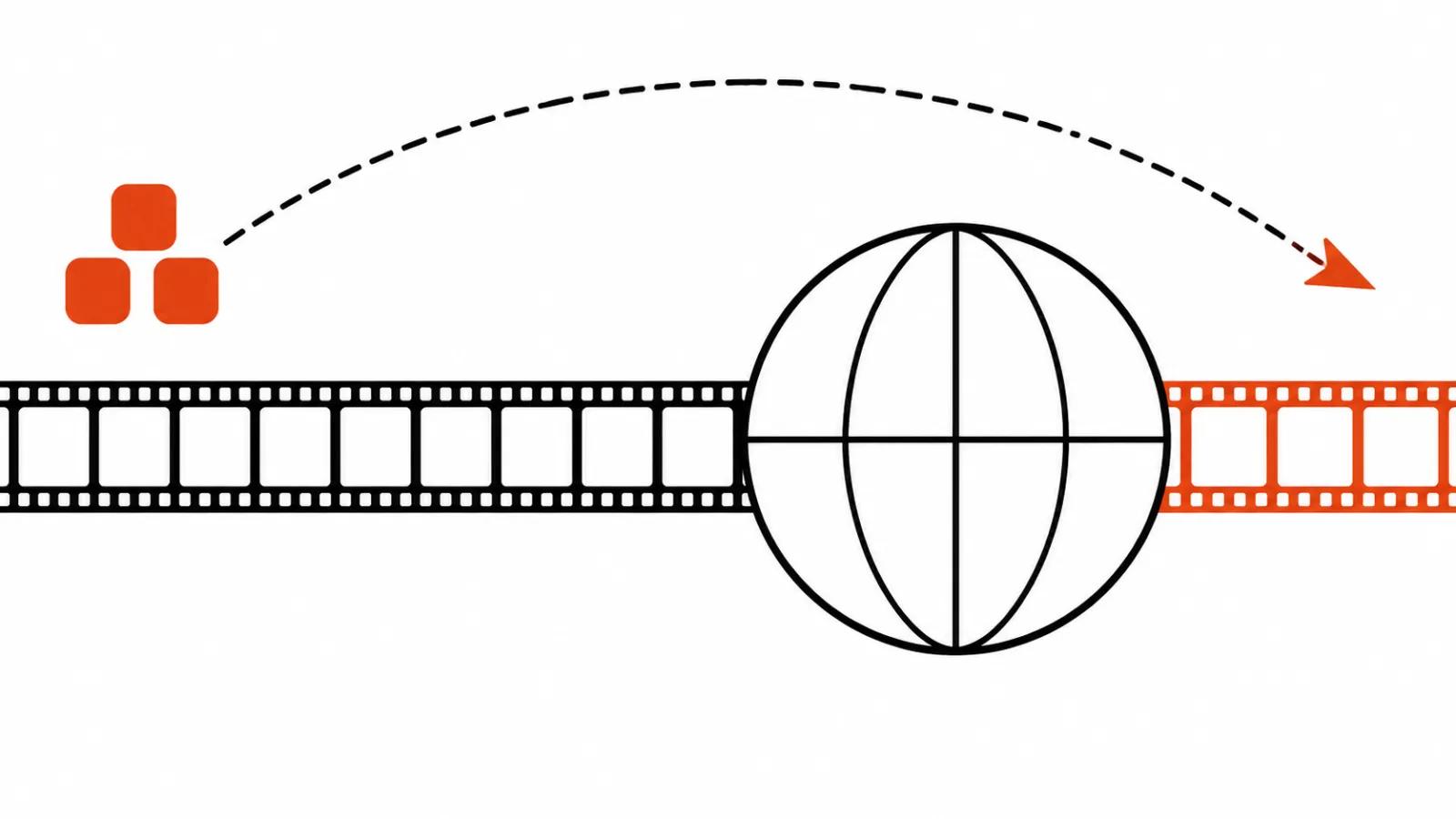
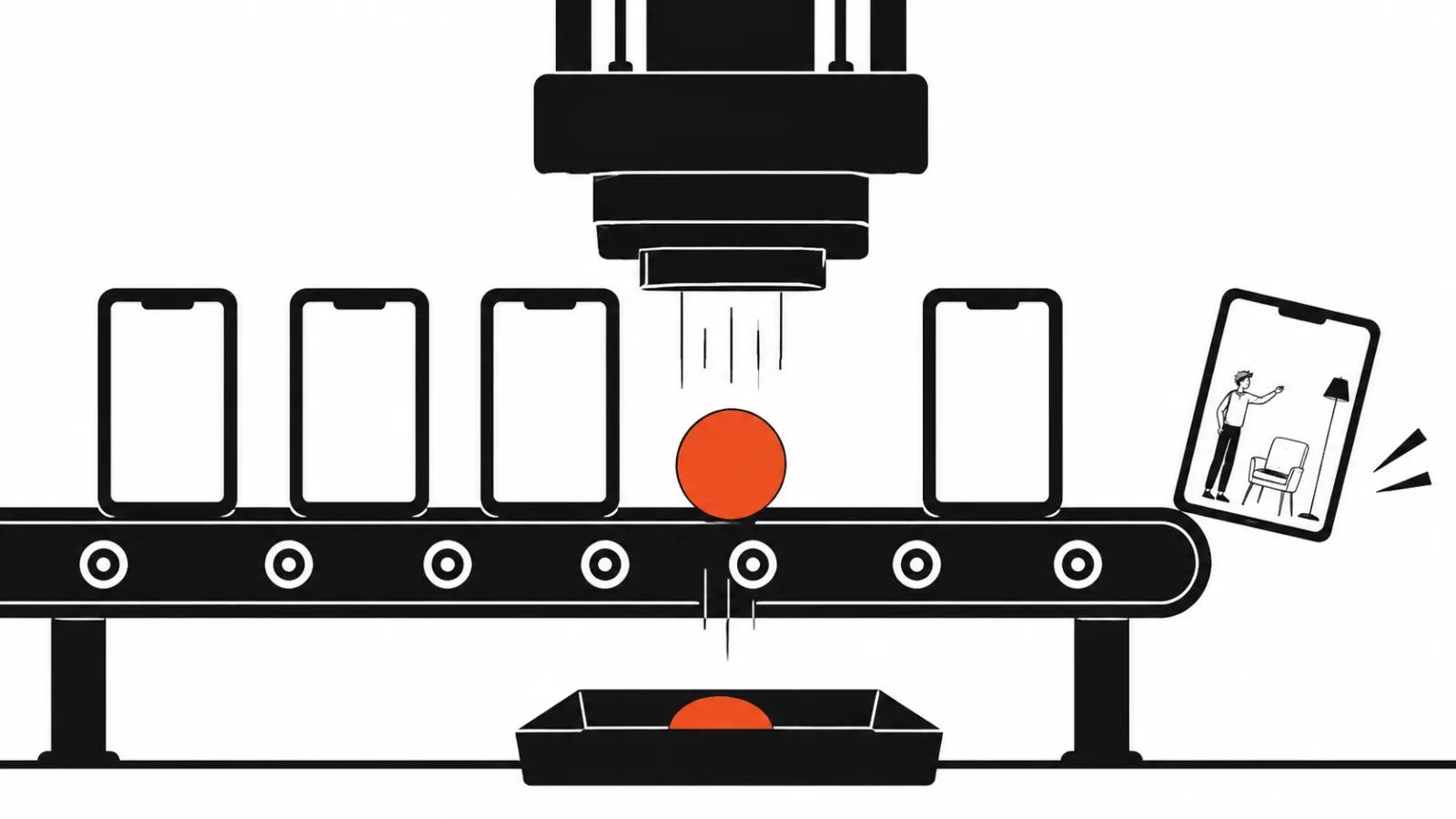
Social Media Today ran the TikTok line on November 9: "Starting November 9, advertisers outside North America can purchase BytePlus tokens to access Dreamina Seedance AI models through Symphony." In plain terms, an advertiser outside North America buys BytePlus tokens and spends them on generations in the Dreamina Seedance models inside Symphony. BytePlus is the corporate technology arm of ByteDance, so the platform sells access to its parent company's model.
The same day TikTok said the Symphony API lets advertisers call Symphony tools from inside their own creative management systems. For a team with a creative library the route of the file changes, because generation runs in software they already use. Large agencies tend to care about that clause more than about the models themselves, since approvals and revisions live in their own stack.
BytePlus tokens: what is known and what is missing
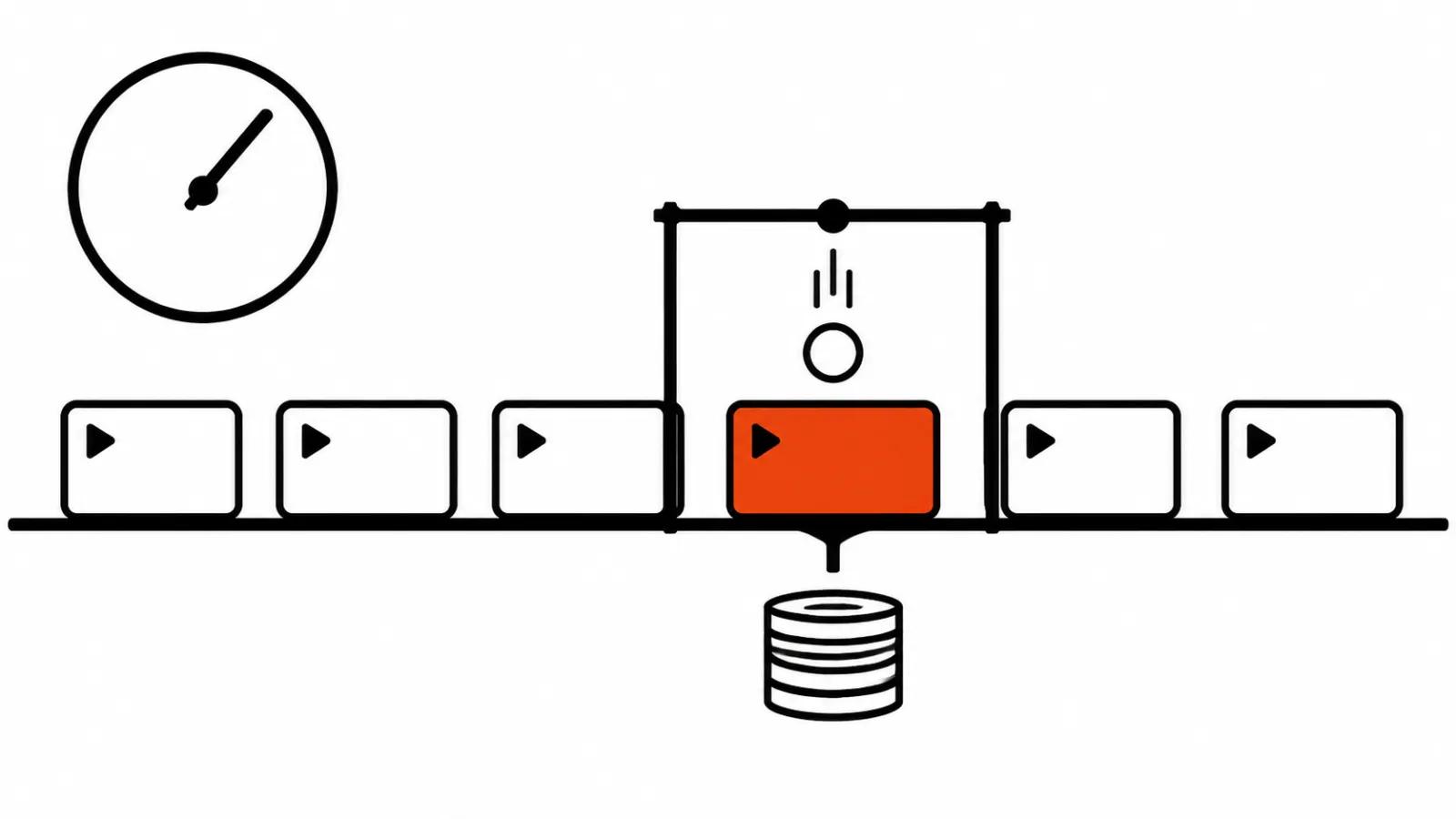
There is no token price in the sources: no pack price, no per second rate, no per run figure. That is the first question for an account manager, because the whole campaign math hangs on it. Thirty seconds per prompt looks generous until you count how many prompts a single scene eats and how many drafts a round of client feedback burns.
How to make a TikTok video with AI inside Symphony
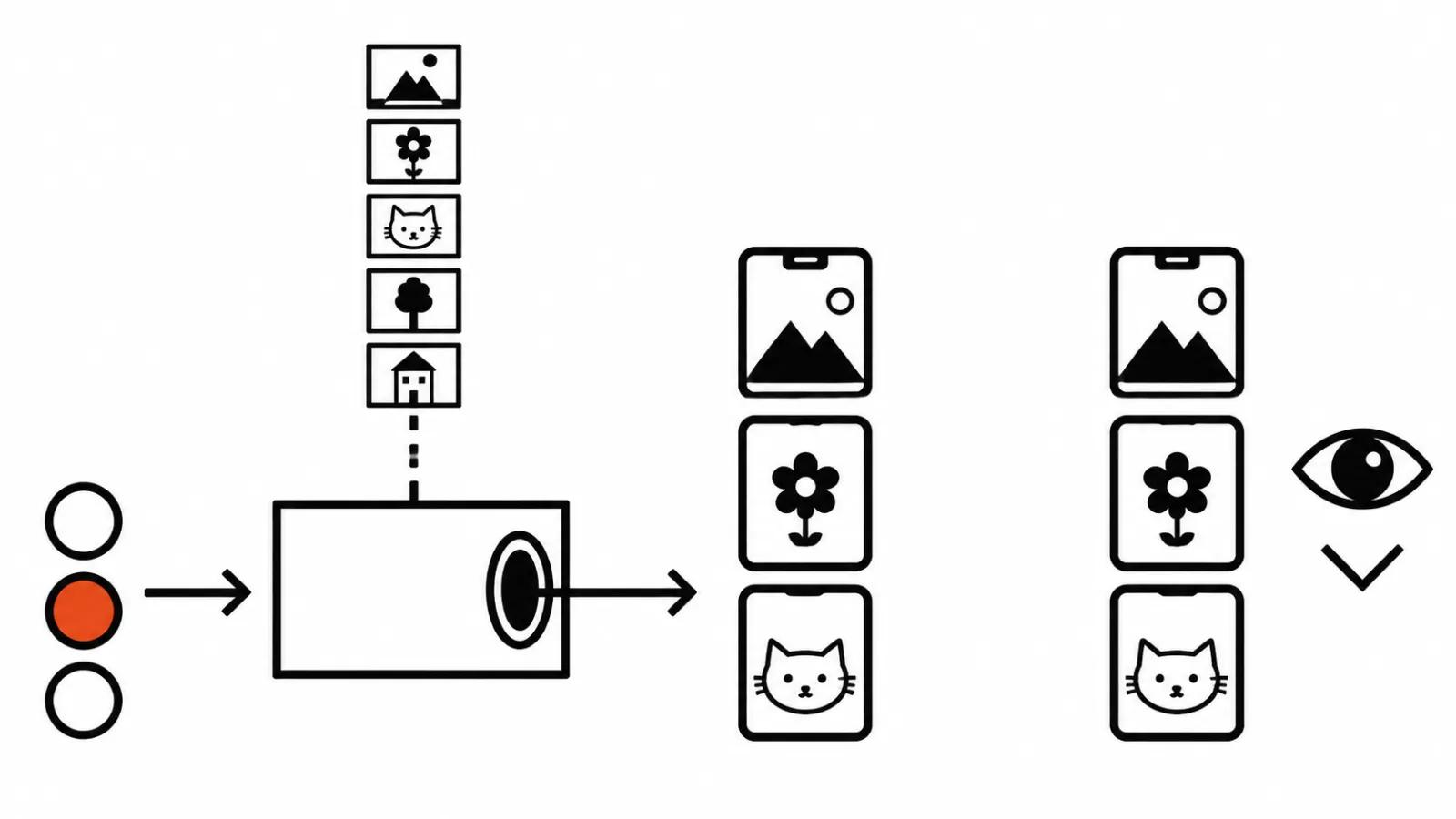
Symphony Agent has been shipping since June 2026. Per PPC Land it builds scripts, videos and a creator shortlist from a product photo or a campaign goal, and a twelve second video takes about three minutes.
Seedance inside Symphony takes up to 50 multimodal references, meaning images, video and audio, and up to 30 seconds of video per prompt. The older limits were nine references and 15 seconds. The date matters here. PPC Land reported those numbers on August 3, 2026 alongside the Seedance 2.5 integration, so 50 references and 30 seconds are existing capability, and the November 9 news is about tokens and the API. Read it as "TikTok just allowed 30 seconds" and you build the wrong plan and promise a client something that already shipped.
The limits that stayed in place
PPC Land's announcement of August 9, 2026 listed the rules, and none of them went away. Uploading real faces is blocked. Prompts, references and the finished result go through moderation. Every clip carries a label for viewers, an invisible watermark and C2PA Content Credentials in the file.
Access back then belonged to select paid advertisers in select markets, and the markets were never named. The consequence for a shoot is plain: you cannot get an actor into frame from the cabinet. The character is either synthetic, or shot in advance and uploaded as a reference where the rules allow it.
Why the cabinet template reads as an ad
The platform now sells creative generation inside the ad cabinet, and the same AI clip goes straight into a campaign. That is genuinely convenient: no download, no vendor call, no version confusion. For rapid hypothesis testing it is the fastest path from idea to spend.
Feeds pay for difference. A clip built on the cabinet preset gives itself away on three things: even light with no single flaw, a symmetric composition dead centre, and the same cutting rhythm in every other placement. The viewer does not name the reason, they just keep scrolling. Vertical ads live on the first frame and on movement inside the scene, and a preset delivers the picture everyone has seen for the last six months.
I have nothing against the cabinet. It is a good fast press for a dozen test versions. It works badly where the clip has to carry a brand and a face, because AI video without your own script turns into a set of handsome shots with no reason to keep watching.
TikTok ad creative: what stays yours
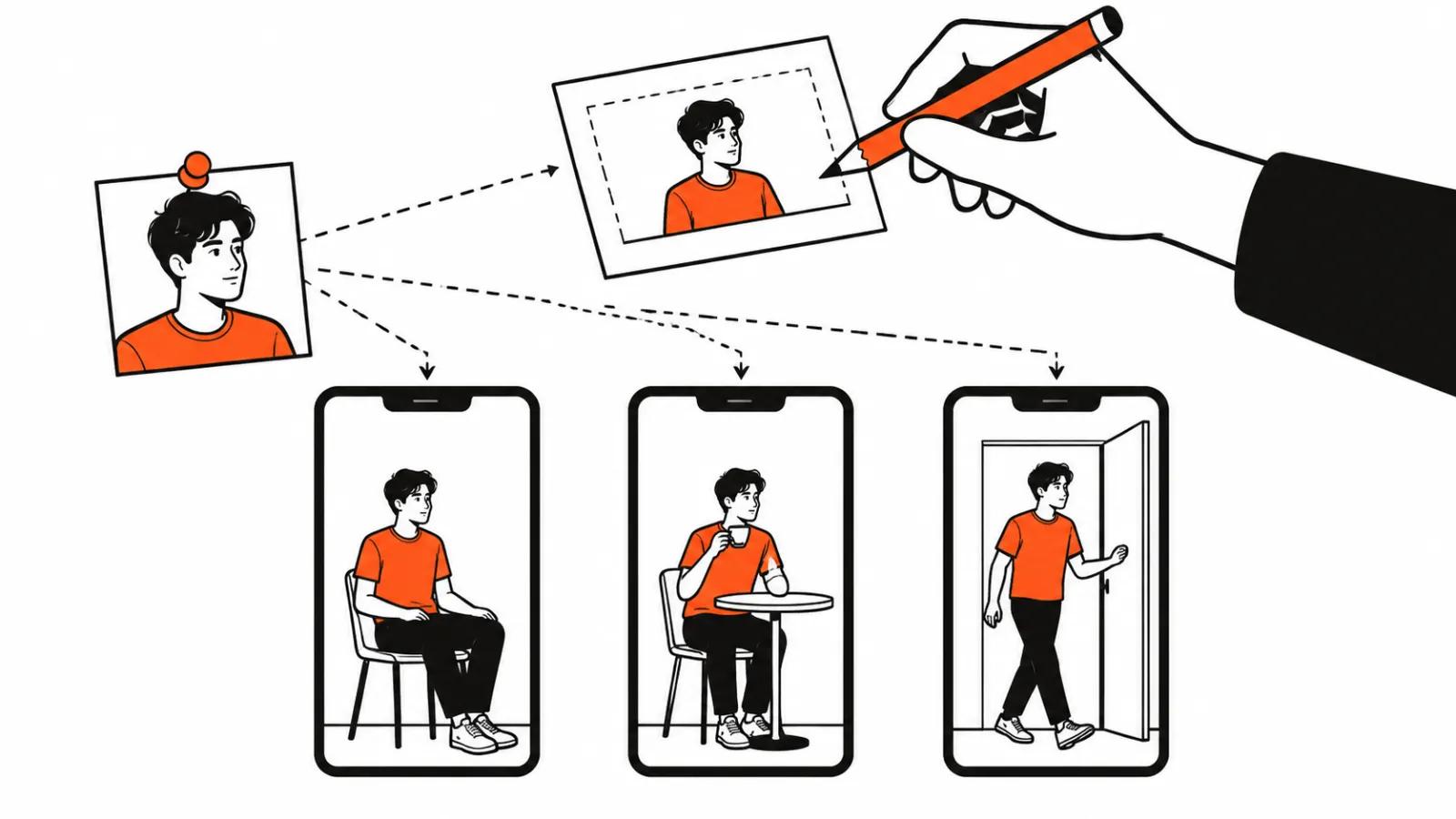
Tokens buy seconds of generation. They do not buy the idea. The advertiser who wins has a script and a character that repeats from clip to clip: same wardrobe, same voice, same way of talking. Inside the cabinet that character is built from references, and the 50 reference ceiling helps once the references were picked in advance and sit in a folder.
The second layer is format. A separate breakdown of vertical video ads 9:16 covers why the frame follows different rules from a horizontal one and which mistakes cost the most.
The third layer is staging. If the ad has to look like a shoot with a person in it, tokens will not save the day: faces cannot be uploaded, and a synthetic hero in a close up gives itself away in the face. That work goes to handcrafted videos from $190, where a person owns the frame and generation is a support tool.
What I would check before buying tokens
Four questions, all of them for the TikTok rep or the cabinet.
First, the token price and how many generations one scene eats. Without that number the estimate does not exist.
Second, the list of countries where token purchase is open today. The phrase "outside North America" reads broad, and the published list does not exist.
Third, what happens to the label and the watermark if the clip gets recut or reposted on another channel. C2PA Content Credentials travels with the file, and that matters when material goes to a client.
Fourth, quality on real campaigns. TikTok has not published it, and the sources give capabilities and limits. My scepticism is simple: reference counts and second counts get verified once, while how a clip behaves in a feed gets verified with money.
My conclusion
TikTok made a tidy move. Generation moved into the cabinet, billing moved to tokens, the API opened the door for agencies. For the market it means the entry ticket to AI advertising dropped to the size of an ad budget. For production it means something else: the edge shifts from being able to generate to being able to invent a scene.
My routine for an advertiser looks like this. Buy tokens for a test, cut three versions of one offer, run them on a small budget and watch the hold on the first two seconds. If the cabinet versions hold, scale them. If they do not, the money goes into script and character while generation stays a tool inside your own process. The winner is the advertiser nobody reads as a preset.