Why a fairy tale is the best first project
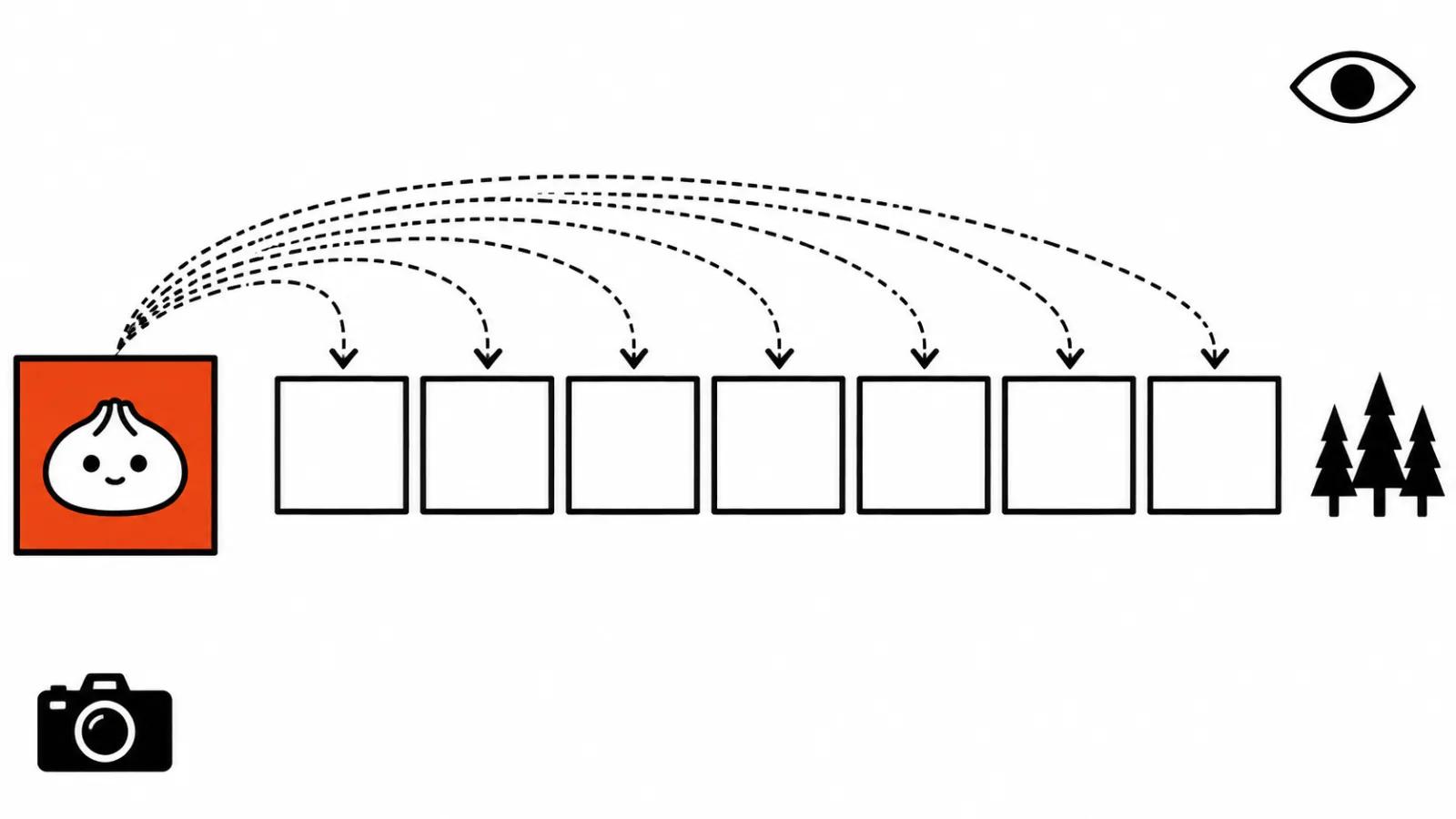
I would start with a folk tale, and not for love of folklore. A tale solves three beginner problems at once. Everyone knows the plot, so the viewer needs no introduction to who is who. The scenes are short: a meeting, a line of dialogue, an exit. The repetition holds the rhythm, and one good shot can be reused with another character.
The second reason is practical. A tale has few locations: the forest, the cottage, the road. All of them generate from a single description, so the background does not need rebuilding every time. When I ran my first tests, most of the hours went into keeping a character looking like himself across scenes, while the picture itself was ready long before. A tale lets you check that fast: few characters, each one on stage in turn.
What you can use: Kolobok, Teremok and Little Red Riding Hood
Kolobok and Teremok are Slavic folk tales with no copyright on the plot. Little Red Riding Hood was written down by Charles Perrault in 1697 and by the Brothers Grimm in 1812, and that plot sits in the public domain too. Retelling and filming those stories is free.
Caution belongs elsewhere. Particular retellings, illustrations and the Soviet-era cartoons are protected, and their frames cannot be used. The characters have to be drawn or generated from scratch.
The rule is simple: take the plot, make your own picture. The Kolobok song needs a fresh recording as well, even if the tune feels like folklore.
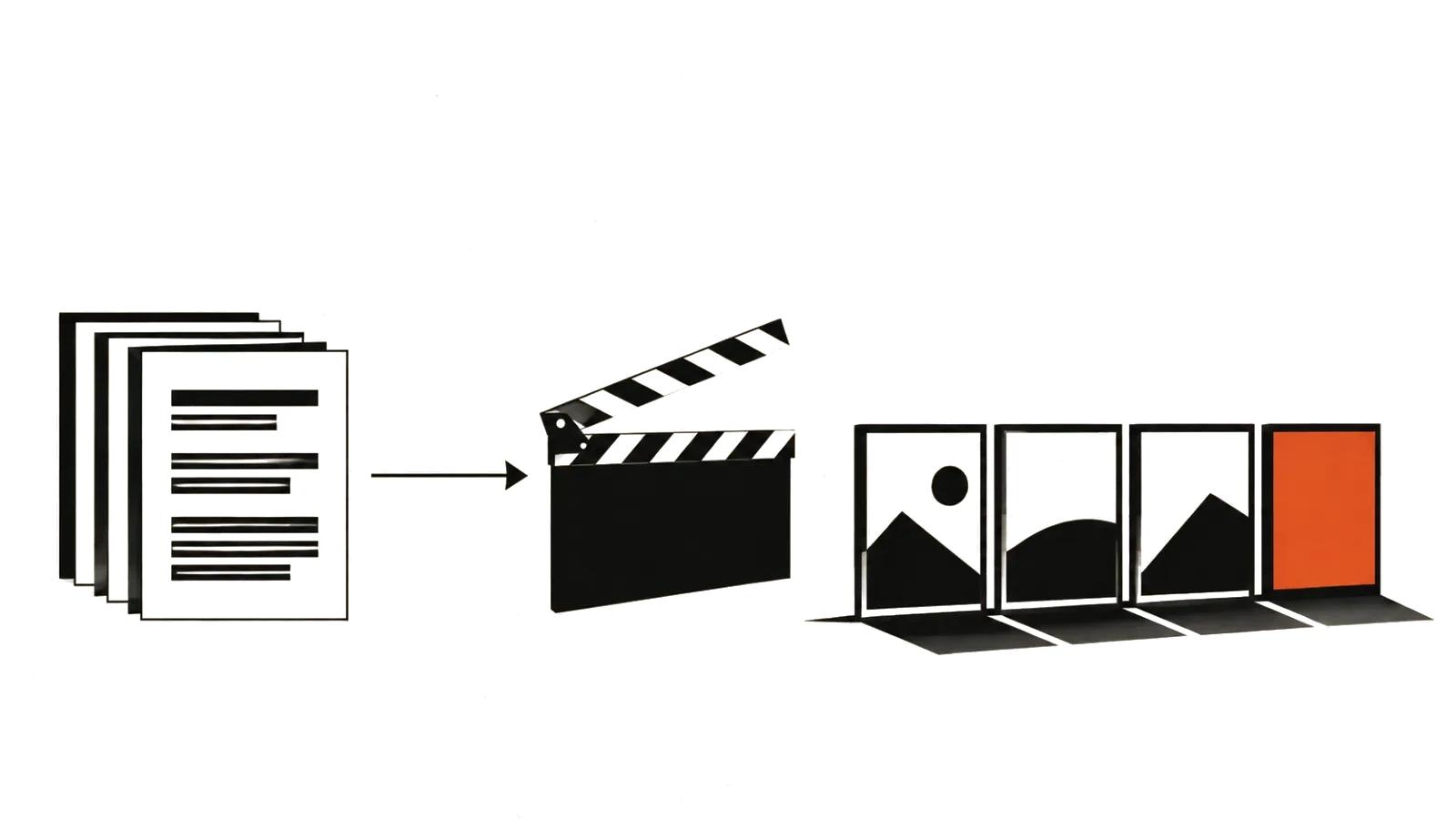
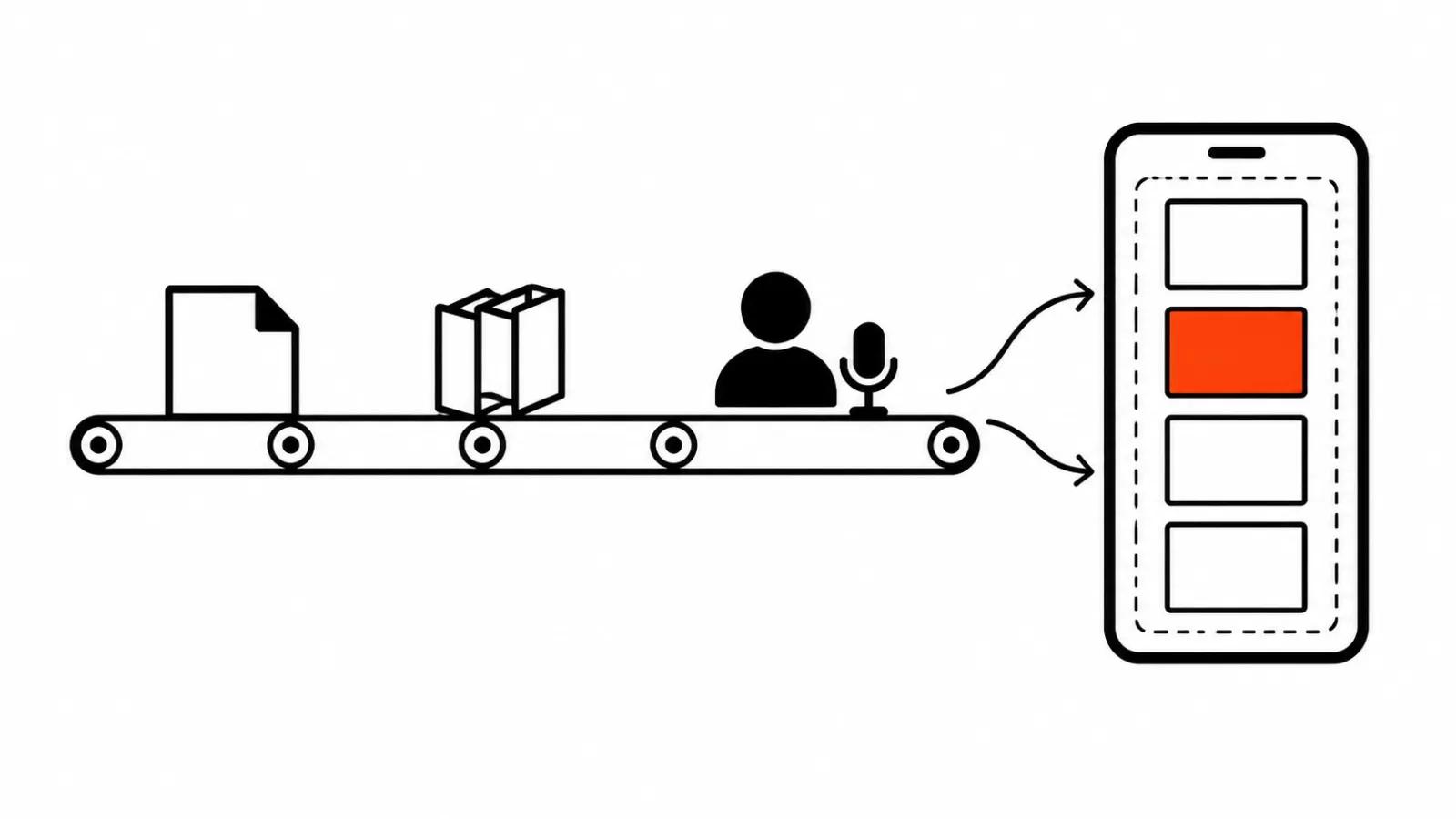
How to make a fairy tale cartoon: the working order
I keep one order every time, and it saves more hours than any prompt.
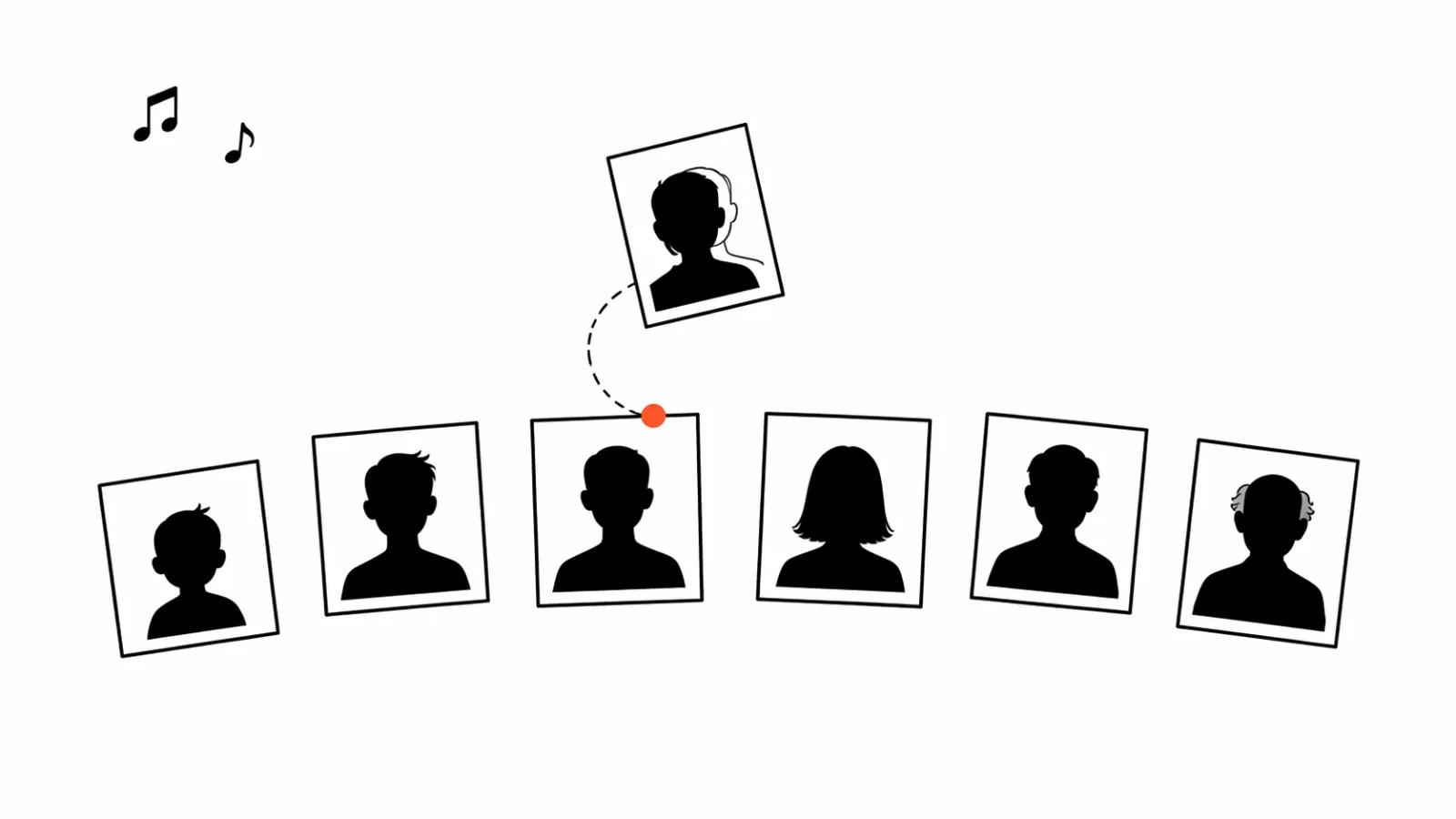
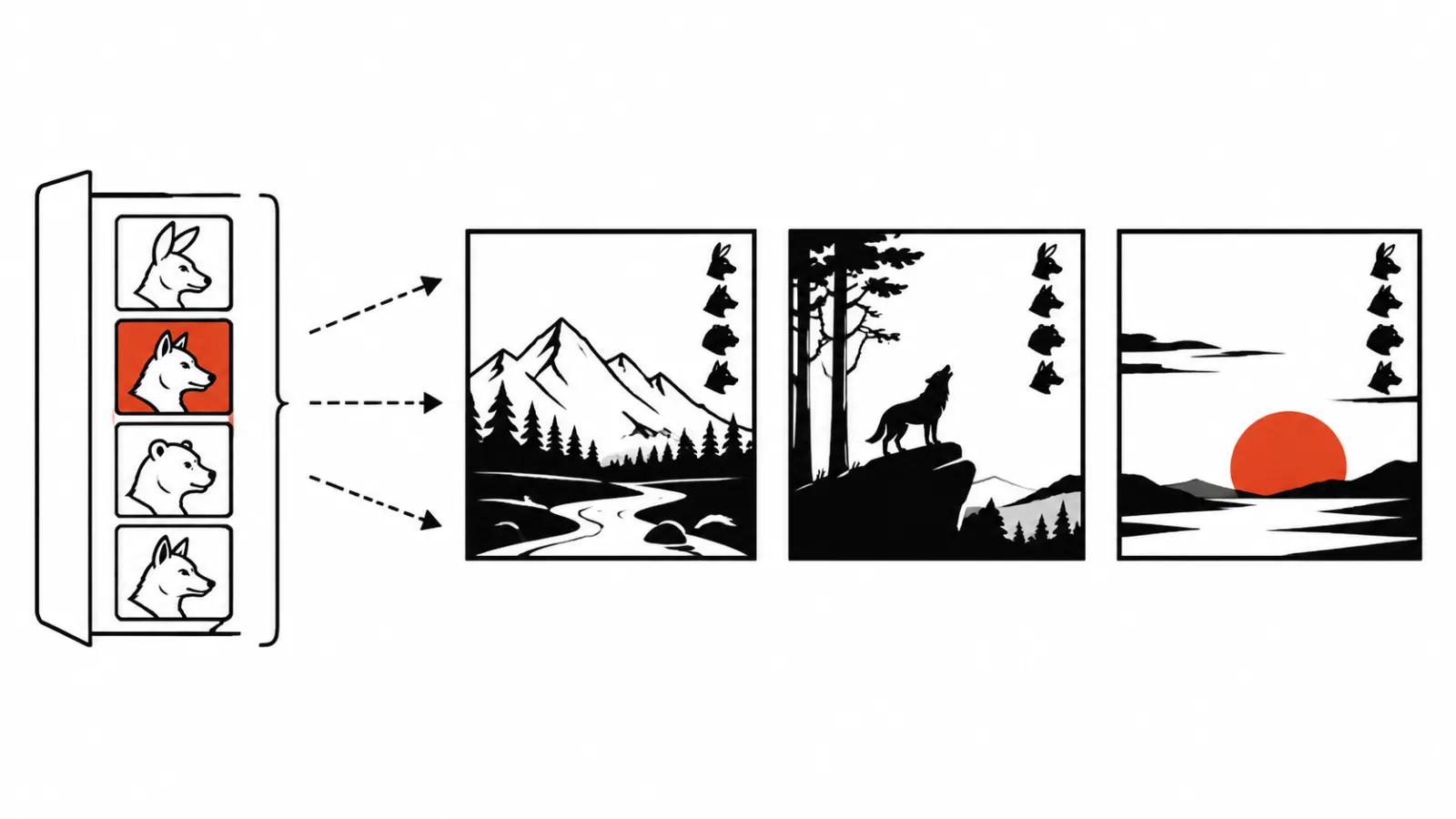
Step four is the whole trick. A fox generated from text alone in the third scene looks like a fox from some other story, and viewers spot it instantly. A reference frame locks the muzzle, the palette and the proportions, and the model carries them into the new shot.
- A script split into scenes, 5 to 8 of them. Each scene is one action and one line.
- A character sheet: one reference frame per character, all in the same style.
- A storyboard: where the camera sits, what is in frame, how long the scene runs.
- Scene generation from the character references. A blank prompt gives you a new character in every shot.
- Voiceover, music, edit.
A Kolobok clip with AI: one meeting, one scene
The structure of Kolobok suits a model perfectly. The bun runs away from the old couple, meets a hare, a wolf, a bear and a fox, and each meeting is a scene of five to eight seconds. One animal changes between scenes, while the background and the camera move stay the same.
The prompt skeleton gets written once, then a single word is swapped: hare, wolf, bear, fox. The song is easier to record in one take and place across the scenes with small tempo tweaks. Four separate recordings sound like four different actors, and that shows even in a twenty-second clip.
Teremok with an AI model: the same animals in every scene
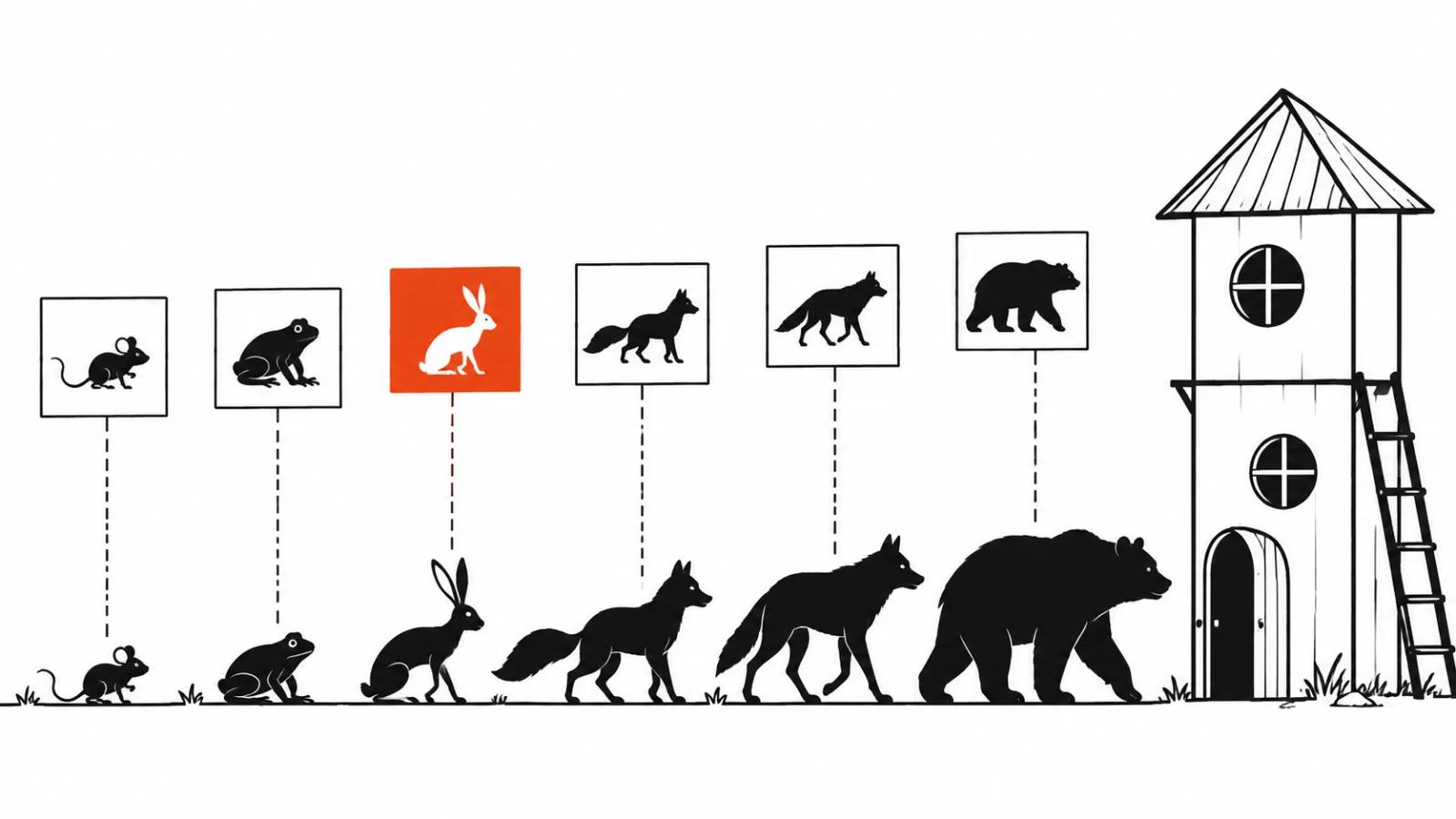
Teremok is harder because the cast is large and shares one frame. Saving on references backfires here: the mouse, the frog, the hare, the fox, the wolf and the bear have to be recognisable in every scene, otherwise the little house fills with random animals.
What works is a shared character sheet and one reference per character, fed into every generation. Most vendors support references now. Seedance 2.5 takes several references in one request. Pika H3 Flex holds up to nine images, three videos and three audio clips, and its weights are open. Kling 4.0 and Vidu Q4 work from a reference, and Wan 3.0 is open as well. Kandinsky S2V 1.0 from Sber opened on November 3, 2026 and can animate cartoon characters and animals to speech from a single frame, though it needs a serious GPU.
A Little Red Riding Hood clip with AI: reference and style
Little Red Riding Hood arrives with expectations attached: the red hood, the forest, the wolf. The style is chosen before the first generation, because changing it later means rebuilding the whole clip. I would look through the animation styles for AI video first, pick one, and hold it across every scene.
The second issue is scale. The Perrault and Grimm versions are short, but viewers remember the book illustrations, and any drift reads as a mistake. A reference frame for the girl plus a separate frame for the wolf solves it: two characters, one forest, eight scenes. The hood and the basket need to be fixed in the description from the first frame, since the silhouette is what makes her recognisable.
The Chinese series method: a character vault and one artist
The Chinese AI series Chi Xie Ru Song reached 1,000 episodes and more than 4 billion views according to press reports. It runs on two rules. First, a shared character vault where finished references live. Second, one person owns the entire look.
That scales down to a tale without losses. Eight scenes are comfortably one person's work, and the vault is just a folder of frames: the bun, the fox, the wolf, the bear, the hare. When a character returns in a new scene, its reference comes out of the folder, so the style holds if the tale grows into a series.
Voiceover, music and the edit
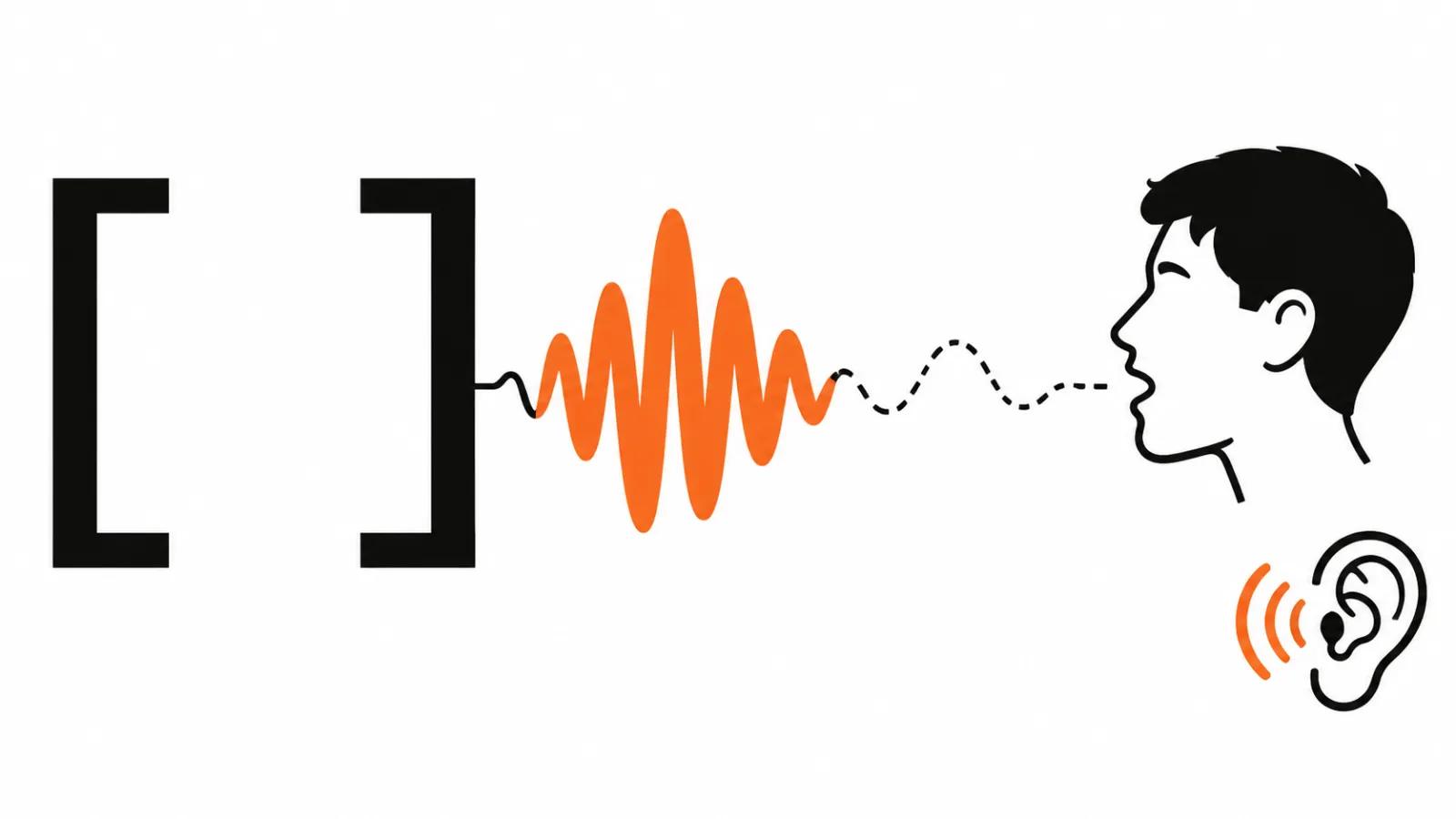
Voiceover comes in two flavours: a synthetic voice or your own. For a tale I would record the narrator myself and give the animal lines to a model with distinct timbres, so the scenes do not blur into one flat read. Music comes from tools like Suno, and eight scenes need one theme with variations.
The edit sets the pace. A scene longer than eight seconds sags in a children's video, so cut the extra shots even when they look good.
Children are a strict audience, and platforms label kids' content differently. That needs checking per platform before publishing: the rules change more often than the models do.
If you need cartoon production for a brand or a training project, budget by scenes instead of minutes. Handcrafted AI videos from $190 remain the reference point for labour, and that is a fair comparison for eight scenes with custom characters. The general workflow is covered in our detailed guide on how to make a cartoon with AI; here I stayed with the fairy tale.