Which training clips are worth making with AI
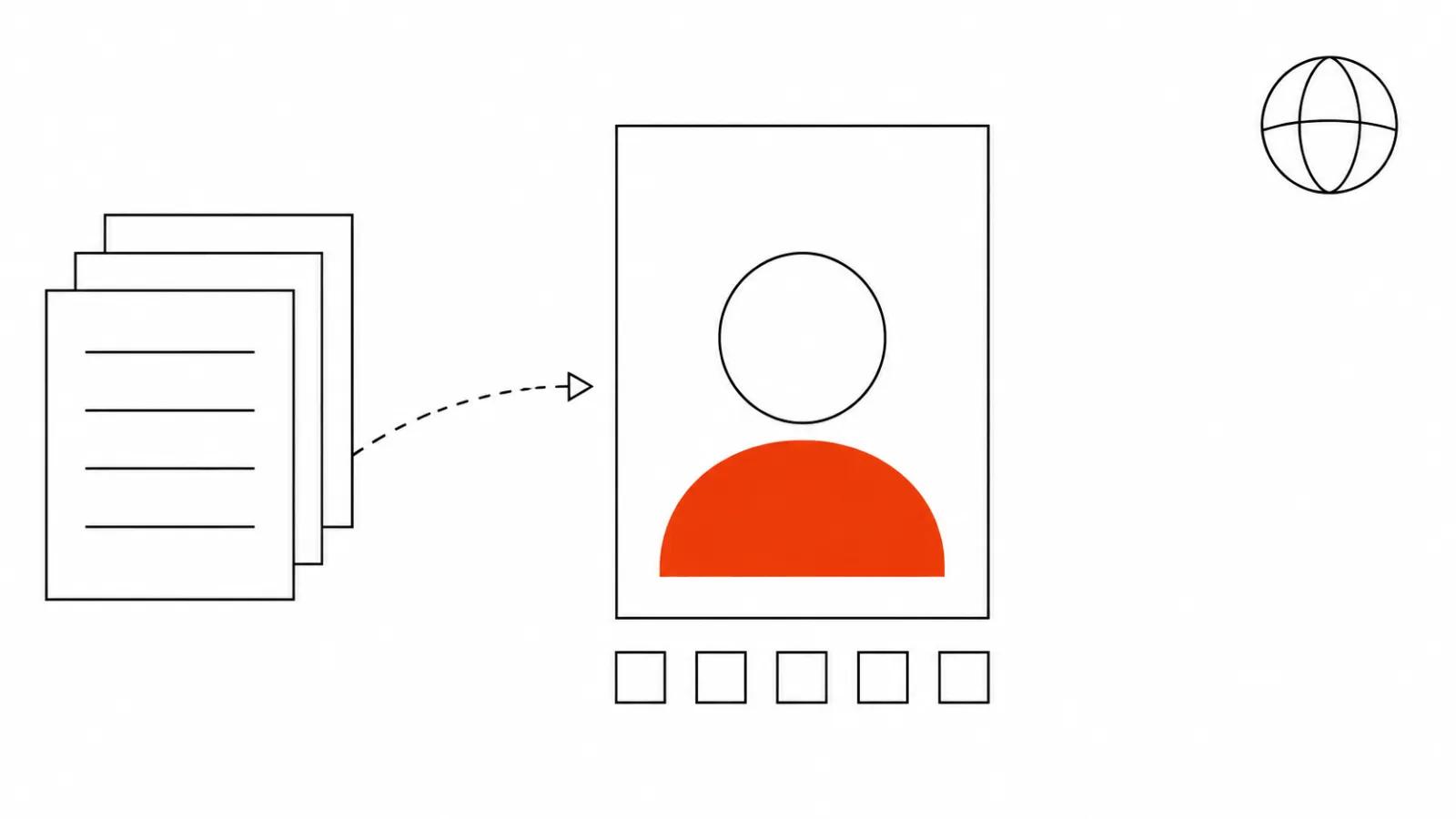
Training material has simple economics. It gets watched once and rebuilt every quarter. So the first thing I look at is how long the topic lives. A refund procedure lasts until the booking system changes. Onboarding lasts until the next product release. Safety rules last for years, and they have to be read word for word.
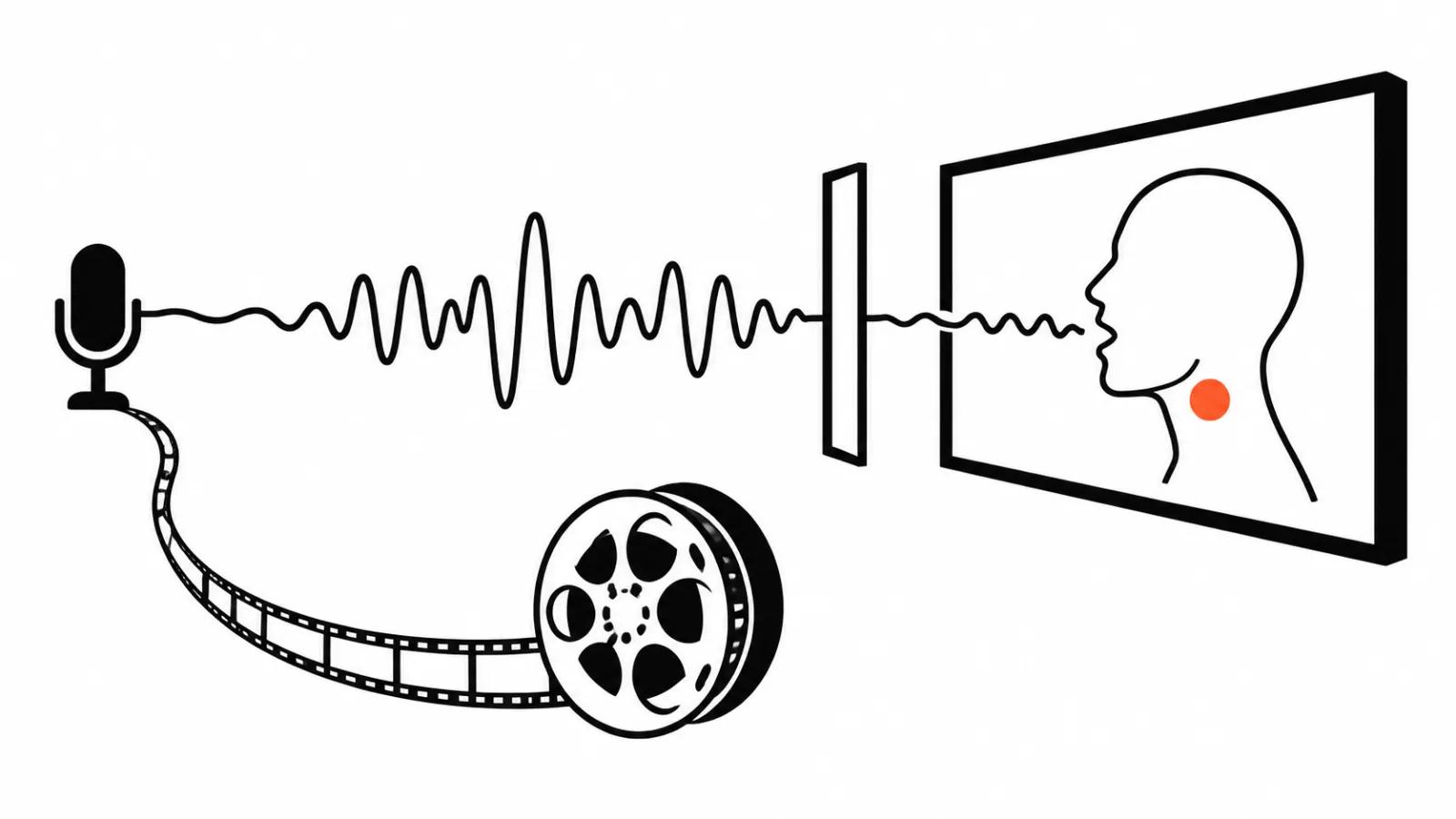
That gives two lists. Anything that changes often and needs to exist in several languages is cheaper to build with a model: the script, the presenter, the voice, the subtitles. Anything that shows real equipment, hands and a physical workplace is better filmed once. AI video production earns its money where the frame is a screen, a diagram or a person talking, and loses it where a real machine has to be in shot.
The second signal is language count. A branch in another country receives the same clip with a new audio track and the same graphics. Filming that version would need a second presenter on set.
What Synthesia shipped in November
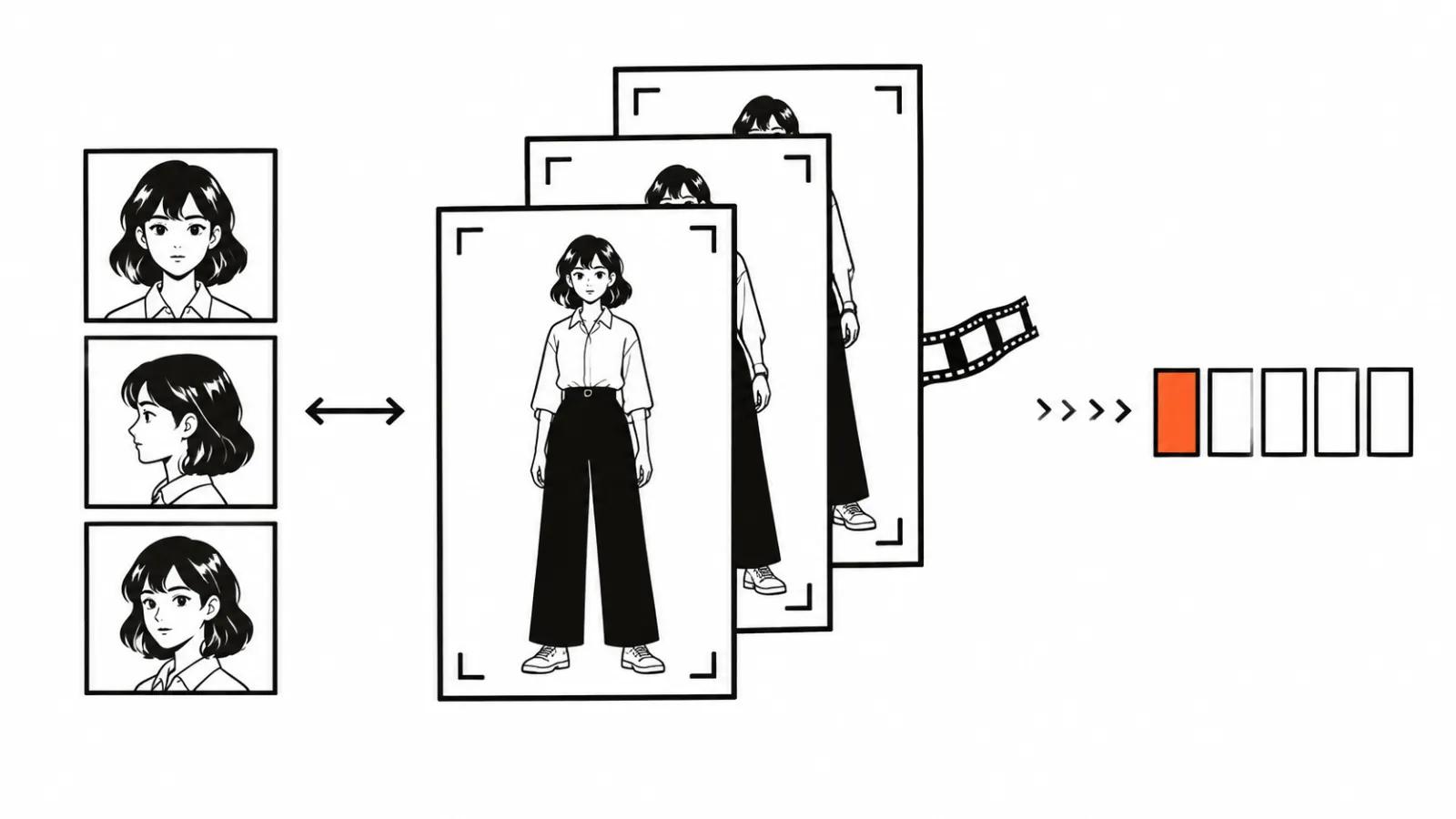
Synthesia's update log for November 2026 lists a Personal Avatar with a cloned voice running inside Syren videos. On 3 November the company showed a shot where two hosts talk to each other in the same take. The interactive avatar answers from your own material and can be embedded on a site or opened from a link with no developer involved. Remix it takes a finished clip and cuts a short vertical version. Roleplay Sessions and Survey Sessions are switched on per workspace.
For training this means one tool covers the explainer, the practice conversation with a customer and the knowledge check. Those three jobs used to be three separate subscriptions.
The script comes out of the policy document
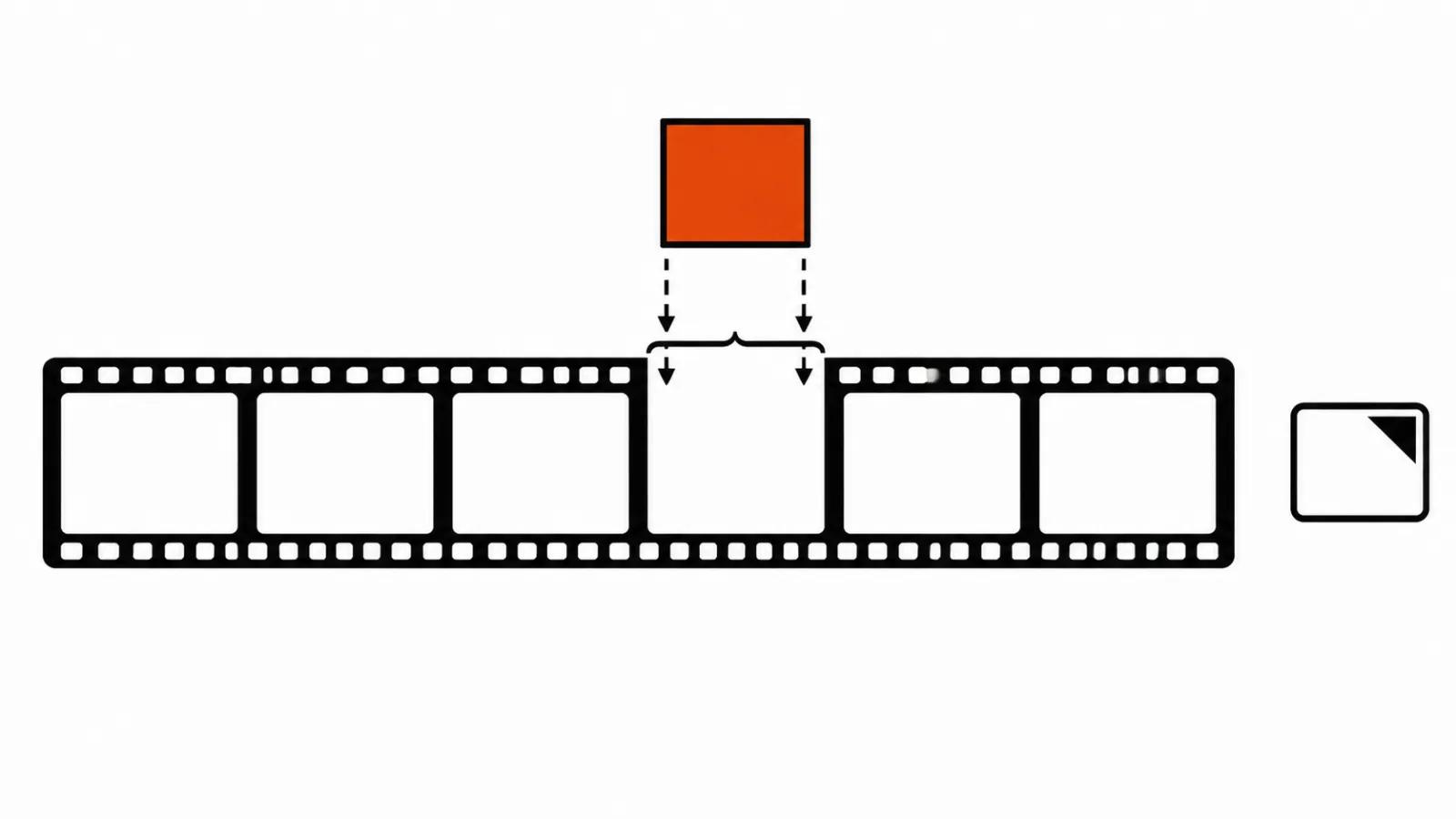
I never start from a blank page. I take the policy, cut it into steps, and turn each step into something visible: what the person sees, what they press, what comes back. A paragraph with three conditions separated by commas does not fit a frame. It gets split into three scenes of ten seconds, or into three separate walkthroughs.
The second edit removes words. Internal codes, abbreviations, references to clause numbers, none of that belongs in the voice track. The host talks about what is on screen and does not narrate buttons that are already labelled.
Length gets decided up front. One skill fits into two or three minutes. Everything longer is cut into modules, since nobody watches forty minutes in a row, even when the course is mandatory.
If the material already exists as slides, start there: the deck gives you the structure and saves half of the scripting work.
The host and the voice
A cloned voice is worth it where people recognise the tone: a note from a manager, a review of common mistakes, a welcome for a new team member. A neutral walkthrough works fine with a synthetic voice, and the viewer rarely thinks about it.
Two limits I keep. A cloned voice needs written consent from the person. Topics where a mistake is expensive, first aid or electrical work, go to a live trainer: an avatar holds an even pace and loses the pause that matters.
The look matters too. The host should match the audience. An avatar in a suit explaining warehouse work reads as somebody from another department, and that small mismatch costs trust in the whole clip.
Updates and versions: this is where it pays
A price changes, a button moves, a field appears on a form: the script gets edited, one scene re-renders, the new cut goes into the learning system. A version number and a date on the first frame kill half of the support tickets, because the employee can see which instructions they were following.
Remix it covers the neighbouring job. The five minute walkthrough is also needed as a one minute cut for a team chat or a newsletter, and that cut is assembled from the finished material with no new filming. Once versions multiply, the same logic applies as in ad versioning.
Archive search: where the folder stops working
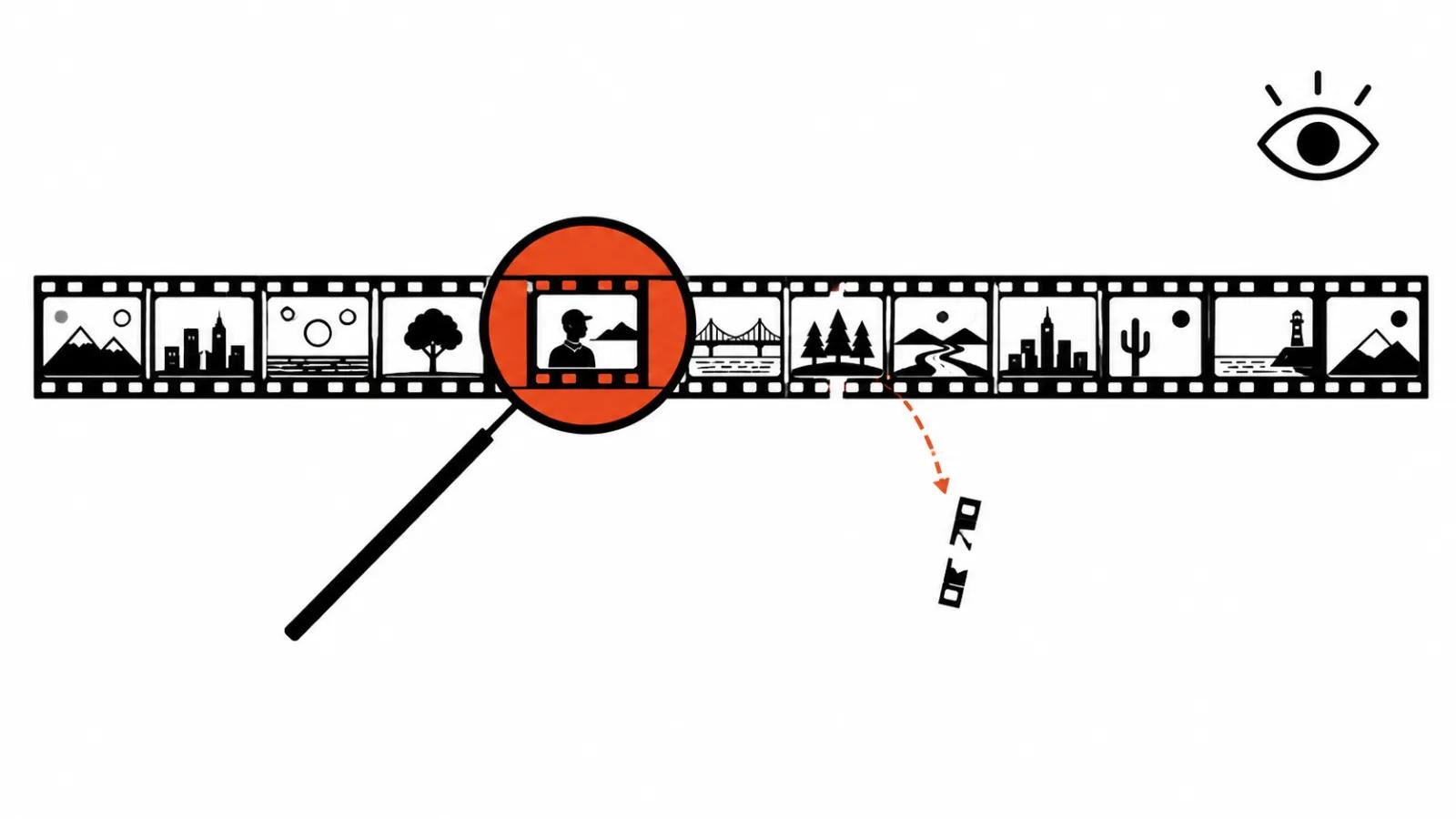
The library of recorded training grows faster than anyone watches it. On 16 November Cohere showed Video Intelligence in Compass, still in closed preview: it searches speech and what is visible on screen, and answers with a segment plus a timecode. The example from the announcement is an employee finding the demo or procedure they need inside training material. If you want the mechanics, we have a separate piece on AI video analysis and what the model actually sees.
The same day brought something closer to sign-off. HeyGen Decision 1 checks a clip against your own criteria automatically: a yes or no per item plus a score. It reads video frames and ignores audio. So a picture-versus-checklist review is covered, and someone still listens to the voice track and the pacing.
What should still be filmed
Real equipment, a tool in someone's hands, the actual workplace, goods being received, a kitchen line. An avatar loses here for one reason: viewers check movement against their own experience and spot a fake instantly.
Expensive mistakes get filmed as well. An incident review, damaged stock, what to do when a machine fails. Those clips need real faces and the real object. Training video for employees stays a camera project in that territory, and a model helps with graphics and subtitles only.
That kind of work sits in our handcrafted videos, from $190, where a person owns the frame.
My conclusion
Training video is moving from a film project to a production line, and that is the change worth noticing this year. The policy is edited on Monday, the clip ships on Tuesday, and the employee learns from the current version.
Where to start: take one procedure that changed more than twice in the last year and build a two minute clip with an avatar host. If it holds up, work down the rest of the list by how often it changes. If the topic needs hands and machinery, leave it to the camera and skip a week of experiments.
My forecast stays cautious. The avatar already covers explanation. Knowledge checks and customer conversations still need tuning on your own material, and the first two weeks go into making the interactive host answer from your documents and drop the generic lines from the manual.