Where the money goes during selection
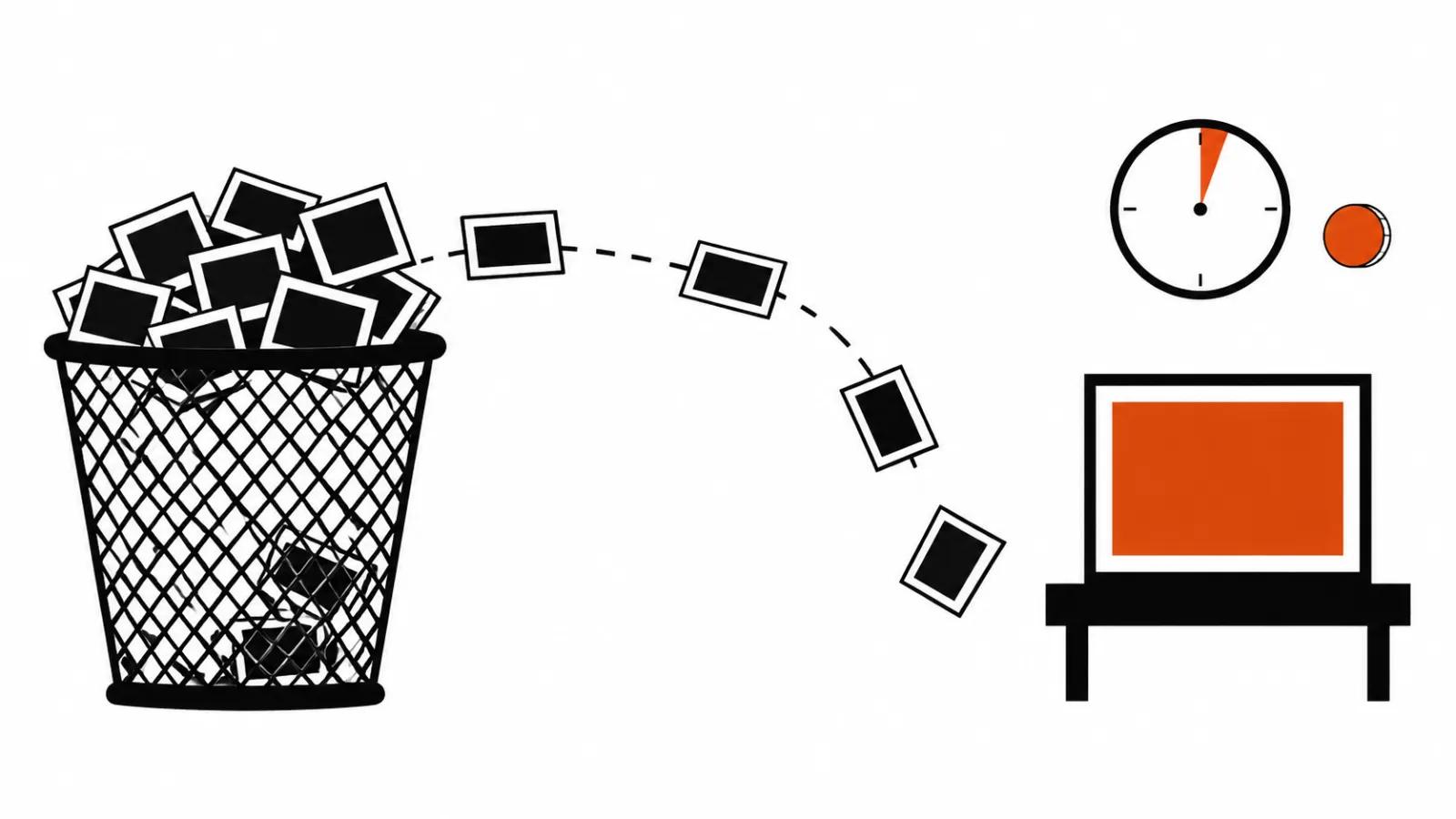
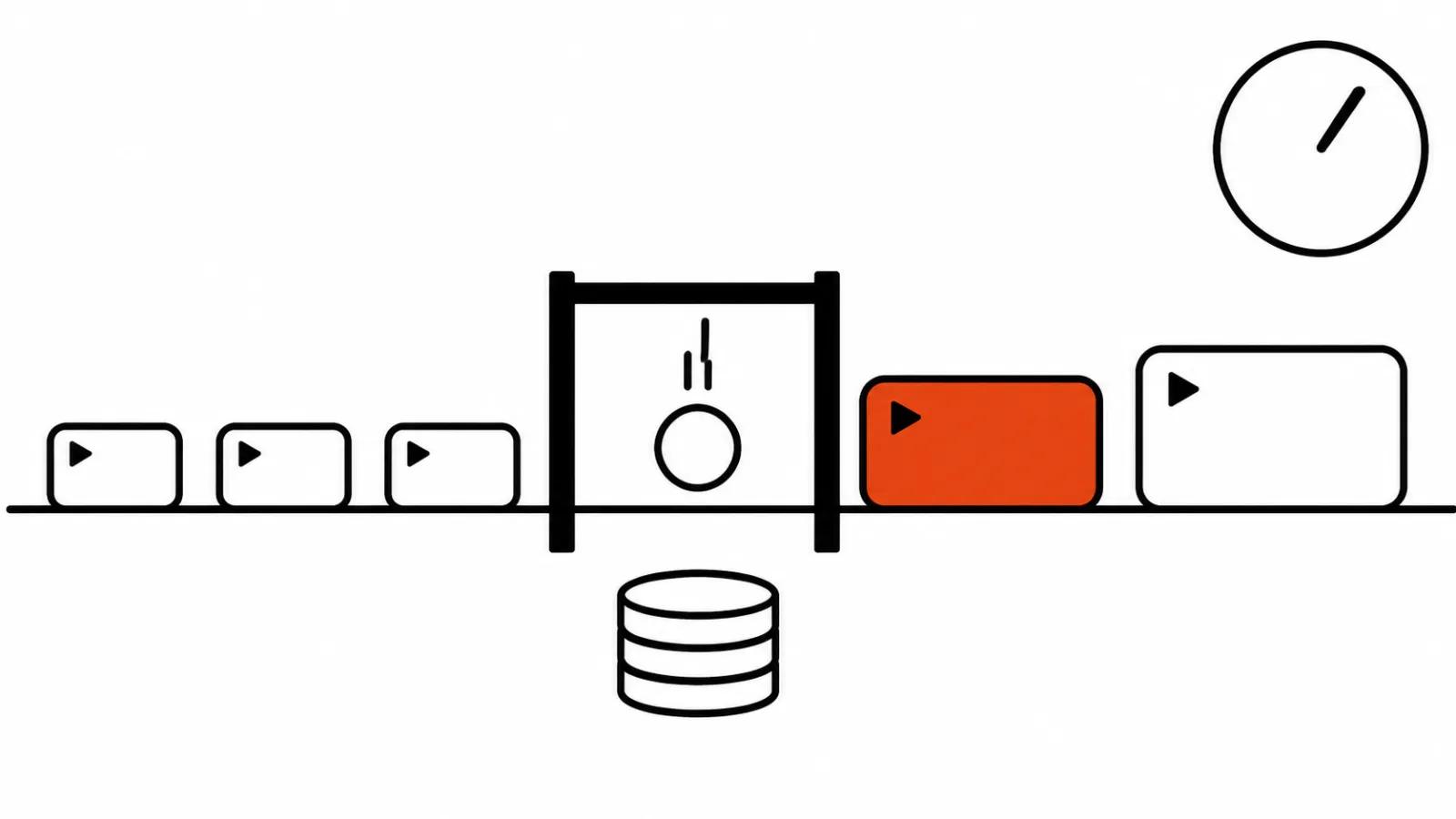
A single shot rarely blows a budget on the first attempt. The math breaks on the eighth, when eight versions were rendered at full resolution and one made it to the edit. The selection bill has two lines: renders nobody accepted, and one render that moved on.
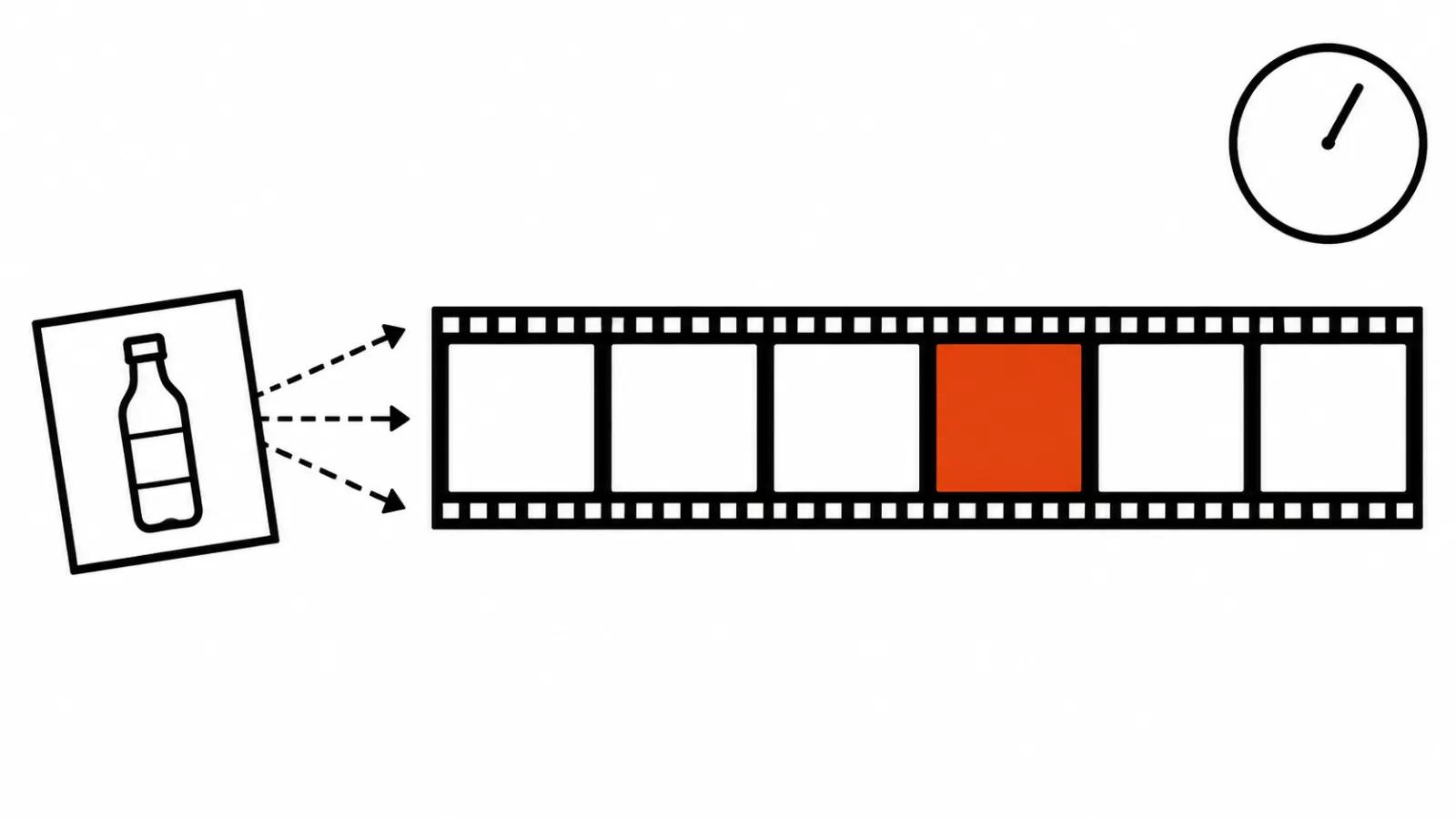
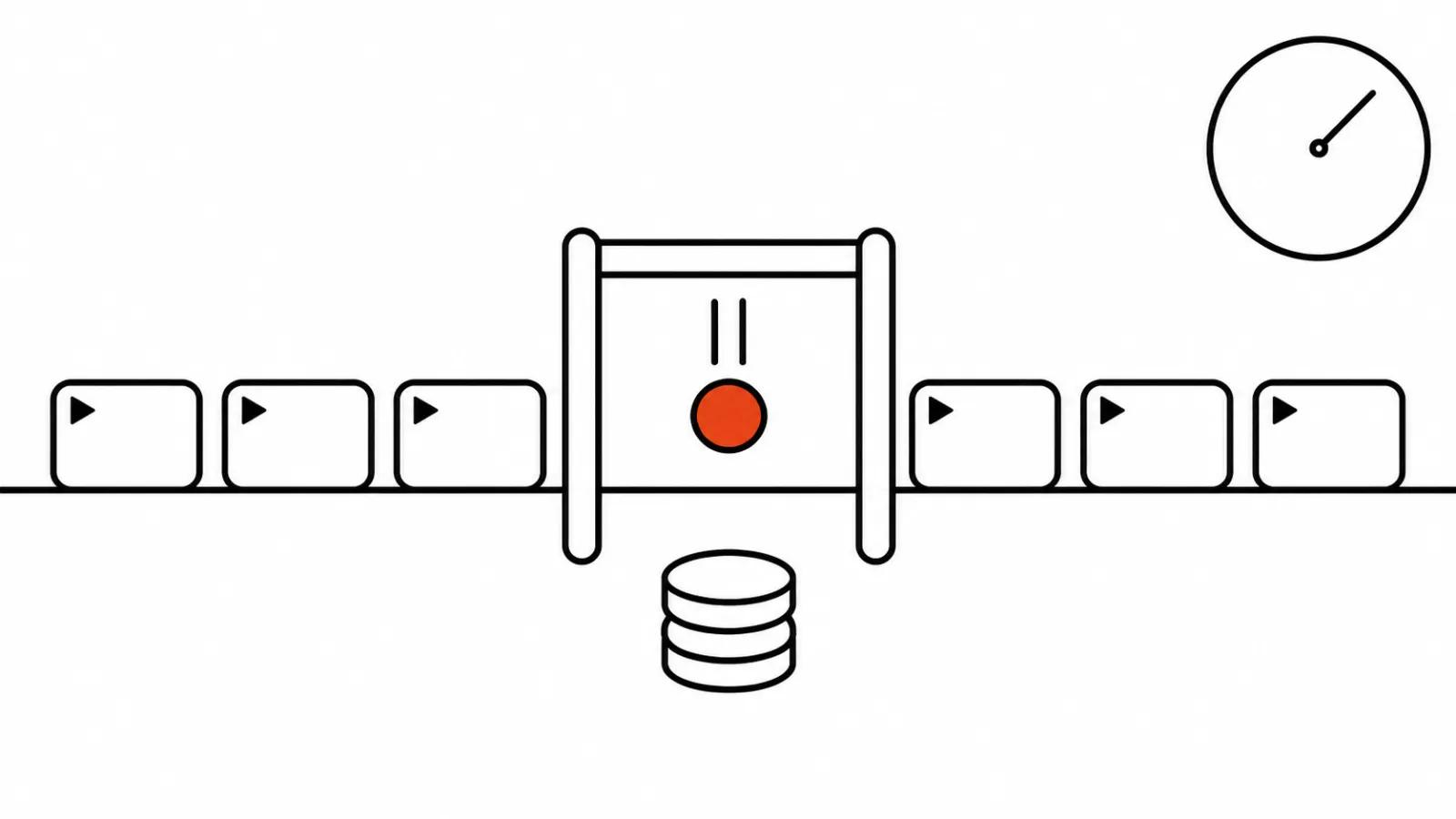
A draft is a render at low resolution. Gemini Omni 1.2 Flash drafts at 360p or 720p, Seedance 2.5 drafts at 480p in Draft mode. The final is the same shot recomputed at 1080p or 4K with the composition already locked. The split is about price: composition is paid at draft rates, and only the accepted take pays full price.
What a draft shows and what it hides
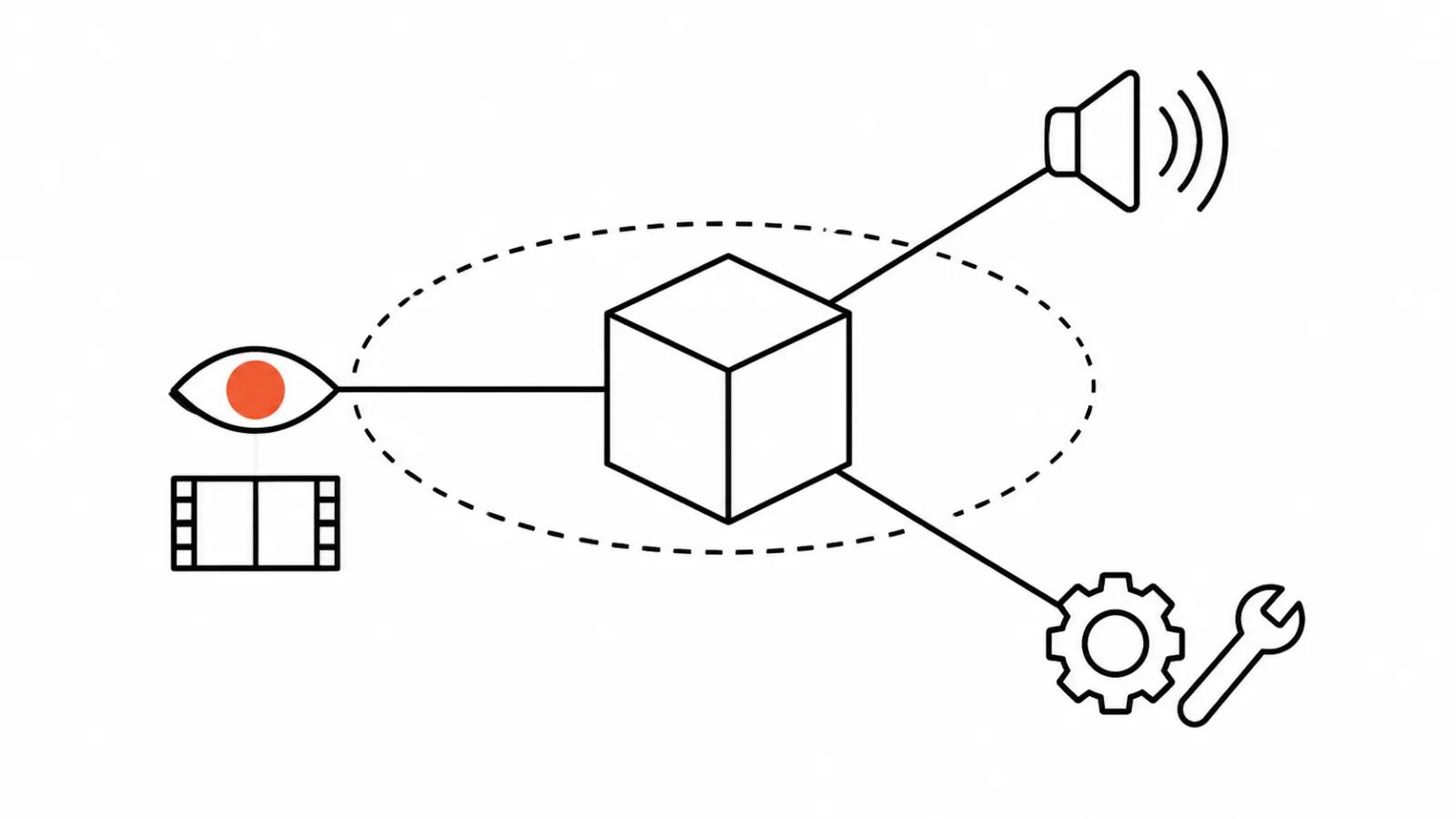
A draft shows what gets decided before the render: composition, rhythm, camera movement, gesture, direction of light, whether the subject sits inside the frame. That is enough to throw out the take where a hand leaves the edge or a blink lands in the wrong beat.
Fine print on packaging is invisible in a draft. At 480p the letters merge into a stripe, and an ad with an unreadable product name goes back for a redo after the final. Skin behaves the same way: pores, teeth and catchlights arrive with detail, which means in the final. Color lies too, because an 8-bit draft and a 10-bit final hold a sky gradient differently.
AI video cost per second
Three models, published rate cards, numbers from vendor pages.
Gemini Omni 1.2 Flash: Google Cloud announced about $0.07 per second at 720p on 17 November. A 15-second clip lands near $1.05 for one render. Drafts come at 360p or 720p, and the takes you keep upscale to 1080p or 4K.
Kling 4.0 Flash opened to everyone on 4 November: 720p, clips from 3 to 20 seconds, per the Kling API docs. Nothing above 720p on this tier.
Seedance 2.5 on Volcano Engine: a 480p draft, a final up to 4K in 10-bit color, about 6 yuan per second of 4K. A five second 16:9 shot in 4K comes to roughly 30 yuan, and the draft and the final are billed as separate tasks.
How to price AI video before you render
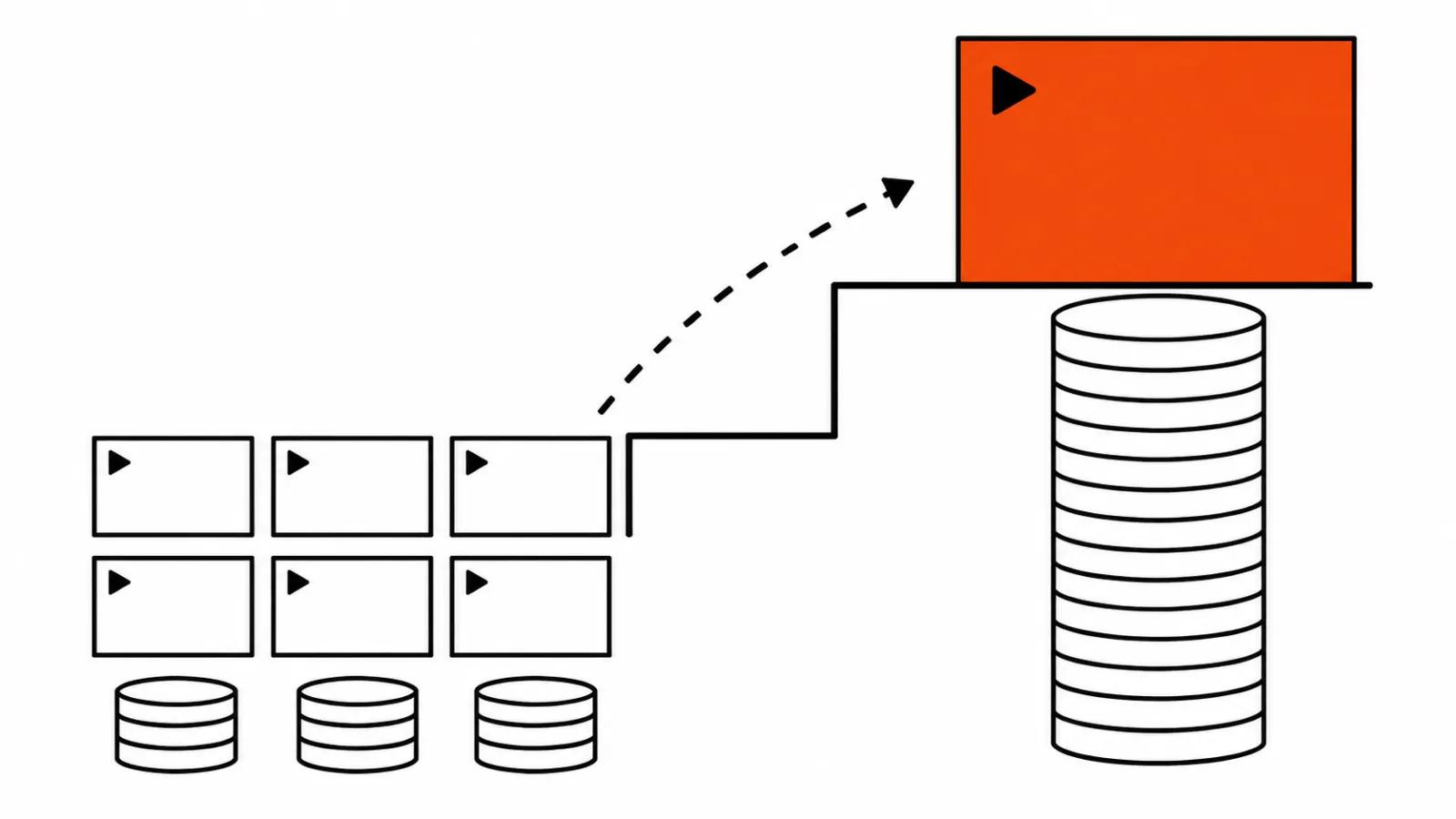
One formula: seconds times price per second times number of renders, then draft renders and finals added up separately.
A 10-second scene, six drafts and one final at 720p on Omni 1.2 Flash. Six runs at $0.70 each come to $4.20, the final adds $0.70, so a little under $5 for one scene of selection. Run the same six attempts at final resolution and the bill multiplies, since the per-second rate climbs with resolution and bit depth.
Eight drafts and one final is a normal order for a scene the client has never seen. Eight finals and one draft is how a month of budget disappears into a single shot.
Seedance 2.5 has its own wrinkle. The draft and the final are two billed tasks, and draft tokens do not count toward the final request. Draft mode saves on iterations and does not make the finished shot cheaper.
When the draft lies and the final looks different
Three mismatches show up most often.
Artifacts that low resolution hides. At 480p a smeared hand reads as motion; at 4K you see two fingers fused. The model draws both takes with the same confidence, so the draft works as a softness filter.
Faces. A face in a draft looks like the person. In the final the teeth, the asymmetry and the shine in the eyes appear. Check faces at full size, frame by frame, or the viewer on a phone finds the flaw first.
Color. An 8-bit draft and a 10-bit final distribute gradients differently. Picking a skin tone from a draft is pointless, while composition and gesture are perfectly readable there.
The order: key frame, draft, selection, final, check
One sequence, and it costs less than improvising.
Start with a key frame. A single image with the composition, light and product angle you want. It costs less than any video render and shows the vertical format problem early: whether the subject fits, whether a logo gets cut.
Then a draft at low resolution, ideally in short pieces. Selection happens in the edit, with versions side by side, so the rhythm argument is about the cut and not about taste.
The final runs once, on the chosen take. After it, check text and faces at full size and watch the clip on a phone, where compression eats soft transitions.
What a mistake costs
A mistake in the key frame costs one image. A mistake in a draft costs one cheap render. A mistake in the final costs a full 4K render plus the time to check it again.
A rerender also costs calendar. While 4K is rendering, the edit sits idle, the voiceover waits, the client waits. With vertical ads that multiplies by the number of versions, and the price of a mistake grows with every scene in the set.
So the brief gets signed off on the draft. Product angle, gesture, duration and the line in frame get settled before the final, when a fix costs one cheap render.
Bottom line
Saving on selection works. Saving on the final does not. Pricing seconds, renders and resolution once is cheaper than recomputing 4K across a series.
The rule is short: draft at 480p or 720p, select in the edit, render the final once, check at full size. Models turn over every month and the order of work does not change.
One last thing. A client is calmer when the quote is written in renders. Renders can be cut. Hours cannot be argued about.
For this kind of work there are services: AI video production. Related reading: 480p draft in Seedance 2.5; why 4K costs more.