What Beeble shipped on 10 November
Beeble published its SwitchX 3.0 breakdown on 10 November 2026, and the research page on the company site is the only primary source. SwitchX is a video-to-video model: it repaints the background, the light and, in Beeble's own wording, literally anything else in finished footage, and it promises production quality.
What holds me in this release is one mechanism inside it. That mechanism decides whether this kind of edit goes into an ad pipeline or stays a two minute demo.
How AI changes the background: Source-Locked Rendering
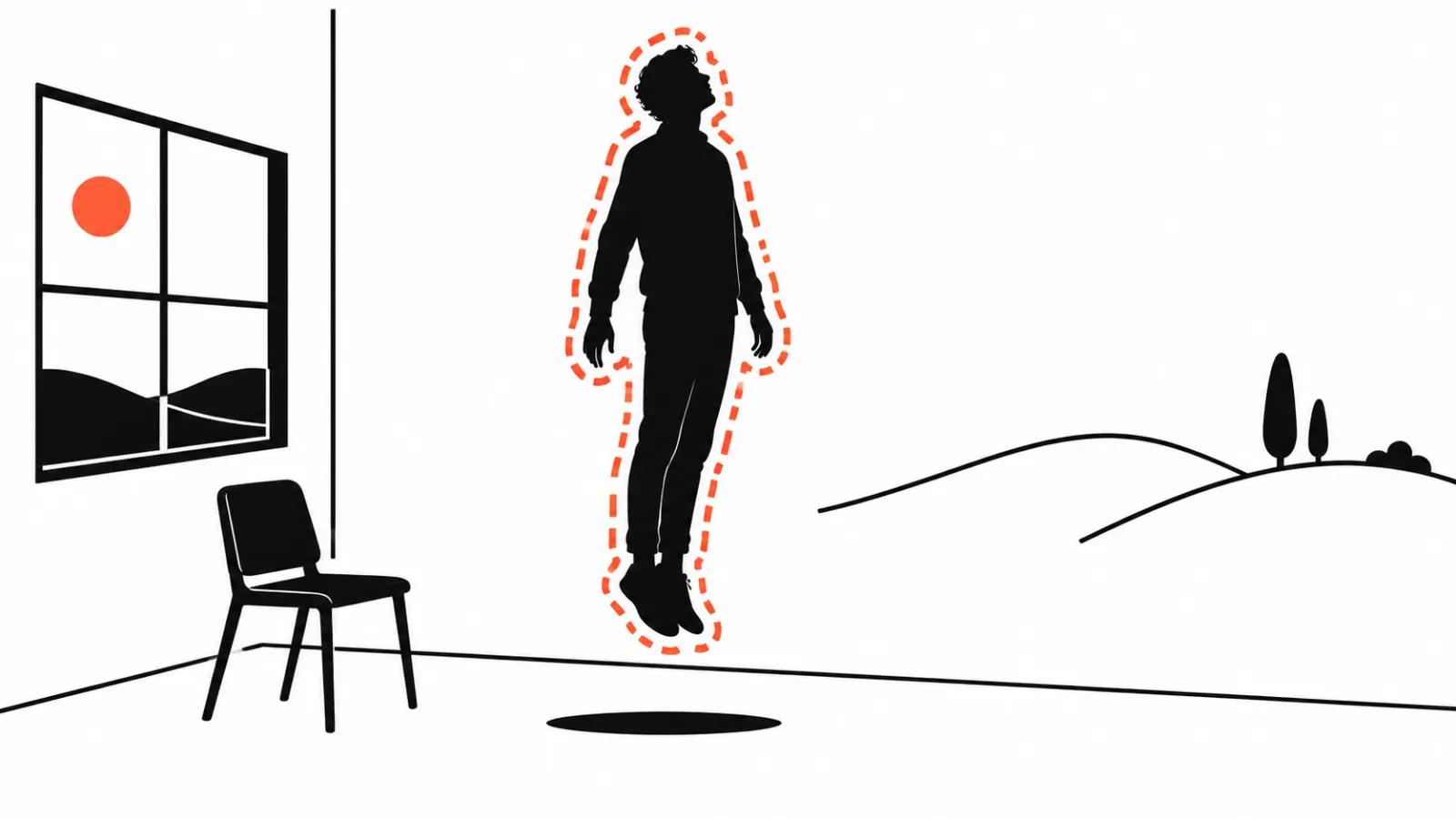
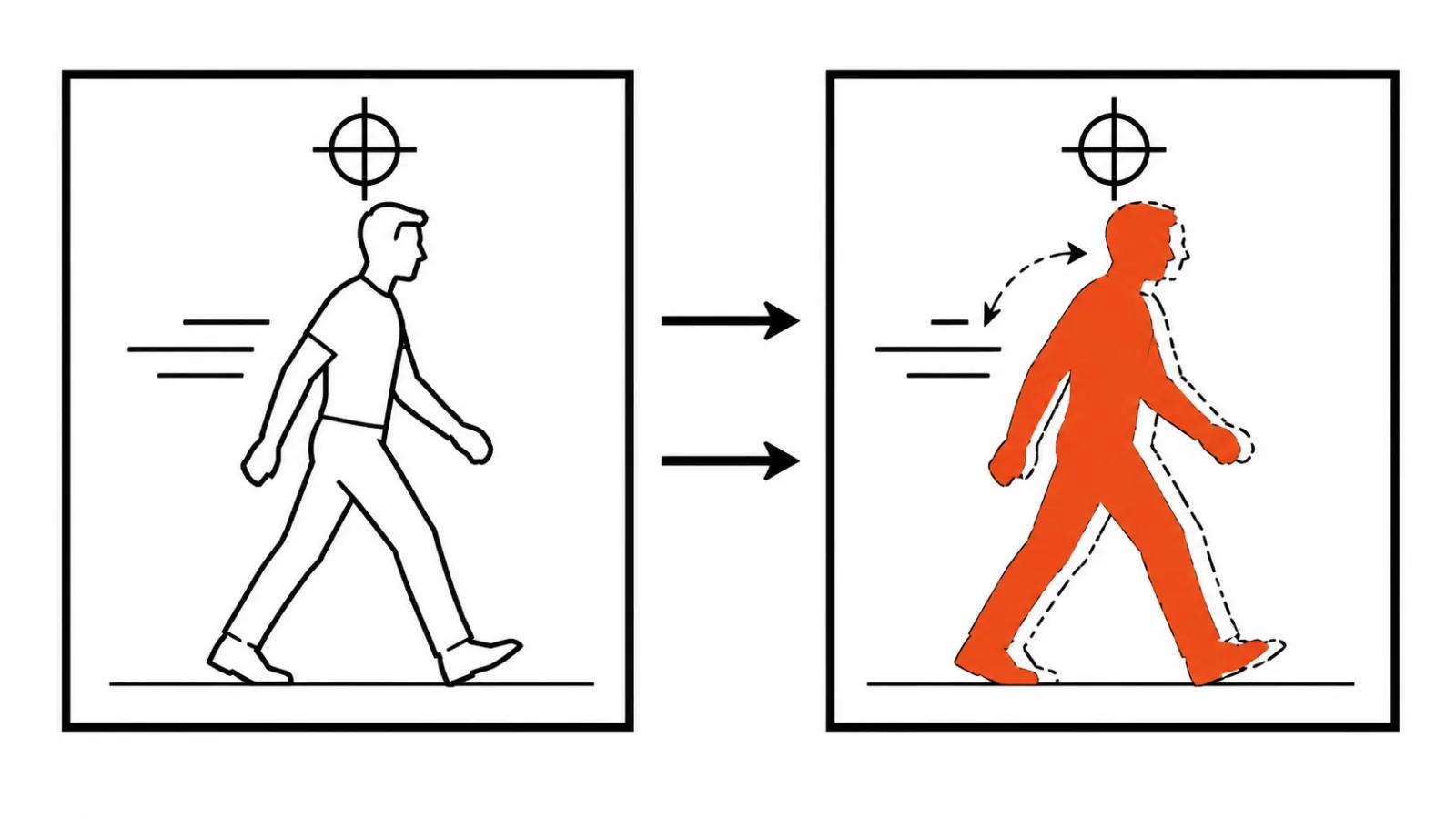
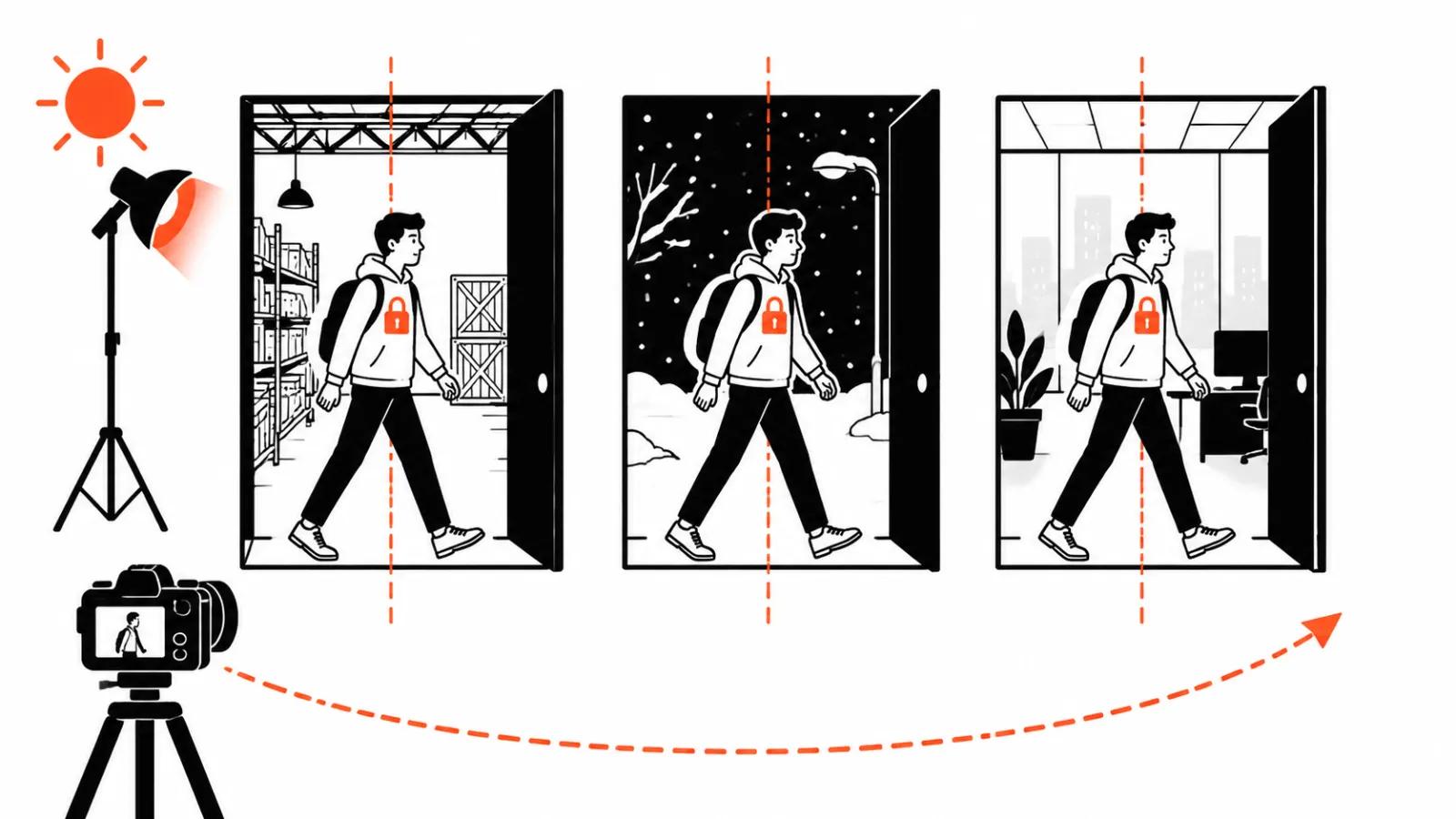
The heart of SwitchX stays the same in 3.0: Source-Locked Rendering. By the alpha, meaning the mask, the actor's performance is fixed pixel for pixel and frame for frame. Only the light and the world around it change.
It reads like a line from a technical note, and it answers the oldest complaint about background replacement. A generative model usually repaints the entire frame, and face and hands drift without anyone noticing. Here the performance is locked, so a walk down a corridor stays the same walk while the walls around it become something else.
Under the hood sits the open MiniMax H3. Beeble took it apart and rebuilt it for a single task, with its own dataset and its own architecture. On top of that there is a final pass up to 4K that reads the source again for detail.
Four new things: references, motion, camera, prompt
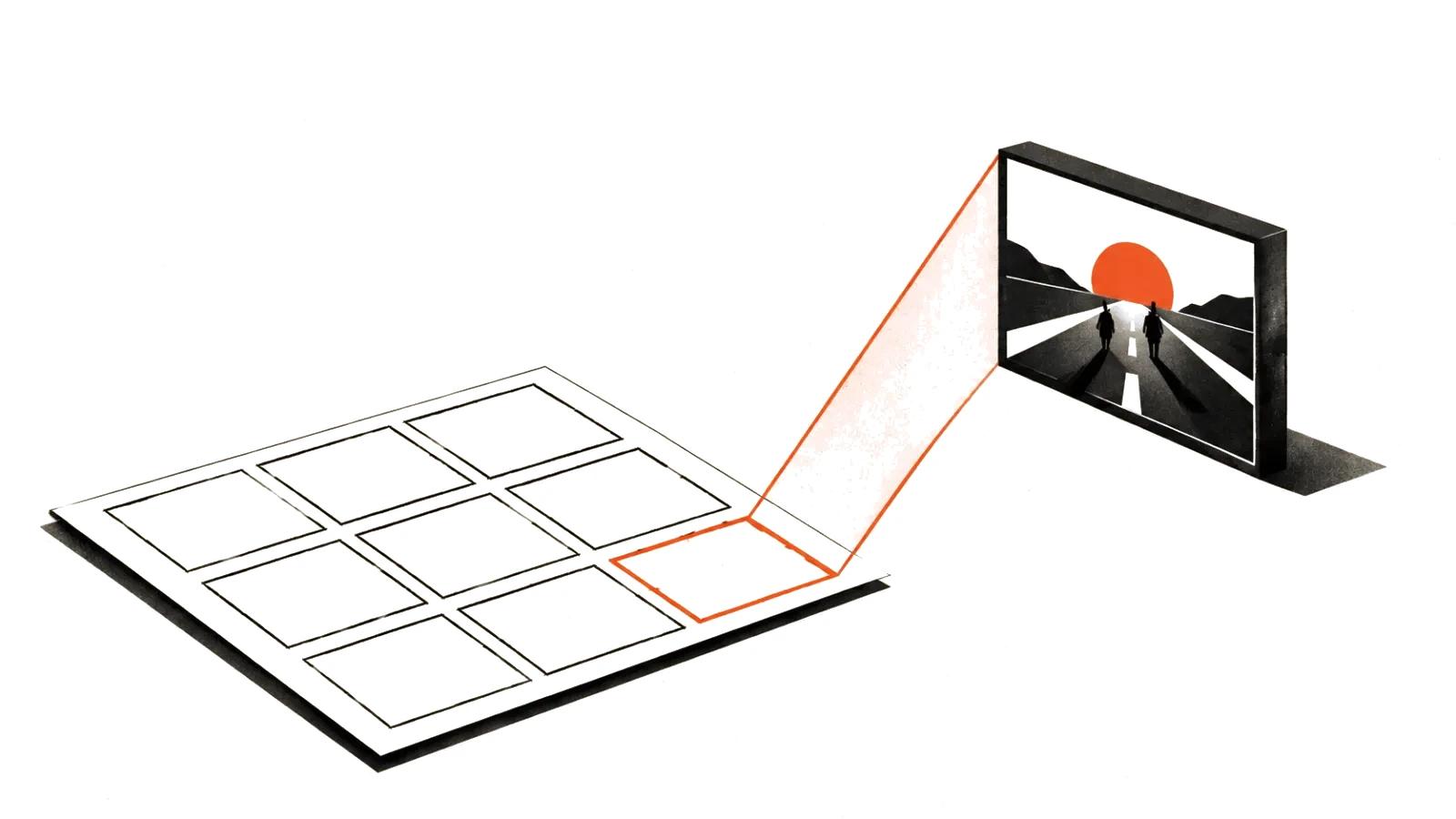
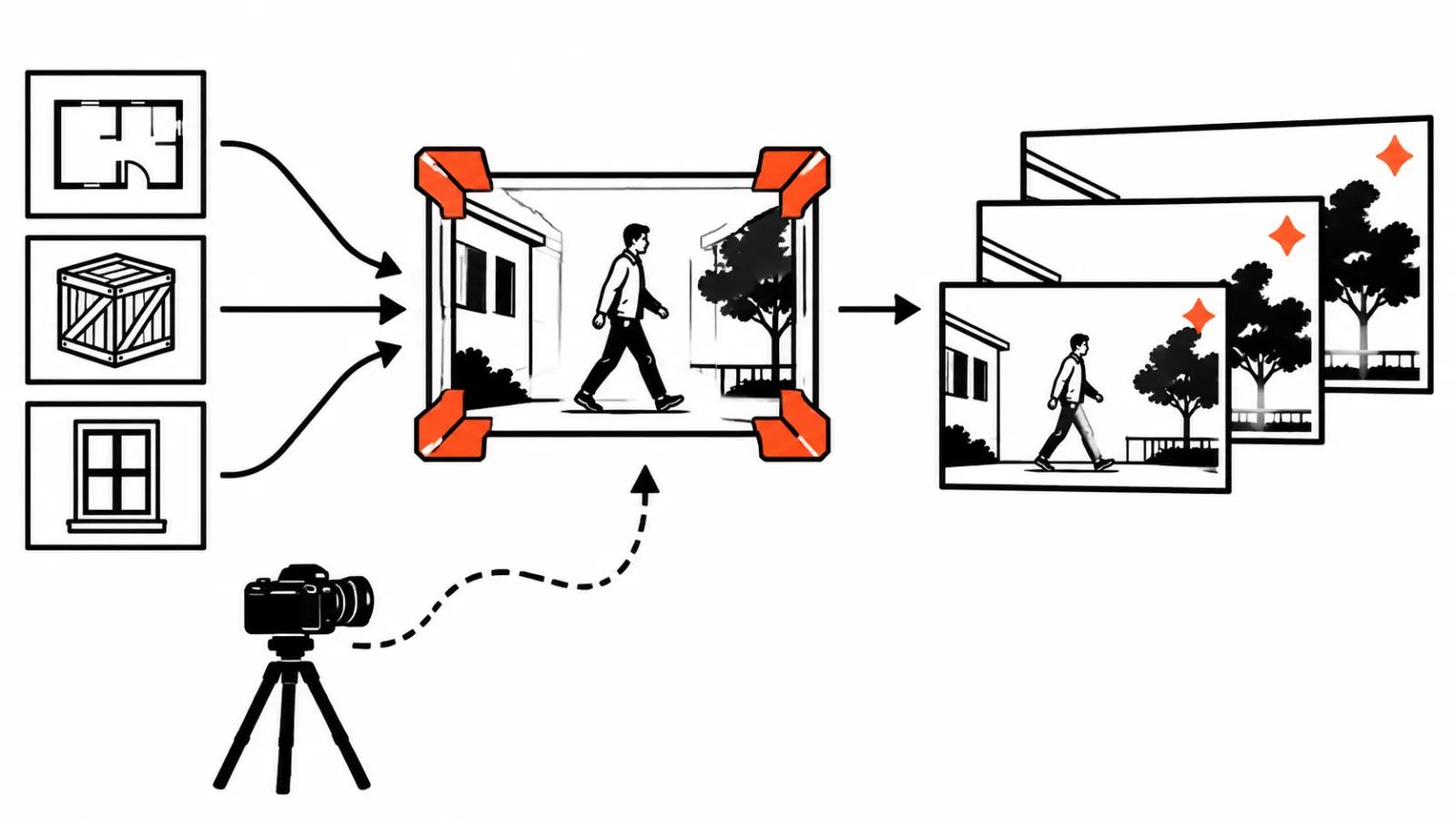
First, up to four reference images per job. A wide shot of the location, a close up of a prop, a storyboard. In Beeble's example a floor plan plus one image per room turns a walk along a green screen corridor into one continuous shot.
Second, a moving background. Traffic passes, a crowd walks by, snow falls, smoke drifts, fireworks go up. The background gets motion it never had on set.
Third, camera tracking. Handheld, orbit, running. No markers on the floor and no match move in comp.
Fourth, prompt control. The request describes what happens in the scene, how and when. From the company's examples: pigeons take off as he runs past, lamps switch on one by one. The event sits in the same prompt as the picture of the world.
What it changes on set
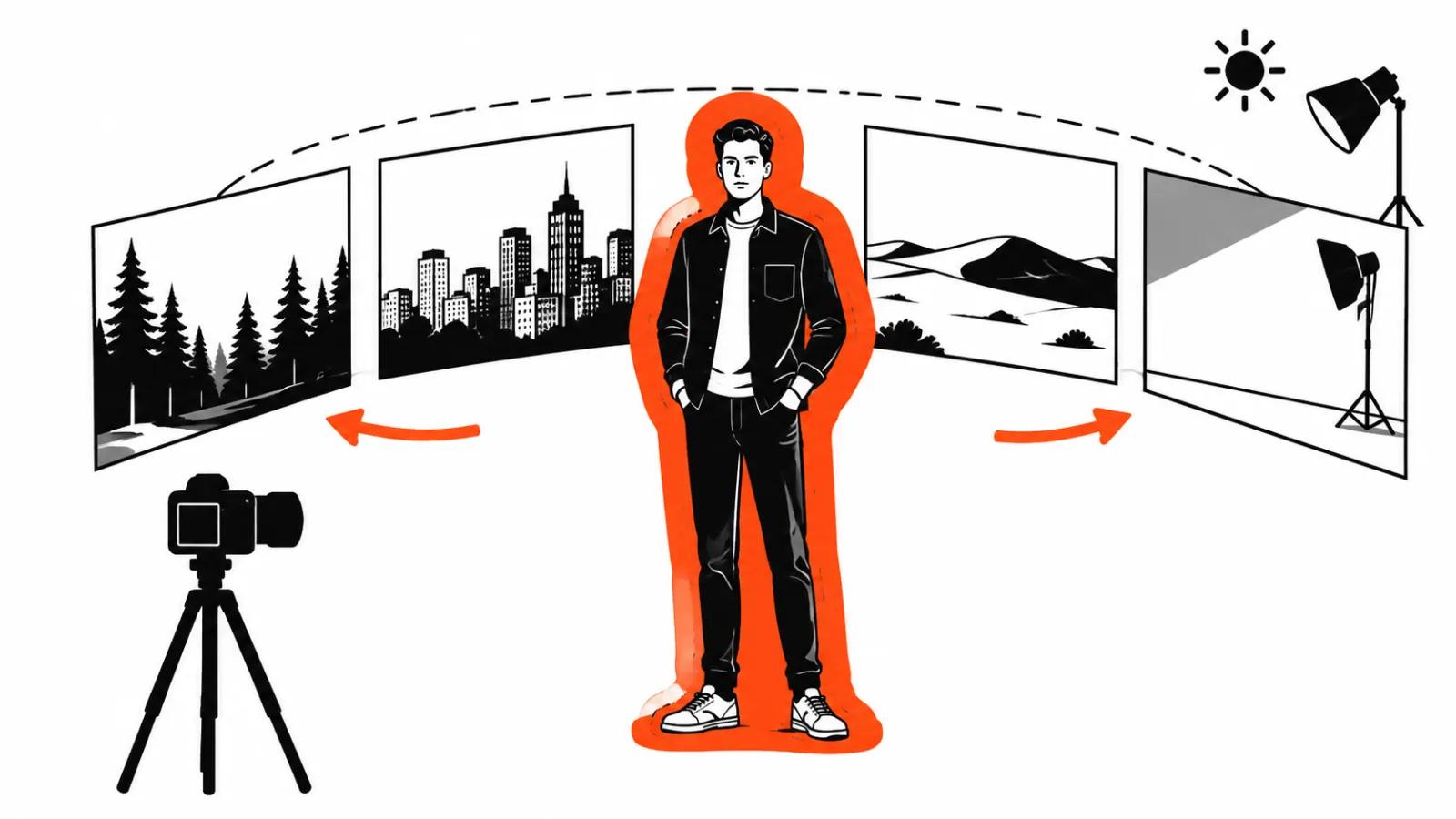
If the performance does not drift, a green screen shoot of one person becomes a dozen locations without a reshoot. You walk the corridor once on a neutral backdrop, then put a corridor, a street and a hall behind the actor. The budget moves more than the picture does: the travel day, the lighting day and the second shoot day leave the list.
Light is its own line in that list. Beeble changes it along with the background: the performance inside the alpha stays, and the person picks up the light of the new scene. On set that can mean one lighting setup instead of several.
The limits are predictable. Hair edges, hands, translucent props. And the honest caveat: every example in the announcement was made by Beeble from Beeble footage, so your own files need a check on those edges before you promise a client a finished shot.
Delivery for VFX
For comp, the wrapper matters as much as the frame. SwitchX 3.0 outputs 4K and 10 bit colour, the frame count matches the source, and the aspect ratio stays put. The result drops onto the timeline with no conform gymnastics and no retiming.
How to change a background with AI in ads
The workflow is simple: shoot a real person on a neutral backdrop, build the locations later. One actor, one light, then a warehouse, a winter street, an office with floor to ceiling windows. AI video production covers exactly those scenes where the same performance needs a new world around it.
Vertical ads gain the most, because every format wants its own texture behind the actor and the source is one file. Handcrafted videos, from $190, stay for projects where staging and the whole edit matter. Replacing a background in video with AI is covered in a separate guide, with the general work order and the edge check.
Access to SwitchX 3.0 runs through the Beeble cloud app, a node in the canvas, or a dedicated SwitchX page. The announcement carries no prices, so there is nothing to budget yet.
My conclusion
The release hangs on one line: the actor is locked. While the performance holds, the saving on reshoots is real. Without it, the saving falls apart on the first close up.
My own test would start with three frames: hair against a backlight, a hand near the face, a fast run with a handheld camera. If those three hold, a series is worth discussing. If they do not, shooting a second location is the cheaper answer.