What Block actually shipped
Jack Dorsey announced Dessa in a short post on X at 18:23 UTC on 23 October, and Block put up a page with recorded live conversations. There was no model card, no benchmark table, no pricing.
Block's wording is careful. It calls Dessa "the most authentic full-duplex speech model ever built" and says that, as far as the company knows, it is the first AI you can have a realistic live conversation with that was trained only from human speech. Those are company claims, untested outside Block.
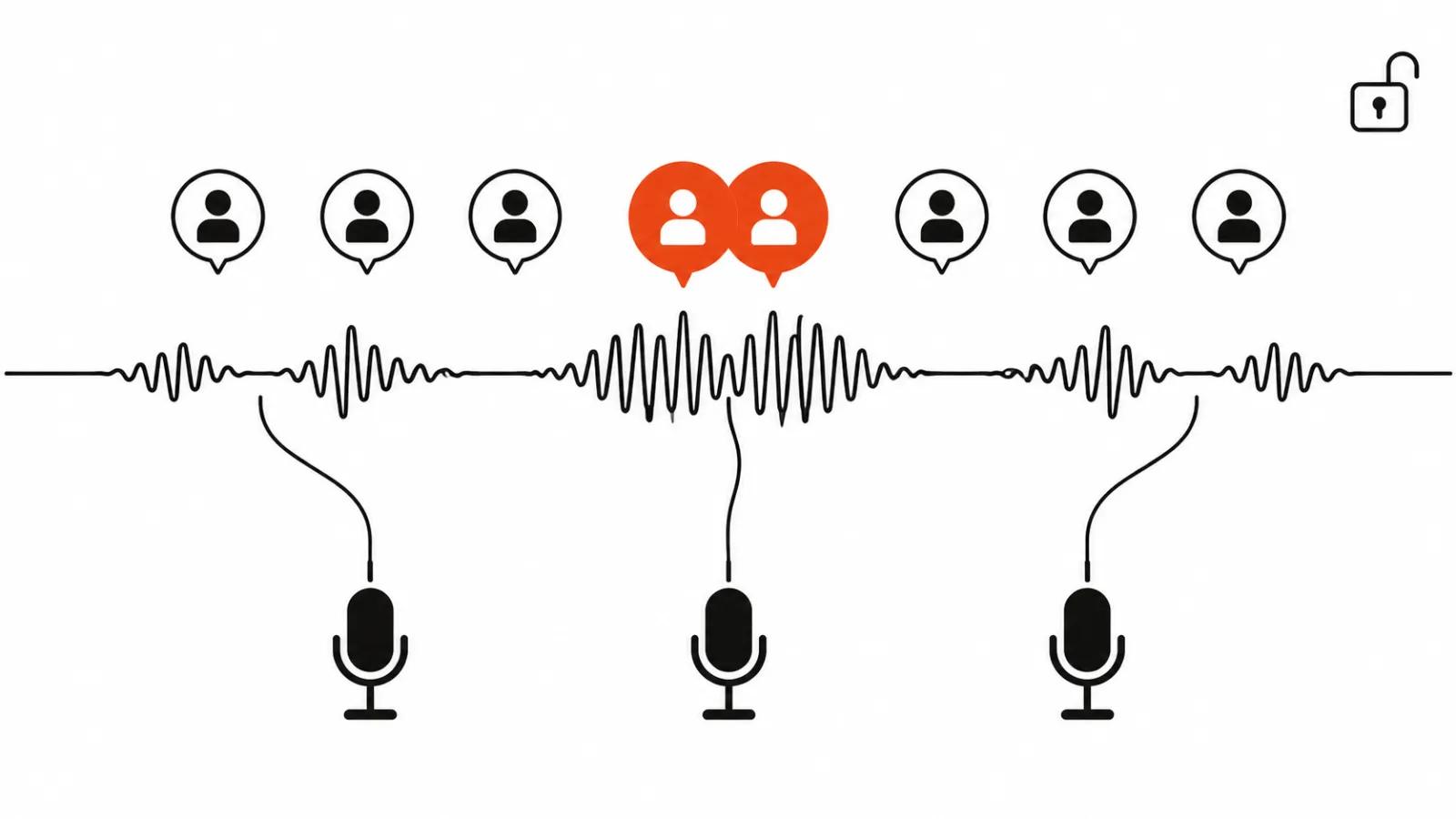
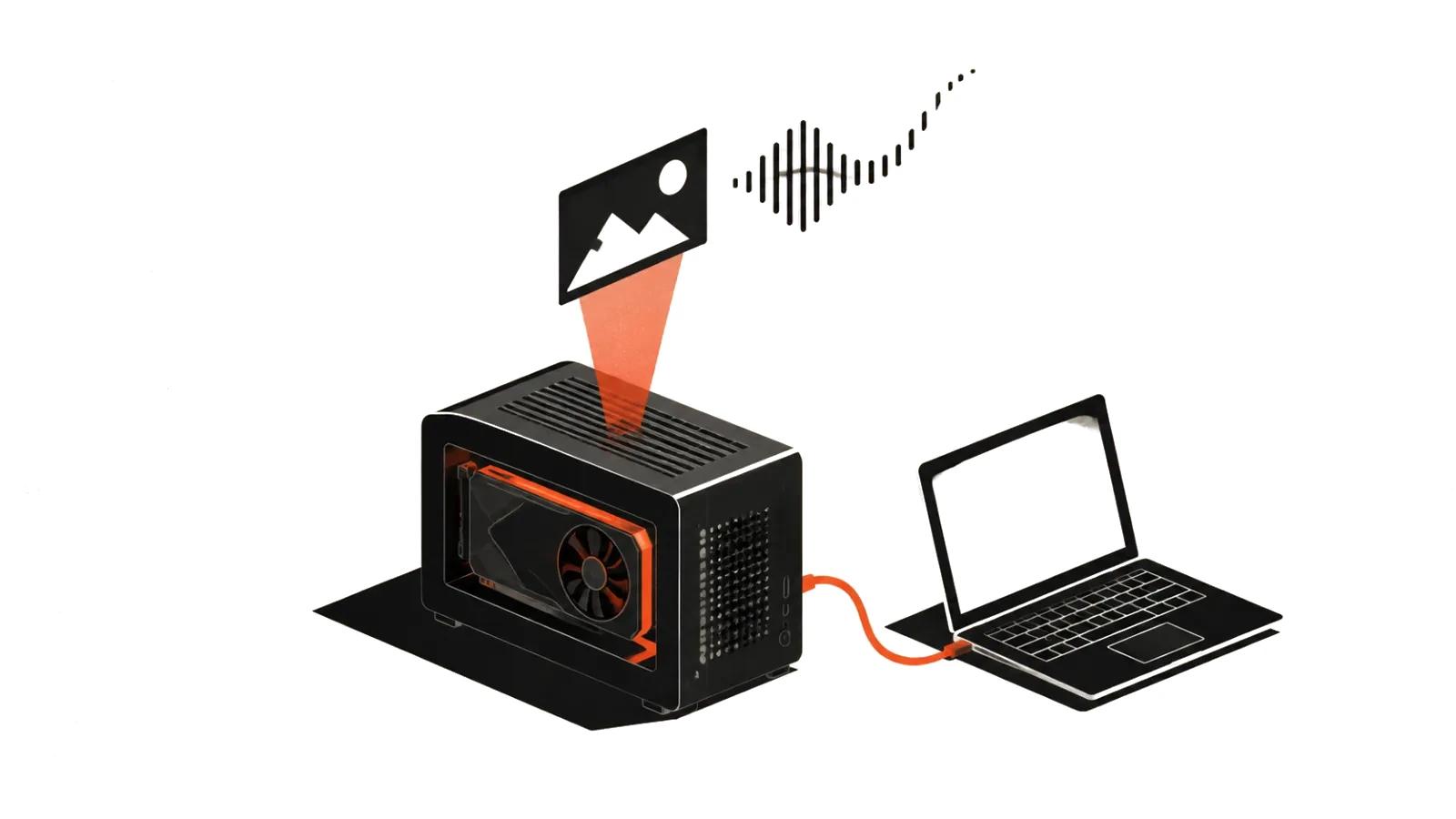
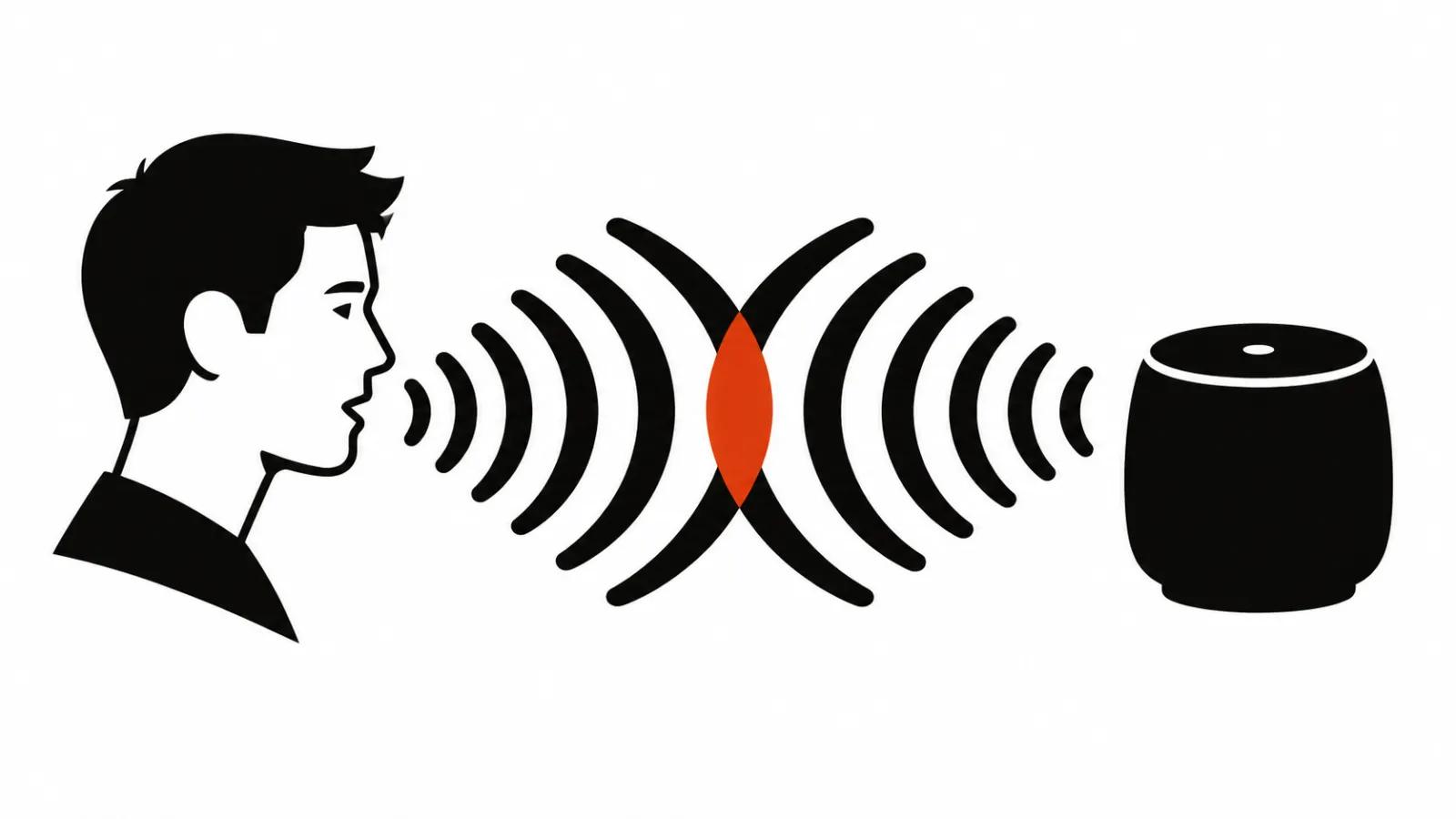
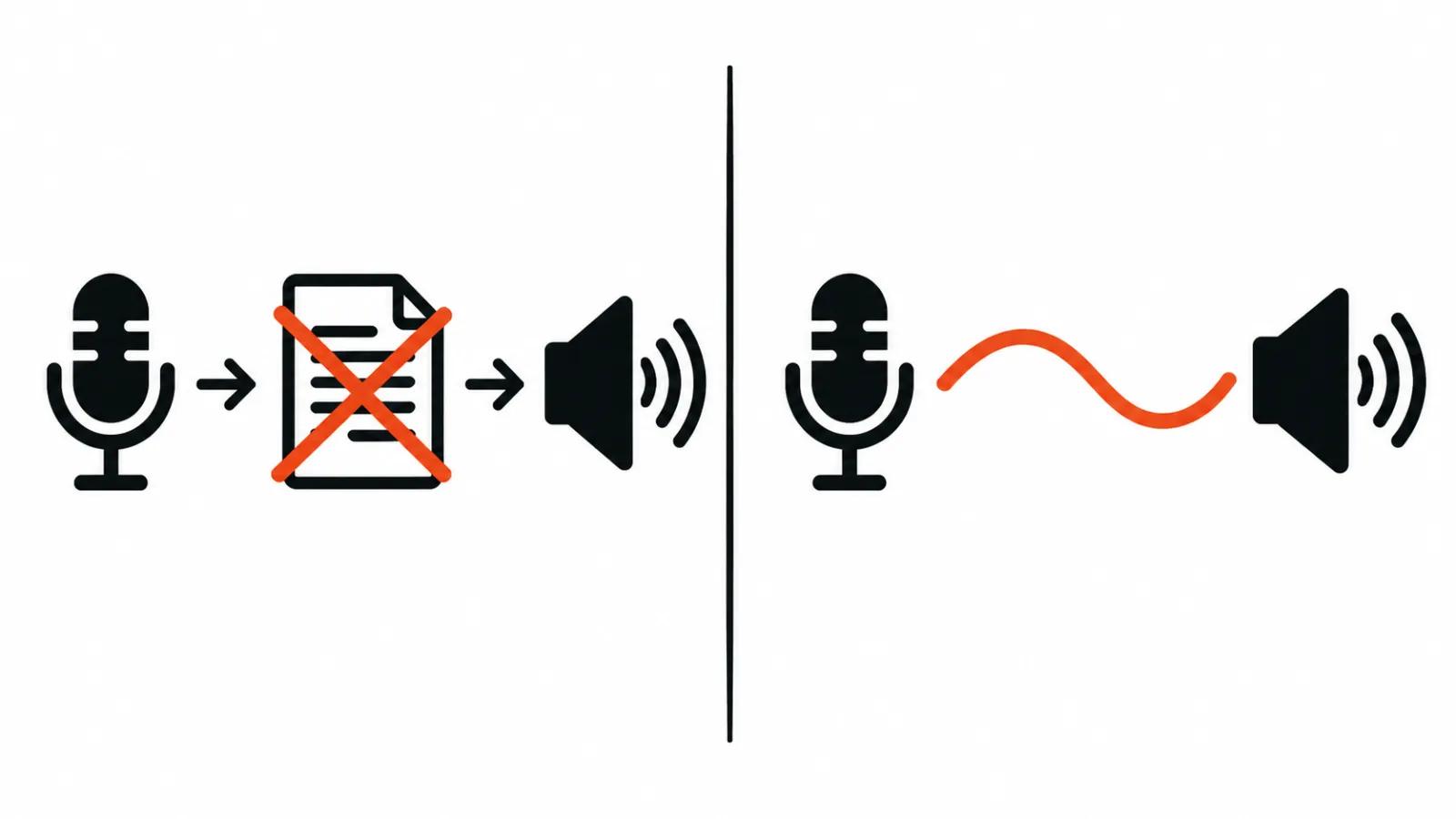
The technical claims are specific. Audio goes in, audio comes out, with no text in between. The model is full-duplex, which means it listens and speaks at the same time, without waiting for its turn. Inference runs faster than real time, and it runs locally on a MacBook Pro M4 Max or better.
Speech as the only training signal
The strangest thing about the project is what is missing. A normal voice assistant is three systems stitched together: speech recognition, a language model, and a speech synthesizer. Dessa was trained from scratch on human conversation and nothing else. There is no text corpus and no pretrained language model inside.
That produces the behaviour you can hear in the clips. Dessa laughs in the middle of a sentence when something is funny. It gets louder when asked to speak up. It finishes a movie title when the person blanks on it, and it drops short backchannels at the right moment. None of that is scripted by the user.
In a text pipeline all of this disappears at the first step. Recognition keeps the words and throws away how they were said. The language model answers the meaning, and the synthesizer reads it in a flat voice. That is why most assistants sound polite and identical even when the caller is furious.
Why dropping text is expensive
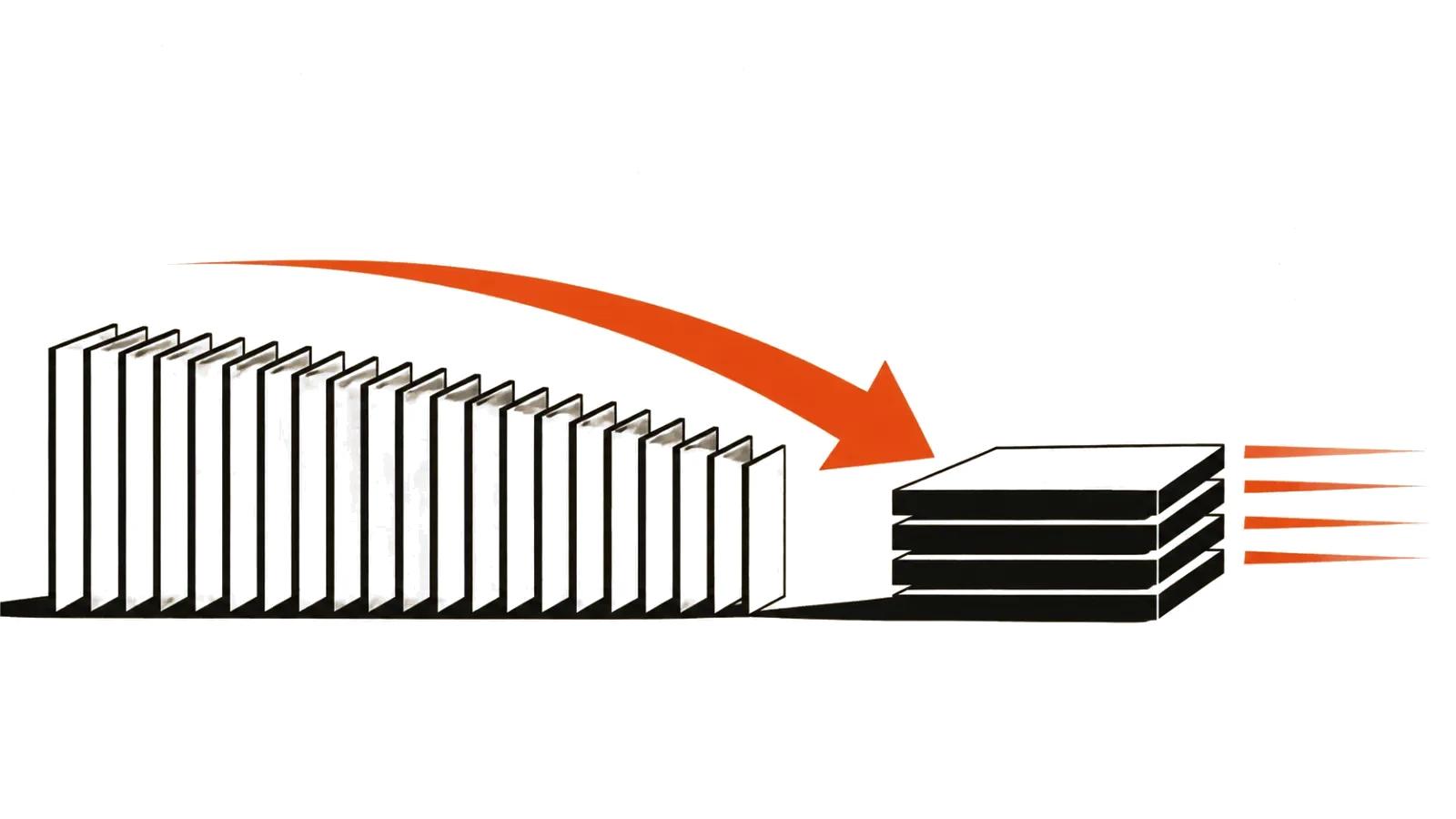
Block says Dessa learned language from hundreds of times fewer words than a language model. The comparison is not entirely fair, and the company admits it: LLMs also learn code.
The real difficulty starts after that. Speech never repeats. Say the same sentence twice and you get different data: another pause, another volume, another breath. A spoken word takes thousands of times more bytes than the same word in text. A model with no text to lean on has to extract grammar and facts from a very noisy signal.
One more detail is worth keeping: Dessa was trained on a single Nvidia GB200 NVL72. That is one rack of accelerators. A cluster of thousands was not required. For a small lab, that says the direction does not need hyperscaler money.
What this means for AI video production
AI video production usually treats voice as a finishing step: write the script, generate the speech, fix the lip sync. Dessa points at a different workflow, where intonation comes from a conversation, with no bracketed directions in a script. For interviews, explainers, and dialogue scenes that is closer to how actors work.
It is not a tool you can use yet. There is no public API and no price, so there is nothing to put in a budget. Block has given early access to a small group of AI safety researchers who are supposed to find risks the company has not anticipated.
Where the risk starts
A synthetic voice that hears emotion is more convincing than anything that came before it. The same quality makes it a better tool for fraud. Block knows this, which is why it is recruiting outside researchers. The company says plainly that a model which learned to talk from sound alone is new territory, and it wants outside eyes on the risks its own team has not anticipated.
The second risk is quieter. A voice that backchannels and laughs at the right moment earns trust faster than a neutral one. In services where people make decisions about money or health, that is an ethics question about the interface.
The third risk is data. The model learned from human conversations, and Block has not said where those recordings came from or how consent was handled. Until a technical report appears, that question stays open.
Who benefits first
Dialogue products gain first: support lines, training simulators, tutoring, game characters. They need timing more than beauty, the ability to shut up and the ability to interject.
Video work gains later. Short-form video at scale depends on speed and volume, where a stable template matters more than a living voice. Handcrafted videos with a presenter are a better fit: a team can build a scene by voice, then decide whether a human actor is still needed.
What to watch next
Three things. First, does a technical report appear with data sources and some measurements. Without it, every conversation about quality rests on demo clips, and the author always picks the demos.
Second, does an API arrive and at what price. If Block opens the model to developers, it will be inside editing tools and voice services within months. If it stays inside Block products, the argument remains theoretical.
Third, how the model behaves in long conversations. An interview, a webinar, or a lesson needs more, and context retention without text has not been measured by anyone outside the company.
Why this matters more than another video model
A new model that moves the camera and draws hands arrives every month. Dessa hits a different spot. It questions the architecture that almost the entire voice industry is built on. Text was convenient for machines. Sound is convenient for people. If a model can skip text without losing meaning, the next step is obvious: interfaces start listening, and typing becomes the fallback.
For studios, that means sound stops being the final operation after the picture. It becomes part of the draft, where decisions are made by ear. Worth preparing for, even if Dessa itself stays closed.