What FastVideo released
Hao AI Lab (UCSD) published the repository fastvideo-project/dreamverse-harness on GitHub under the MIT licence, along with a write up titled "FastVideo Dreamverse Harness: Local-First AI Filmmaking on Your Own GPUs", dated 19 November 2026.
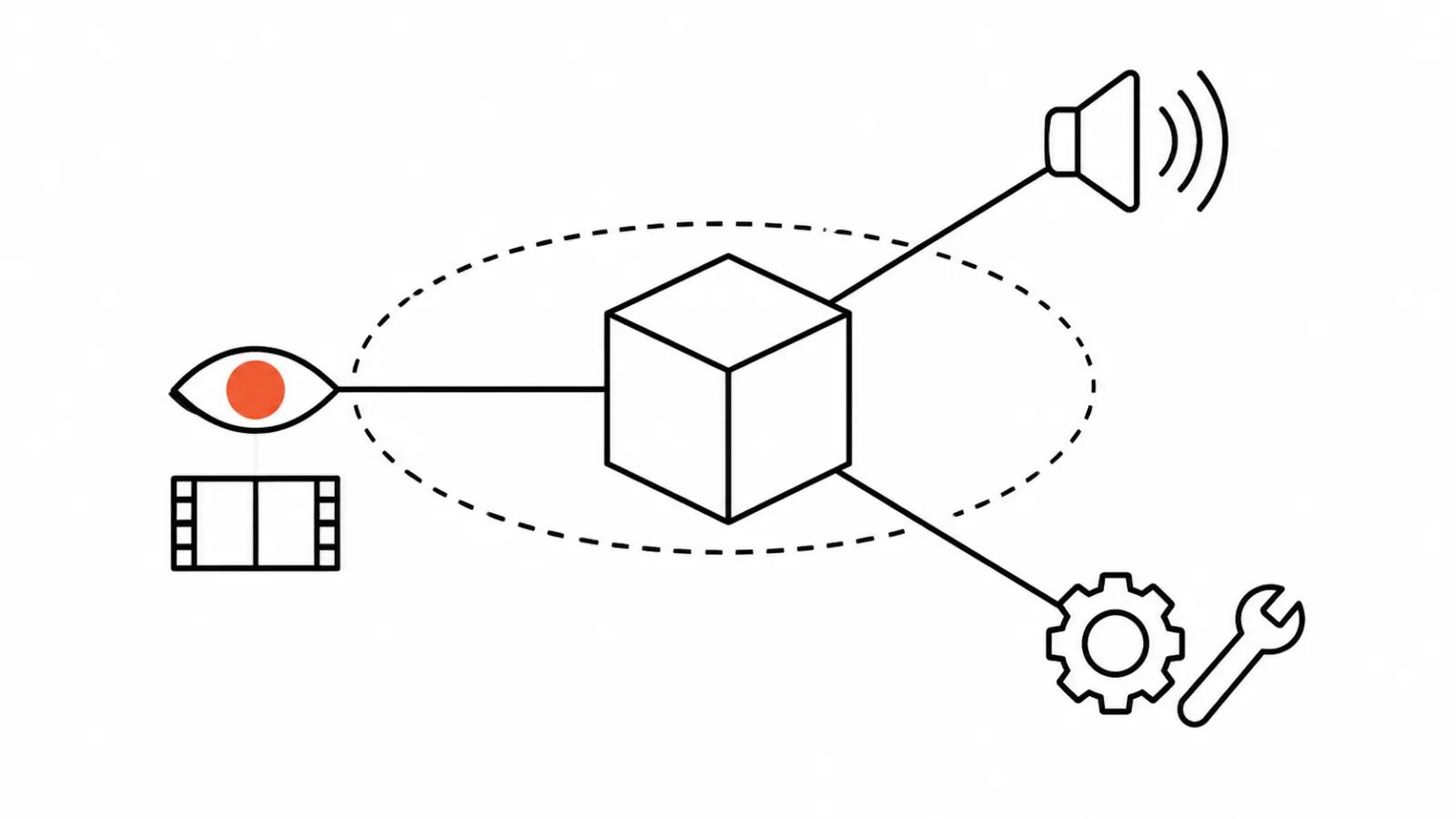
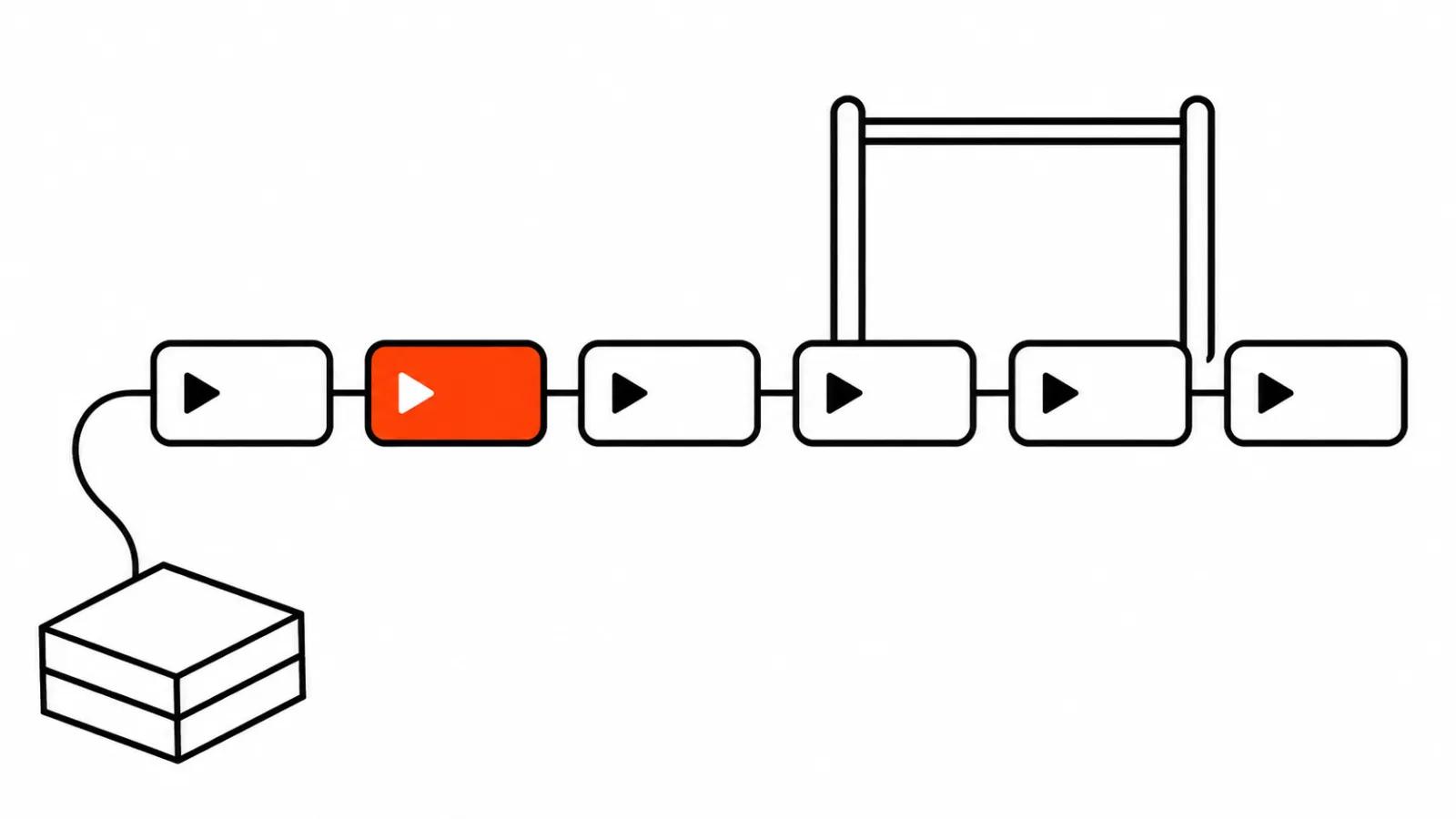
This is an agentic environment, a workplace where a person and an agent carry a project from a folder of separate clips to a finished film. Three surfaces sit inside: a visual canvas for assets (characters, locations, shots), a timeline for the final edit, and a chat with the agent. The project runs on DeepSeekRuntime from DeepSeek.
Canvas, timeline and chat: how it fits together
The canvas holds the material. A character, a location, a shot sit side by side as project objects, and the agent sees them the same way a person does. The timeline handles editing: shots take their order and the final piece is assembled in the same place where the shot list was decided.
The chat is the agent's door. It gets directing skills: script breakdown, locking character references, scheduling shots across models. That last one means the agent assigns each shot to a model that can handle it.
Models arrive through provider plugins. A built in skill lets a coding agent write a provider on its own, so the environment is not tied to one set of weights. That answers the "make a video with AI" question without locking you into someone else's cloud.
The project layer: versions instead of final_final
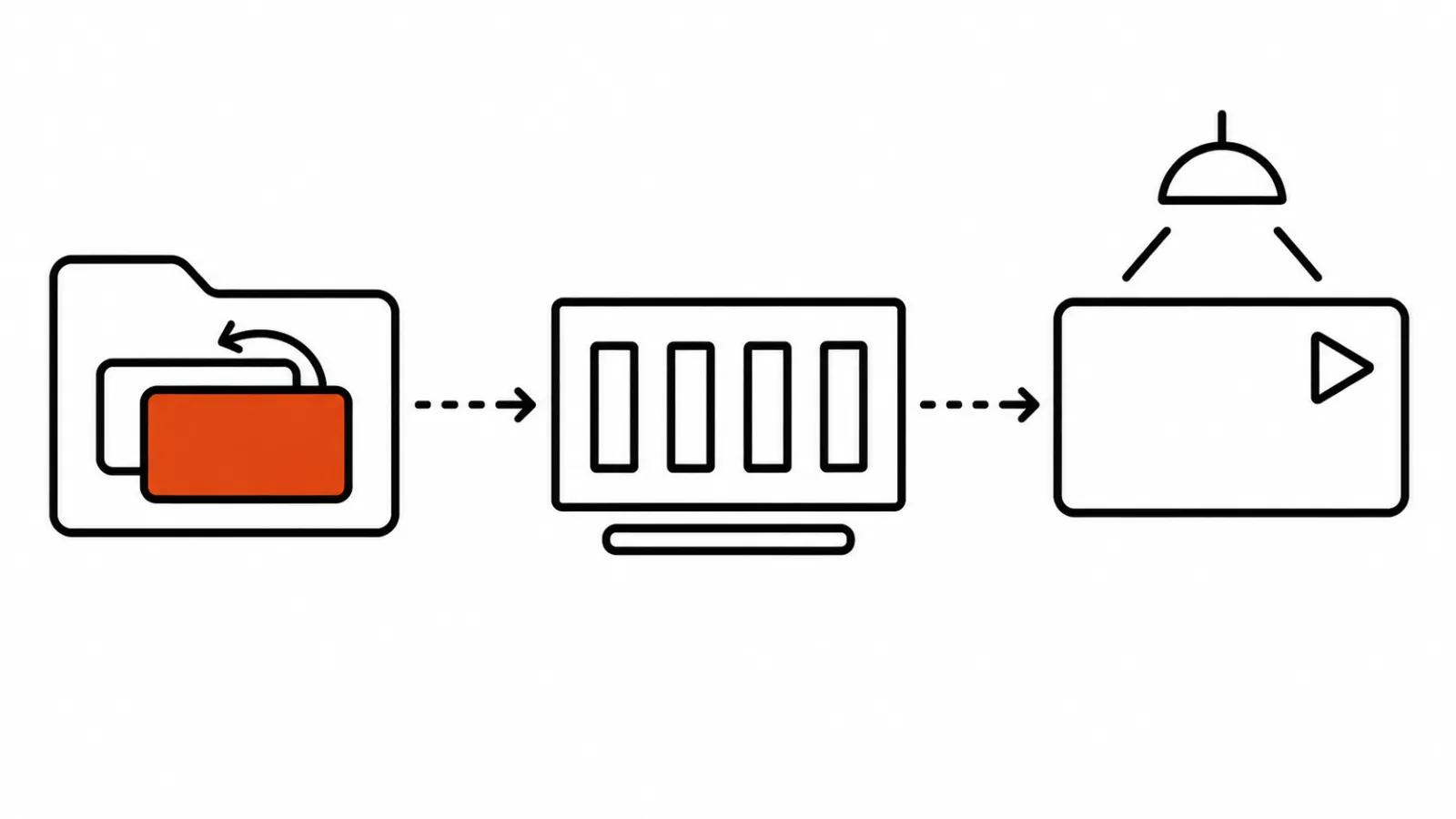
The valuable part here is the bookkeeping. The project layer works like version control for a film. Every change lands in a log, undo deletes nothing, and references carry version numbers like c1@1 and c1@2.
Each take remembers which versions of the photo and the plan produced it. Stale takes get marked. For a studio this closes the old problem of long series, where after the fifth round nobody can name the reference behind the frame the client finally approved.
One more detail that matters for cost. Before a render the agent shows which shots will run, an estimate of GPU load and the reasons for any refusal. The render itself starts after a human approves. On a workstation that pause saves hours; it also records what was agreed on each shot.
What the hardware costs
The numbers from the write up, unrounded. The authors describe a setup on a single NVIDIA DGX Spark, the desktop GB10 Grace Blackwell box with 128 GB of unified memory. Two models live on it fully local: Qwen 3.8 27B in NVFP4 as the agent brain, around 39 GB, and FastH3 Trim for video, around 45 GB while rendering.
Speed: five seconds of 480p with audio take roughly 33 seconds on one Spark and 19 seconds on two. When FastH3 first ran on a Spark the same shot took 243 seconds, so the gap against today's figure is measured in multiples.
Upscaling to 2K (2560x1440) goes through Open-H3-Regenerate-2K on two Sparks and takes 158 seconds per shot instead of 454. Up to four Sparks connect by cable. Without a Spark, the standard FastH3 config in 8-step mode runs on four NVIDIA GPUs. A cloud LLM and local video can be mixed inside one project.
Budgeting from these numbers is straightforward: one desktop machine on the desk and an engineer's time. The output is 480p, which is a rough cut format. The final picture still goes through upscaling, and some shots will be redone.
How this differs from a cloud studio
The authors compare the environment with cloud studios Higgsfield, Runway and TapNow. There you pay a markup on every generation and you get the vendor's agent logic, which you cannot change. Here the logic lives in the repository, skill templates and model providers are editable, and the hardware is yours.
For a studio with a steady stream of projects this changes the maths. A per generation fee becomes hardware amortisation, and the cost of a bad shot drops because the rerun is local. For a one off job of a couple of clips the comparison goes the other way: a cloud subscription is cheaper than a desktop workstation gathering dust in the corner.
Who can actually run it
My answer is short: it is a tool for a studio with hardware and an engineer on the team. Someone with a laptop will not clone the repo and get a film, because they need at least one machine at the DGX Spark level, plus a person comfortable with model configs and plugins.
The second thing I would want from an environment like this is series consistency. A project with versions and a log lets you take twenty spots without losing the character by the tenth. Fast models make that job feasible. When an accelerator makes FastH3 seven times faster, the environment gains the headroom to explore alternate takes. If you need delivery with human hands on every frame, the route is our AI video production work, and for character animation there is a separate cartoon production line.
My take
Dreamverse Harness covers the dull half of film work, the shot accounting. Versioned references, a change log and render on approval matter more than one more model in the pipeline. An agent that can write a plugin for a new model removes the most tedious glue code.
Keep the boundary in mind: 480p output and one desktop Spark as the floor. I would start with a single project and a single person owning the hardware. Full independence from the cloud is still a way off, but for a studio producing a series on its own terms this is the first time the agent's logic sits in your repository, under your control.