What Video Rebirth shipped
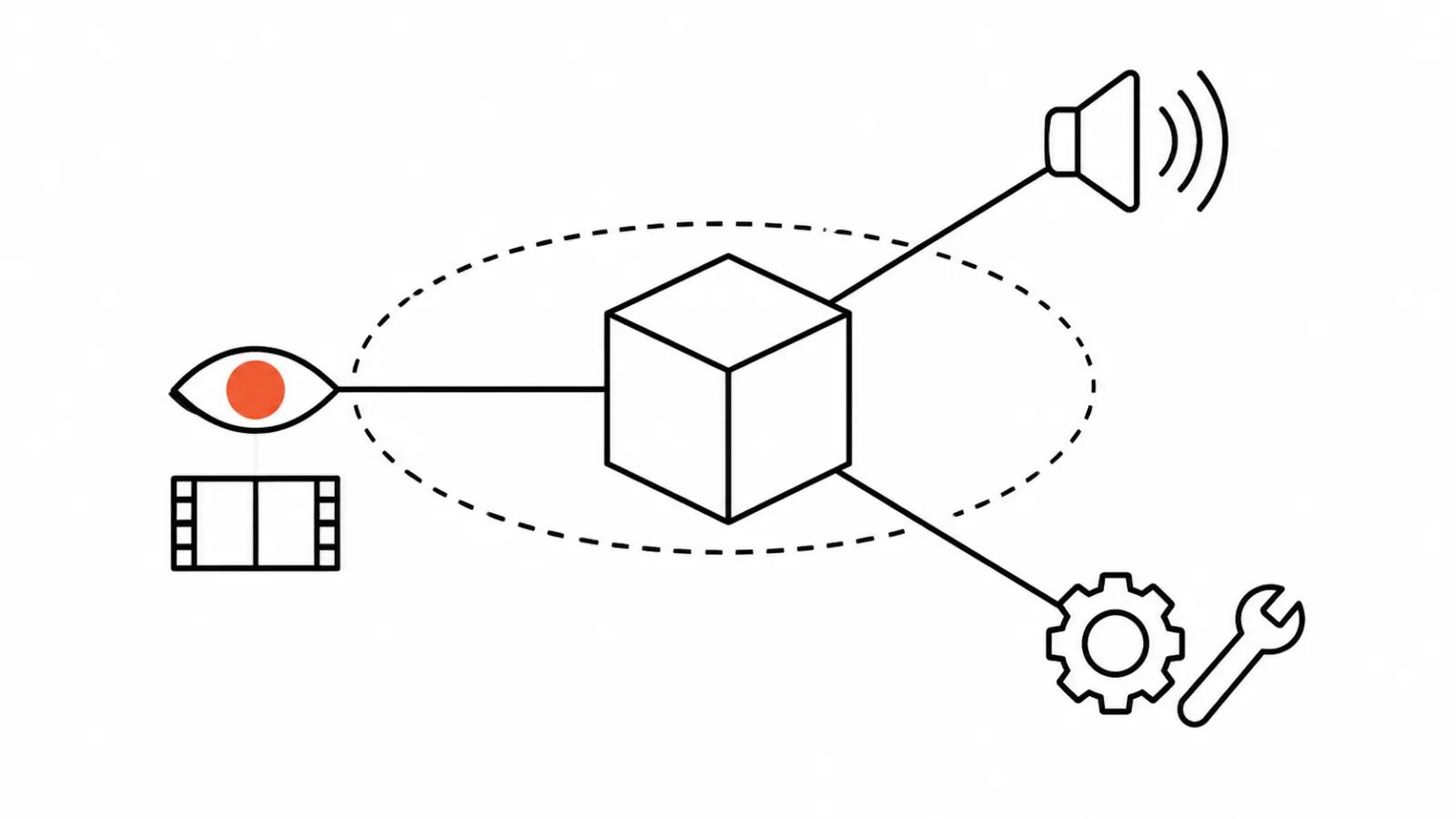
On 10 November 2026 a model card for HyperFlow H3 Flash appeared on Hugging Face, published by the Video Rebirth team. It is a squashed version of MiniMax H3 built for a small step count, and it generates picture and synced 32 kHz stereo sound together in one pass. This is not an official MiniMax product: an outside team built the weights and released them under the MiniMax H3 Community License.
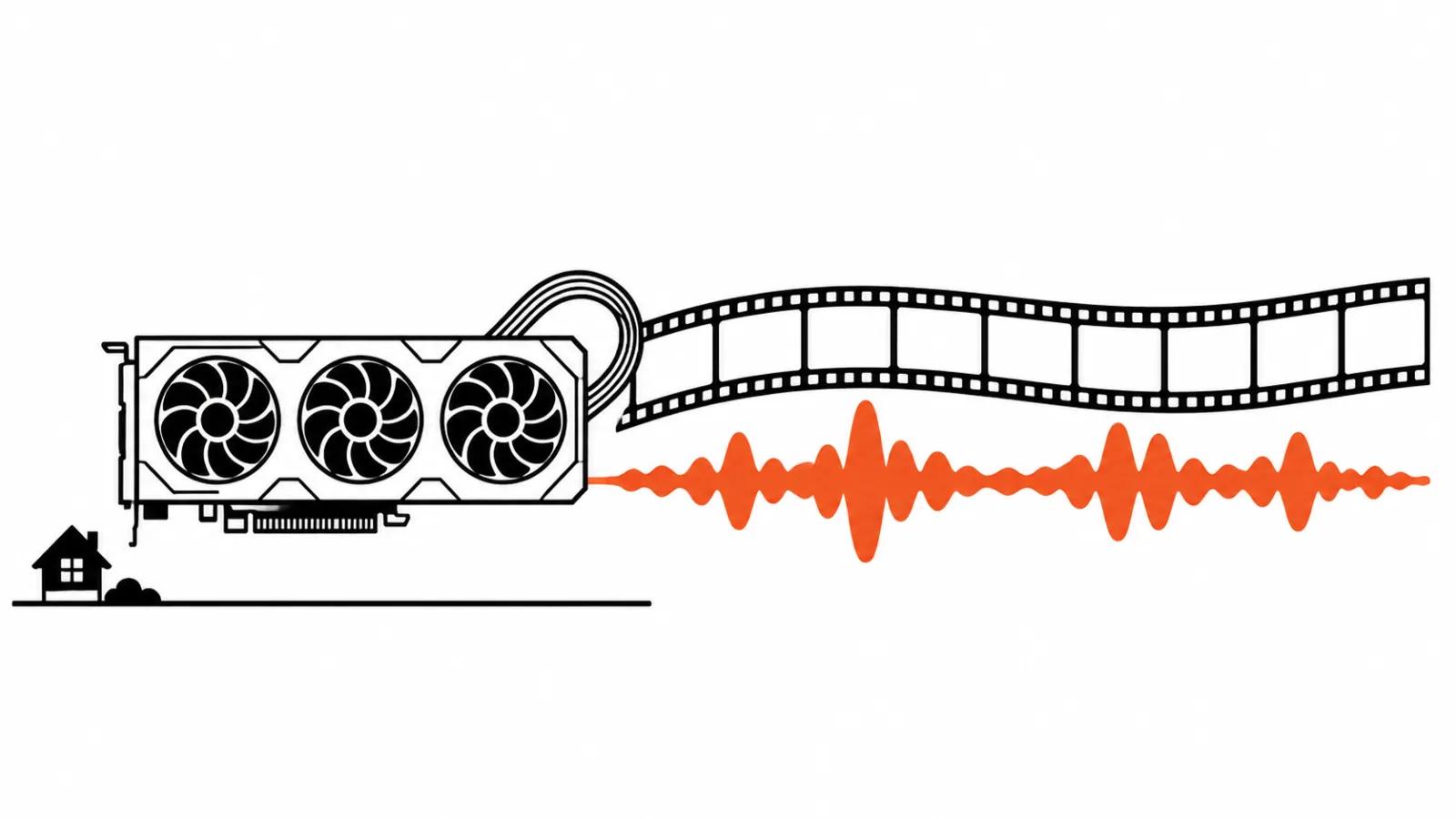
The interesting part is where it runs: a compressed H3 with audio fits in a desktop tower.
A video model with audio that fits on one card
In fl2va mode the model has 13.7 billion parameters, in ref2va 13.9 billion. The full H3 transformer sits near 31 billion, so Flash is less than half of it. Parameters are cut by pruning blocks, factorising layers and INT8, and the step count is reduced: four steps for speed, six as the default balance, eight for quality. There is no separate classifier-free guidance stage, and the authors ask you to skip the negative prompt entirely.
Output runs from 5.2 to 15 seconds at 24 frames per second, 1344 by 768 pixels by default.
Three modes: text, keyframes, references
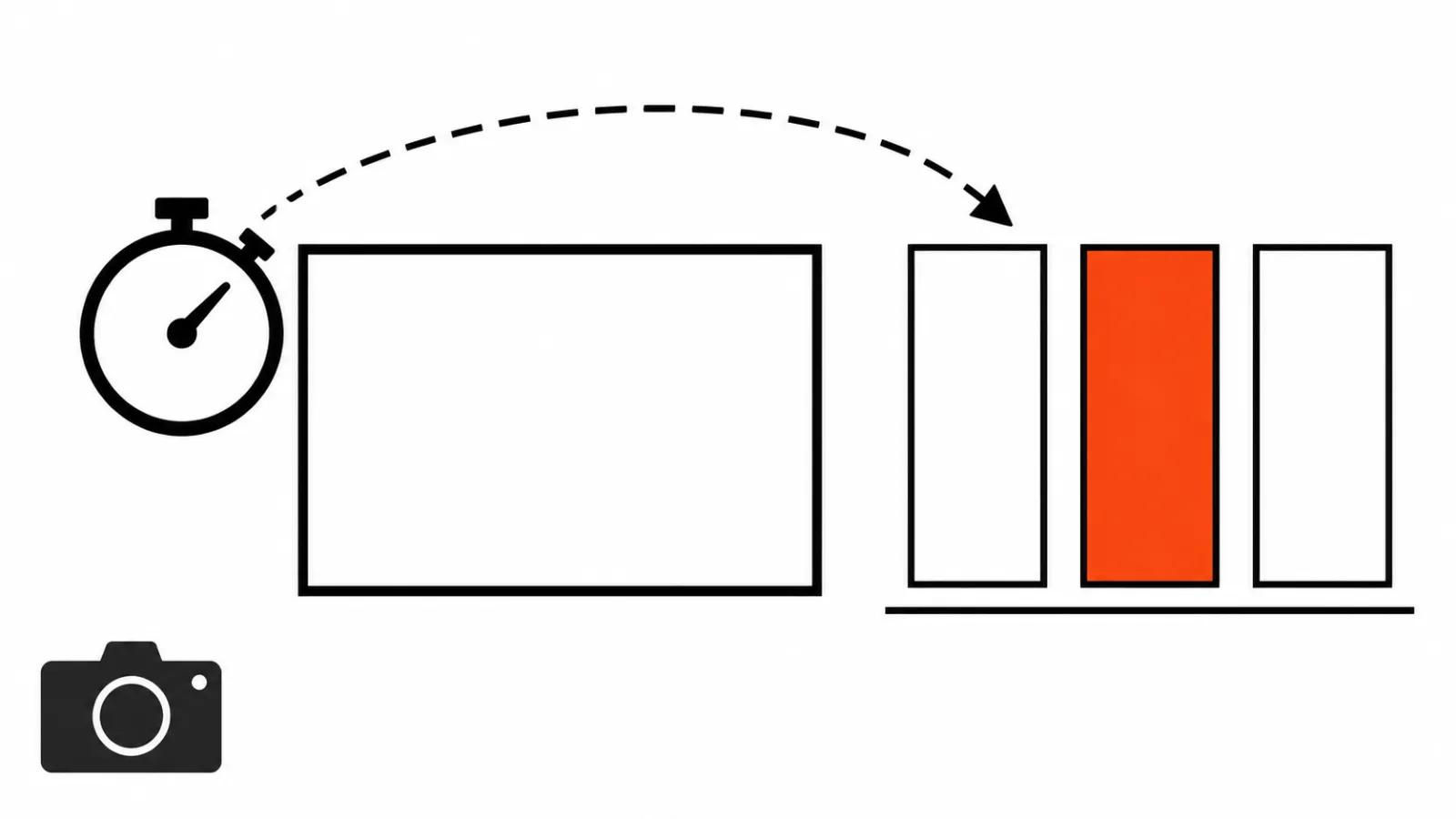
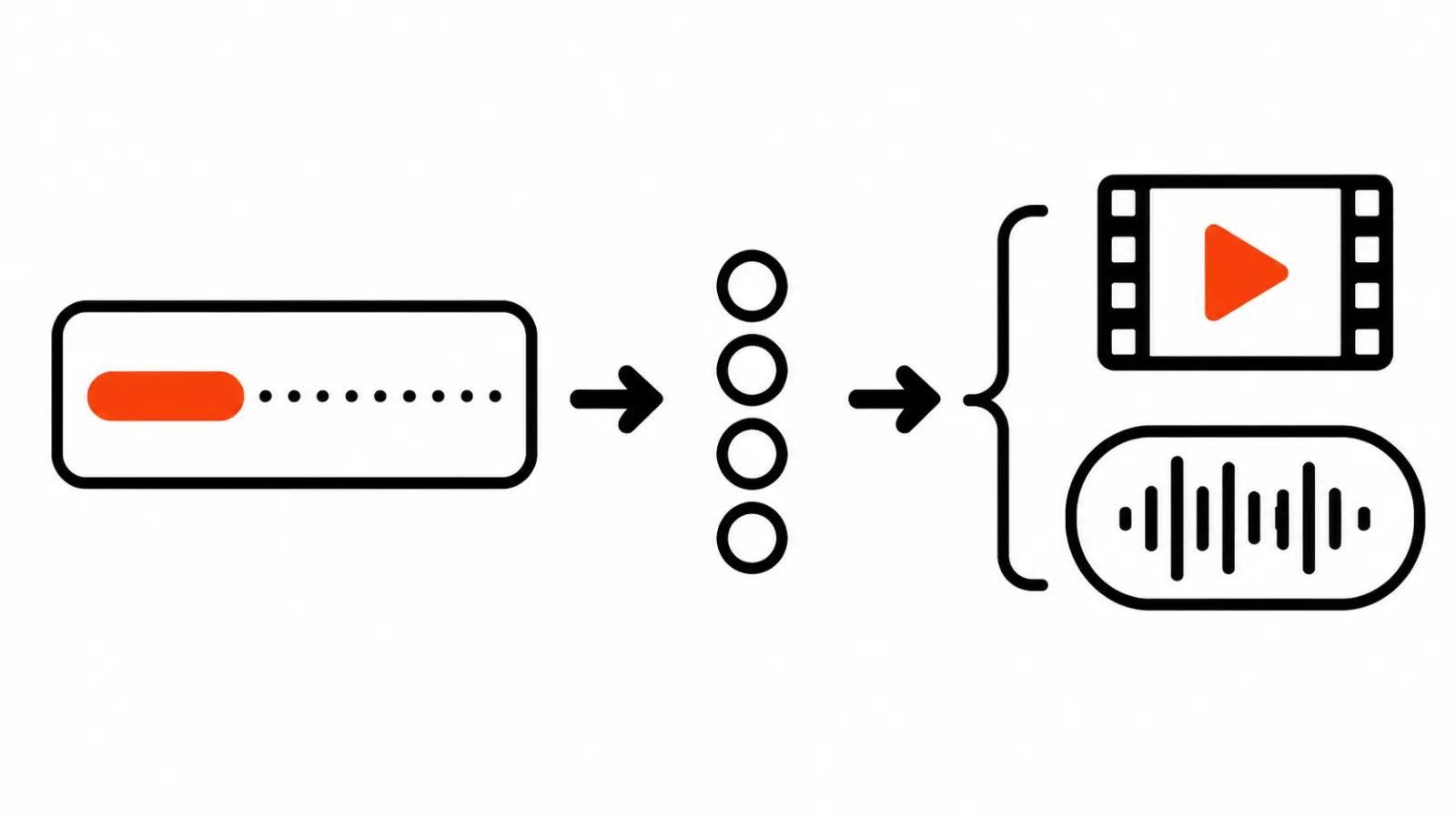
t2va builds a clip from a prompt alone. fl2va takes a prompt plus a first frame, or a first and a last frame. ref2va accepts up to 12 references at once: no more than nine pictures, three videos and three audio files, and audio only works alongside at least one picture or video.
References are addressed by position in the prompt, with tags like Picture 1 and Picture 2 inside angle brackets.
Speed on a desktop GPU
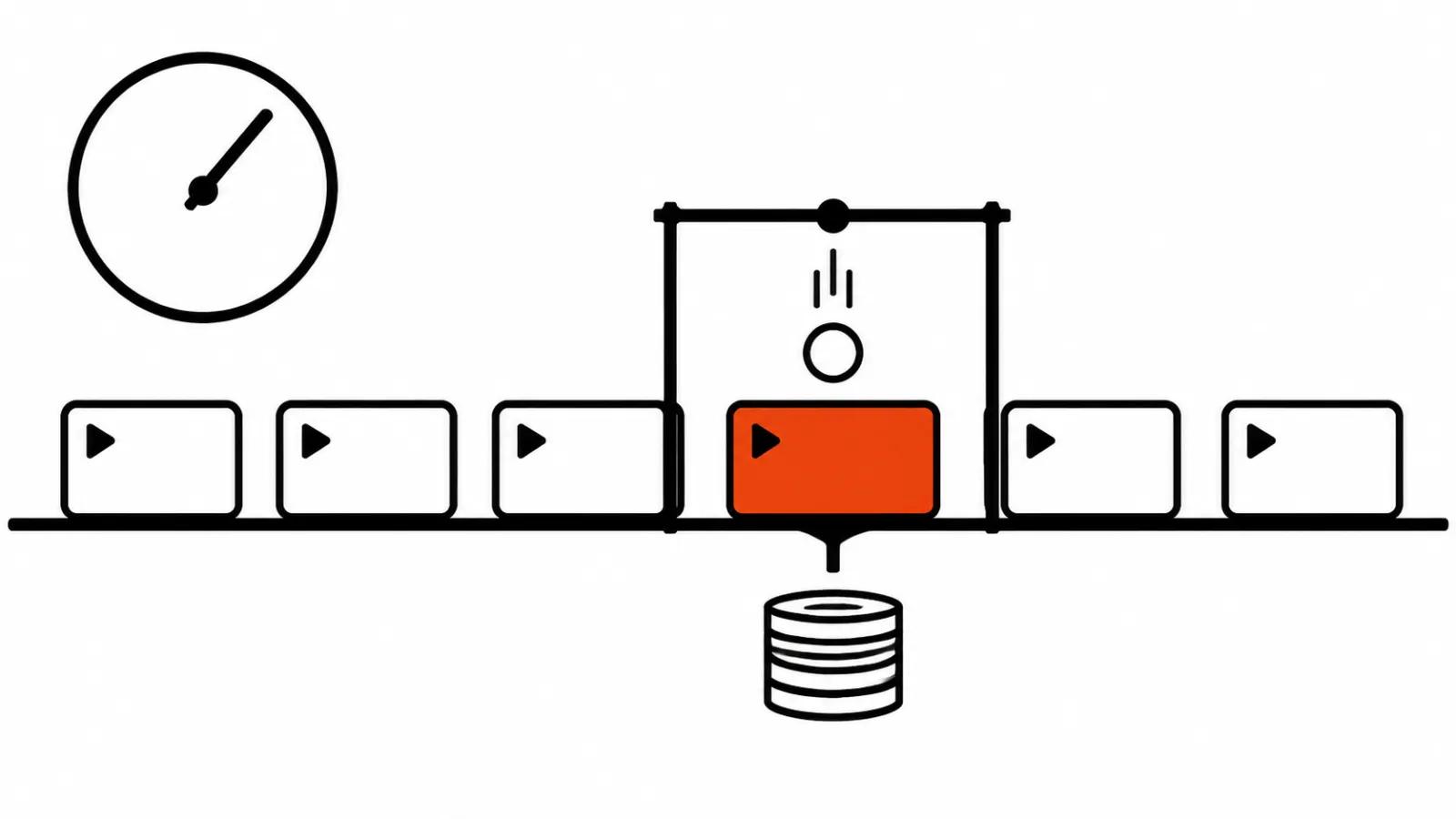
The card lists timings for a 5.2 second clip at six steps.
Fifteen seconds of video on a 5090 takes 518 seconds, close to nine minutes. That is what video with audio looks like on hardware you own: a 5.2 second clip takes two and a half minutes on a 4090 and over five on a 3090. Fine for a draft, and a full shift for a twenty shot series.
| Card | Time for a 5.2 s clip |
|---|---|
| 4 × B200 | 8.7 s |
| 1 × H200 | 36 s |
| RTX 5090 | 92 s |
| RTX 5090, INT8 in ComfyUI | 83 s |
| RTX 4090 | 152 s |
| RTX 3090, GGUF | about 315 s |
Memory: what each quant needs
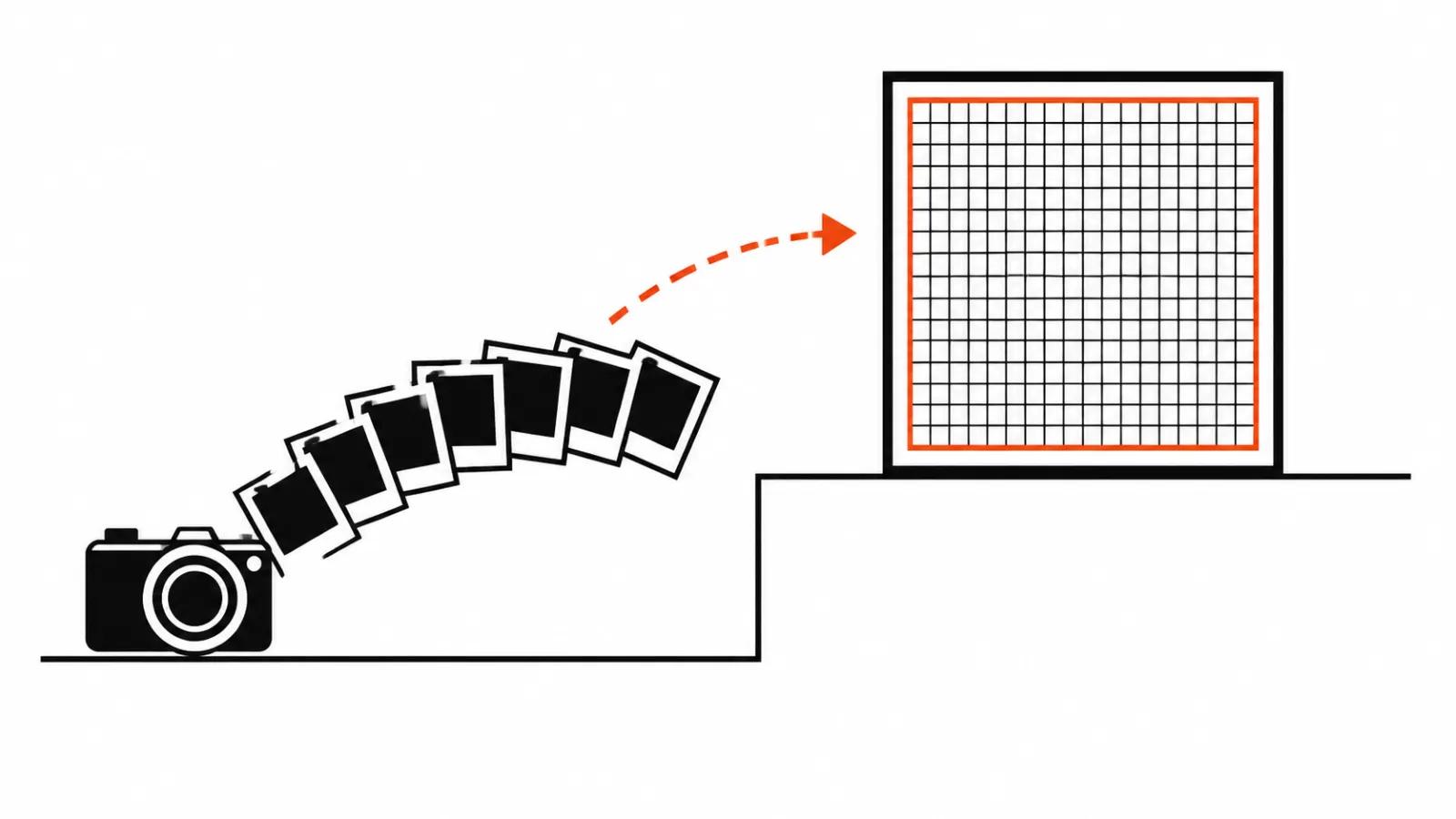
The Q4_K_M quant weighs 9.1 GB, Q8_0 weighs 14.9 GB. The authors report the model running on 24 and 32 GB cards in a machine with 16 GB of system RAM. They have not tested 16 GB cards yet, so owners of the smaller models are waiting on someone else's benchmark run.
Ready made templates exist for ComfyUI, along with a GGUF build, Unsloth Studio and stable-diffusion.cpp. For anyone assembling video on a home machine without a cloud account, that is a working entry point: pull the quant, load the template, run a test on your own shot.
One caveat on the smaller quants. The authors compare their own builds, and there is no independent measurement of Q4_K_M yet, so the gap between the nine gigabyte quant and full precision rests on their word.
The licence: where the experiment stops
HyperFlow H3 Flash ships under the MiniMax H3 Community License, and for commercial work it is tight. The licence does not apply in the EU, the UK, South Korea or the US without permission from MiniMax. Generated material has to be openly labelled as AI. A company with yearly revenue above $20 million needs written permission. The product interface has to show the name MiniMax H3, and the outputs cannot be used to train other models.
For a studio that comes down to one line: working with the weights from the EU, the UK, Korea or the US needs MiniMax permission, and everywhere else the licence terms apply even to drafts.
What changes in the day to day
For many people a local video model with audio on desktop still meant a rental or a queue in somebody else's cloud. With Flash a shot draft happens at your desk: five seconds in about ninety seconds on a 5090, adjust the prompt, run it again. The gain lands on how fast you can test ideas, and large volume pipelines still belong to rented hardware.
For serial AI video production the cloud is still more convenient, because throughput matters more than one card. Our handcrafted videos, from $190, work differently: a person owns the frame and the sound, and local generation only helps at the draft stage. Long series gain the most, and an AI YouTube channel runs on dozens of shots a month, where one extra test render at home saves a day.
The time limit stays. Fifteen seconds on a 5090 is nine minutes, and a twenty shot series turns into three hours of rendering.
My conclusion
HyperFlow H3 Flash shows that H3 with audio genuinely fits on a single consumer card. For me that is a change of habit and not a change of tool: drafts at home, final renders where throughput is cheaper and the licence is clean.
The licence matters more than the benchmarks. Its terms for the EU, the US, the UK and Korea decide whether the model can sit inside a paid product, and a studio working from those markets reads them before the first order.
And the speed numbers belong to one card and one 5.2 second clip at six steps. Before buying a 5090, run your own prompt and your own kind of shot, since a face and a product behave differently.