What changed in Luma's price page
Luma's pricing page was updated on 19 November, and the change was logged by the pricing monitor PricingSaaS. Gemini Omni Flash is no longer sold at a flat price per clip: the line now reads "36 credits/sec". Clips stay at 3 to 10 seconds, and the modes are the same: text in video and image in video, 720p.
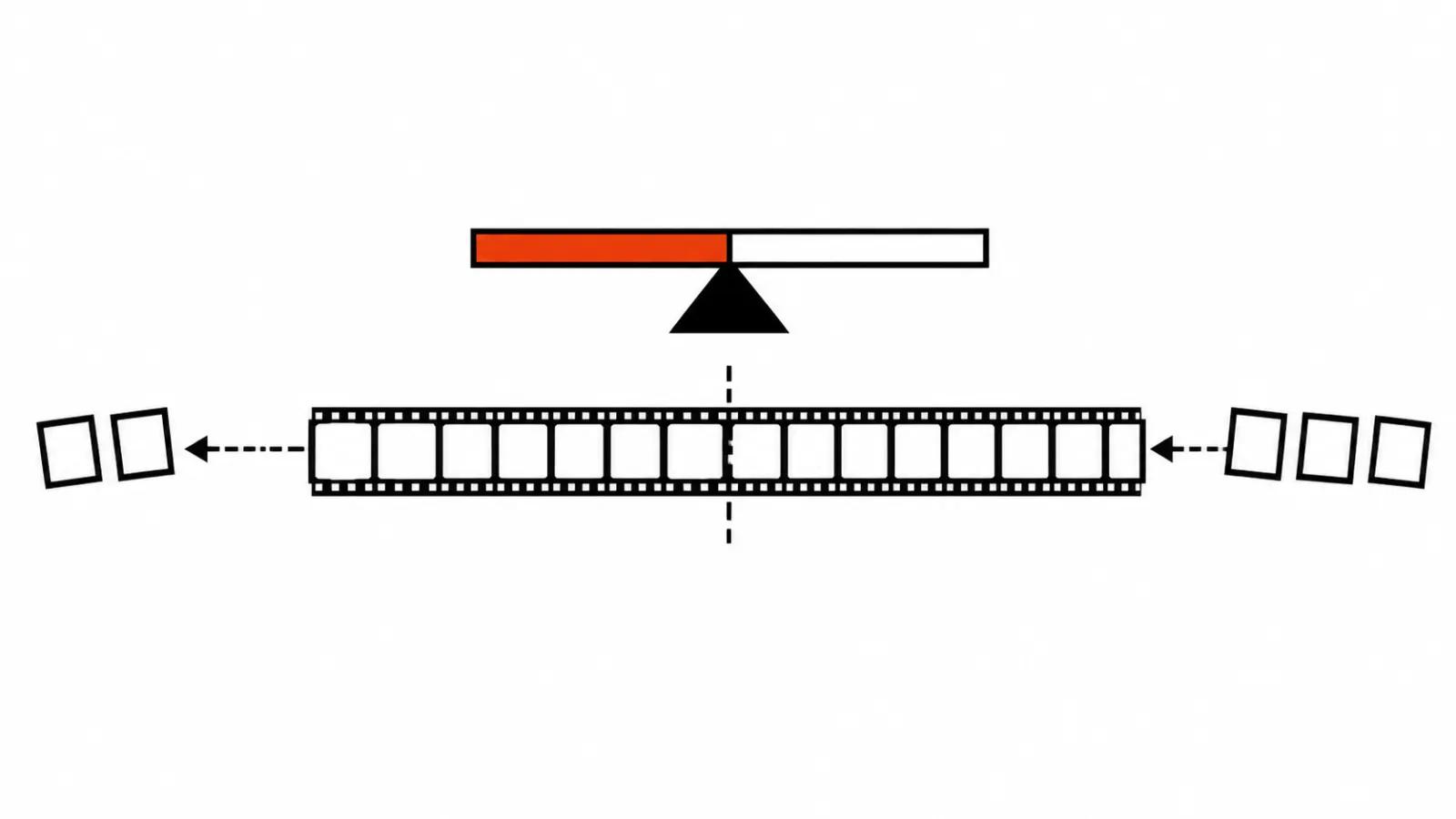
On paper this is a change of billing unit. In practice it moves duration out of the hidden part of the price and into the visible one. The price used to cover the whole clip. Now length is its own line in the budget.
The price of generating video: what a clip costs now
The arithmetic is easy: 36 credits per second. A three second shot is 108 credits, five seconds is 180, ten seconds is 360. The old page said "up to 370 credits per clip", so ten seconds barely moved in price. The short shot fell by roughly two thirds.
Luma does not publish what a credit costs, so I keep everything in credits. That keeps a quote comparable across modes and hosts.
One line reads oddly. Modify 720p dropped from 39 to 38 credits per second, which looks like rounding during the switch. It does not move a budget, yet the number you quote to a client should be the current one.
Who saves on per-second billing
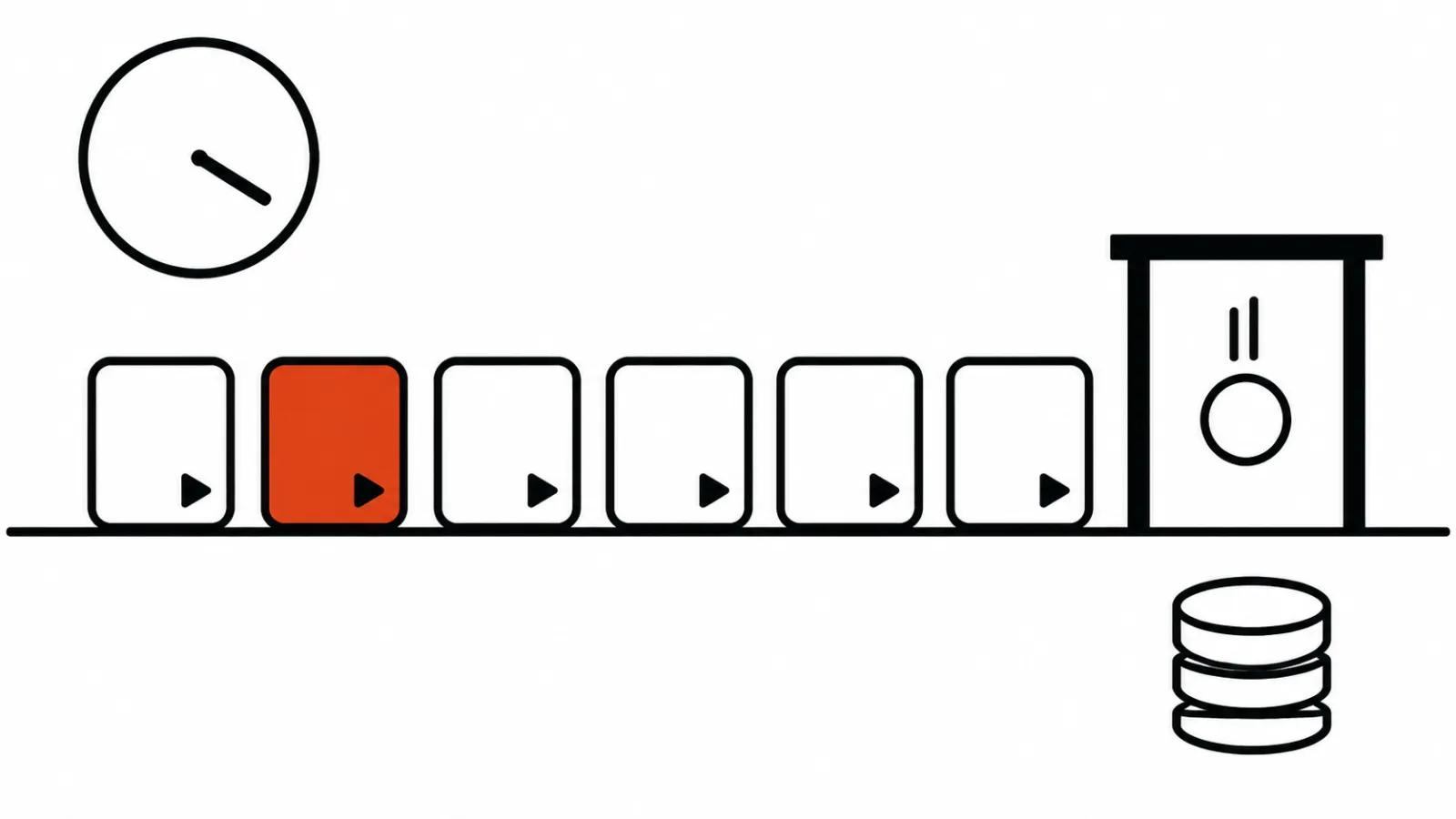
Short shots built for the edit. Vertical ads are assembled from three to five second pieces, and each piece lives until the cut. A five second shot at 180 credits is half the old ceiling. A three second shot is a third of it.
The people who pay more are the ones who generate long takes and trim inside the edit. Ten seconds costs 360 credits, and a second run of that shot nearly doubles the bill, since one attempt already costs what the final frame used to.
My rule: a grid of short shots costs no more than long takes, and redos are cheaper, because a redo means one piece instead of the whole scene.
The cost of generating video: what to work out before you order
The formula I keep in my head: seconds per shot, times 36 credits, times the number of runs. Runs matter more than length. If the usable frame arrives on the fourth attempt, the real cost of that shot is four times the list price.
The second factor is the mode. Modify is billed on its own line, so fixes sit separately from generation in a quote.
The third factor is reference images, and the news here is bad.
Extra reference images got dearer
On MiniMax H3 Max, the reference images beyond the first 2 to 4 free ones now cost 7 to 18 credits each. The old range was around 7 to 13.
The practical meaning is simple: extra pictures in a prompt stopped being a free option. If a prompt carries five references and the model holds style on two, the other three are spend with no return. My order is a run on the smallest set first, then one image at a time if the style drifts. I keep a separate comparison of the cost per second of AI video in November, and the spread between hosts is wider than any single price line suggests.
Ray3.14 lost HDR+EXR
The same price page dropped the HDR+EXR output mode from Ray3.14. It carried a x3 multiplier; SDR as the base and HDR at x2 remain. Ray3.2 keeps HDR+EXR.
For a pipeline with colour grading that is a fork in the road. If a project delivers EXR, the options are HDR on Ray3.14 or a return to Ray3.2. Both change the render setup, and the choice belongs before a series starts. Luma halved the price of video-to-video earlier, and the pattern holds: the billing unit and the mode list change faster than a quote gets rewritten.
How this fits a production quote
Assembling a video with AI models runs shot by shot: each piece of the edit is a unit of work, and a per-second host price drops into that quote without conversion. The client cares about the number of pieces and the number of runs per piece, more than about the "36 credits/sec" line.
So the useful way to talk money is a range per shot: how many shots, what length, how many attempts budgeted for the hard frame. That range survives a change of host and does not collapse when a vendor edits the price page.
My take
My interest here is practical. Per-second billing makes a quote more honest: you can see what you pay for, and where you overpay. The short shot for the edit is much cheaper, the ten second clip holds its price, and extra references now cost money.
The rule for a project: fix shot length and run count first, pick the host second. If a frame needs four attempts, cutting the shot to four seconds and covering the motion across a cut is cheaper than generating ten seconds four times.
One caveat. Luma does not publish a credit price, so comparing hosts honestly means your own run volume and your own shots.