What changed in Luma's marketplace
The PricingSaaS price tracker compared Luma's page snapshots from 2 and 9 November and logged the change on 7 November: video-to-video rates for third-party models came down by about half. The snapshot example is Seedance 2.0 at 720p, now 32 credits per second against 64 before. Luma's own pricing page from 10 November matches that grid.
The marketplace is the shelf where Luma sells other vendors' models next to its own. For a studio the short version reads like this: editing existing footage through Seedance and Kling got cheaper, provided you count the way you used to.
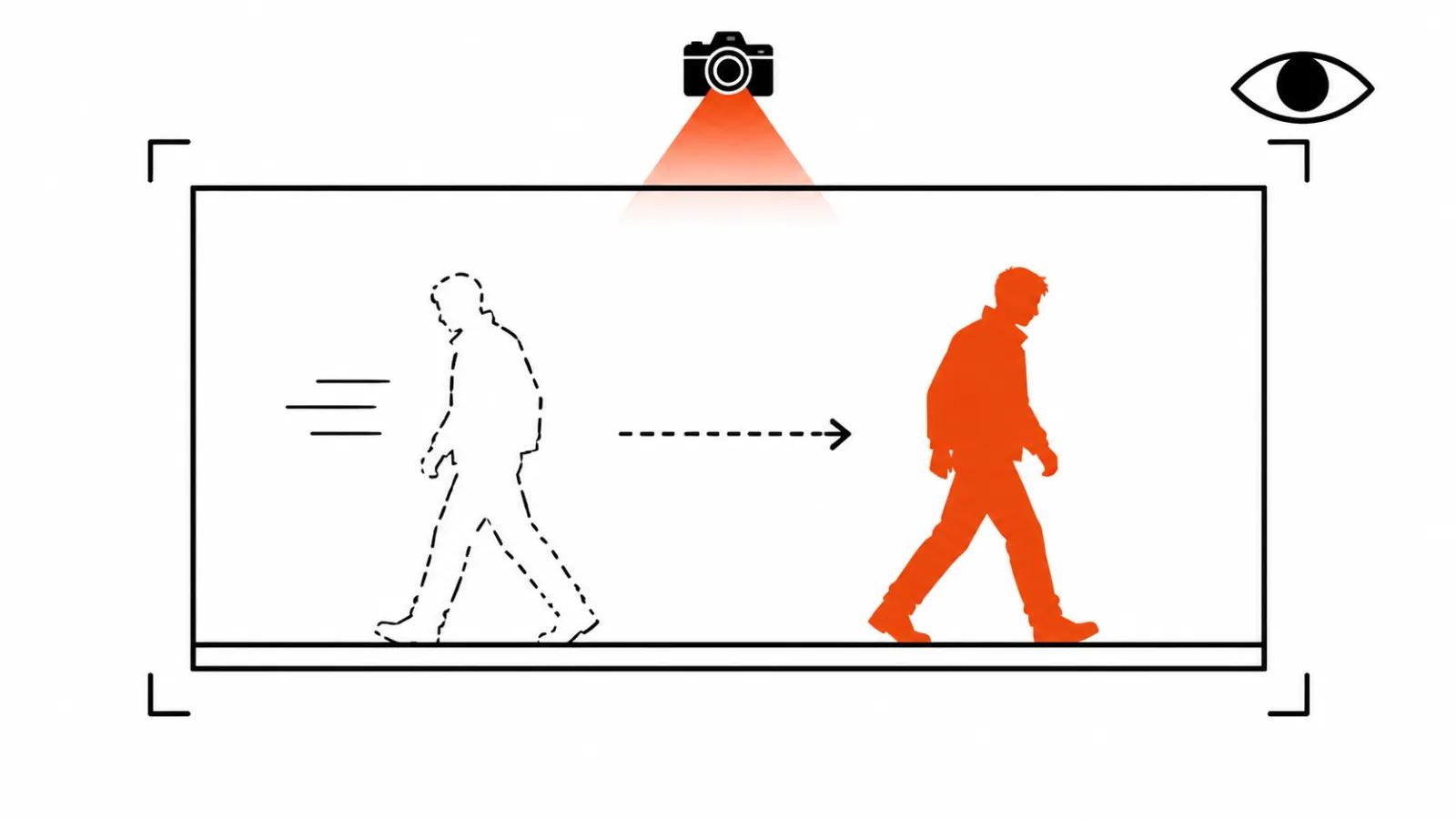
Video-to-video now bills the reference as well
The second half of the change sits in the billing rules. Video-to-video is charged for seconds of output plus seconds of the reference clip. According to the tracker, only generated seconds were billed before. We know the old scheme from the tracker's data, Luma never published it separately, so I would leave a margin in any estimate.
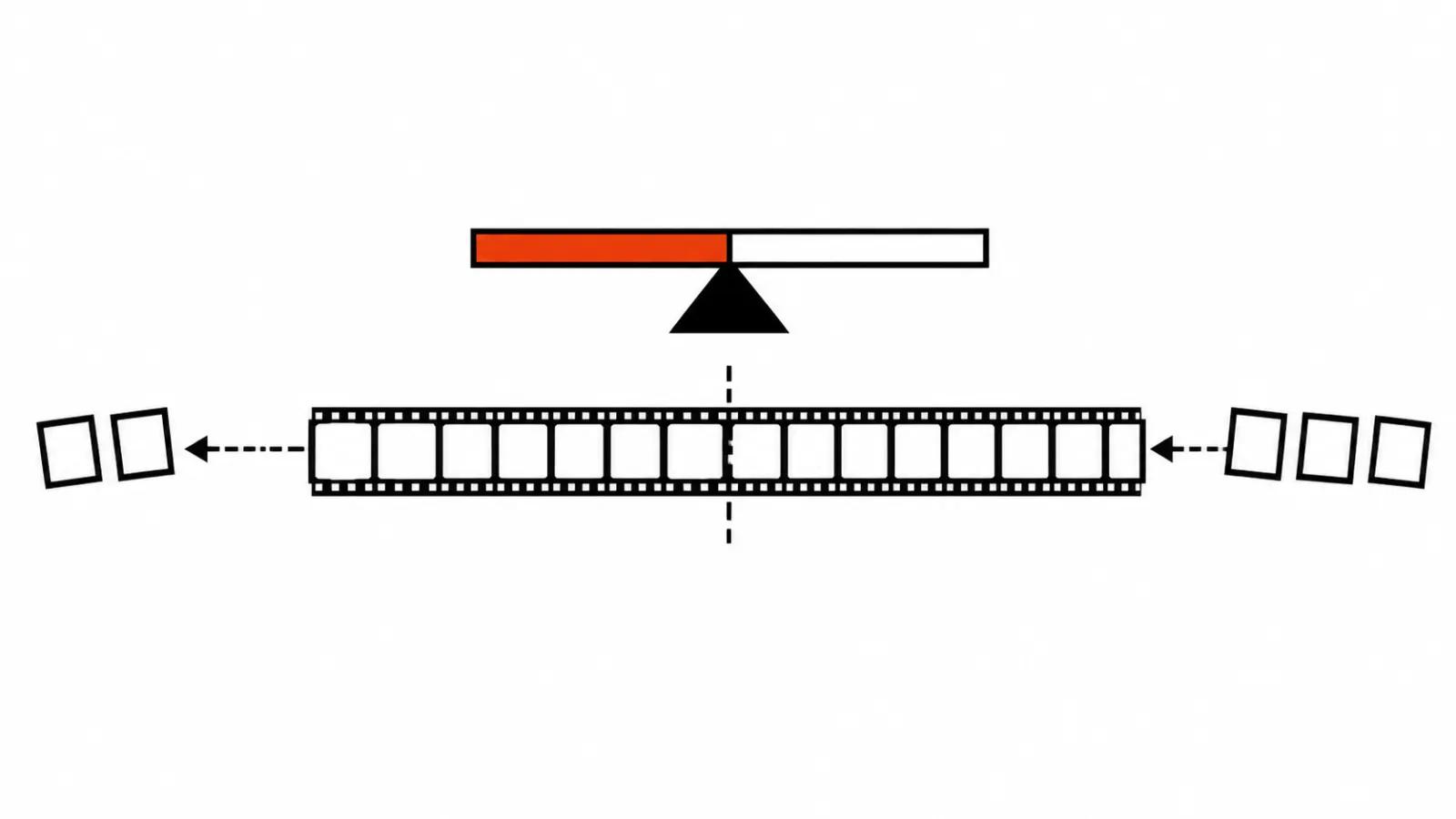
The maths is unforgiving. A rate cut and a bigger base cancel each other, because the rate halved while the base doubled. On a long reference the total lands back on the old number.
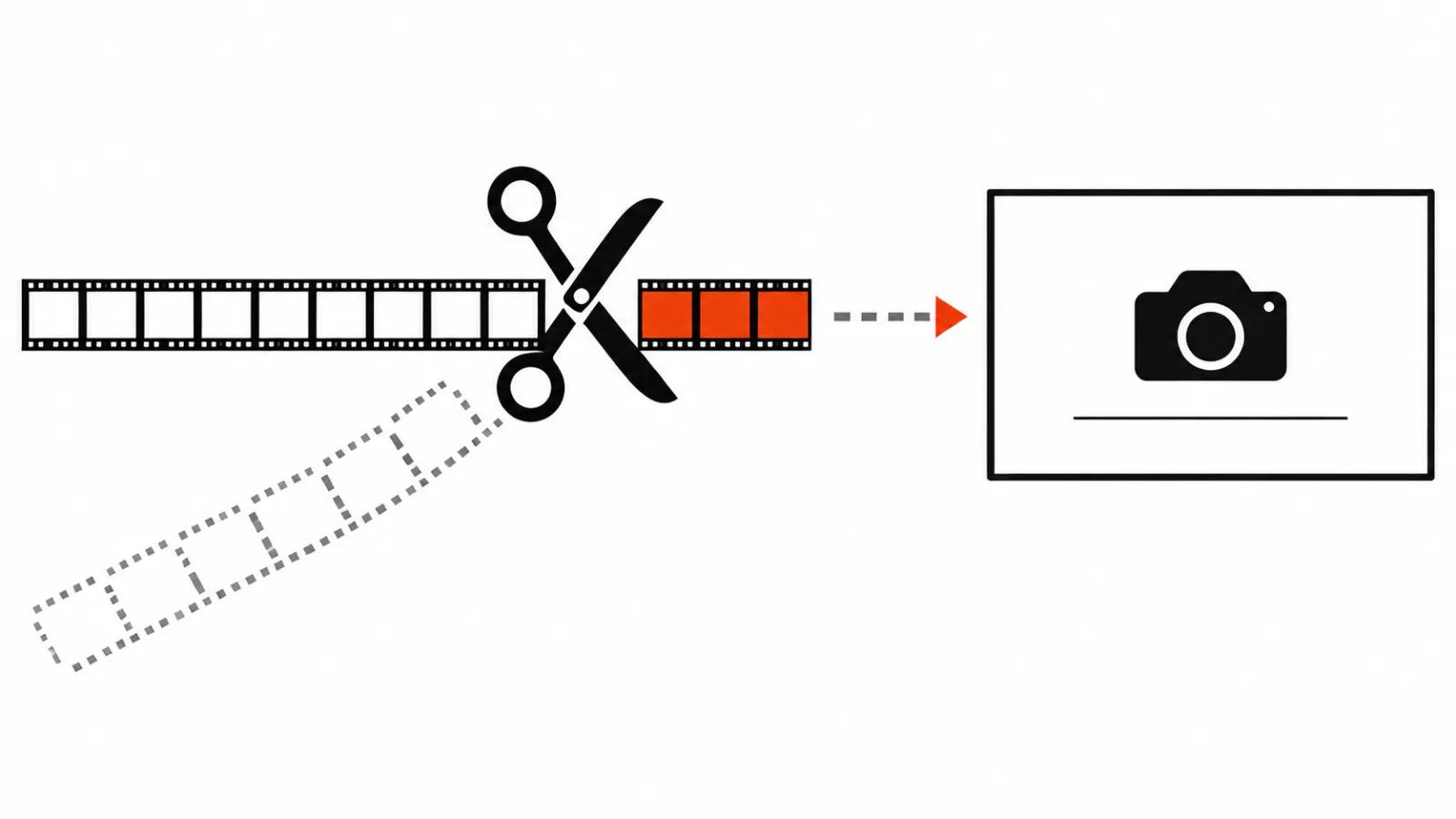
The maths on Seedance 2.0: two examples
First example, a like-for-like pass. Output 10 seconds, reference 10 seconds, 720p. Old grid: 10 × 64 = 640 credits. New grid: (10 + 10) × 32 = 640 credits. Same number.
Second example with a short input. Output 10 seconds, reference 3 seconds: (10 + 3) × 32 = 416 credits against 640. That is a saving of about 35 percent.
So the rule of thumb writes itself. The "half price" line holds for short references, and the shorter the reference the closer the saving gets to the advertised 50 percent. A one-to-one pass over a shot clip barely moves.
Kling 4.0 Flash and Flash Omni join the marketplace
Two models appeared on the shelf in the same window: Kling 4.0 Flash and Kling 4.0 Flash Omni, both at 32 credits per second at 720p. Flash Omni has a video-to-video mode at 21 credits per second of output plus reference. Flash renders clips of 3 to 20 seconds at 720p, and Kling opened it to everyone on 4 November.
Same job, 10 seconds of output over a 3 second reference. Flash Omni: 13 × 21 = 273 credits against 416 on Seedance 2.0. That is 143 credits per pass, and 2 860 credits across a set of twenty versions.
Luma subscriptions did not move
The plans are where they were: Plus $30 a month, Pro $90, Ultra $300. Paid yearly the figures come to $25, $75 and $250 a month.
No subscription went up, the discount arrived through the credit rate in the marketplace. For steady generation the useful number is the cost of one pass, and a monthly fee says less about that.
Where the discount disappears
First, a long reference. Feed the whole shoot into the model and the reference seconds eat the saving, which puts the estimate back where it started.
Second, retries. Every run bills on its own, so three 10 second drafts cost three times the money even at 32 credits per second.
Third, clip length. Flash holds 20 seconds, longer material gets cut into pieces, and each piece carries its own reference.
I went through the mode itself earlier, there is a piece on video-to-video with AI and on the gap between editing a finished file and generating from a still. The price per second across vendors sits in a separate breakdown of a cheap AI video generator, where it becomes clear how little a per-second rate says on its own.
What this means for a quote
The short conclusion: trim the reference before upload. One scene with a 3 second input costs about a third less than a pass over the whole clip on this grid, and it needs no extra work.
Second step is model choice per job. For editing existing footage Flash Omni has the lower rate. For a new shot of up to 20 seconds there is plain Flash.
Then our side of it. When you order AI video production, feed the model trimmed footage, the whole source is not needed. Handcrafted videos from $190 work differently, a person owns the frame there. AI video ads suit this logic best of all: many versions, short reference, and the saving on passes stacks up over a month. For volume the stream runs up to $2.40 per 1000 views, and a channel is served by our YouTube package from $200 per month, where dozens of shots make every extra run visible on the invoice.
For an edit quote all of it boils down to one line: reference length, output length, number of attempts. Everything else in this mode is secondary.