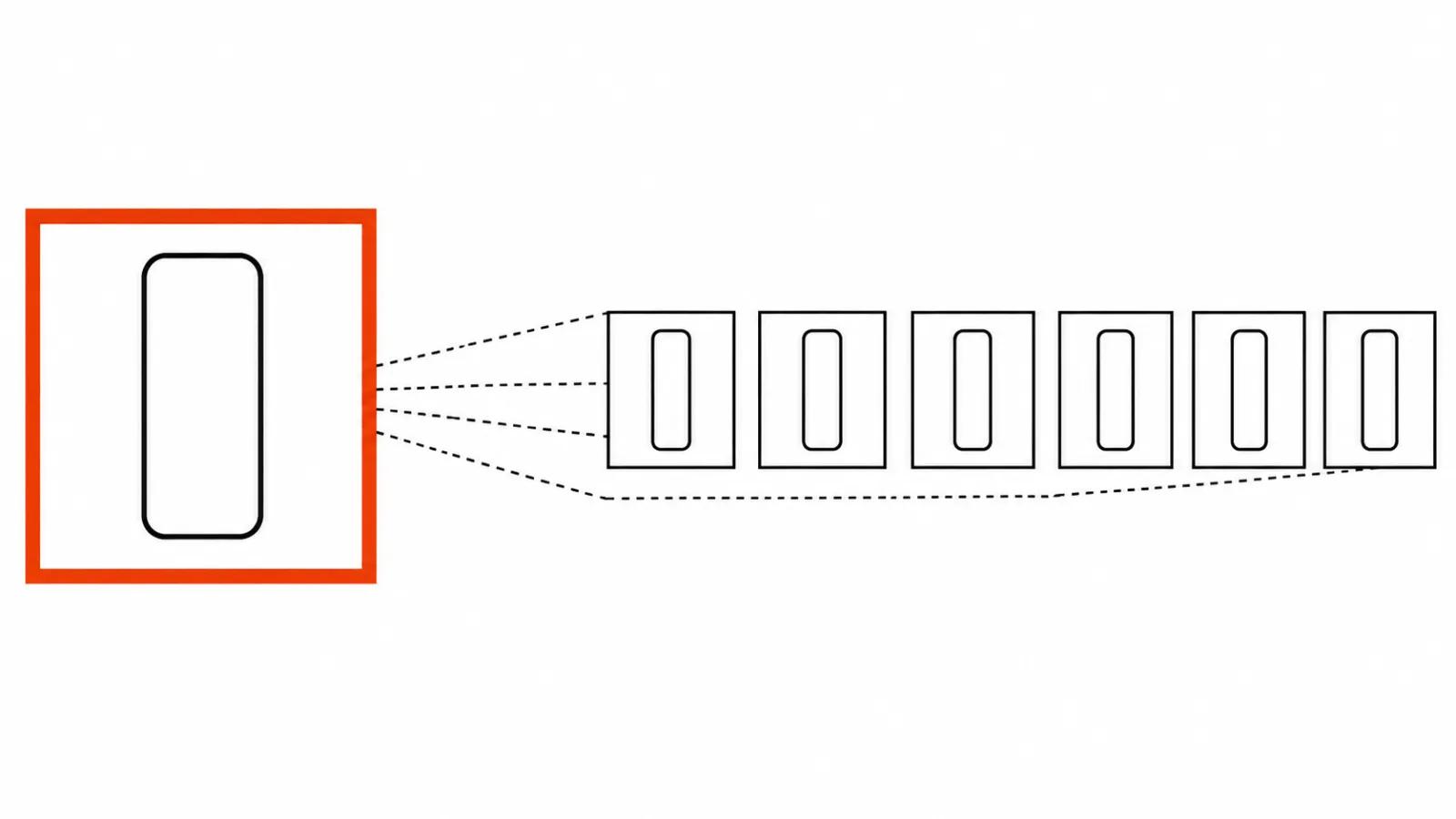
A series starts with one master frame
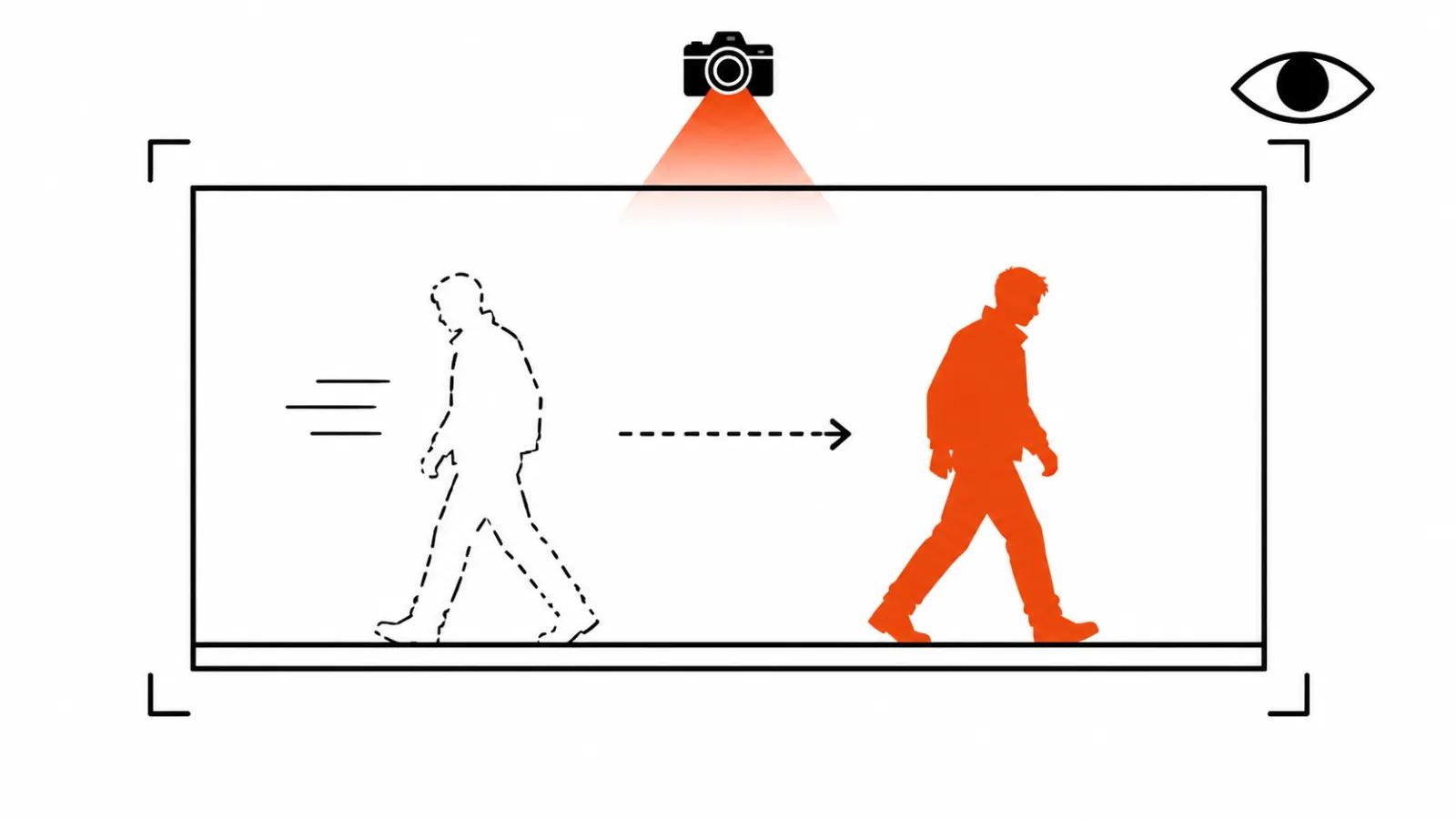
The first shot usually lands. Then the drift begins: the face changes shape, the pack colour warms up, the logo slides a centimetre to the left. The model has no memory of the previous shot. It only sees the material attached to the current request.
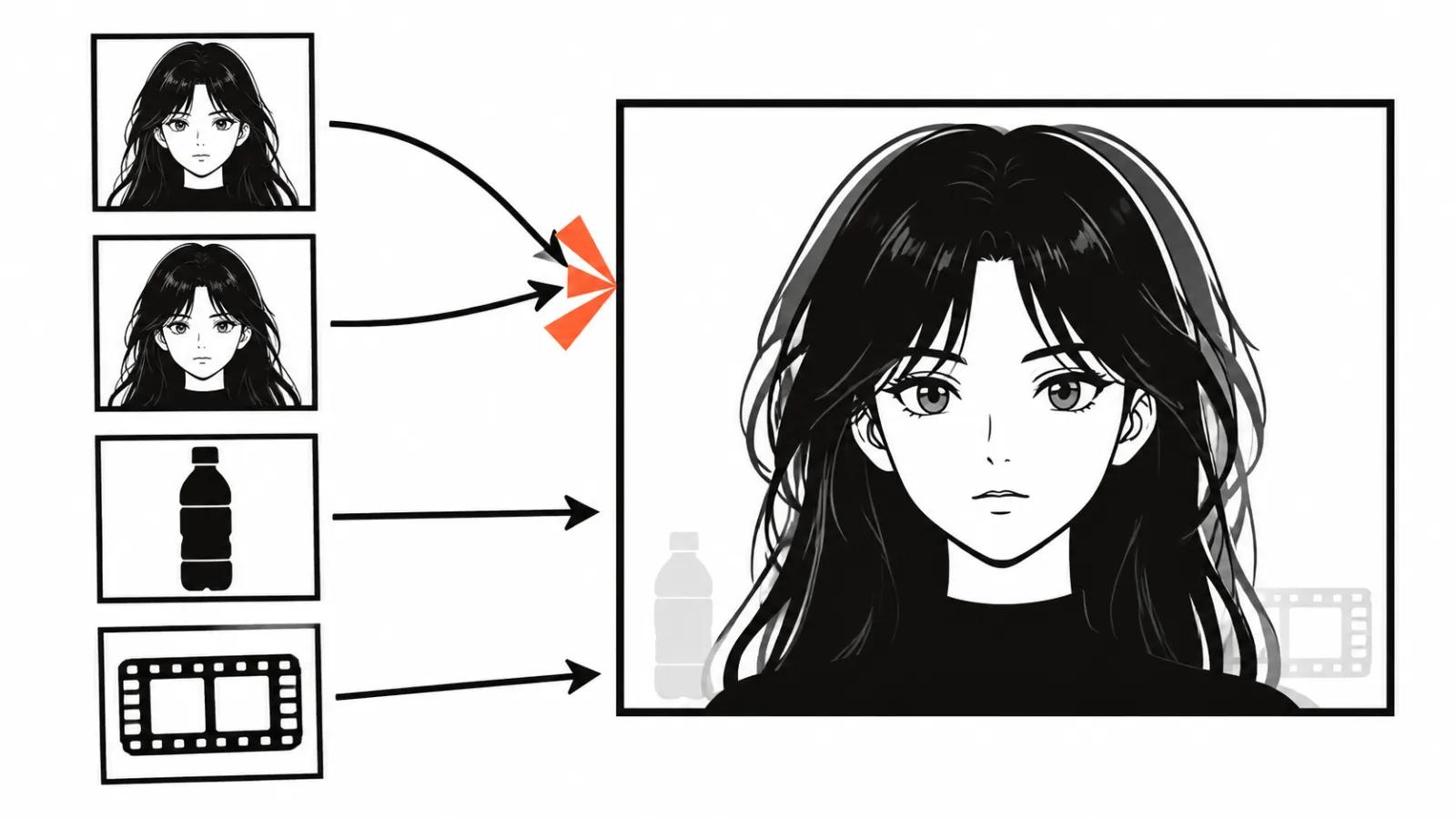
So the series starts with one master frame. For a product, that is a still where the pack sits straight, the light is not blown out, the colour matches the physical item and the small print is readable. For a character, a portrait in even light, neutral expression, face on or slightly turned. Save that frame as its own file and send it into every shot of the series as the same reference.
Mistakes here cost more than they look. A master shot taken on a phone under a warm bulb pushes that yellow into all six shots, and the redo is the whole series.
How many references a model will take
Start with the budget the model allows. According to the Seedance 2.5 documentation on BytePlus ModelArk, the omni reference-to-video mode accepts up to 30 reference images, 10 reference videos and 10 audio clips, which is 50 inputs in one pass. Seedance 2.5 Flash is tighter: 10 images, 5 videos, 5 audio.
That ceiling describes what the model can accept, and it makes a poor shopping list. Twenty photos of one pack give the model twenty versions of the product, and it starts averaging: colour from one, shape from another, typeface from a third. What comes out is packaging that does not exist.
TikTok Symphony Agent, built on Seedance 2.5 and shown on 9 November, pushes the same idea further: up to 50 multimodal references that can be pinned to timecodes. That turns references into a schedule for order and pacing instead of a pile of images.
Which angles to add, and when to stop
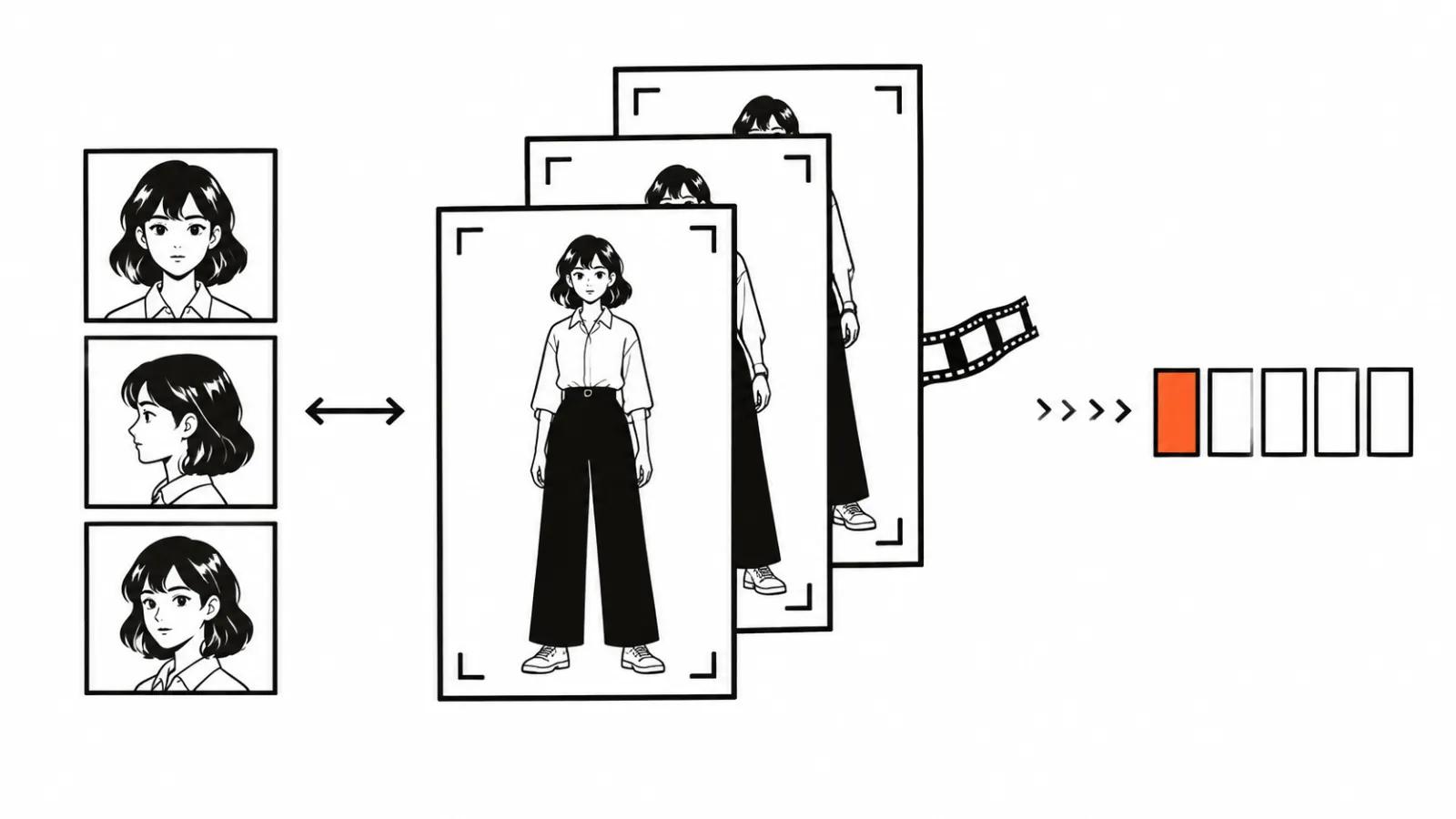
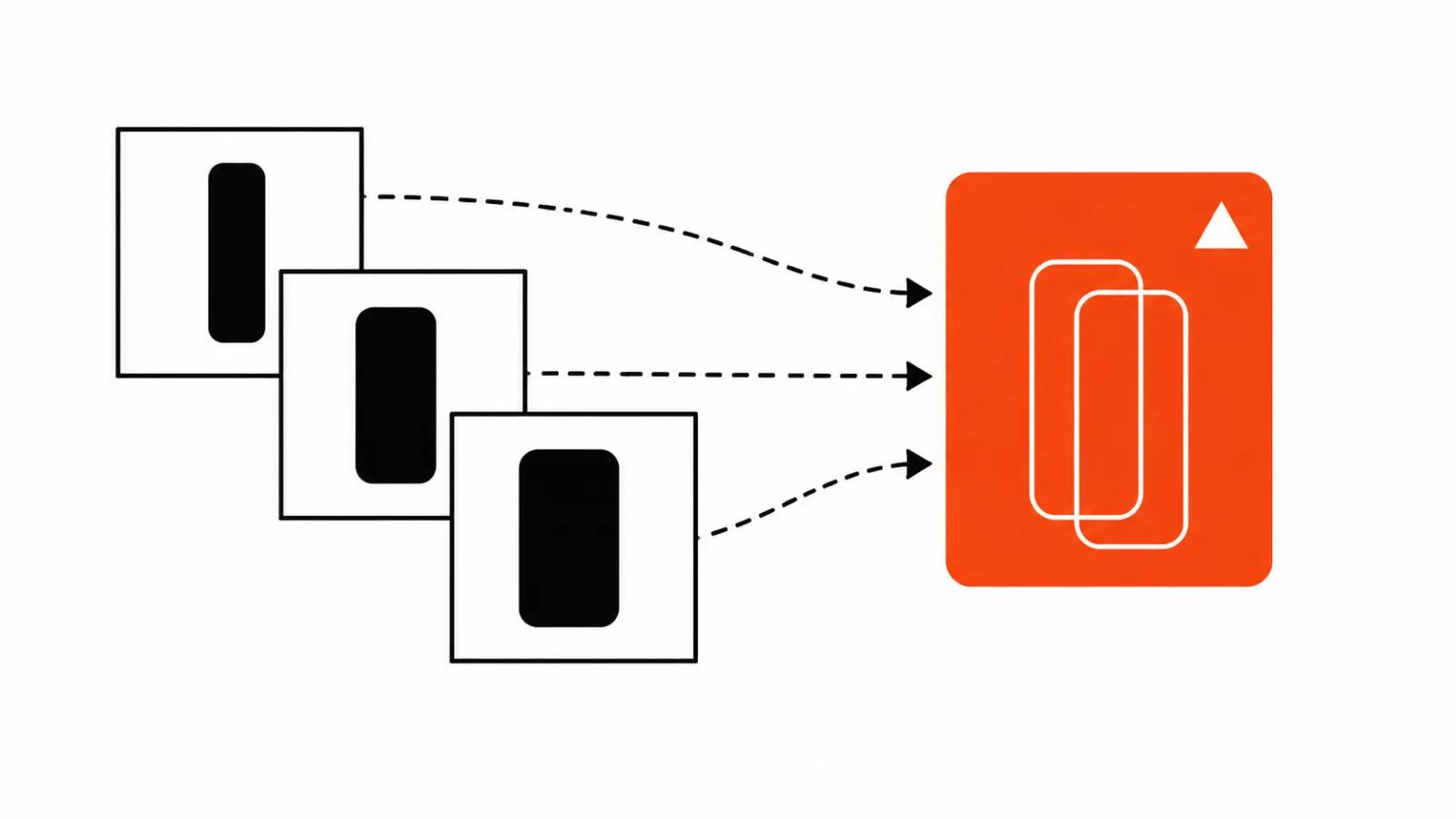
For a product, three shots are usually enough: the front of the pack, a three quarter angle and the top surface. A fourth still with a hand or an object beside it fixes scale. That is enough for the model to get the shape without stretching a jar vertically.
For a character, two: front and three quarter. The second one matters because a turned head shows cheekbones and an ear, and without that frame the model invents them.
If the pack carries small print, add one macro shot of the label itself. In its description of Seedance 2.5 4K, Volcano Engine claims the mode holds the quality and colour of uploaded material better and renders small text from a reference more sharply. For packaging that is the deciding detail: ingredients and weight either read in frame or they do not.
Where references start arguing
The argument starts in plain sight. One still was shot by a window in daylight, the second under a lamp at night, and the model receives two colour temperatures for one object. It picks one, and half the shots run warmer than the rest.
The second source is packaging versions. Old design, new design, a promo sticker, a regional label. Put two versions in the same set and the model blends them inside a single shot, so the client sees a logo that exists on neither.
The third is scale and lens. A wide lens bends proportions, a long one stretches them. The model takes proportions from the frame, which is how a bottle comes back taller or fatter than the real thing.
Some tools remove part of this work. Dreamina Recreate, in its Object Swap mode on the official dreamina.capcut.com page, replaces a chosen person, garment, product or prop while keeping the scene, so the light argument disappears. Higgsfield Short Drama Studio, shown on 16 November, holds an approved face across scenes while clothing and age follow the story. Both are useful when a series is long and hand fixing every shot gets expensive.
When repainting the key frame beats adding references
The rule is short. If two references disagree on colour or on the pack version, a third one does not settle it, it adds a vote. The model averages three sources and returns a third shade.
In that case fix the master. Take the best product still, pull the colour back to the physical item, clean off stray overlays in an image editor, and feed the series one clean file. Fixing the master costs less than chasing a drifting series.
Same with a face. If the master frame looks tired or is lit hard, no shot in the series escapes it. A repainted portrait in even light saves generations.
Checking the series before delivery
The check runs off a list at full scale, and the viewer preview is useless for it.
Face: jaw line, hairline, spacing between the eyes. Logo: position on the pack, size, tilt. Colour: compare against the master on one screen, since the eye adapts to the neighbouring frame. Small print: readable or turned into a bar. Hands: finger count and grip.
The last step is a phone. Platform compression eats soft transitions and sharpens hard edges, so a colour drift shows up on a phone better than it does in the edit suite.
What this means for a job
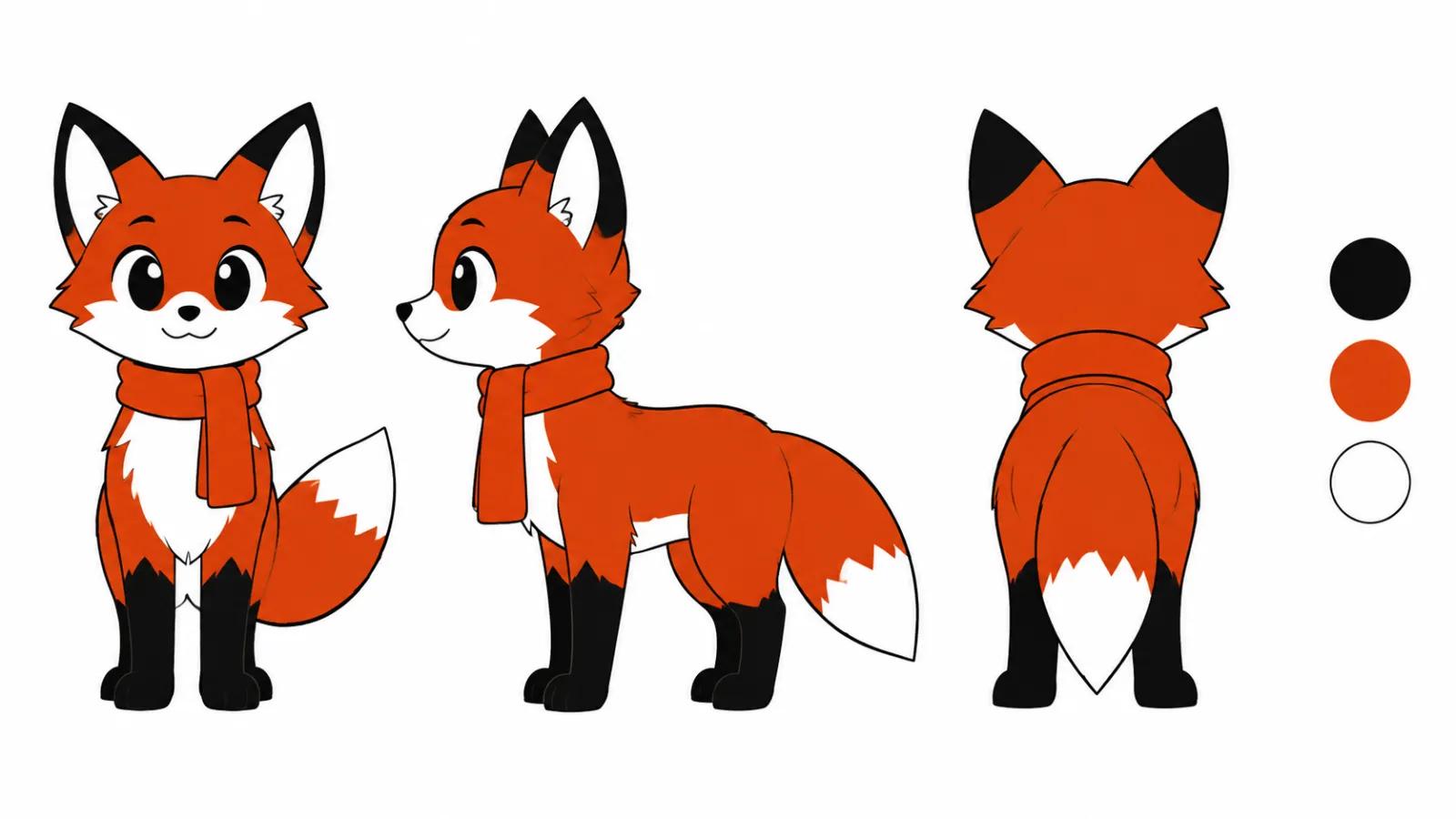
If a character returns across videos, that is AI character consistency work, and it needs its own sheet of masters instead of one portrait in a folder. We have a separate guide on labelling references in a prompt, so the model knows which image is the product and which is background.
Then the production side starts. A series with one product and one hero almost always ships as vertical ads with a version per placement, and inconsistency shows up at once: two videos side by side, two different pack colours.
AI video production makes the footage quickly. The series check stays manual, because what the client notices is the difference between shots.
My conclusion
Reference discipline is dull, invisible in a quote, and the whole series leans on it. One clean master, two extra angles, zero competing pack versions in the folder.
My routine on a new job: build the master sheet before the first shot, generate one test shot, and look at it next to the master. If colour drifts on the test, more references will not save it. Fix the master frame and start the series from there.
One more thing I keep noticing. Arguing with the model costs more than preparing one honest frame for it, and that is the only part of the work a rerun cannot speed up.