What Sarvam claims
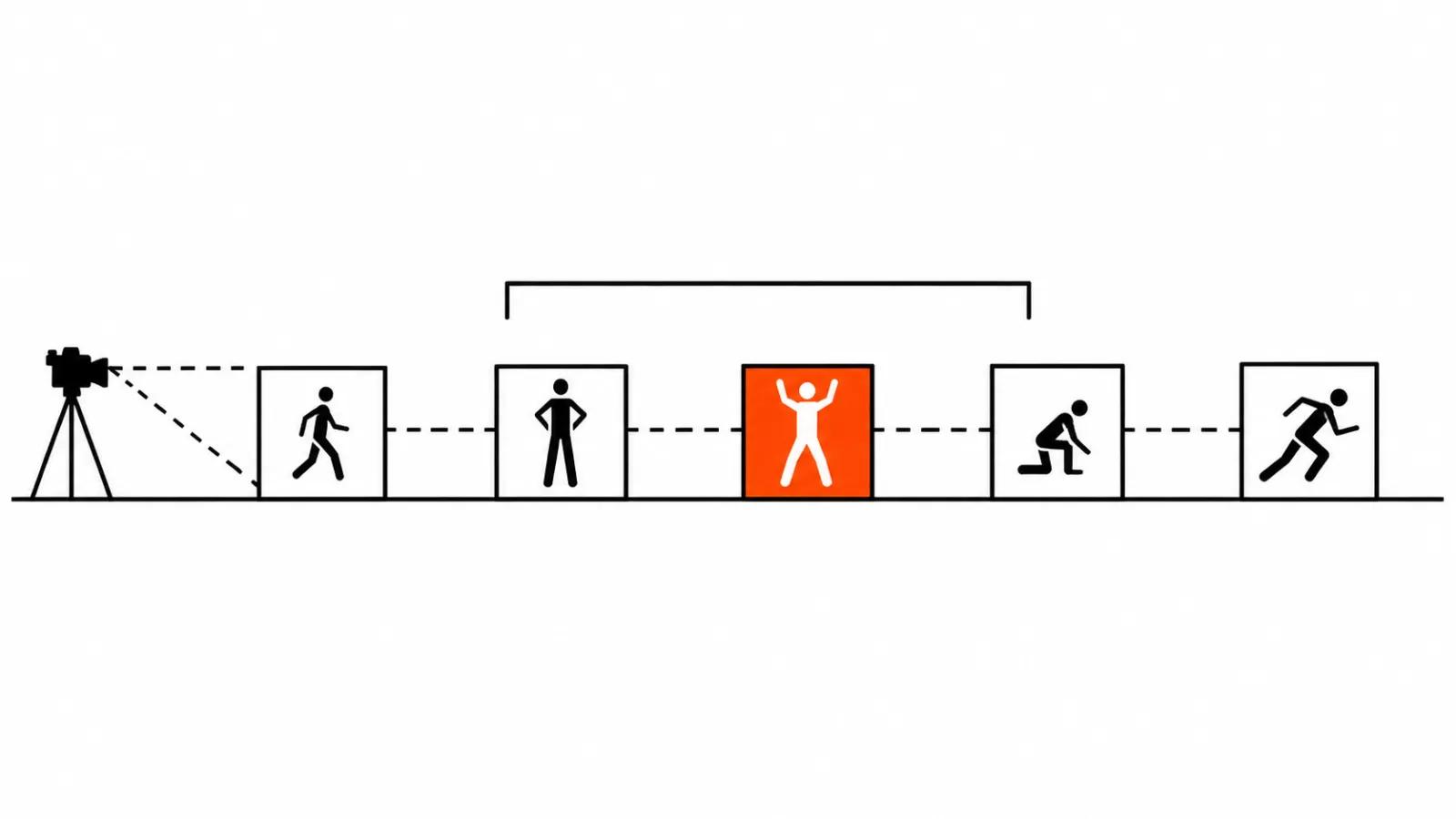
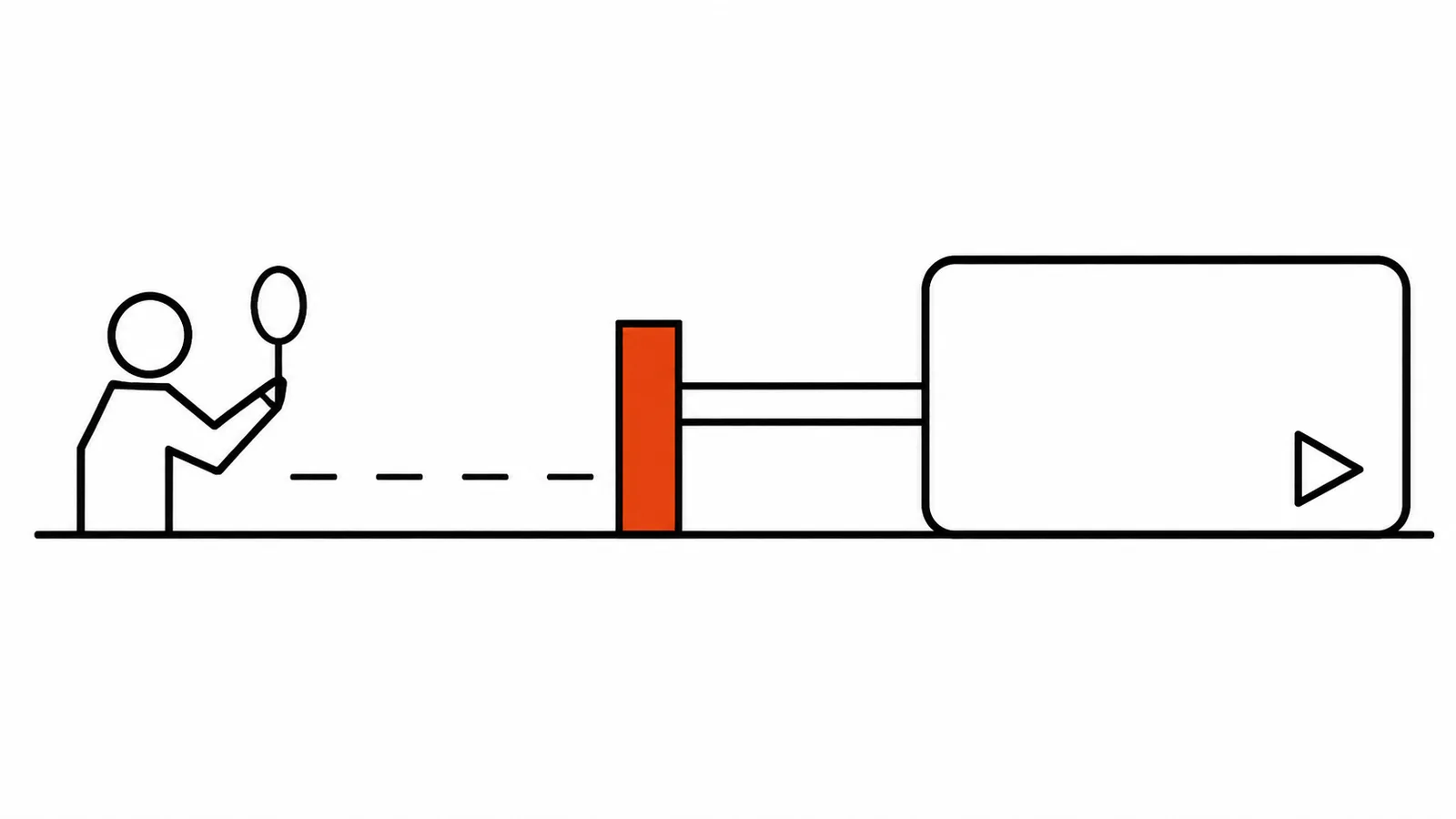
Live dubbing works on an open stream. There is no file on disk: audio arrives continuously, and the line between "after the recording" and "during speech" is the whole product here.
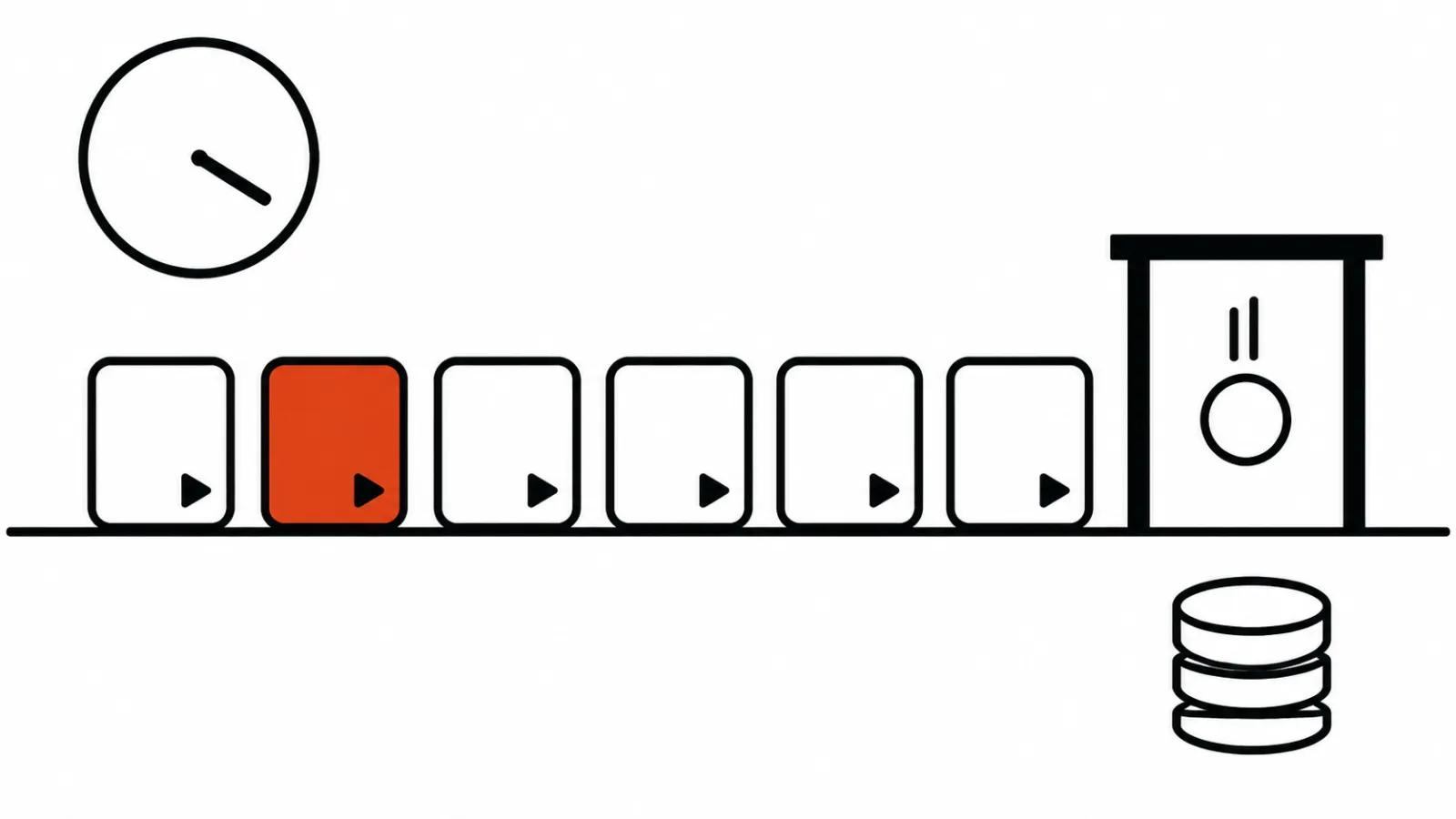
The product page names 12 Indian languages and puts the gap from a word in the microphone to the dubbed output at under 15 seconds.
Audio comes in over HLS, SRT, YouTube and other streaming inputs. The output is a multilingual stream over HLS or on YouTube alongside the original, and switching language does not reload the picture. The viewer changes the track while the image stays put.
Voice and emotion are promised to survive, along with terminology. For sports broadcasts the company cites the commentator's delivery, for studio news the anchor's tone.
AI dubbing and the old approval routine
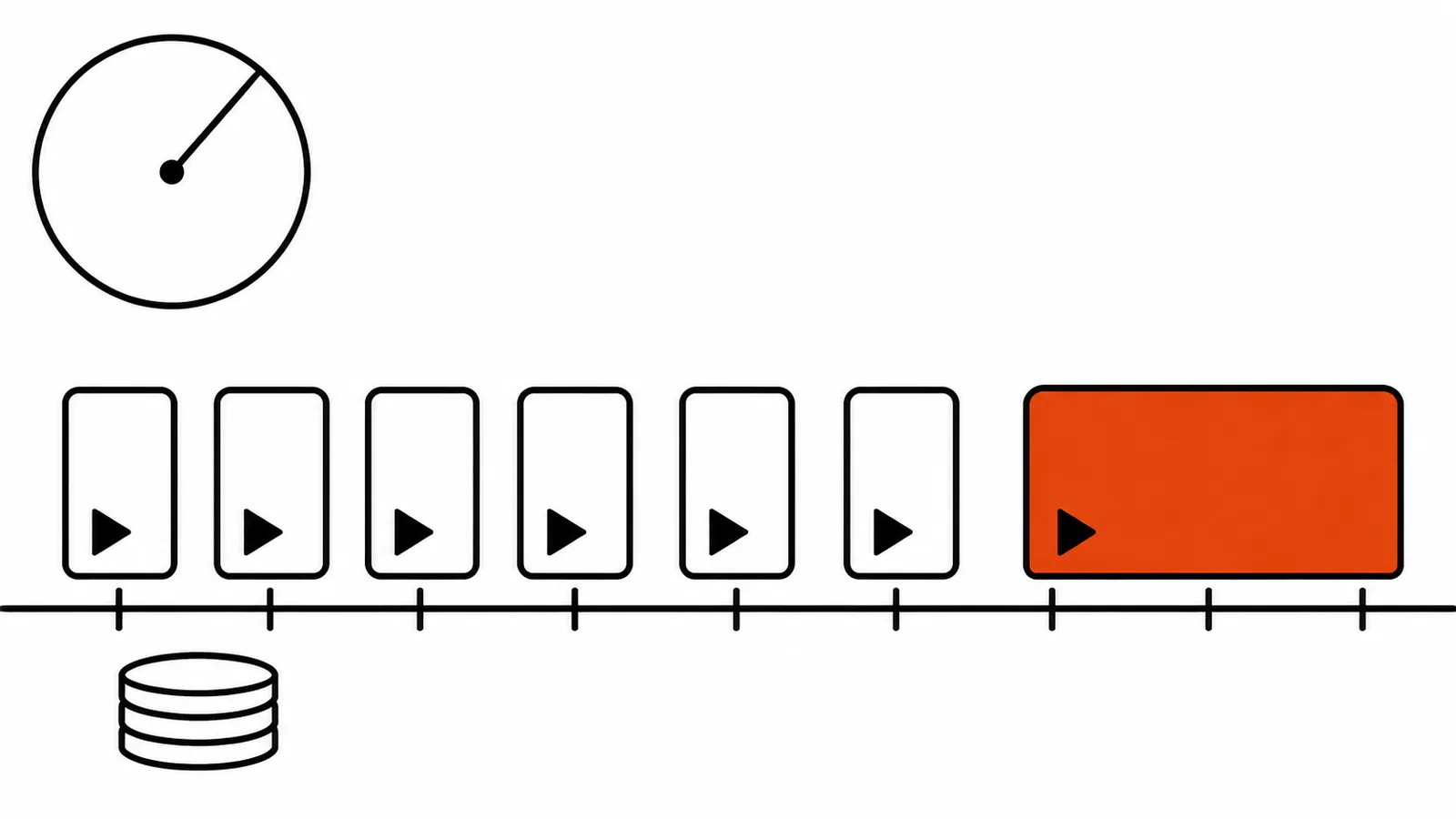
Traditional dubbing is built around a finished file. There is a source, a script, a pass through every line, and a separate export per language. Between recording and publishing sits a pause in which a translator, an editor and a client can catch a mistake. Approval in that setup rests on one more pass: catch the mistake, redo the line, export again.
Live dubbing has no second pass. The company says so directly: the file-based route offers a read-through of each line and an export per language, while the live route has to keep pace with the speaker. So after broadcast there is nothing left to check. Only what was done beforehand counts.
For anyone commissioning AI video production, the practical consequence is narrow. The glossary, names, job titles and product names get locked in advance, in writing, with pronunciation. The vendor itself proposes a rehearsal on material the client knows, and that rehearsal is the last moment when an error can still surface. Responsibility for a slip on air does not move anywhere. The tool speeds up the translation. The signature on the broadcast stays with people.
Translating a video without a second pass
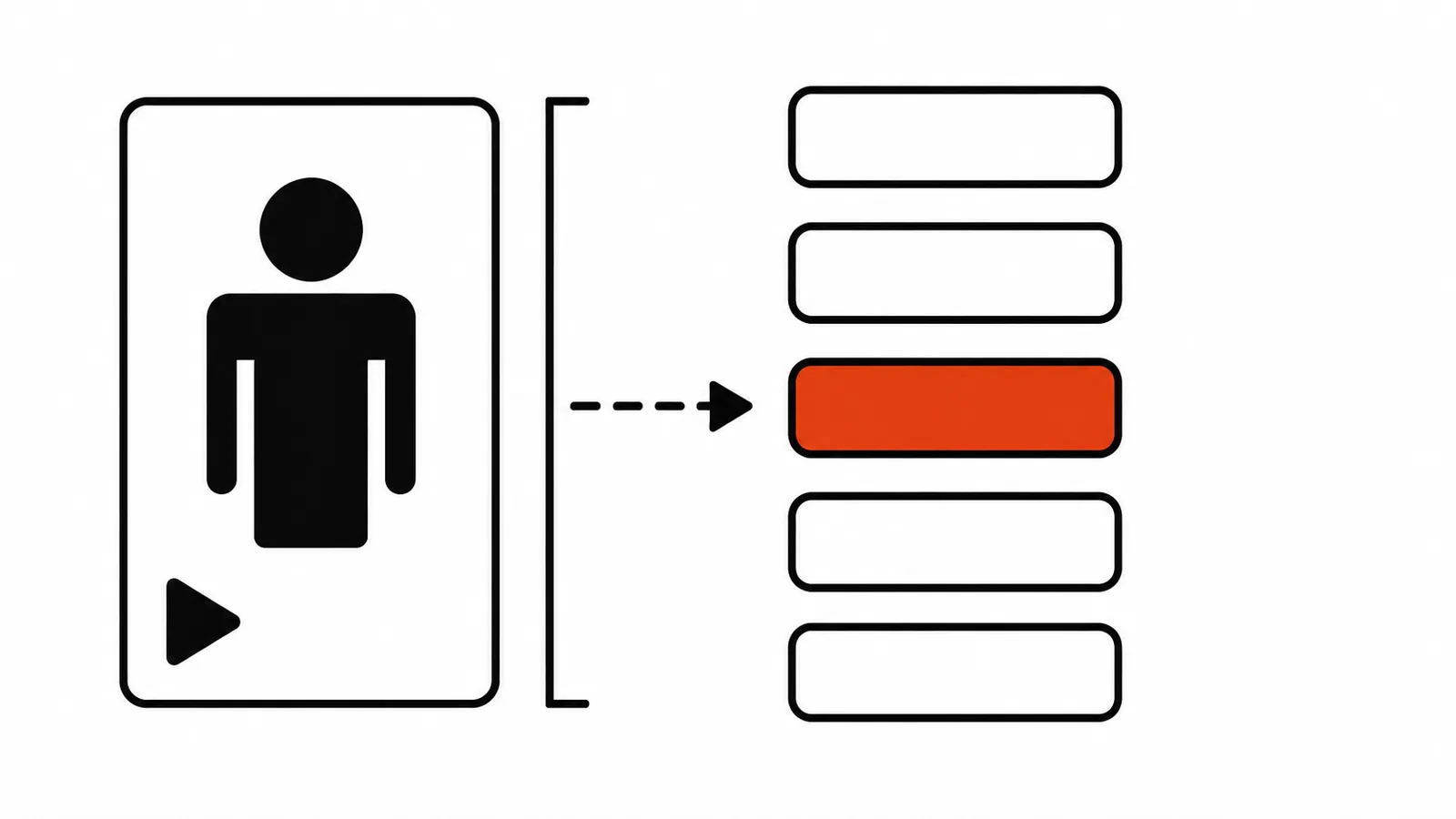
The difference between the two modes is easiest to see on a concrete job. Dubbing with your own voice works from a finished file: upload the material, take the second pass, compare versions, redo it if needed. A live stream has no version two.
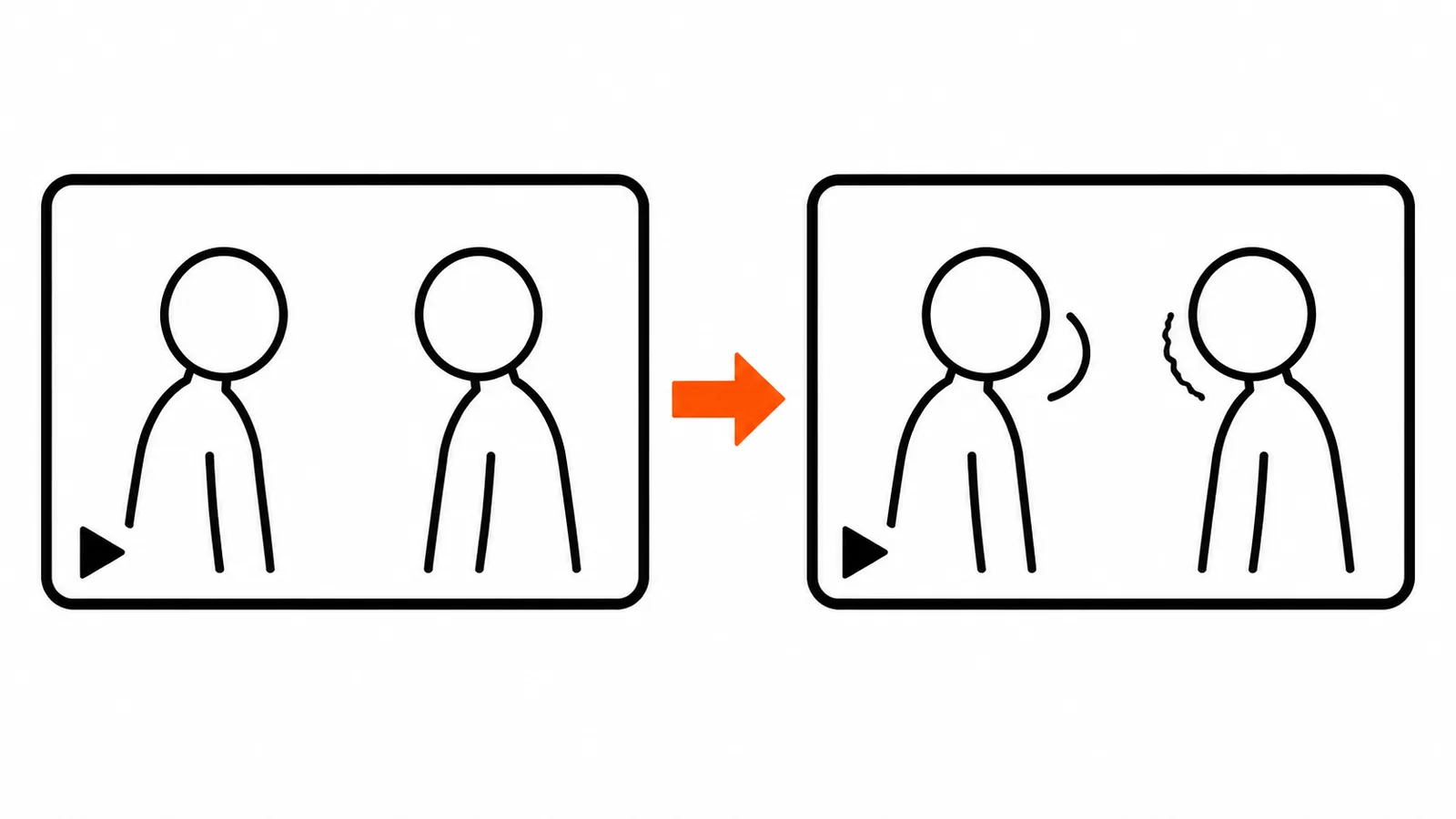
The same goes for lip sync dubbing, where the mouth shapes are matched to the new track and that matching takes time. With under fifteen seconds of delay there is no room to match every sound, and the product page says nothing about lip shapes at all. The viewer hears a familiar voice in another language while the picture keeps its own timing.
That gives a simple test for when live dubbing fits. It suits work where the translation matters in the moment: a match commentary, a news bulletin, an announcement in a venue, a long product presentation. It fits badly where the wording has to be exact and go into a permanent recording.
Two cases: a budget and a multi-hour launch
The company names two examples. The first is a budget address for 2026 carried live in Hindi and Kannada in the voice of the finance minister, on a television channel. Sarvam calls it the first national budget dubbed live on Indian television. The second is a multi-hour product launch for Ather Energy, dubbed live end to end. In the demo a single broadcast carries switching between five languages.
The list of scenarios on the page is broad: sports commentary, a studio news bulletin, a government-level address, a product presentation, a lecture with technical vocabulary, a public announcement at a venue. Multi-hour launches are called out separately, and that makes sense. A corporate video for a new product can run for several hours, and translating the recording afterwards is pointless because by the evening the news is stale.
AI voiceover: what stays off the page
The speaker's voice in another language means the system reproduces the timbre and delivery of a specific person. The product page says nothing about consent for that voice: not how it is documented, not what happens to the recording after broadcast. That is a question a client has to answer, and better before the rehearsal, because afterwards it is already settled in the wrong direction.
The second thing to settle early is deployment. Three options are offered: cloud, the client's own VPC, and on premises. For a broadcaster or a public body the choice between those matters more than a few seconds of delay.
There are no limits and no price on the page. Comparing live dubbing with conventional dubbing on cost is not possible yet, and the fifteen seconds remain a claimed number to be re-measured on real material.
The real change is procedural. A translation used to be signed off before air. Now it is signed off in rehearsal and goes out as it is. Anyone prepared for that arrangement gets one broadcast in twelve languages. Anyone who needs a proofread line is still better served by a file, for now.