Two suits, filed on Friday
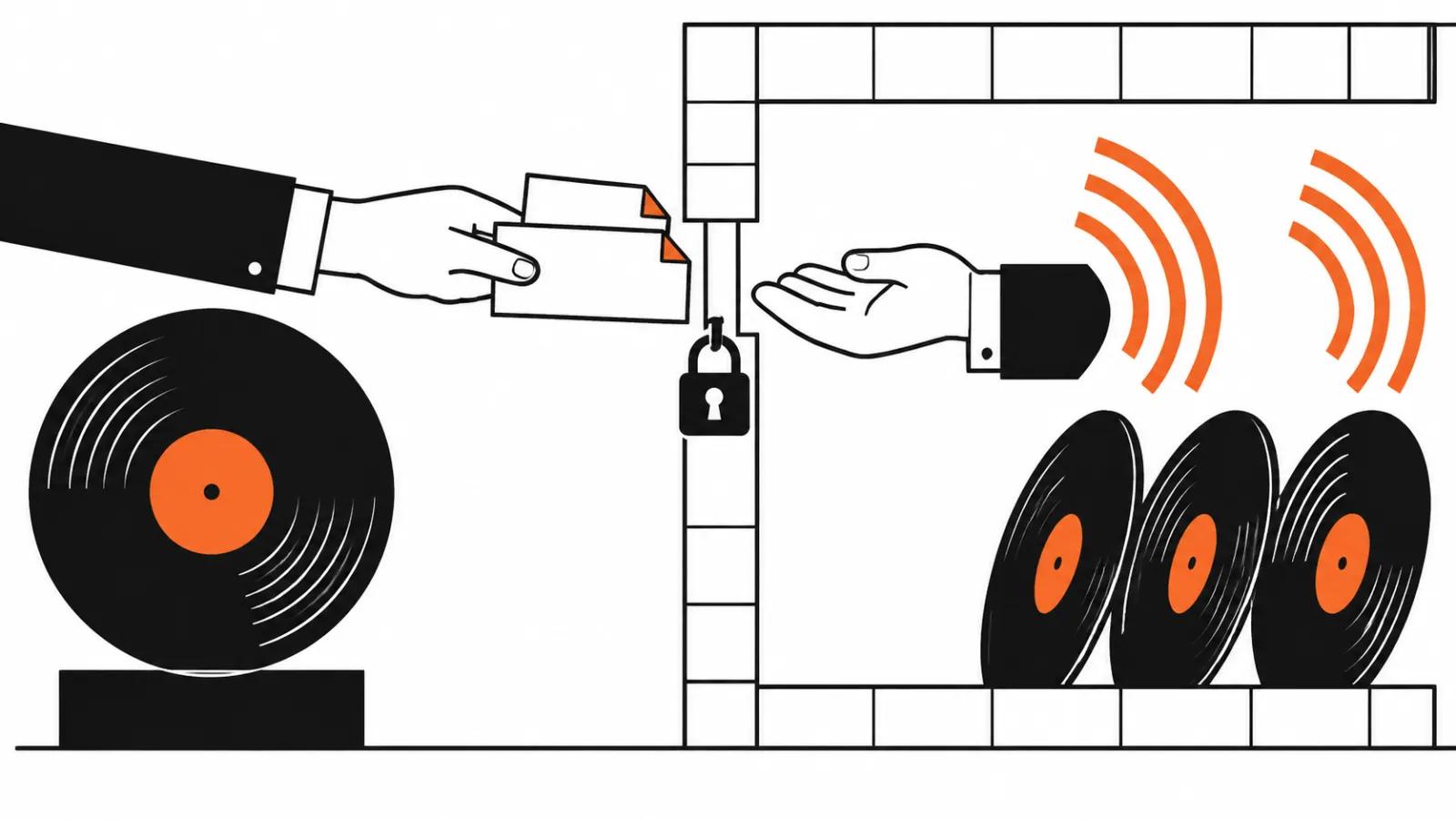
Two new federal suits against Suno were filed in the Northern District of California on the Friday before 9 November. One legal team leads both, under Richard Busch, and that detail carries weight: the suits are built as a pair with a shared strategy, so complaints from different rights holders read as a coordinated move.
The first came from the rights holders of Elvis Presley. The second from Eight Mile Style, the publisher of Eminem's early hits. The defendant is the same service that turns a text prompt into a finished track. No court has ruled yet, and these are American cases, which makes them a signal for everyone else: the direction the law is taking around generated music.
Why this matters for AI music videos
Generation itself stopped surprising anyone a while ago. The argument is about resemblance. AI music videos are built around a track a service produced in a minute, and sometimes that track lands close to a voice people recognise. A rights holder looks at the finished video, the ad, the clip, and hears their voice or their melody inside it.
Then platform mechanics take over: a claim, a monetisation block, a takedown. The client hears about the problem from a platform, on published material. That is why anyone ordering clips and ads should read these filings. They show which arguments are in play and which words in a prompt turn out to be expensive.
The ELVIS Act: a voice as its own claim
The suit comes from Elvis Presley Enterprises, Authentic Brands Group and Raleigh Music Publishing. It is one of the first big tests of Tennessee's ELVIS Act, a law in force since 2024 that protects an artist's voice, image and likeness from unauthorised commercial use, including AI voice cloning.
The complaint runs to 51 pages. It claims Suno lets users generate tracks in Presley's voice. Damages could pass $50 million.
The legal logic matters more than the sum. Copyright asks you to prove copying of a specific work: melody, lyrics, arrangement. Voice and likeness rights work wider, and showing that a service turned a recognisable voice into a product is enough. The lesson for a studio is that resemblance to an artist is now its own ground for a claim, even when the melody overlaps only partly.
Eight Mile Style: 269 Eminem songs
The second suit came from Eight Mile Style, publisher of Eminem's early catalogue. It covers 269 compositions, among them "Lose Yourself", "The Real Slim Shady" and "Stan". Eminem is not a party, the publisher brings the claim.
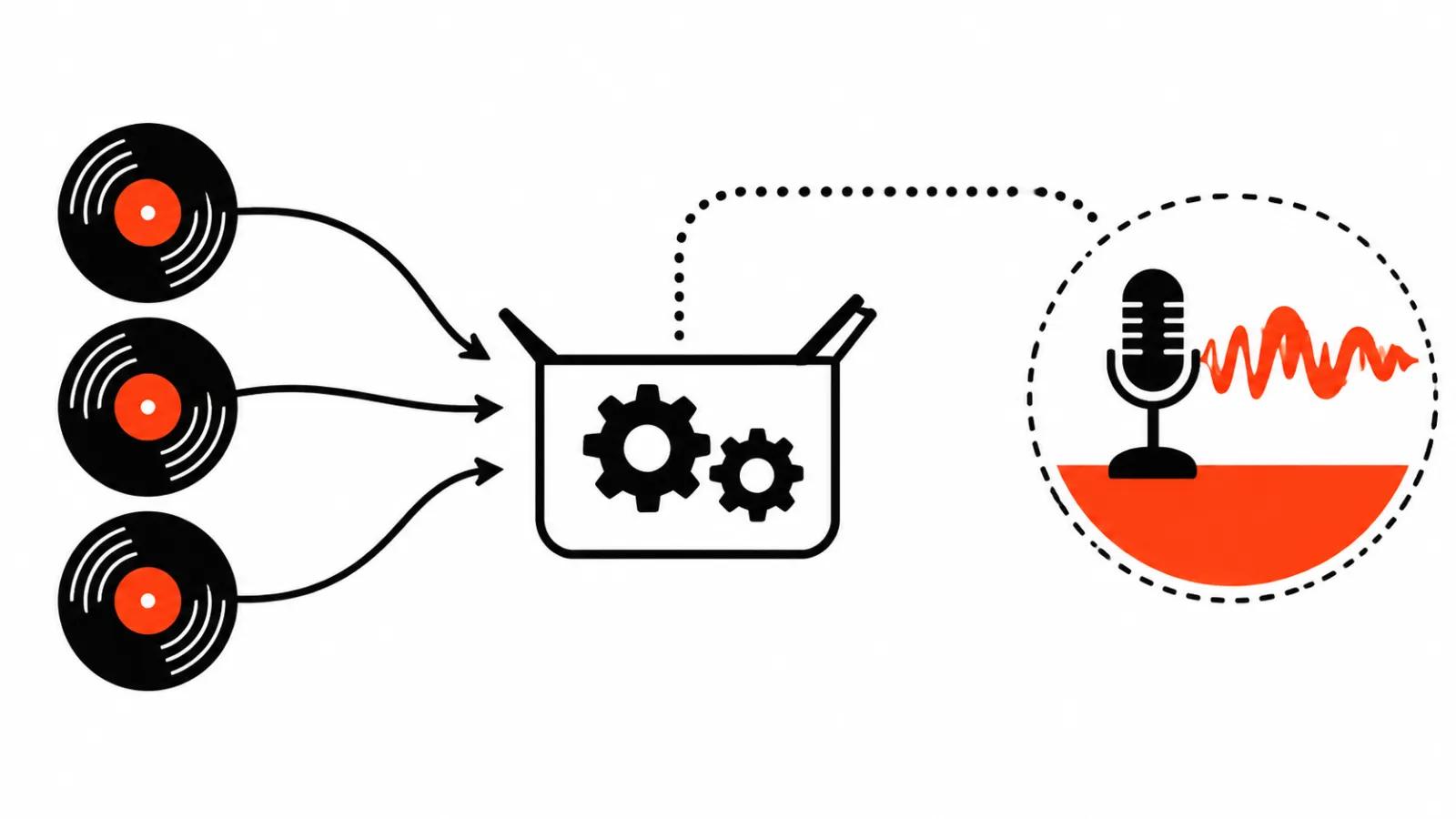
The wording is familiar from earlier cases: the model was trained on those recordings without permission. The demand is around $41 million. This fight is about training, the stage before any generation, and that is the part the market should watch. If the court accepts the publisher's reasoning, the whole practice of training on other people's catalogues comes into question, along with the model stock every player has accumulated.
What Suno says
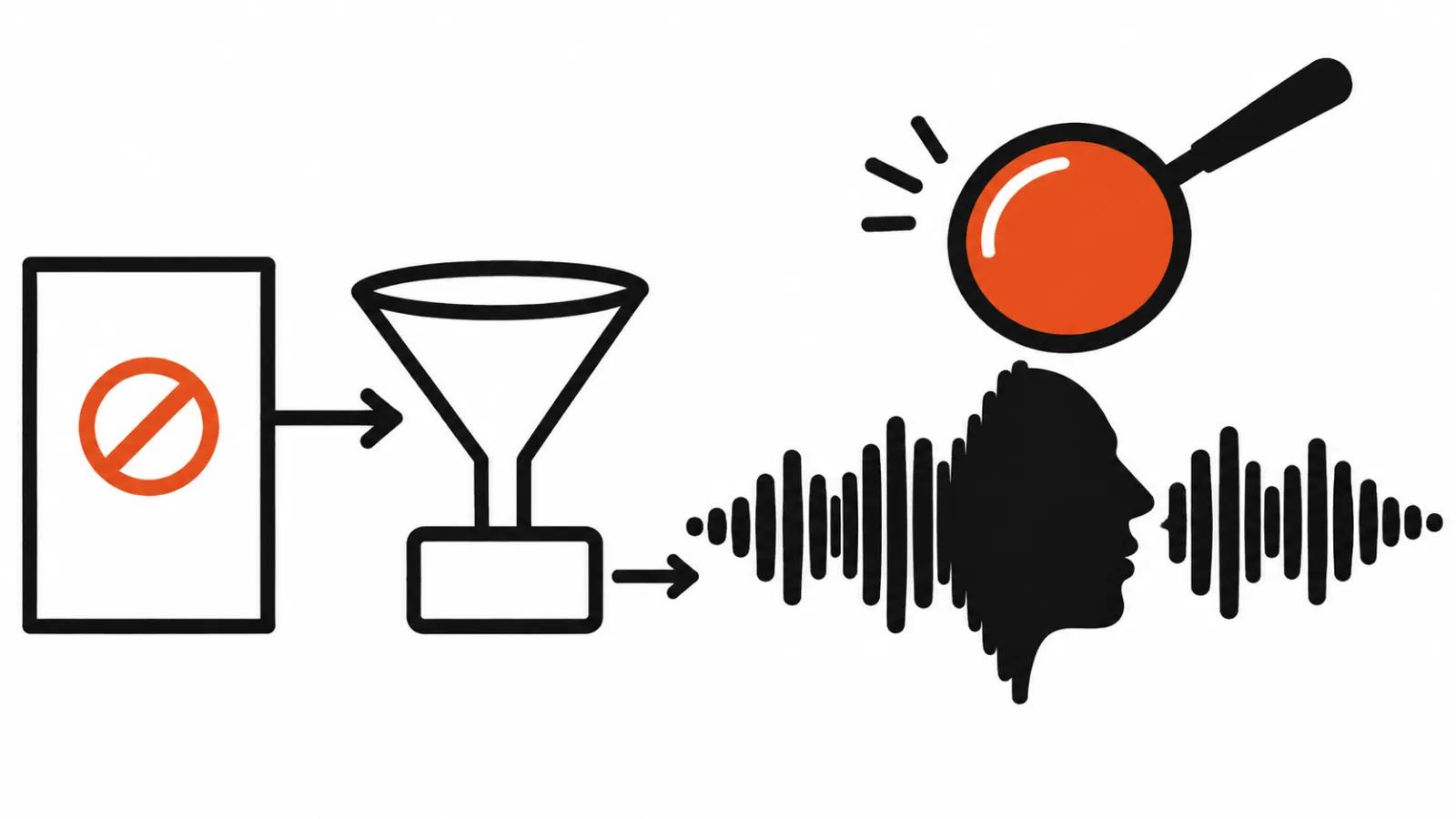
The company's position: prompts naming specific artists and song titles are not allowed, and uploaded audio and lyrics run through third party checks. According to We Rave You, names are handled in a subtler way: they become style tags. A request mentioning Pantera comes back as "aggressive metal".
The mechanism is sensible on paper and leaky in practice. Someone who wants a track that sounds like Presley gets a style description back, and the result can land close enough to read as that artist. The filter catches a word in the prompt; resemblance lives in the output.
Other cases and the money
Suno is not only fighting heirs and publishers. Round Hill Music, Reservoir, Universal Music Group and Sony Music have all filed. Warner Music settled last year and signed a licence. The company holds deals with WMG, BMG and Believe, and the first label friendly model shipped in September 2026.
On 3 November Suno moved to dismiss a class action from independent musicians. Those plaintiffs, led by Jason Isbell, lean on right of publicity, and copyright is not the main argument in that filing. A June funding round of $400 million put the company's valuation at $5.4 billion. Money like that explains the stamina on both sides: with those numbers on the table, this will run for years.
Where the risk sits in an AI music video and in ads
Our rule is short. No artist names and no song titles in the prompt; style gets described with genre, instruments and era. For commercial work we keep the service licence and we keep the prompts, because if a claim arrives we need the record of how the track was built.
Ordering an AI music video works the same way. The track is written to the edit, its rights are fixed in the contract, and AI video production ships with music that has a clear owner. When a job needs filmed material instead, a person picks the track, and that sits inside our handcrafted videos, from $190.
The basics of choosing a track without stepping into someone else's rights are covered in our piece on AI music for video.
My conclusion
My position: these suits change the price of a habit. A clip assembled in an evening never went through a resemblance check, and the check looked like an extra step. It is now cheaper than a redo, since the claim lands on the finished video and the client pays for it.
One caveat: nobody knows how these cases end, and platform rules can change faster than courts decide. So I bet on the buffer. A prompt with no names, a service licence and a saved request history cost little and cover the ugliest scenario, where someone else's voice inside your clip becomes your client's problem.