What Udio and Universal signed on October 29
On October 29, 2026 Universal Music Group and Udio settled the copyright infringement suit. The peace is written as two licences: recordings and the publishing catalogue. Neither side disclosed the compensation, which is normal for this kind of agreement.
The fact itself is what matters. This is the first major label lawsuit against AI music that closed with licensing. The suits against Suno are still running, and no deal is in sight there.
Licensed AI music: a subscription service is coming
Later in 2026 the deal turns into a subscription service for AI music, trained only on cleared material. Artists join on opt-in, so each one decides whether their work goes into training.
The payout comes twice. One part covers the use of a recording in training, the second covers AI output built on that artist's material. The structure is tidy, and I expect the other majors to copy it.
Tidiness has a price. Opt-in means a thinner catalogue at launch than the models that trained on whatever the web offered. The source does not say how many artists will join, so output quality on day one stays an open question.
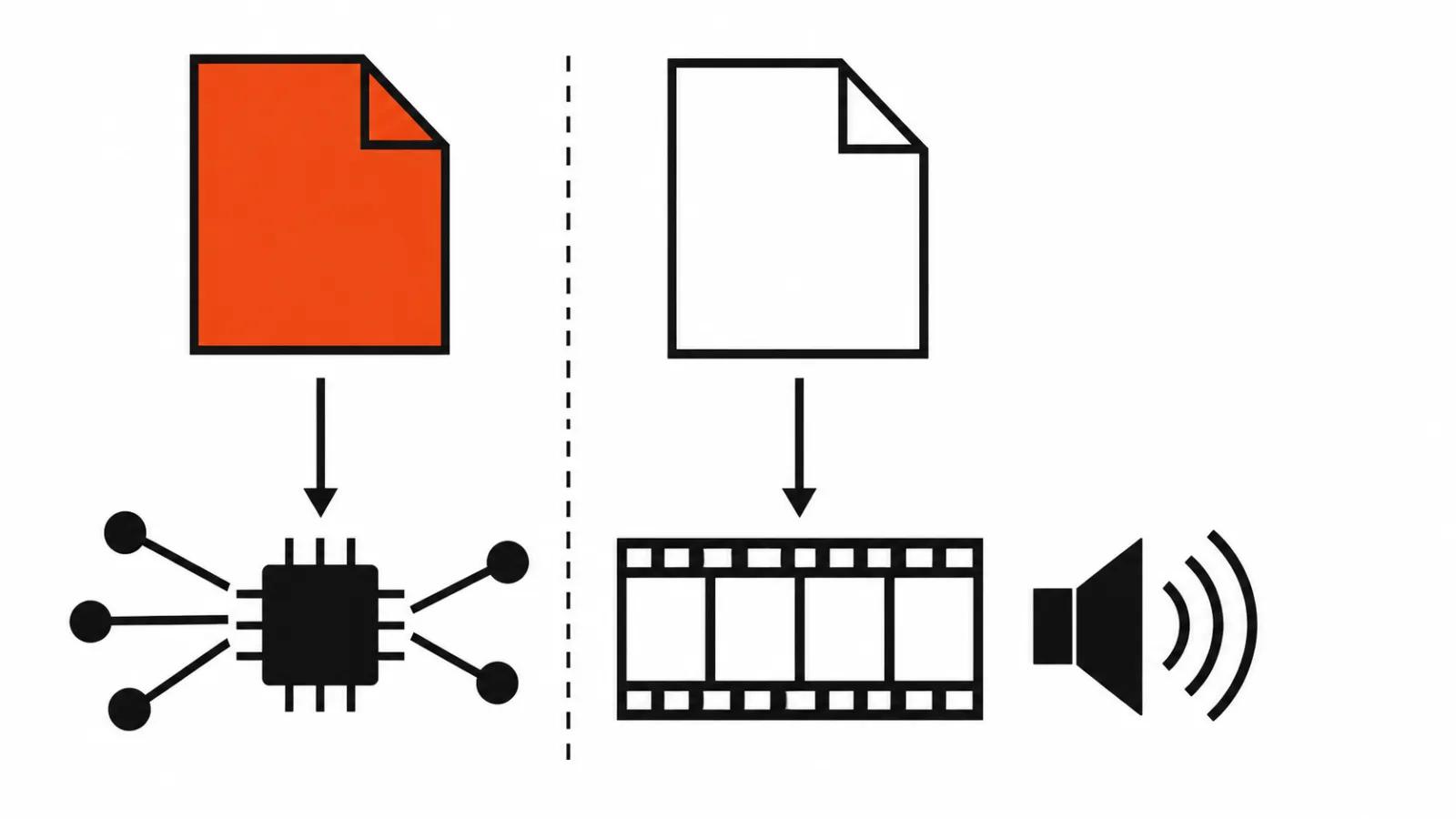
A walled garden: the track exists, the download does not
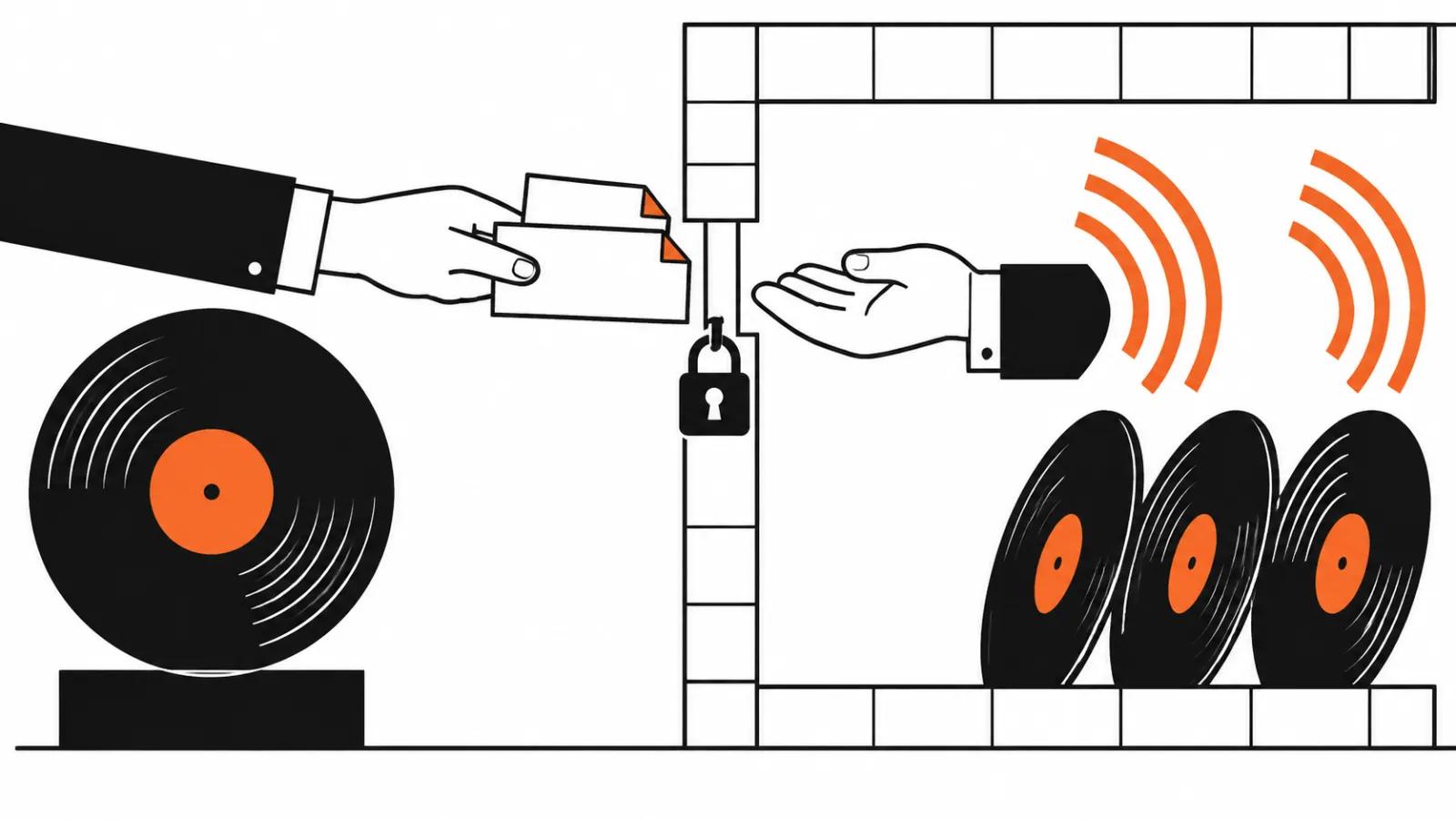
The platform is built as a closed space. Fingerprinting and filters watch what enters the model and what leaves it. Tracks can be adjusted, played and shared, while downloading is off the table.
Udio subscribers on Reddit attacked the plan right away, and their logic is fair: they paid for a music generator and got a player with limited access.
The current Udio product runs through the transition with extra safeguards. The source does not spell out what the new subscription will include, so there is nothing solid to budget against for a specific project.
Music for business video: where the download ban lands
Here the settlement shows its other face. Video work runs on files: the track has to sit on the timeline, inside the project, at a known level and with a clean tail. With no download, the music stays inside the platform and never reaches the edit. The service description lists no export into an editing app.
That makes the licensed Udio close to useless as a source of music for business video: the rights are clean and there is nothing to work with. A commercial, a batch of vertical cuts, an episode for a channel all need a file you can trim, duck under a voice and mix.
My argument is simple: in production the licence to export wins. A track should leave the service with a document saying it may sit in a commercial video and run on the platforms. Anything that lives only inside someone else's interface does not exist for an editor.

Copyright in AI music: four checks before you generate
Copyright in AI music is easier to handle as four checks.
A training licence and an output licence are two different documents. The first allows a model to learn from a recording, the second allows you to use the generated track. A subscription usually covers the second and says nothing about the first.
Platforms and territories. A licence for social ads and a licence for monetisation on a video host are built differently, and the terms are read for a specific placement. The same pass covers the separate question of whether a platform treats the output as original.
Term and withdrawal. The parties agree on what happens when an artist leaves the opt-in. For a project that runs a year, that clause is critical.
Paper trail. Screenshots of the plan, support emails, the generation date. In a dispute with a platform, a history helps and memory does not.
On-screen labels belong to the same check. AI content labeling differs from platform to platform and changes faster than any music catalogue.
Suno and UMG: licences are sold by vertical
The suits against Suno continue with no deal on the table. Universal Music already had partnerships with YouTube, TikTok, Meta and BandLab. Days before the Udio agreement the company licensed its catalogue to Tyger, a platform that makes music for games.
The pattern runs by vertical. Games got catalogue access first, music for video is still waiting. The major sells rights in slices and watches who will pay and how tightly usage inside a platform is controlled.
My take
First: pick music by the licence to export. A subscription that keeps the track inside its own interface saves money and costs time.
Second: documents beat catalogues. For handcrafted AI videos the client gets a track with proof of rights, otherwise a platform dispute six months later lands on the person who pressed export.
Third: series. Running an AI YouTube channel at volume needs a library with repeatable rights, because ten episodes a month do not run on one track.
The Udio and Universal Music settlement sets the frame for the next year. Licensed AI music will exist, access to it will be narrow, and the download clause will be the first thing to read.