Anyone can spot an AI video now, no account needed
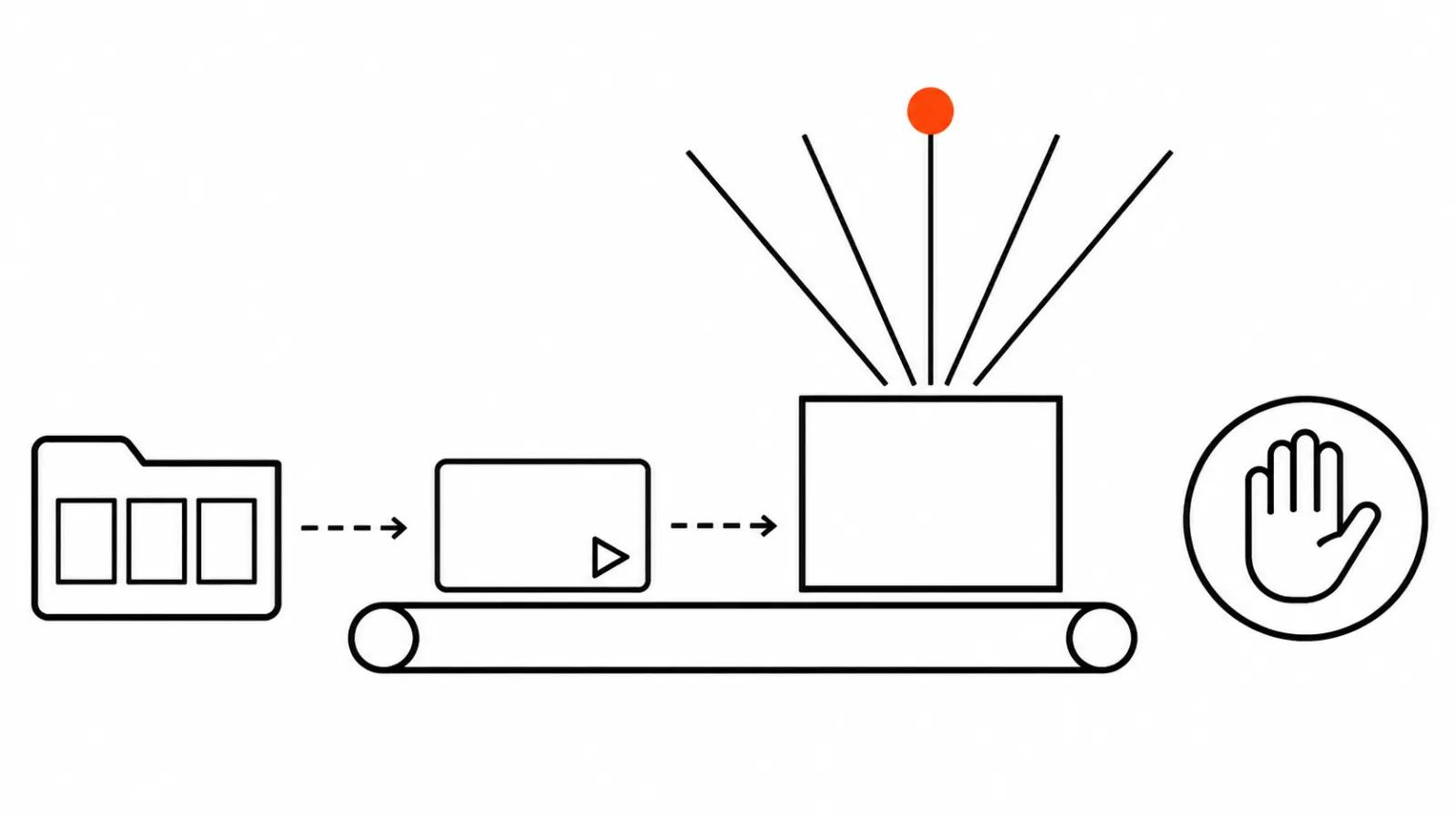
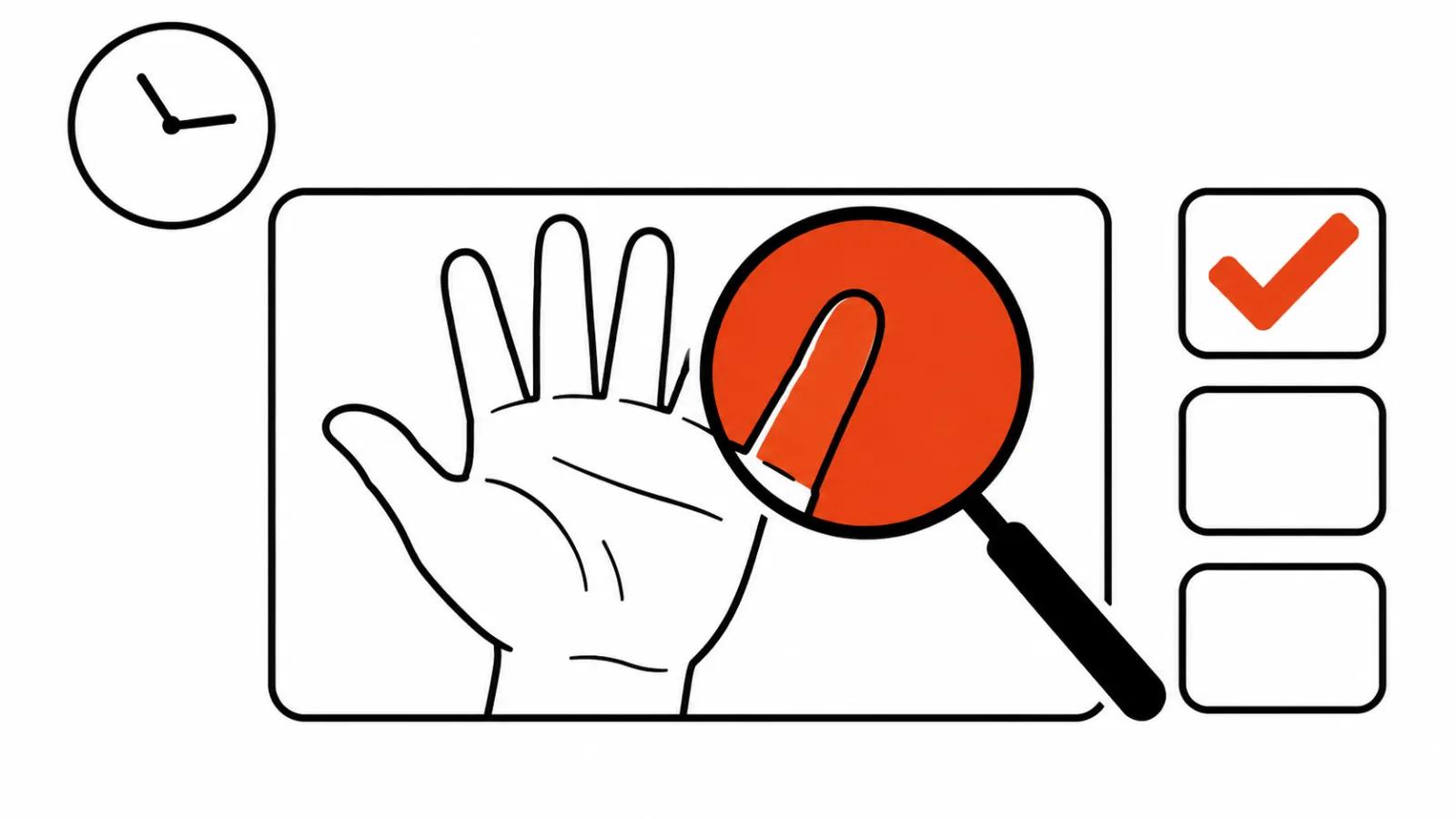
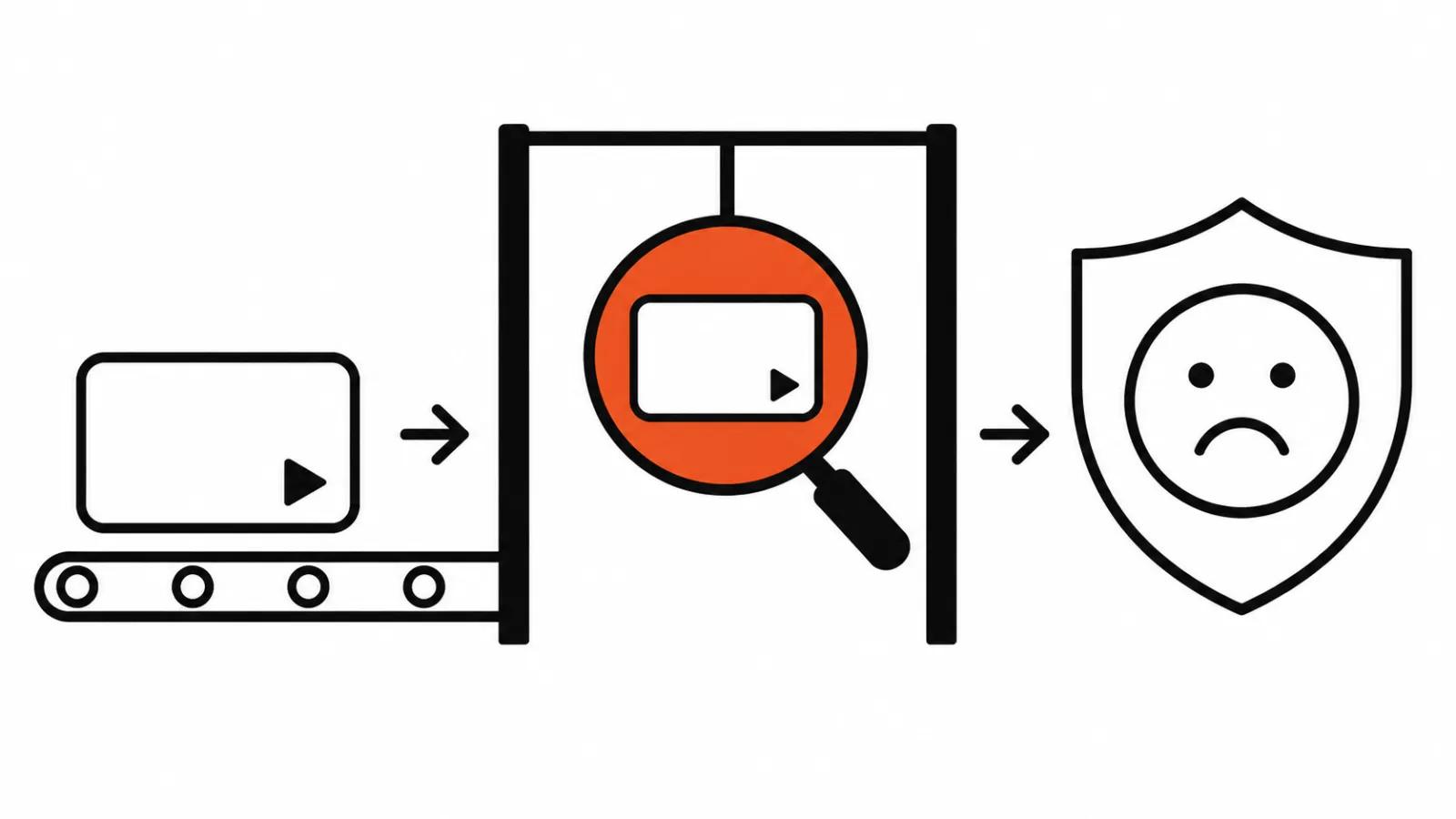
On 20 November 2026 TikTok announced both tools in its Newsroom. The first is the Transparency Centre. You drop in an image or a video, and it tells you whether the file was made or changed with TikTok's own AI tools. No account required, which matters: a buyer, a journalist or a community moderator can check someone else's clip without a profile.
The check reads two sources. One is C2PA Content Credentials, an open metadata standard. TikTok has attached those automatically since 2024 and was the first video platform to support C2PA. The other is VeraDura, TikTok's own invisible watermark, which the company describes as more durable and harder to strip than the usual tags.
For a brand making ads with AI, that means one simple thing. A clip assembled inside TikTok is identifiable by default. Hiding it is pointless, since the label can be pulled out of the file through a public form.
Likeness Detection: how TikTok guards your face
The second tool is Likeness Detection, built as a voluntary protection layer for a face. It is aimed at creators and public figures, and it is rolling out worldwide in stages.
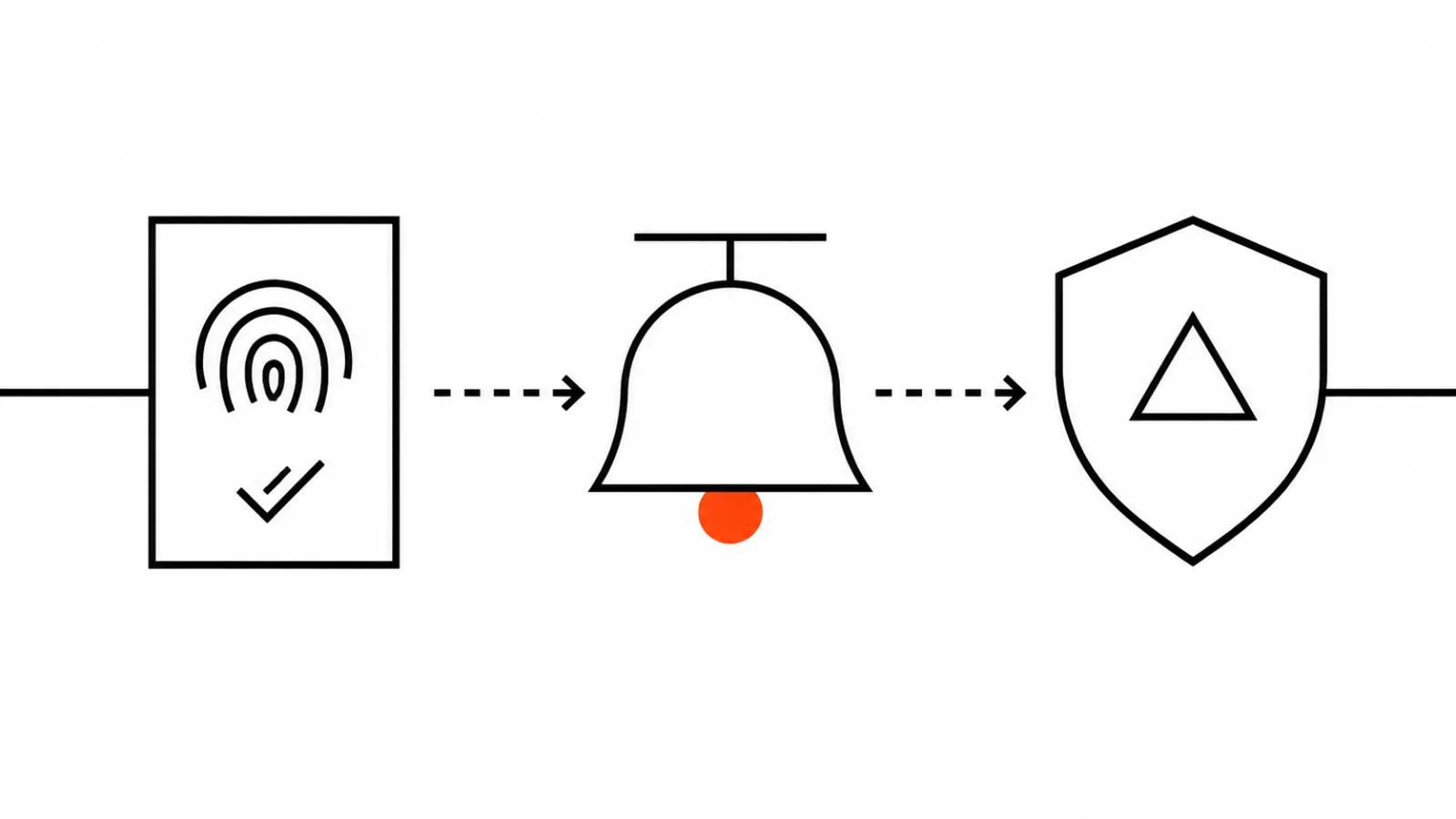
Three steps. First you verify your identity through a third-party partner. Then you start receiving notifications about content and accounts that may be using your likeness without permission. From there you can report it to the safety team, and anything breaking the rules gets removed. TikTok says it does not store your documents.
In social initiatives this is more useful than it sounds. A founder, a doctor, the face of a local brand shows up on camera themselves and later finds their footage rebuilt by someone else. A notification at least gives you a date and an address for the copy.
Where the checker has blind spots
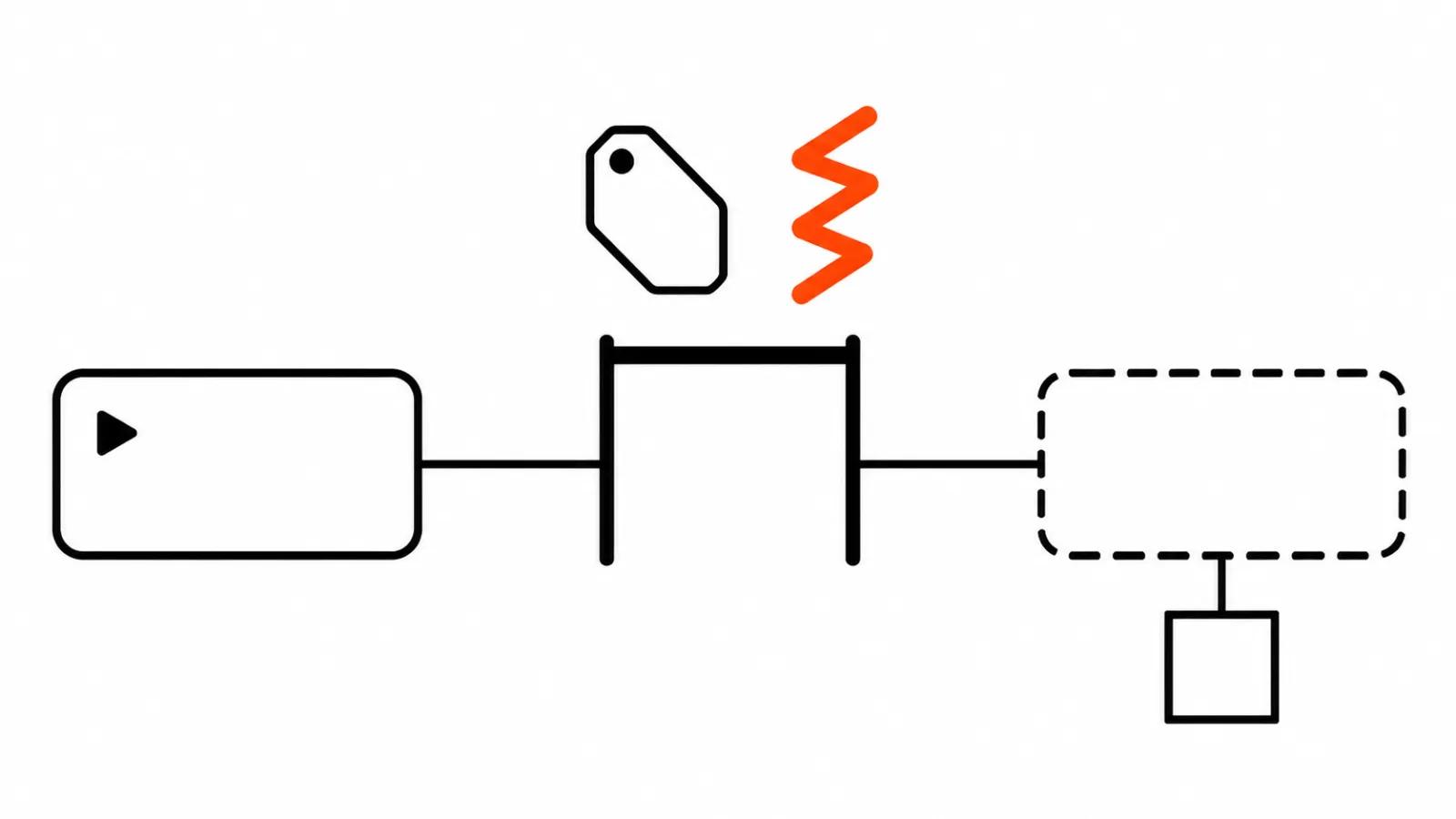
Here is where I read the release soberly. The check recognises work from TikTok's tools: C2PA labels and the VeraDura watermark. A clip out of Kling, Veo, Runway or a local ComfyUI setup, uploaded from a laptop, is a stranger to the Transparency Centre. There are no TikTok labels in it, and the system will honestly say it found no traces. A reader turns "nothing found" into "so it is real footage" in about two seconds.
The second blind spot is Likeness Detection itself. It matches a face and does not care which tool built the clip. What happens with handheld footage in bad light, or with avatars redrawn past recognition, is not in the release. There are no false positive numbers either, and we will learn them from creators complaining.
One more thing about labels. An invisible watermark survives until the first re-encode in another editor, and only TikTok knows how much VeraDura tolerates. I keep that in mind and build no legal promises on top of a watermark.
What changes for people publishing AI clips
The real change sits in the relationship between client and platform. The question "is this AI?" used to be settled by eye. Now a stranger has a form and a button.
The practical takeaway is plain: label the AI clip yourself and stop relying on a tag appearing by itself. A clip with generation, editing and graphics should go out with an open AI disclosure. Then the Transparency Centre check confirms what you were never hiding. Europe is moving the same way, with mandatory labelling of AI video taking effect on 2 December, which I covered in the piece on the EU AI Act rules.
The second takeaway is about faces. Someone else's likeness without written consent stops being a grey area and becomes a budget risk. If that person has Likeness Detection on, your clip lands in their notifications and then on a moderator's desk.
The numbers TikTok uses to back the release are worth keeping for client conversations. More than 5 billion AI videos are already labelled. Over 99% of violating content is removed before anyone reports it. The AI literacy hub has reached more than 4 million people since July, and the Manage Topics filter lets a viewer shrink the share of AI content in the feed. I read that last one as a signal: audiences are learning to filter AI out, and clear labelling is your ally there.
A clean feed starts before upload
A sensible order for AI faces looks like this. Your own face gets shot with paperwork on use, anyone else's face is off limits. An avatar is built either from your own talent with written permission or from a synthetic face with no owner at all. For a recurring character an AI avatar works well: it stays recognisable, belongs to the brand and needs nobody's likeness rights.
Then labelling. The internal check before publishing is short: run the finished file through the Transparency Centre once it is in TikTok and see whether the tool answers as expected. If it says "no traces", the problem is in your chain, because the file went through an editor that ate the metadata.
That pulls one more rule behind it. Do not strip labels from your own clips. A metadata cleaner in an ad pipeline is a fast way to lose a client's account. A similar conversation about telling generated footage from shot footage sits in the article on how to spot an AI video, where I go through detection models and their accuracy.
Scale in vertical ads adds a second problem: forty versions of one clip. Keep one labelling rule for the whole batch, otherwise half the files ship with tags and half without, and nobody checks that by eye. How I build those series is in the breakdown of vertical ads for Reels and TikTok.
What this does to the market
TikTok is not first. YouTube runs a similar likeness detection tool, as RTE reported the same day. The direction is clear: platforms are becoming the arbiter of whether the face on screen belongs to a person.
For a studio that adds a line to the contract. The contractor assembles the clip and also answers for where the faces came from and for the AI label surviving the edit. Clients like that: one owner of the problem, no email thread with a platform after a takedown.
One last point. The check cuts both ways. If a competitor posts a clip with your face, you now have a tool and an address to press. It is a slow mechanism, and it beats a complaint sent into the void.