What changes on December 2
December 2, 2026 is the deadline by which every provider of AI video generation in the European Union has to leave a machine-readable mark in its output. The rule lives in Article 50(2) of Regulation (EU) 2024/1689, known as the AI Act, in its consolidated version with the amendments of Regulation (EU) 2026/1744, the one called the digital omnibus.
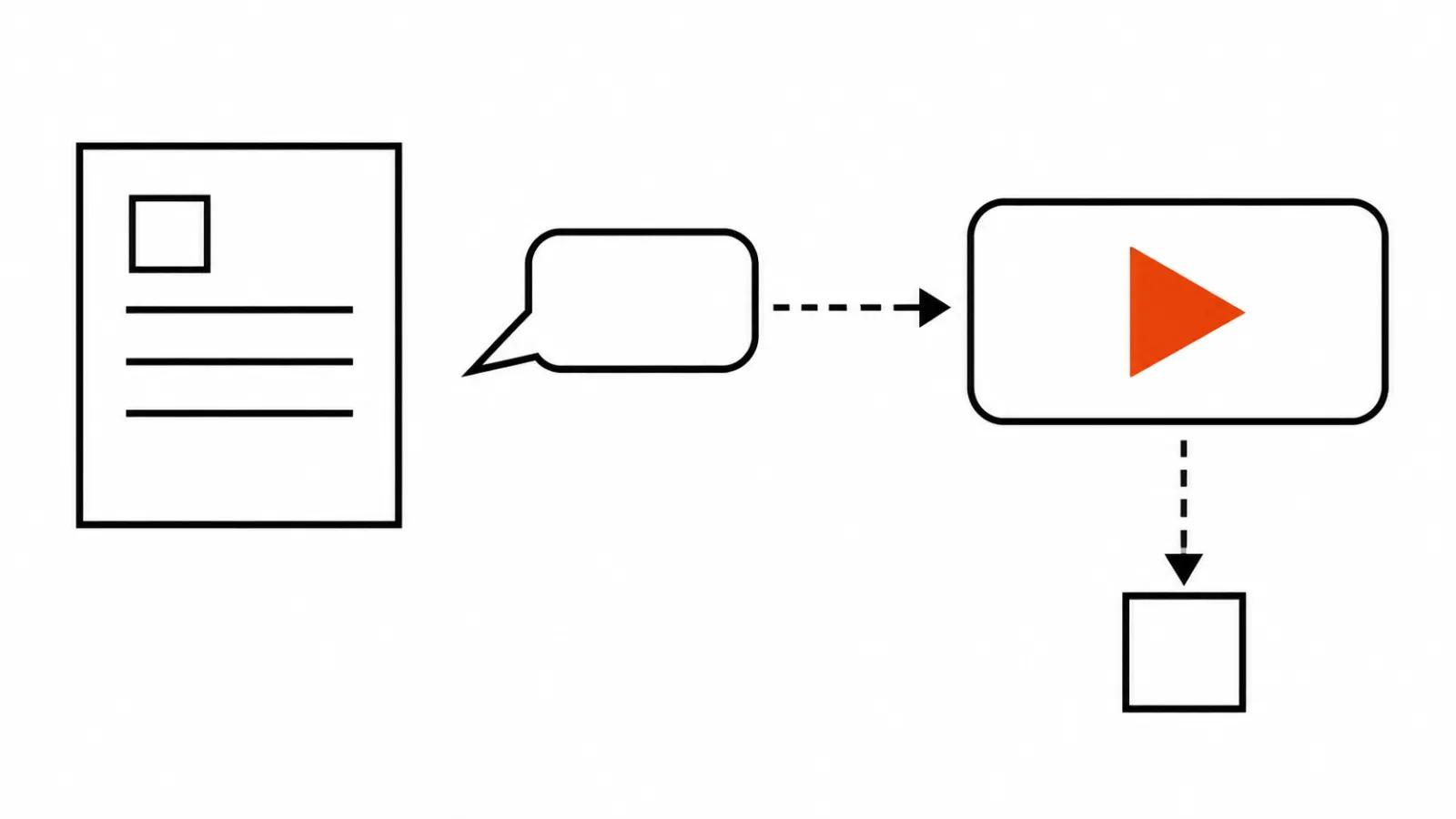
The wording is long, the point is short. Providers of AI systems, general-purpose systems included, which generate synthetic audio, images, video or text must ensure the output is marked in a machine-readable format and can be detected as artificially generated or modified. The mark lives in the file. A caption under the post does not stand in for it.
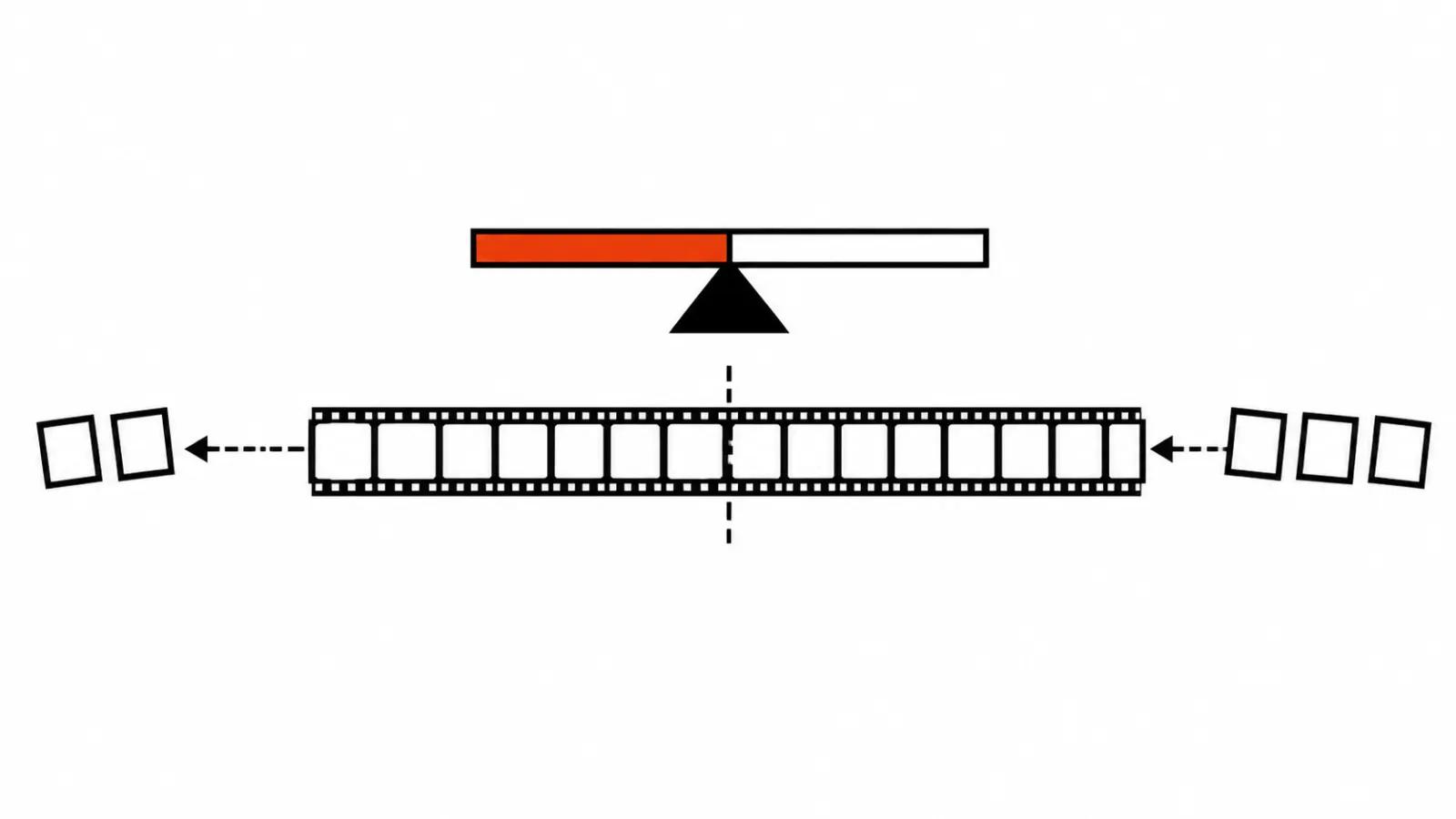
Article 111(4) splits the deadlines. Systems placed on the market before August 2, 2026 have to meet Article 50(2) by December 2, 2026. Systems that came out from August 2, 2026 were required to comply straight away, with no transition period. For a buyer that means one simple thing: older generators catch up by December, newer ones should already be there.
Machine-readable marking: what it looks like in a file
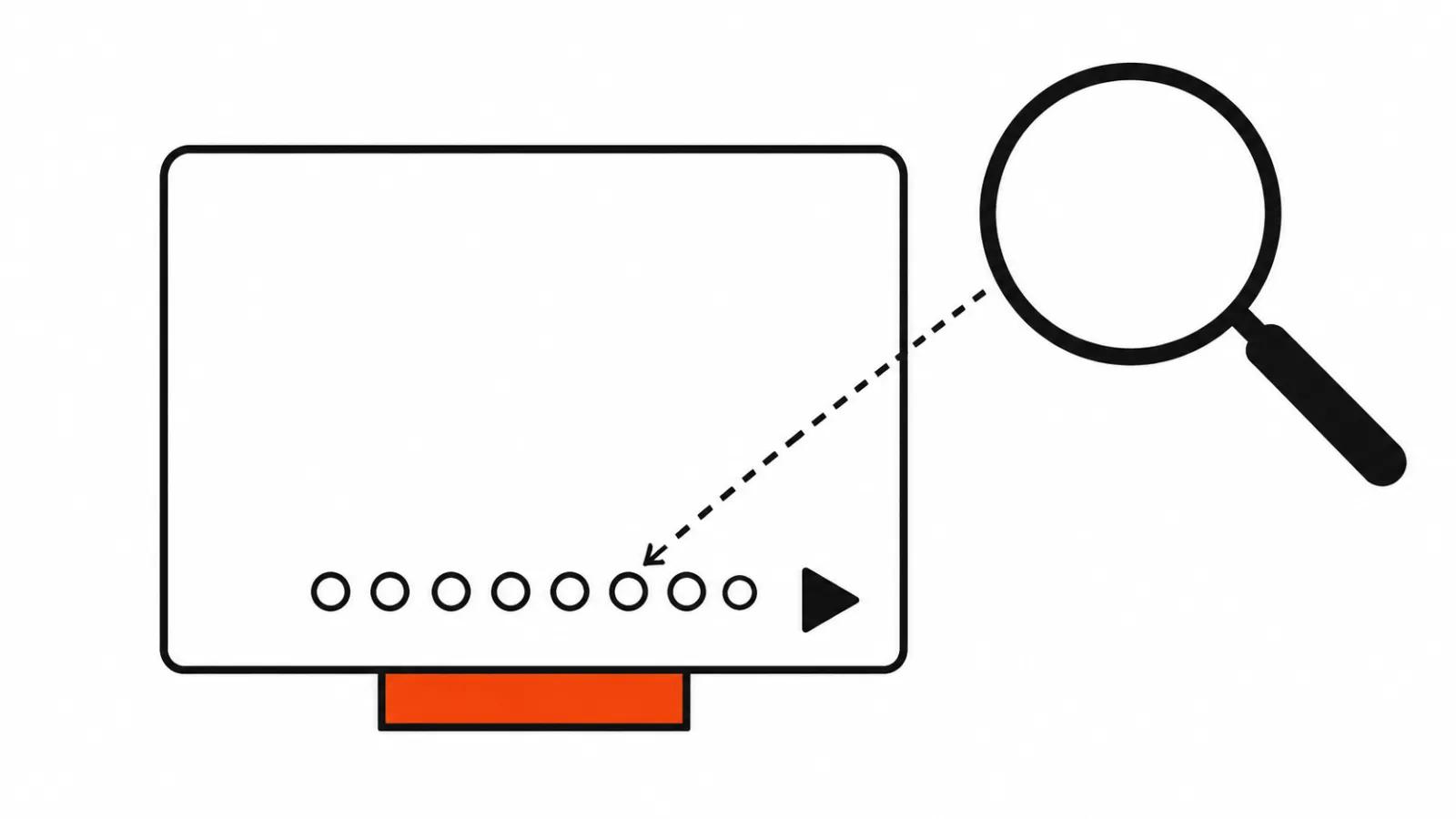
Machine-readable is not a badge in the corner of the frame and not a line of text. It is service data carried inside the file plus traces a program can read: a metadata block in the container, a watermark in the pixels, a signature from the service. The law does not pick a single standard. It sets properties.
The measure has to be effective, interoperable and robust as far as technically feasible, given the type of content, the cost and the state of the art. That wording leaves vendors room to differ. One generator will write open metadata, another will hide a signal in the image itself. What matters is the copy that reaches the viewer, since a mark in a draft file guarantees nothing.
The AI Act: who puts the label on
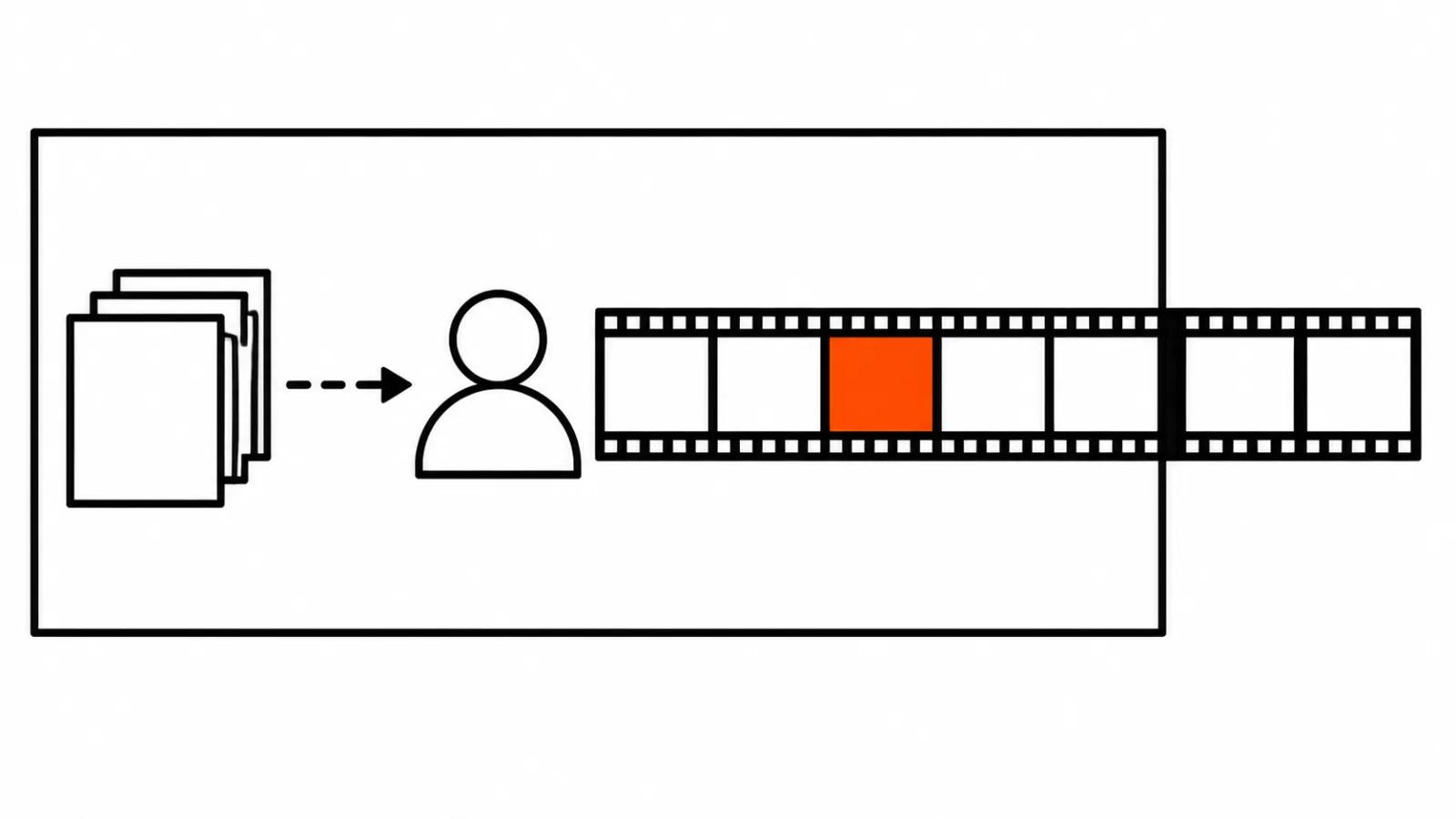
The duty belongs to the provider of the system, meaning the developer of the generator. The service applies the marking, and a studio that assembles a clip from finished shots carries no obligation under Article 50(2). Publishers have a separate duty to disclose deepfakes under Article 50(4). I am not getting into the detail of that one here.
Article 50(5) adds a requirement about delivery: the information reaches people clearly and no later than their first contact with the content. In practice, where disclosure is needed, it is shown upfront and visibly, with nothing buried in a description.
Article 50(2) also lists exceptions. The first is an assistive function for standard editing, where the system does not substantially alter the input data or its meaning. The second covers cases authorised by law for criminal investigation. Both are narrow, and neither covers generating a clip from scratch.
How vendors do it now
There are working examples. Google puts SynthID into the output of Genie 4 and Gemini Omni, an invisible mark the service embeds on its side. Suno Visuals uses hidden watermarks. There is a separate piece on SynthID if you want the history of that technology.
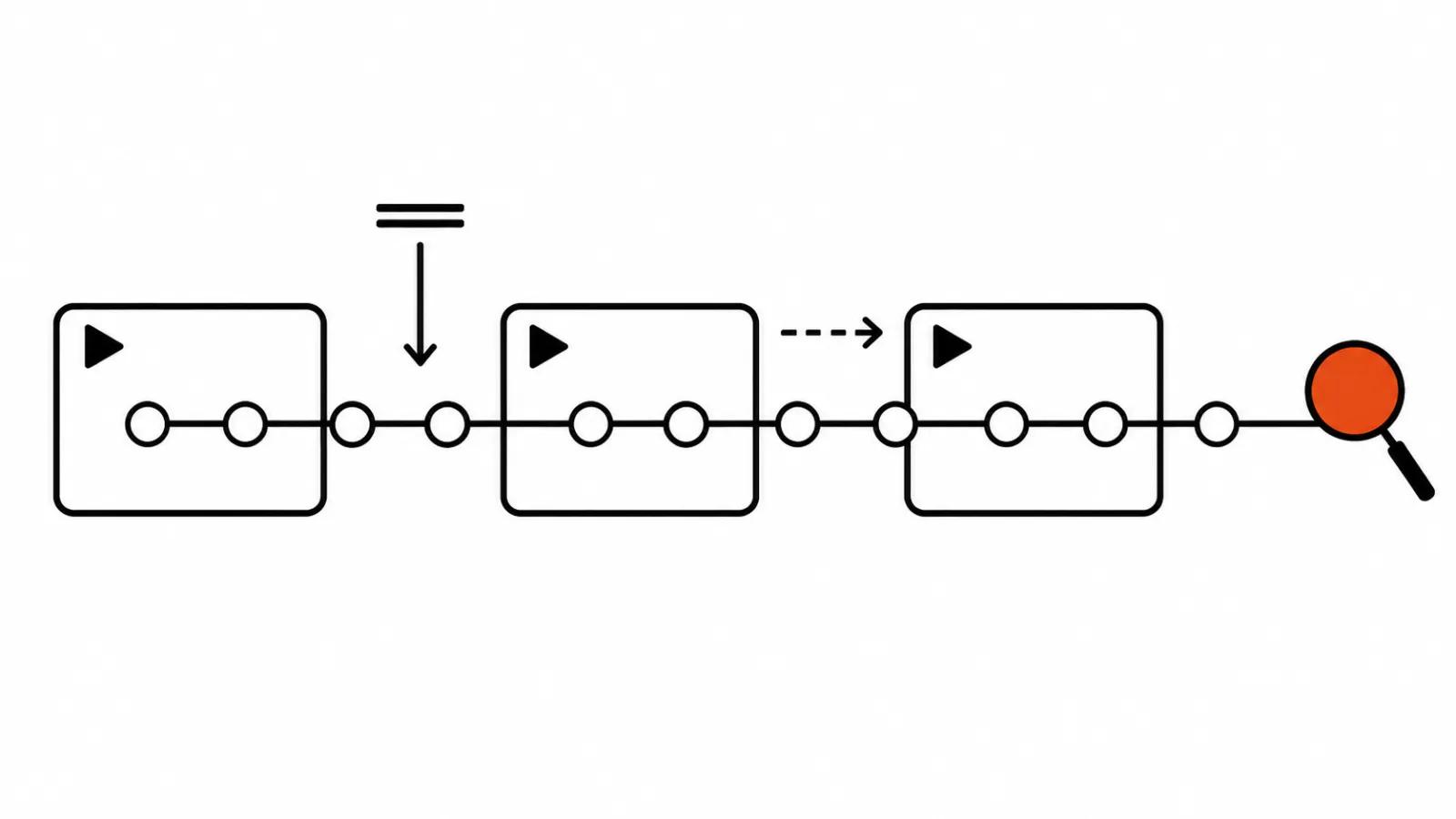
The examples show how compliance looks in practice. The buyer receives the mark together with the file and is then responsible only for not losing it. The open question is whether the mark survives the edit, and that part sits with whoever exports the final cut.
What a buyer should do before publishing in the EU
Three habits cover most of the risk.
First, do not strip metadata or watermarks during editing and transcoding. Clearing service blocks to save a few megabytes or to make a player look tidy wipes out the work the generator did.
Second, ask the editor which generator made the clip. Model name and version in writing is cheap insurance when you need to explain the origin of the footage a month later.
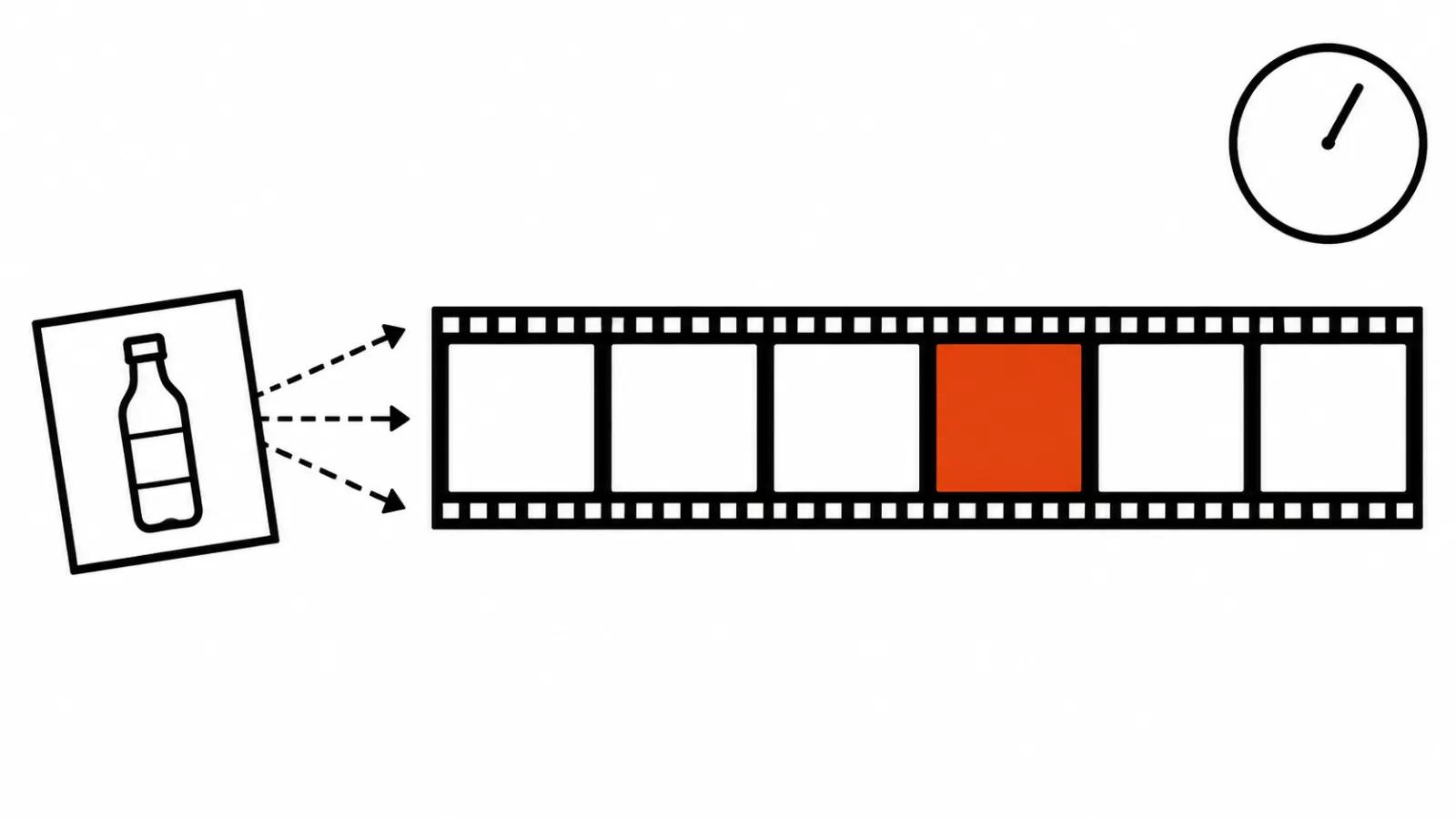
Third, build a check into the delivery of EU advertising. Vertical video ads ship as a series of versions, and each version deserves its own look, because the final exports differ.
When a spot comes out of AI video production, the label is placed by the generator, and its fate depends on everything that happens afterwards. That is why the original file from the service is worth keeping apart from the edit: then you can see what the model produced and what survived.
What to check in the delivered file
The order of the check is simple. Start with the service data of the file. Then confirm the invisible mark survived transcoding, since a second compression pass can weaken it. After that, match the generator named in the accompanying notes against what the editor told you.
Check the platform versions separately. The same clip goes to a feed, an ad account and a website, and every copy goes through its own export. If the mark matters for a European audience, check the copy that travels there.
Labelling rules that already exist in other markets
Several markets have their own regimes, and mixing them up helps nobody. Labelling rules that already exist in other markets grew from different laws and different goals, and there is a separate piece on one of them. The European rule targets the provider of the generator and demands a mark inside the file.
My take
Marking looks like paperwork until the day someone asks you to prove where a clip came from. On that day the thing that saves you is the original file with its mark and a clear chain: which generator, which version, which edit.
My practical conclusion is short. If a clip is heading to an audience in the European Union, treat the mark as part of delivery, the same way you treat colour and sound. Checking before publication costs less than explaining afterwards.
This is a read of the rule. It is not legal advice. A campaign needs a lawyer who looks at the specific placement scheme.