What Topview actually shipped
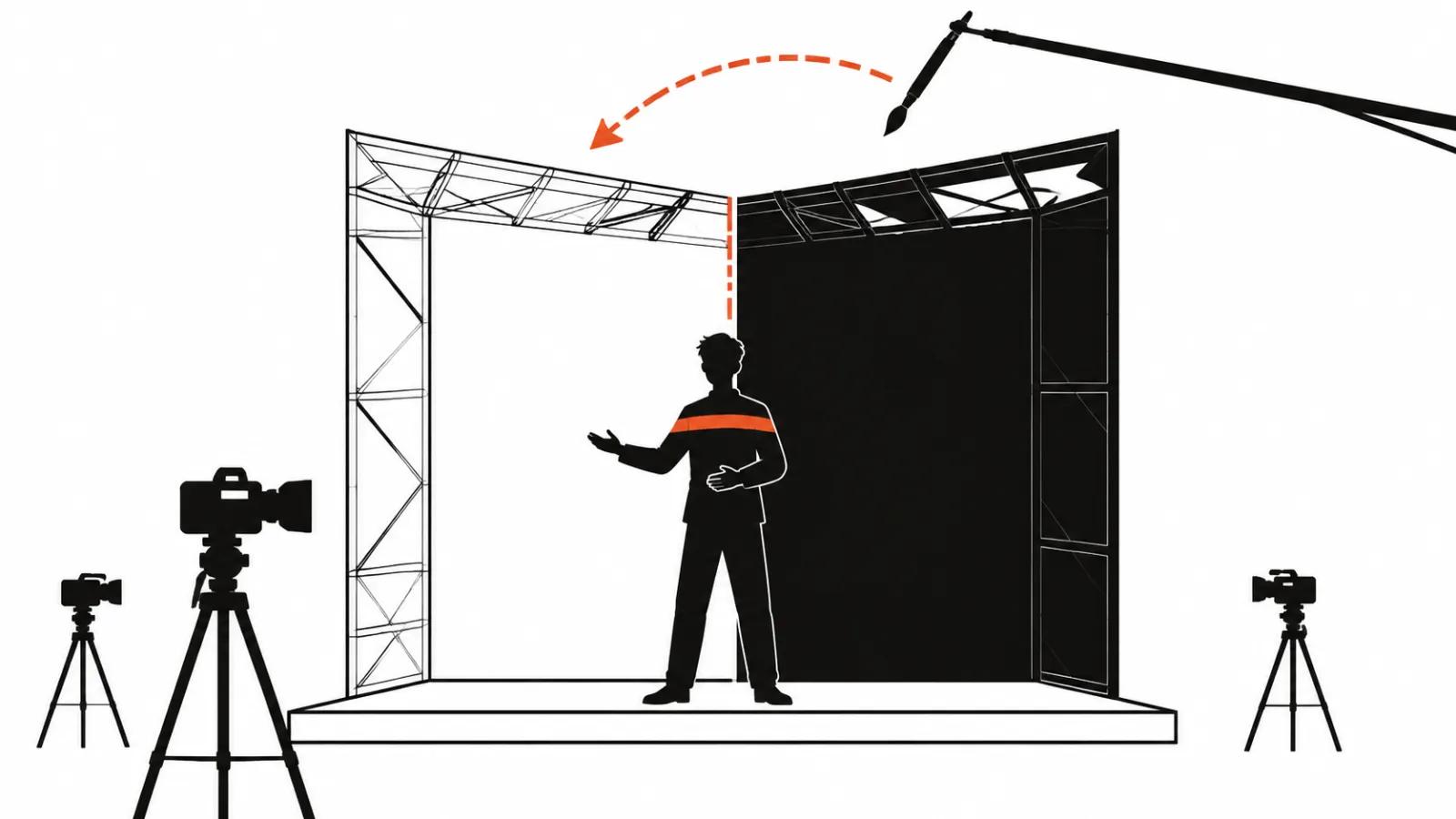
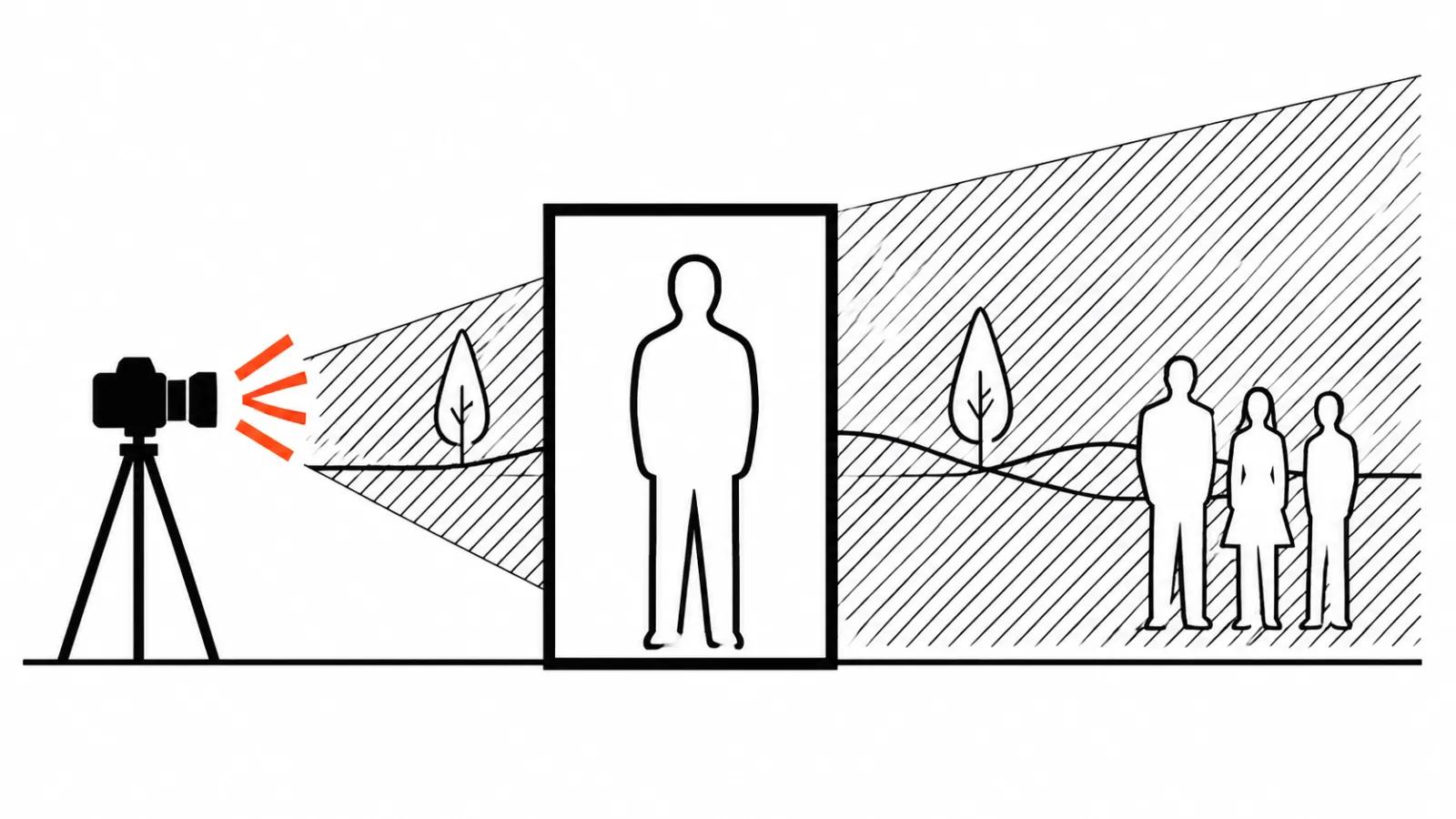
On 19 November 2026 Animation World Network (Dan Sarto) covered the launch of Film Studio by Singapore-based Topview. A clip generator and this environment solve different problems: here live performance is combined with AI environments, AI shots and effects. The claim is a bold one, since the platform is built for a full feature or series and keeps story and characters consistent between scenes.
The company is not new to this. Topview was founded in 2024 by Jensen Wu and Albert Chen, has more than 5 million registered users, roughly 40% of them make AI films and dramas, and the service takes in about 1 million videos a day. In 2025 it closed a Series A worth 8.5 million dollars from Kamet Capital and built its own video model, Topview T1. A Topview Microdrama Summit is scheduled for 15 January in Los Angeles.
Tools: where the savings start
Read the feature list as an inventory of what normally costs money on set.
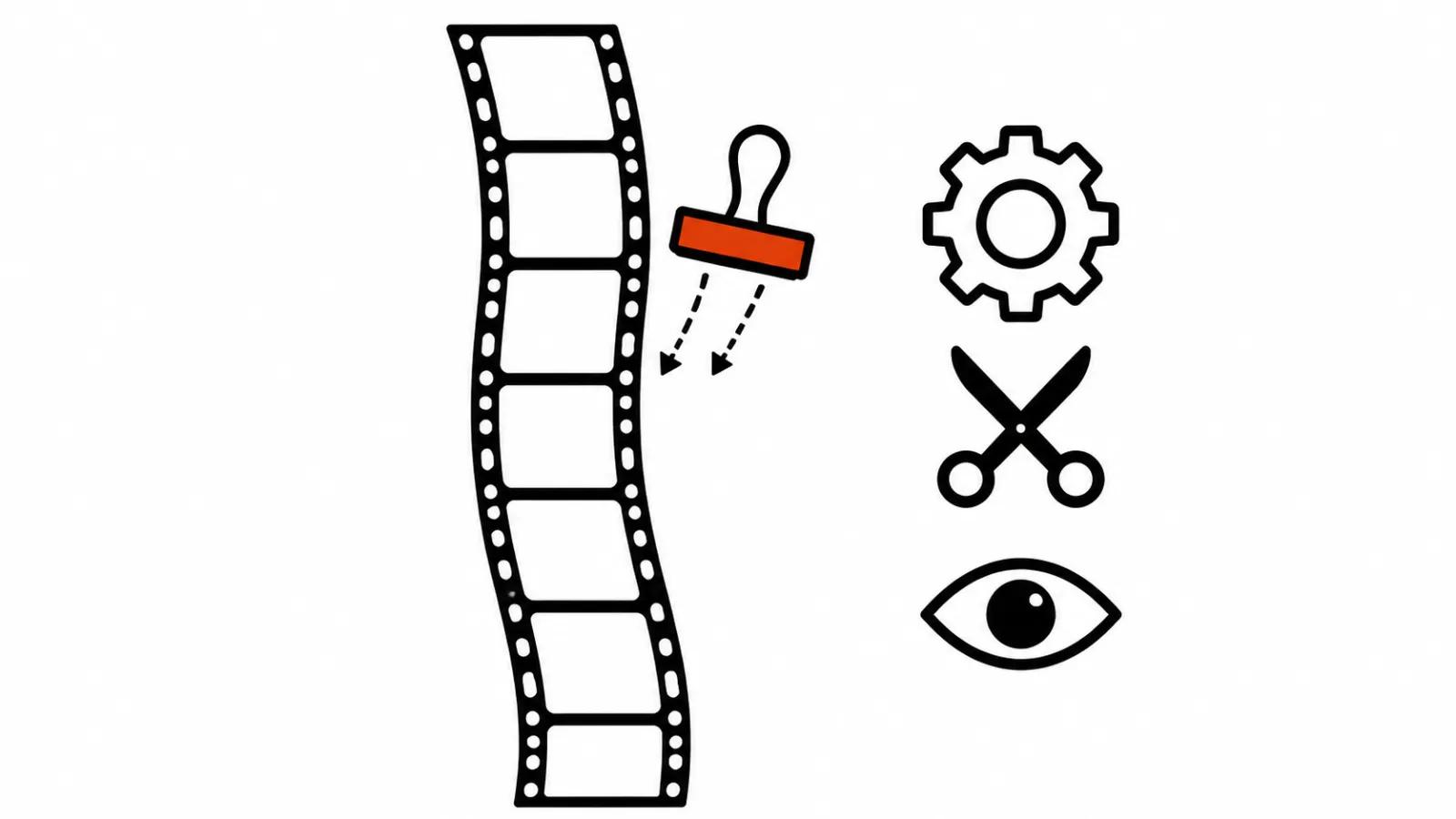
Video Relight offers 3D lighting with a real-time preview: number of sources, angle, colour temperature, distance, softness, intensity. Light gets fixed after the shoot, and on a commercial that means fewer rental hours with a lighting package.
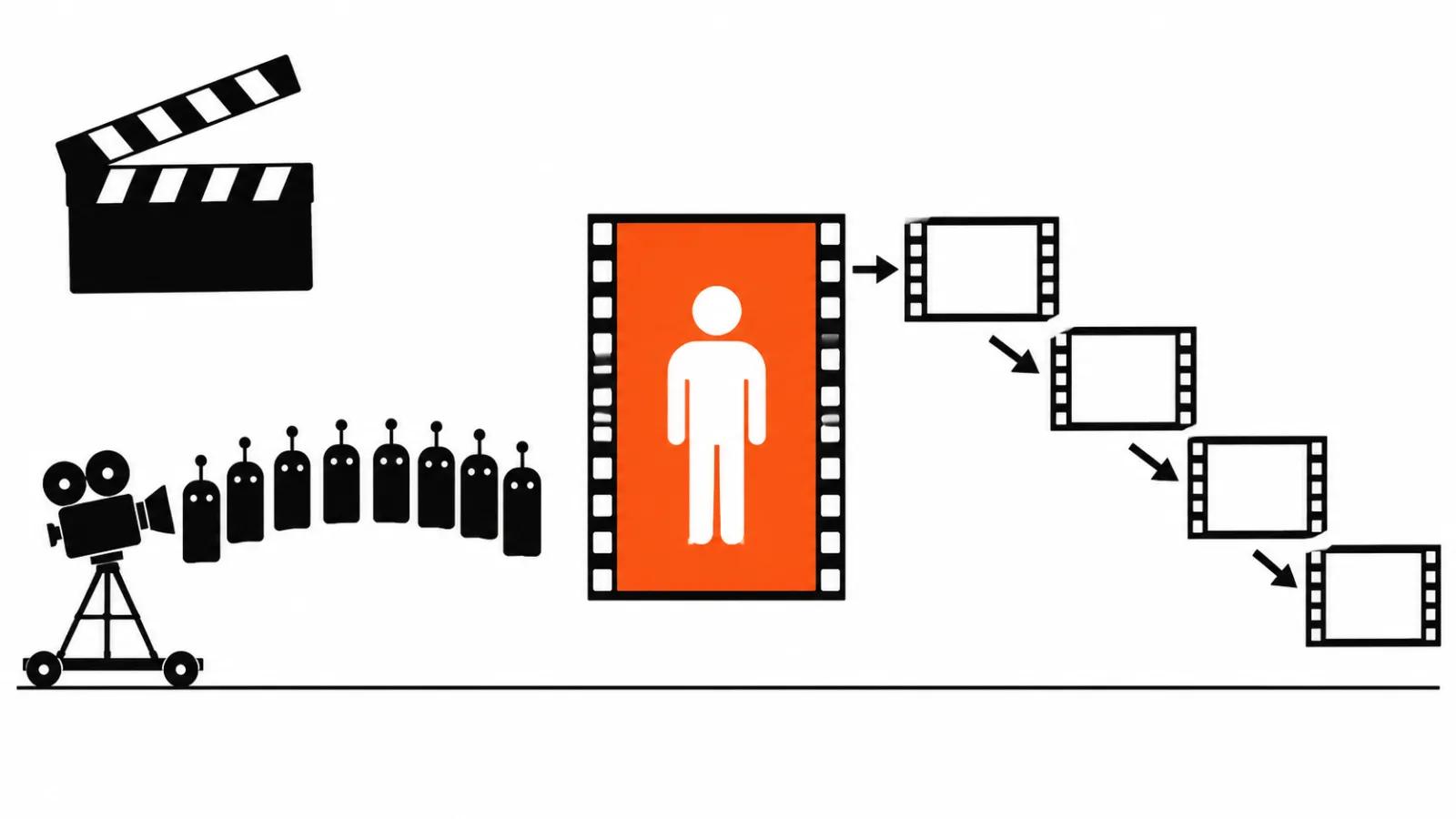
Camera Angle Presets builds new angles and shots from live footage already captured. A second trip to set for one extra shot eats a budget, and here it is not required.
Add Extras drops AI crowd into a live scene, with control over where each person stands and what each one does. Then there is automatic green screen replacement with matching light and colour, changes of time of day, weather and moon phase, editing a selected part of the frame, and splitting video into layers that move, scale and get repainted.
Why this is a separate way of buying video
Wu is blunt about the bet. Fully AI films meet resistance from Hollywood and rarely reach wide distribution, with revenue mostly coming from YouTube. A live actor on screen opens mainstream channels, and that argument is about money and shelves.
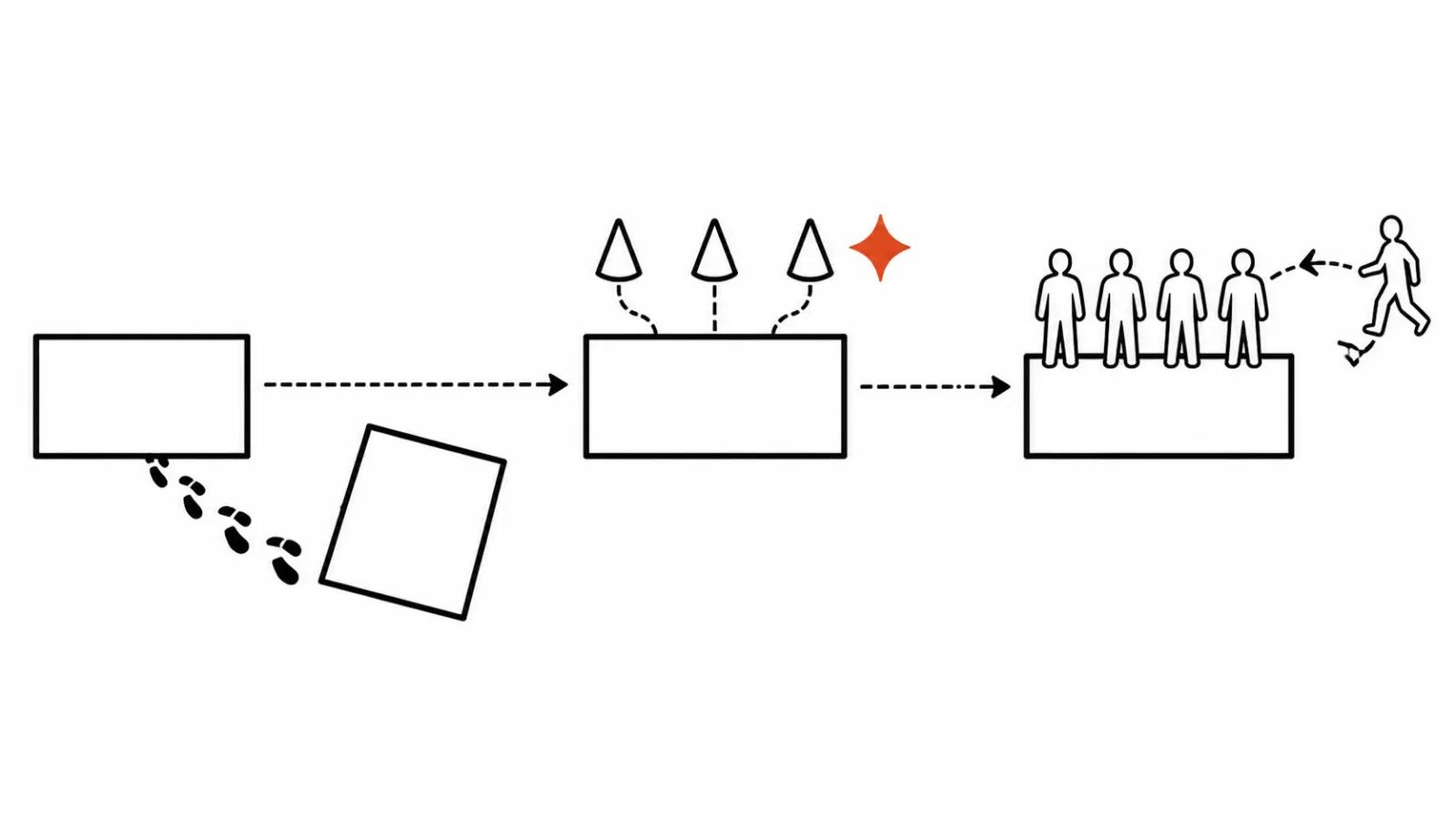
I find the logic honest. A year ago the market split into two extremes: generation with nobody in frame and classic production with no neural networks. Hybrid production removes the choice. The shooting day stays a shooting day, while everything expensive to reshoot moves to post: light, angles, background, the crowd in the back.
The three tools I check first
For a commercial order the value sits in the sequence, in which control over expensive things arrives.
I start with Camera Angle Presets: if an angle built from live footage comes out clean, a whole set visit disappears from the series. Video Relight comes second, because light on set costs more than any post fix. Add Extras comes third, where the control over each silhouette is what you pay for.
Green screen replacement with matching light and colour sits next to what specialised tools already do, and we have a separate breakdown on that. Whether Topview does it better only a test on real material will show.
Where the hybrid does not save you
The demos in the release come from the company, and I have not seen independent tests of 3D relight or of new angles generated from live footage. There is nothing to judge the quality against yet, and that is my main doubt about the platform.
Consistency is the second risk. Keeping a character identical across a whole series is hard even in pure generation, and the hybrid adds a seam between the live plate and the painted environment: light, grain, sharpness. If the seam shows, the viewer reads it as fake within a second, and no budget rescues that.
The third point is legal. An actor on set signs a contract, while crowd that a model painted never gave consent. The rights question around such frames is still open across the industry, and a contract should settle it before the shoot.
What a buyer should ask for now
Ask for a test hybrid fragment: a live actor in frame, one painted environment and one new angle. If the seam does not show, a series is worth discussing.
Background replacement and light fixes became routine work a while ago, and our breakdown of AI background replacement for video covers the tools. Topview also has another product, an open 3D builder, which we covered separately, and clients who want a full cycle can look at commercial production and AI video production.
What it means for the order
For a client the hybrid changes the quote more than the picture. Light, background, crowd and some angles move into post, and the shooting day shrinks to the material that genuinely needs to be on set. A commercial shoot under that scheme depends less on weather, time of day and the size of the location.
With no independent tests out yet, I treat the hybrid as insurance. A ten second fragment first, a decision about the whole project after.