One line in the quote, four jobs inside it
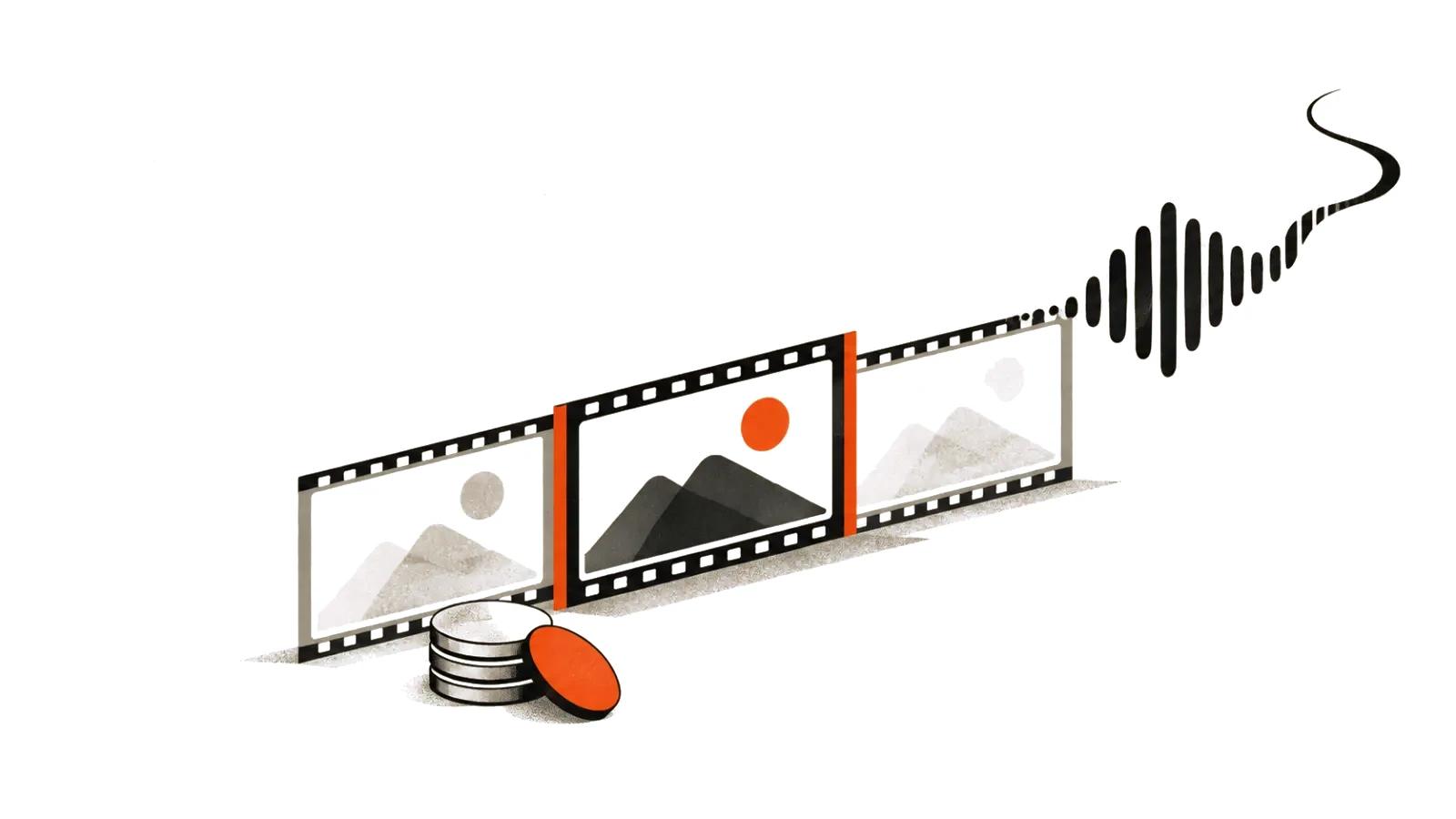
A search for voiceover prices usually ends on a rate card with a figure per minute of finished sound, and four jobs hide behind that figure. The first is the script cut to runtime: a sentence that does not fit into ten seconds gets rewritten or dropped. The second is the voice recording, with its own parameters: narrator, pace, pauses, pronunciation of names. The third is music and sound effects, which carry a separate licence. The fourth is the mix: the voice gets levelled, placed under picture, clicks and breaths between phrases removed.
The Zvukograd price list, checked on 29 November 2026, shows these jobs as separate lines: sound design and voiceover for a film up to three minutes with a narrator, music and mixing from 9,000 roubles per video, voice recording alone from 2,500 roubles per minute, and script writing from 5,000 roubles per video, with delivery from two hours to one day. A footnote states the price includes the narrator's fee.
Why a per minute rate misleads
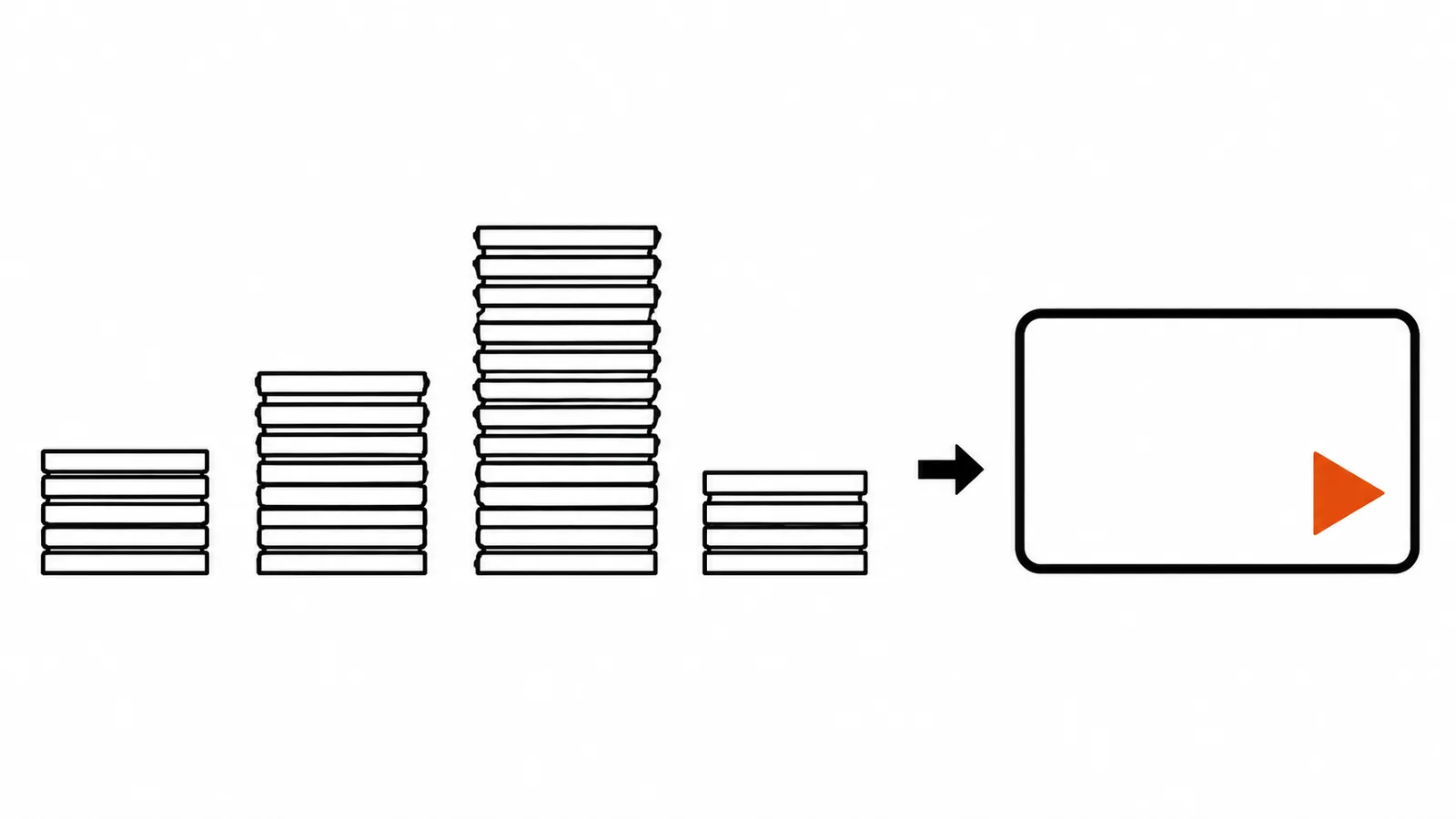
A minute of finished film and a minute of clean voice are different things. In the same Zvukograd list, a minute of voice recording without editing starts at 2,500 roubles, while a minute of voiceover for a long video as a full package with voice and music starts at 2,000 roubles. The first line costs more than the second while covering less work.
A rate per minute only makes sense next to the line that says what is included. One studio prices a minute of recording, another a minute of finished audio with music, a third a minute of finished film with editing. The phrase full package means a different scope at each of them: at one it is voice plus music, at another the script, casting and revision rounds are added.
What the market's bill is built from
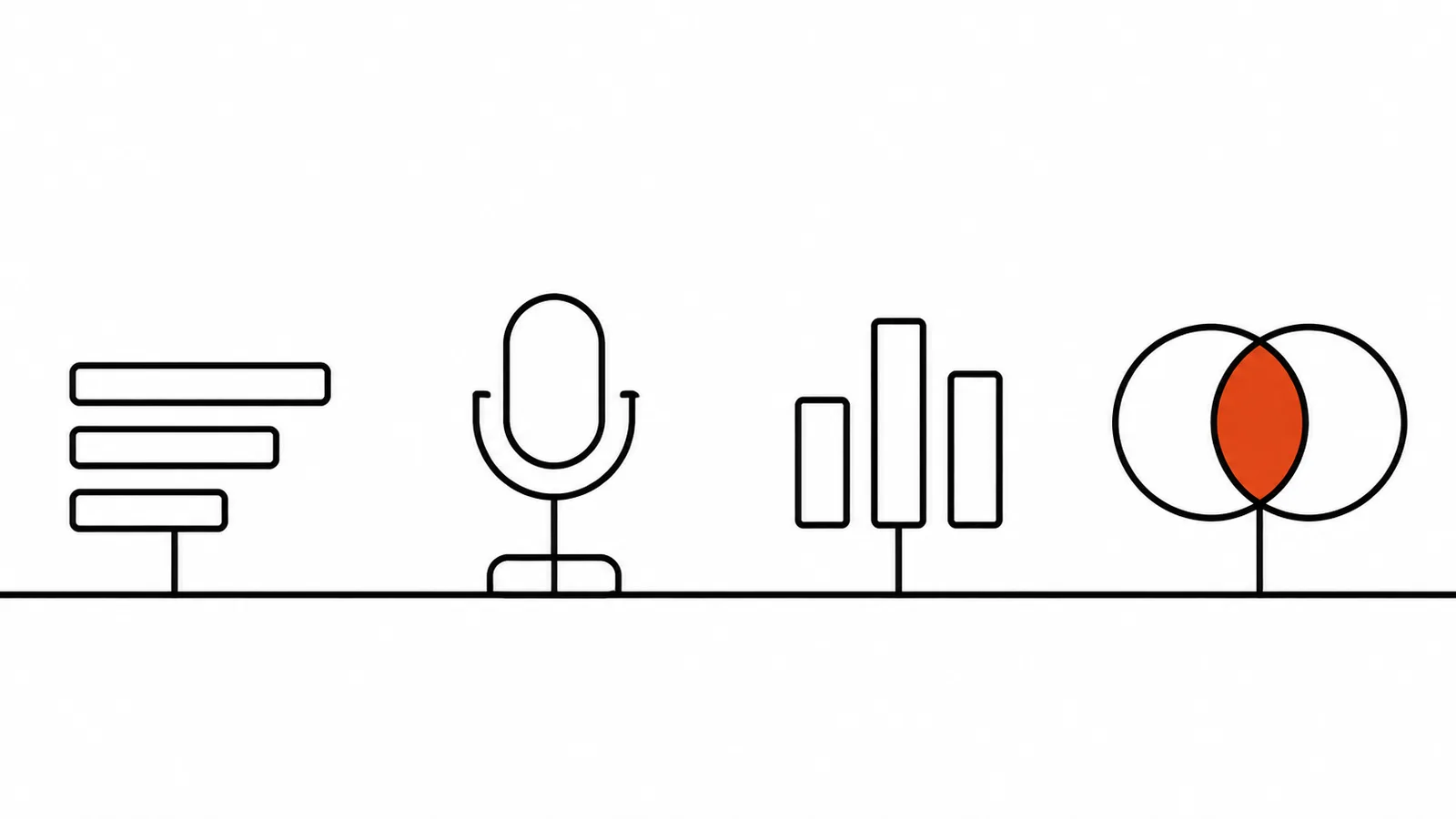
The first variable is the class of voice. The Diktor24 catalogue, checked on 29 November 2026, lists more than 200 performers, rates start at 300, 400, 460, 500, 600, 700, 800, 1,000 and 1,200 roubles, and separate voices go up to 3,000 roubles. The studio states that scope and terms are agreed separately, so a listed rate reads as a floor.
The second variable is the volume and the type of project. KupiGolos, checked on 29 November 2026, lists 1,078 voice talents and compares them by demo, price, timbre and delivery date. The studio keeps separate sections for video, video ads and YouTube channels, because delivery differs: an ad needs drive, a training film needs an even pace.
The third variable is the performer and the terms. In the Yandex Services listings for one minute of narration in Moscow, checked on 29 November 2026, the floor starts at 500 roubles, and some cards offer video voiceover at 2,000 roubles per minute with delivery timed to the edit's timecodes. That gap reflects recording in a home booth versus work against a locked cut. The fourth variable is turnaround: a fast delivery costs more.
Narrator or synthesis
Some studios build their positioning on refusing synthesis. Diktor24 states on its home page that it does not use neural networks or speech synthesis and that its performers are current or former radio and television staff. For a buyer that is a vendor claim: it explains the premium and narrows the choice at the same time.
Synthesis is cheaper on short volumes and on long repetitive text: series of clips with identical intonation, instructions, announcements. It shows its limits where acting is required. The mechanics are covered in a separate piece on AI voiceover for video.
The practical rule is simple. When a film rests on the voice, a cheap narrator is visible in the first seconds. When a film repeats across dozens of versions, synthesis takes a real share of the bill.

Rights, platforms and versions
A voice recorded for one film cannot always be reused in another. Recording terms name the territory, the term and the media, and that clause often goes unread. Re-cutting an old film for a new campaign may require a new recording.
Music follows its own rules. In the Zvukograd list, licensed music for regional rotation is listed as free, while publishing a film on YouTube costs 3,000 roubles per track. One placement costs nothing, another turns into a line item.
The platform sets length too. An overview by Promopult dated 6 July 2026 shows that requirements differ between reach campaigns and promoted posts, so a version for each placement means a separate voice pass.
Where cheap sound becomes a re-edit
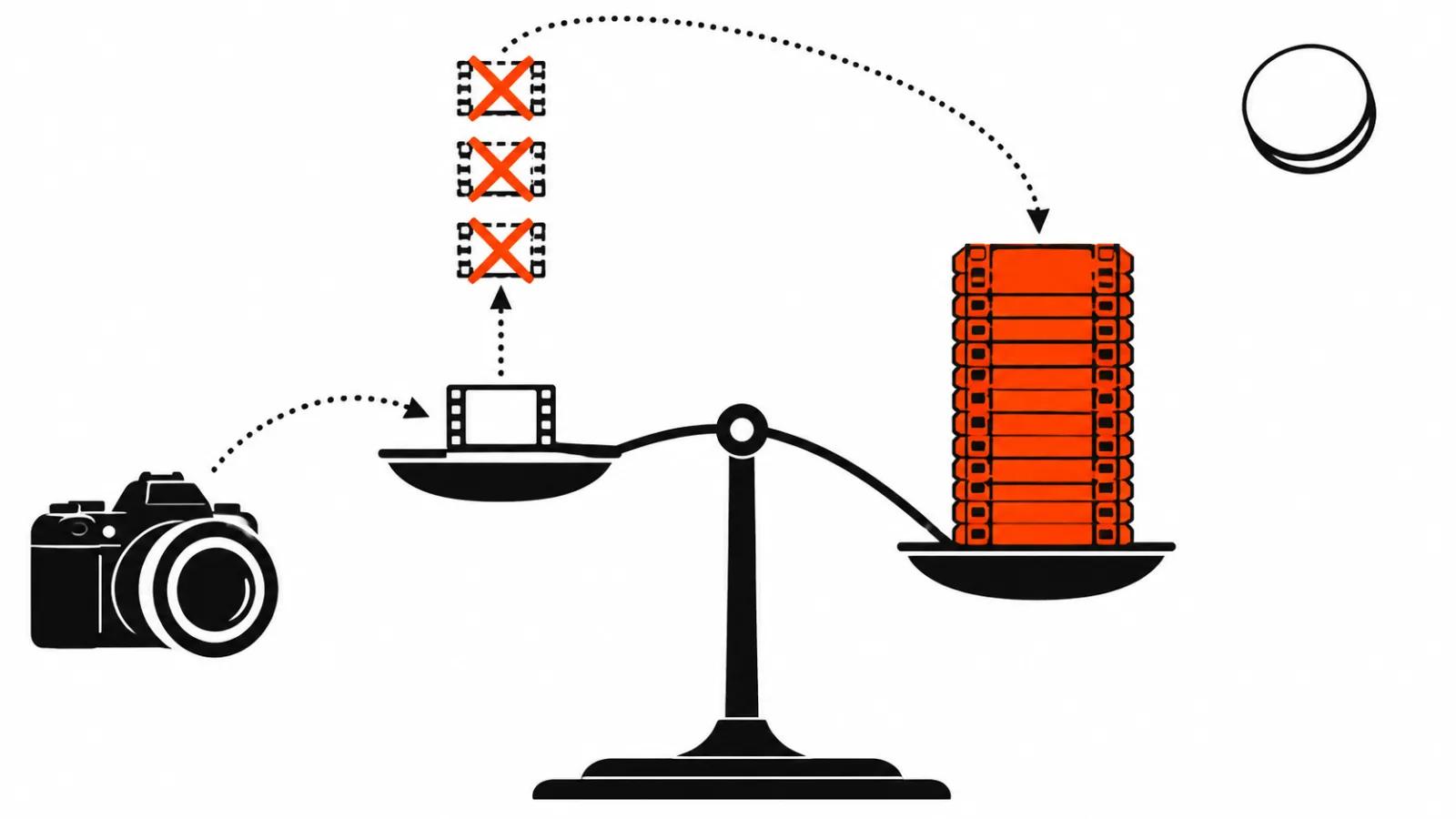
The cheap line returns as work at the end. A script that did not fit the runtime gets rewritten, and a new voice pass shifts titles and graphics. The edit is rebuilt around changed seconds, and the second iteration costs more than the difference between a cheap and a competent narrator.
MustFilm, in an article dated 27 July 2026, explains that post-production is counted per film: more versions and heavier graphics mean a bigger share of the quote.
The second trap is the illusion of a free voice. Makarovfilms, in its 2026 production price list (checked 29 November 2026), quotes editing from 17,600 roubles, social media video from 28,160 roubles and a training film from 63,360 roubles, with no separate voiceover line. It reads as if the voice is included, while it is paid for inside the total.
What the buyer should prepare
Five items shrink the bill before the first call: a final script with a runtime, a pronunciation guide for names and figures, two or three voice references with links, timecodes if the voice has to land in an existing edit, and the list of placements. The sixth is a rights decision: one campaign only, or a voice cleared for future films.
Common buyer mistakes
The first is sending the script while it is still being revised. Every new version is a new recording and gets billed separately.
The second is picking the lowest rate in a catalogue without hearing a demo. A rate says nothing about whether a performer handles the needed delivery.
The third is leaving music out of the budget. A track licence lives apart from the recording and often costs extra for YouTube.
The fourth is ordering voice before the edit is approved. A one second shift in picture makes the recording unusable.
When a film is built without a shoot, sound stays a separate line all the same: in AI video production voice and music are counted alongside shot generation, and the assembly order is covered in a piece on the sound, voice and subtitles pipeline. A handcrafted AI video follows the same logic, and a full budget is broken down in a piece on what AI video costs for business.
Our offer
We produce films with the sound built in: script, voice, music and mixing run as one stage, so the quote does not split into lines nobody reconciles. Handcrafted videos run from $394 per video, up to 90 seconds, with editing and music included and the first batch in about a week. Vertical videos at scale and 9:16 vertical video ads are billed from $2.47 CPM, with orders from 100 clips per month and a first batch in 5-7 days. Formats and timelines sit on our pricing page, and work to a brief is described on the AI video production page.
Reach us on Telegram @neurocartel_sup, WhatsApp +7 993 909-98-29, or email info@neurocartel.com.