What Zyphra shipped on 9 November
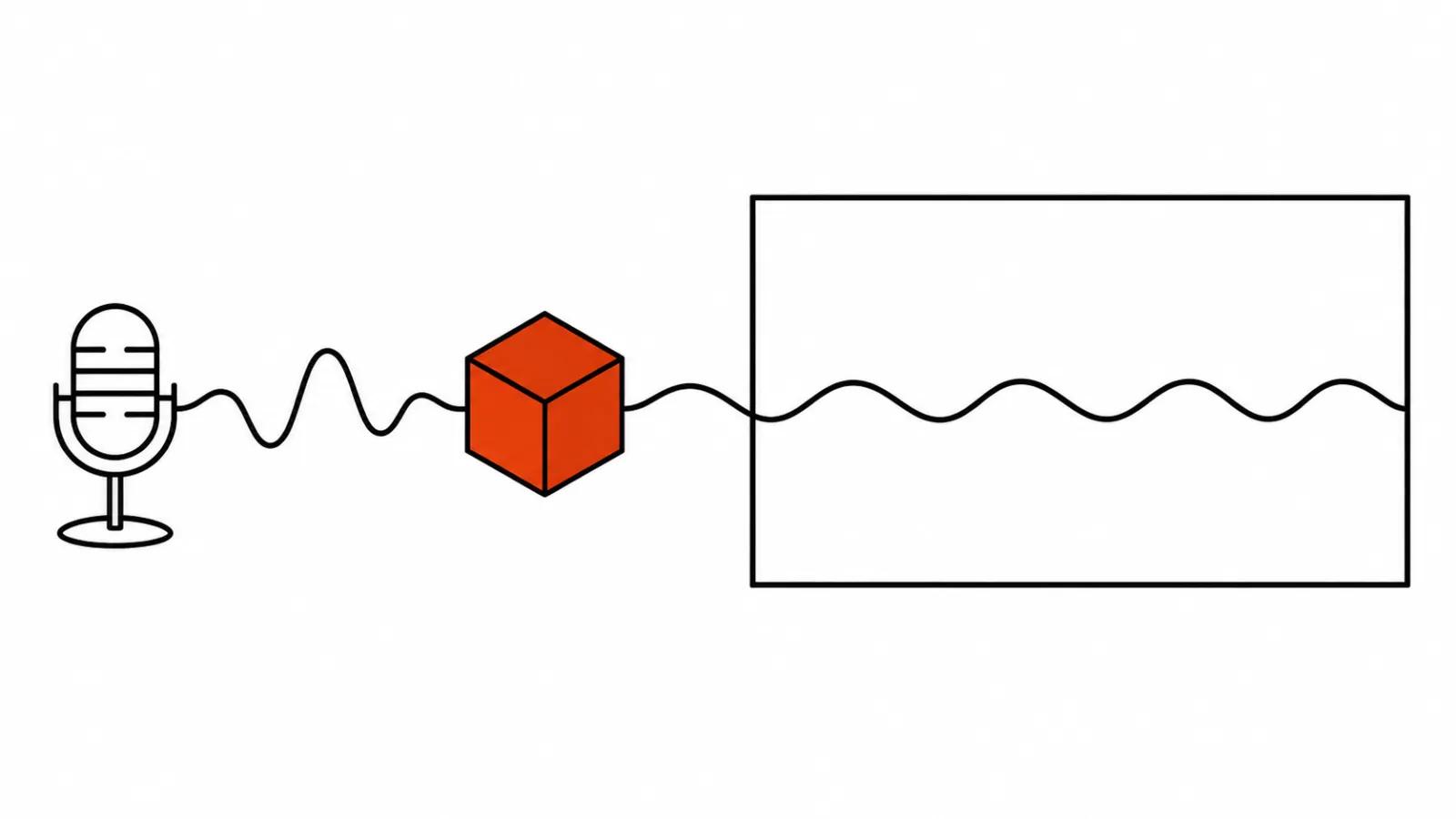
ZONOS3-Mini is a compact text-to-speech model with open weights. Inside there are 100 million active parameters out of 886 million in total, a transformer with a mixture of experts, and a 32K context. The licence is Apache 2.0, so the weights can be downloaded and run on your own machine without a separate contract.
Size is the argument here. The model runs in real time on phones and laptops, including directly in a browser tab. For anyone assembling videos that means one plain thing: a voiceover can be produced on your own laptop while the edit is still moving.
Voice cloning: a sample or a description
A voice comes from one of two inputs. First, a sample of audio, which the model uses to copy the timbre. Second, a description of a character with age, accent and texture. The second route suits invented characters, where no human narrator exists and none will be hired.
Control covers emotion, pace and delivery, down to individual words. In practice a line can stay calm while one word inside it gets emphasis. For a series of videos this saves re-records, because the intonation is adjusted in the script itself.
Open weights, two ways to run them
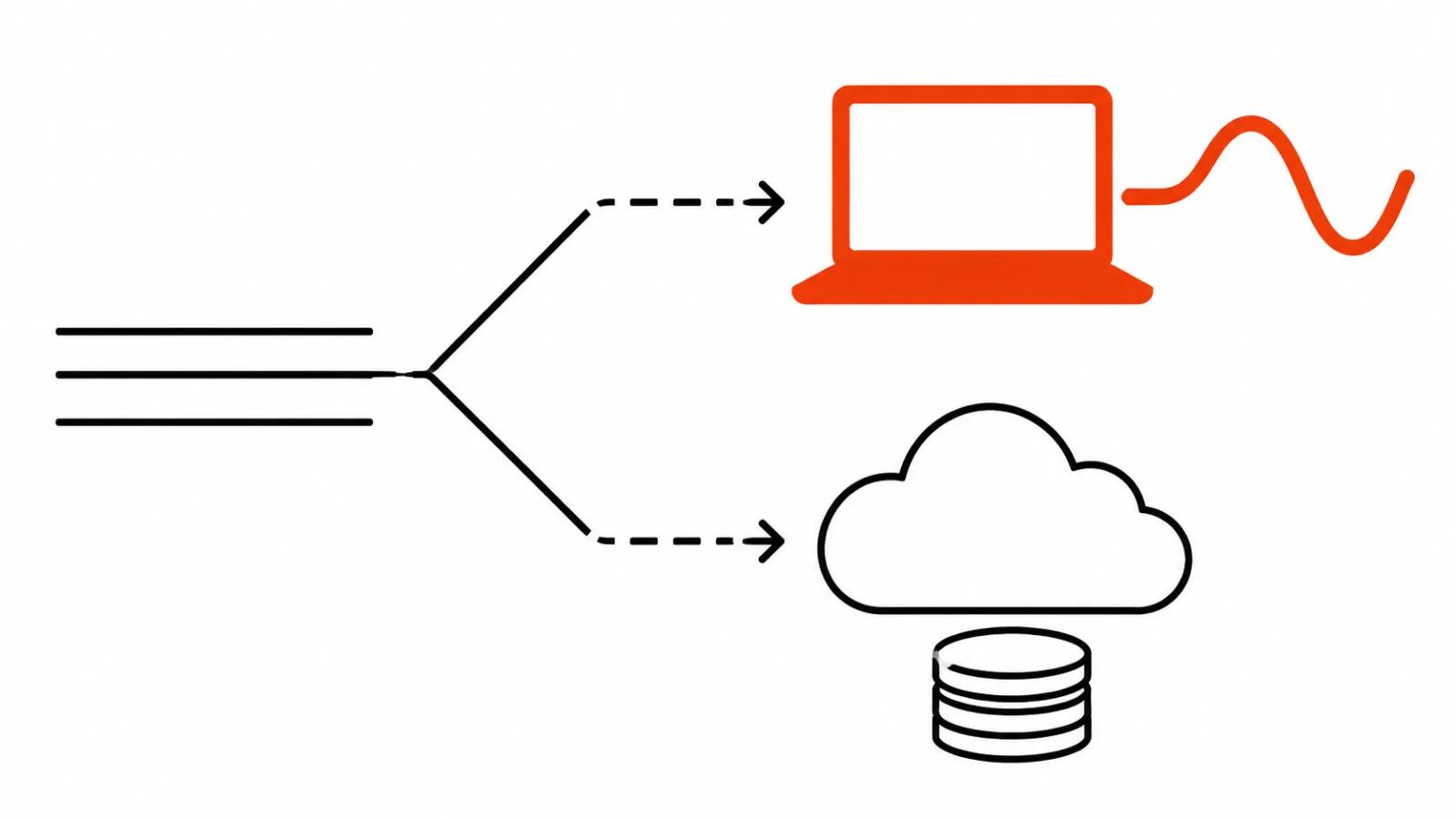
There are two paths. Locally, through a browser runtime or native builds. Or through Zyphra Inference in the cloud, where their hardware does the work. The local path is free under the licence, the cloud is metered by text: 10 USD per million UTF-8 bytes.
Bytes are where the arithmetic gets interesting. Cyrillic takes two bytes per letter in UTF-8, so a million bytes hold roughly half a million characters of such text. The same budget buys fewer characters in Ukrainian, Bulgarian or Kazakh than in English, and any quote has to be built on bytes.
A web answer claims 43 languages, and that answer is a search engine paraphrase with no official statement behind it. The number deserves a check on the model page. The same page carries comparisons against Fish Audio, Qwen, Cartesia, ElevenLabs and OmniVoice, and Zyphra ran those comparisons itself.
Why this matters if you assemble videos
The first use case is the voiceover. A series of vertical clips needs dozens of voice tracks a week, and every script change drags a new recording behind it. A model living on a laptop removes that dependency: edit the text, rebuild the voice in minutes.
The second use case is material you cannot share. When a script must not leave the building, a local run is the only option left. That covers client drafts, internal decks and anything sitting under an NDA.
Sound sits right next to the voice: when a cut needs effects under the picture, there is a separate teardown of ElevenLabs SFX v3.
The risk: whose voice is it
Cloning from a sample runs into one rule. A voice belongs to a person. A copy of a narrator's voice without written consent is a legal and reputational risk, and technical access changes nothing about that. A public figure, an actor, a colleague, a stranger from someone else's video: permission comes first.
The second risk is the sample itself. Audio of a human voice is personal data, and keeping those files in someone else's cloud needs a conversation with a lawyer.
The third risk is quality. The release says little about non-English languages, so nobody can promise a clean result in your language before a test.
What to test before the voice goes into a cut
Build the test around four things. Stress and emphasis: a model can put the accent on the wrong syllable in a long compound word. Numbers: sums, dates, percentages and phone numbers often read differently from the way a person would say them. Abbreviations and brand names: an acronym may be spelled out letter by letter. Accents: a list of supported languages says nothing about how even the delivery is.
Test on your own copy. Take a paragraph from a real script with numbers and proper nouns, run it, listen on a phone. If the emphasis drifts, there are two fixes: rewrite the text for the model, or keep those lines for a human narrator.
Position
Open weights with 100 million active parameters, running in a browser, change the cost of entry: a test in your own language takes half an hour and produces no cloud invoice.
What I do not see here is proof of quality. Zyphra benchmarks its model against Fish Audio, Qwen, Cartesia, ElevenLabs and OmniVoice on its own page, and that is a vendor's comparison. On 17 November ReelStack put ZONOS3-Mini in a roundup, which says the market is watching, and says nothing about how the model handles a hard language.
The practical conclusion is short. If you need a voiceover across a series and you own a sample with consent attached, install the model on a laptop and run it on a real script. If you need a finished voice with someone accountable for the result, the breakdown of sound, voice and subtitles in an AI video shows what that work involves.
For this kind of work there are services: AI video production and vertical AI ads.