What MAGI-2 accepts in one request
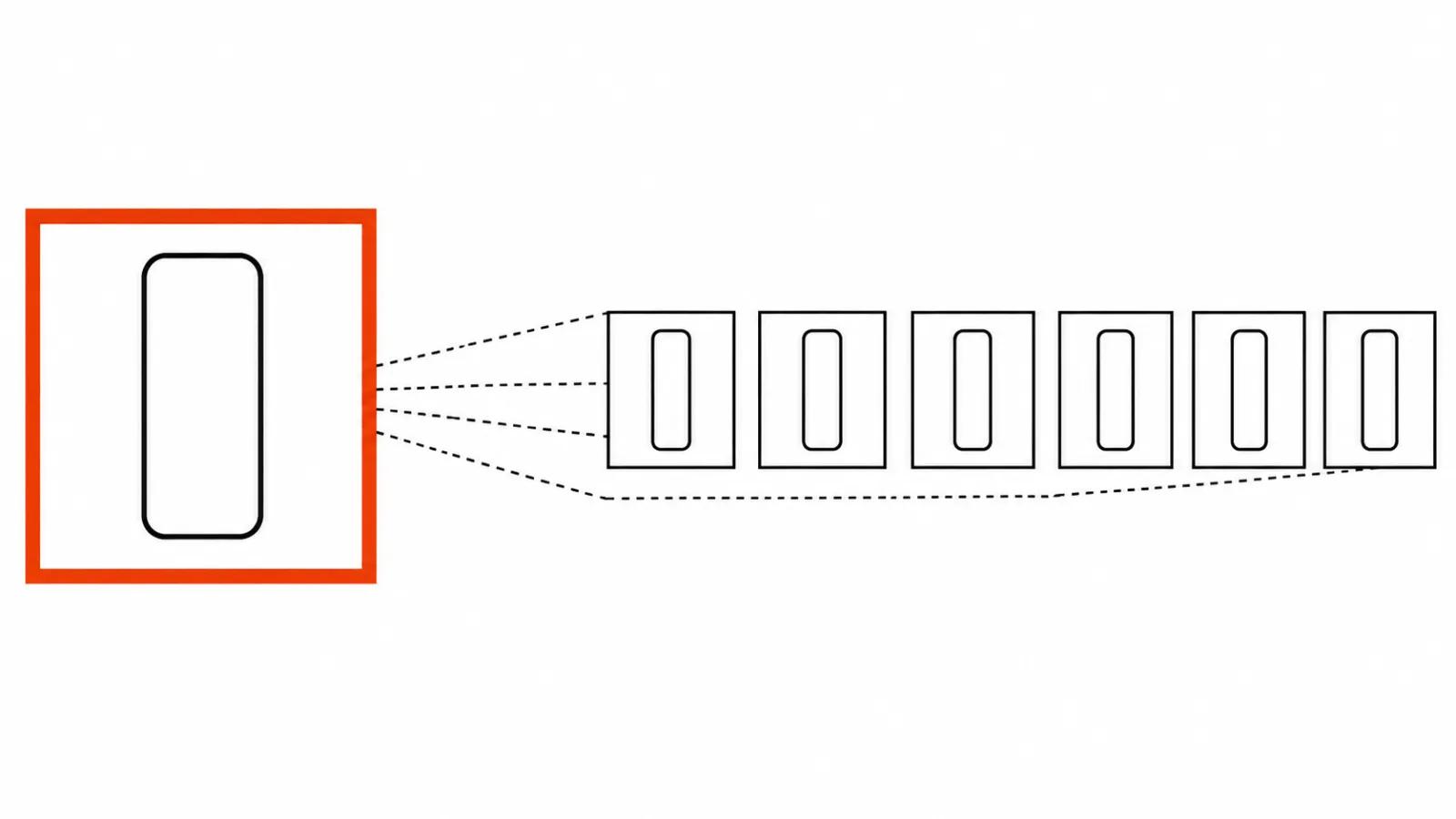
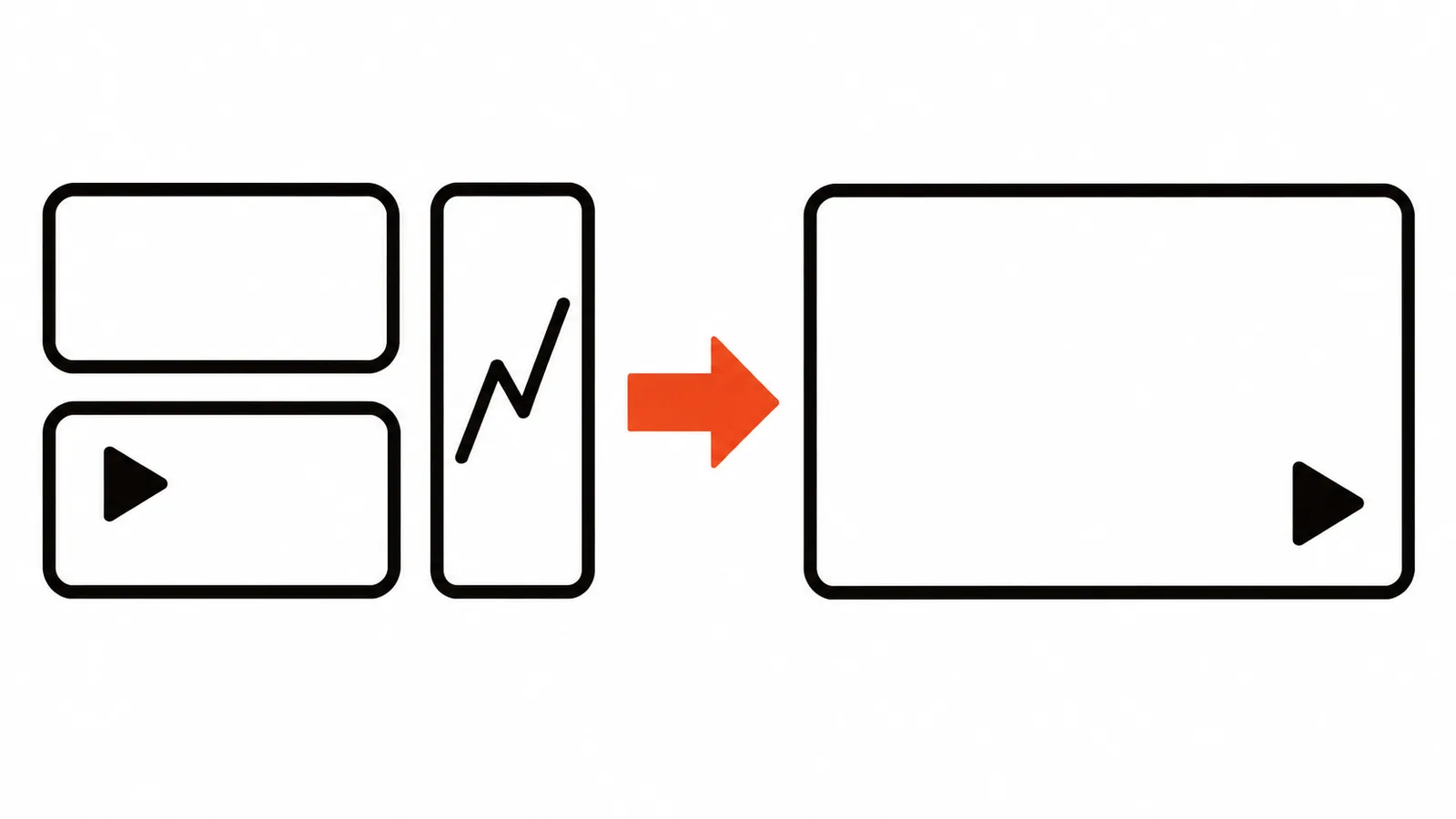
The Sand.ai blog post of 24 November 2026 describes the model plainly: up to 30 seconds of 1080p video at 25 frames per second, video and audio in one backbone, six aspect ratios, timeline and shot-cut control, and targeted editing of existing footage. References go through omni-reference, and the limit is stated outright: up to 20 media items per native request, made of up to 10 images, 5 videos and 5 audio clips.
The model card at the reseller WaveSpeed, checked on 25 November 2026, gives its own numbers: prompts up to 15,000 characters, duration from 4 to 30 seconds in whole seconds, audio on by default. It does not break the limits down by mode, so the 10/5/5 split belongs to the native Sand.ai request. Carrying it over to a specific API mode without testing is a guess.
Why twenty references rarely help
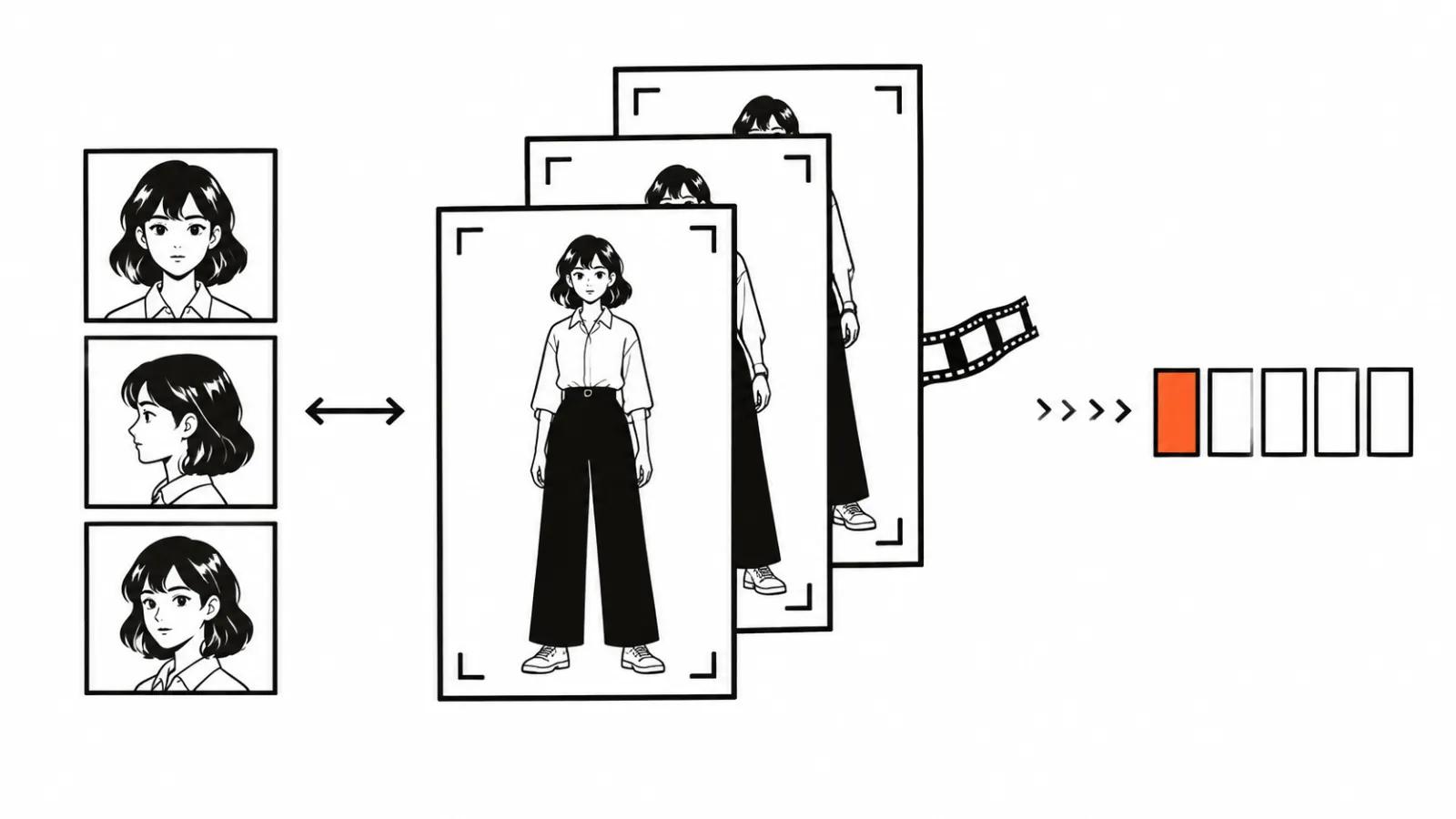
The same post carries a worked example. The Into the Giant Flower World scene is built from character and scene references: the images lock the hero's appearance, the wardrobe and three distinct environments, an iris hillside, a pink rose garden and a lily valley. Inside one generation the shots alternate between close-ups, low-angle POVs and wide shots, with transitions carried by leaf and petal occlusion.
The set there is small and chosen by meaning: appearance, clothes, environment, style. None of the twenty slots are filled here, or in the second example, where a continuous 30-second pass runs through five paintings. The limit tells you what the model can hold. How much a particular shot needs is counted separately.
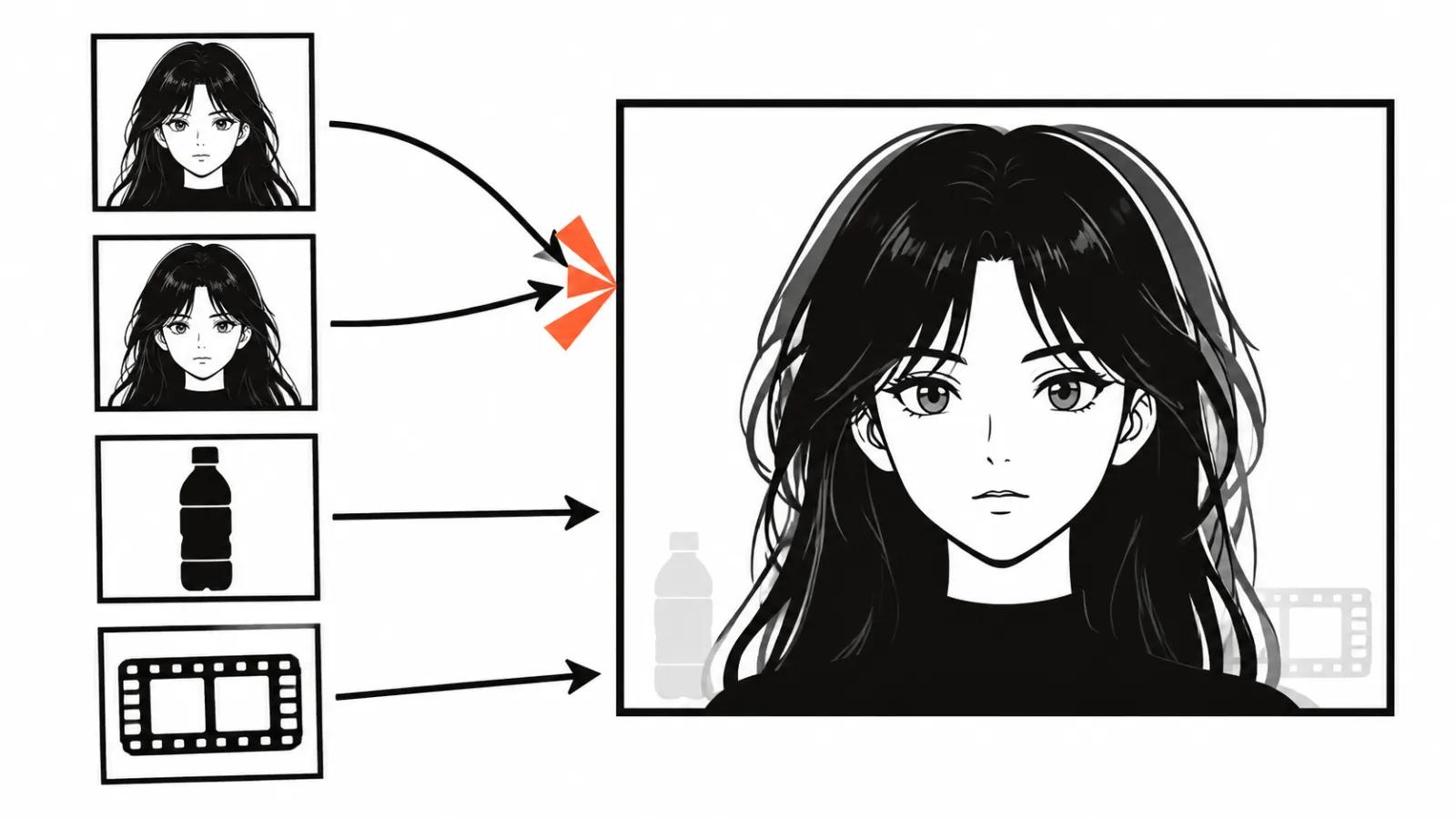
An extra reference adds another version of the truth. Twenty photos of one bottle give twenty shades of glass and twenty shapes, and the output is an object that matches none of the photos.
Counting references for one shot
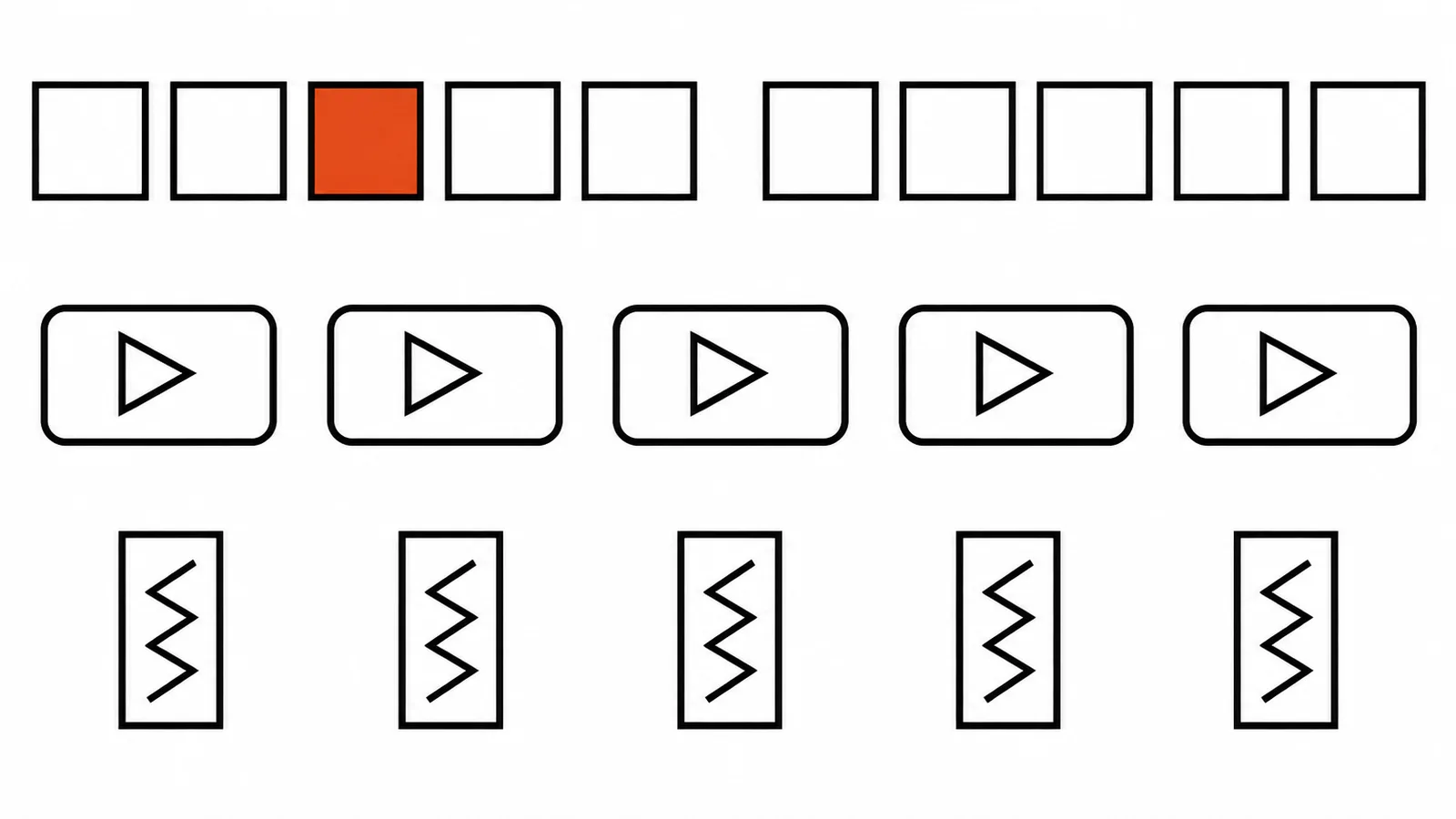
The easy way to count is by layers of the frame. Who is on screen, what they hold, where it happens, how the camera moves, what you hear. Each layer gets its own material.
An 8-second shot in one room with one person closes with two or three items. A 30-second scene with three environments and one hero, as in the flower example, needs six or seven. Twenty slots make sense when the frame holds several people, the locations change and the camera runs a long continuous take.
The basics of a product and character reference are covered in a separate lesson. What matters here is the next step, the arithmetic for a long shot.
- Character. Face and hair, plus a separate frame for the wardrobe if it changes across the scene.
- Product or object. Shape, label, colour.
- Environment. One image per location that actually appears in the frame.
- Motion. A video carries pace and body language, it does not set appearance.
- Sound. Voice, room tone, music, if they have to line up with the picture.
Splitting twenty slots by type
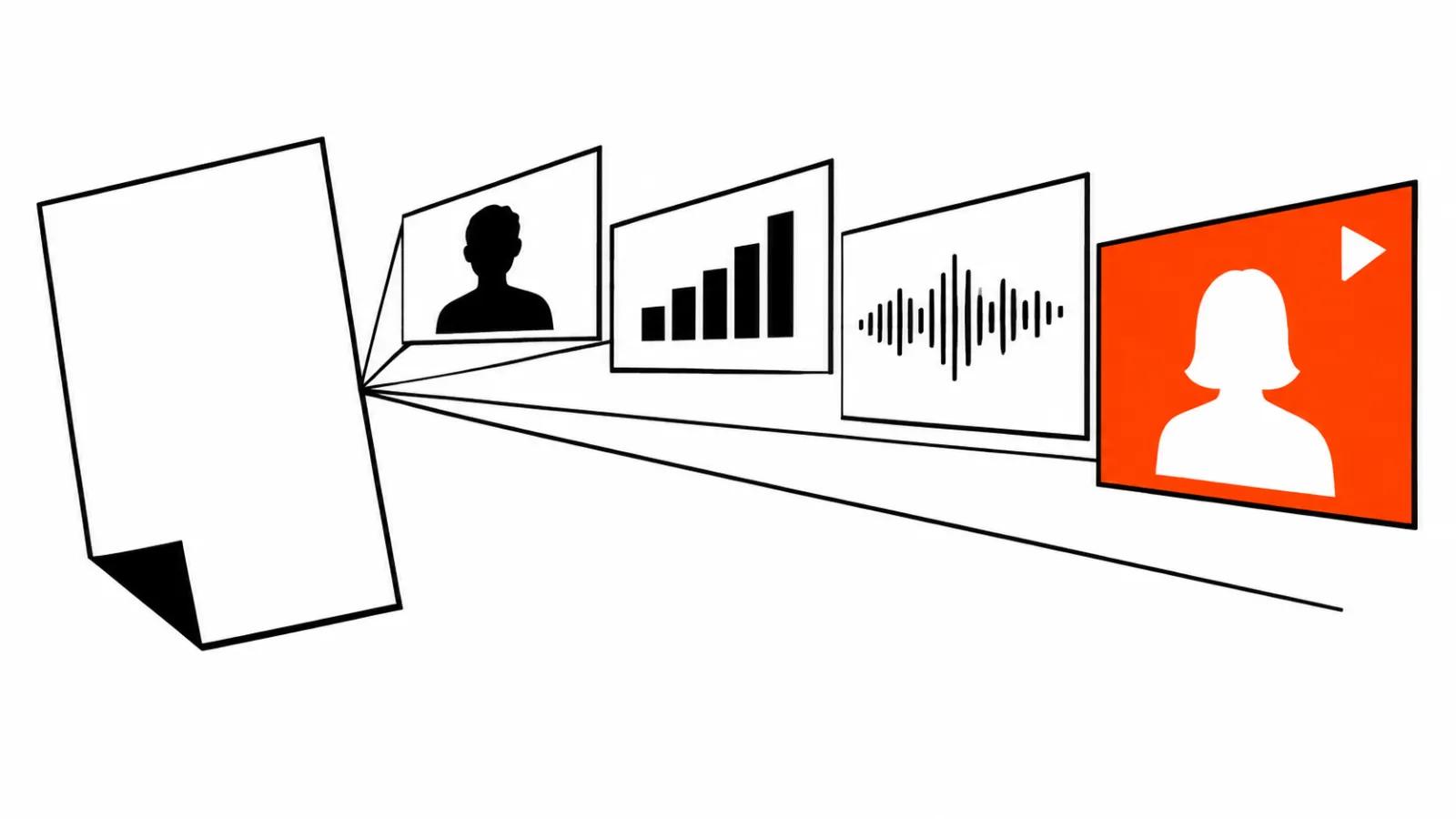
When the task really is large, the split from the post keeps the count honest. Images go up to ten and carry everything static: appearance, clothes, the product from two angles, environments, style. Video goes up to five and carries motion: pace, camera path, body language. Audio goes up to five and carries sound: voice, location noise, music.
Each type owns its layer. An image does not set pace, a video does not hold a face. When types are asked to do each other's work, the set grows and the output gets less predictable.
Worth saying out loud what the post leaves out: the order in which the model reads references, the priority when two of them conflict, and whether tagging helps. Any instruction on that subject from third parties, as of 25 November 2026, is guesswork, so contested details get checked on your own test shot.
Cutting the set down
Four checks before the request goes out.
There is a technical reason to keep the set clean as well. Upscaling in MAGI-2 is a separate stage: a dedicated latent spatiotemporal upscaler lifts base-model output to 1080p at 25 frames per second and re-injects the original reference images, which improves small-face identity and text legibility across a 30-second scene. A reference works twice, and a weak image spoils both passes.
- One job per item. If the role does not fit in one sentence, the item is spare.
- One light and one colour temperature across all images. A photo under a yellow lamp next to a daylight frame hands the model two different objects.
- One version of the product. An old pack design, a new one and a promo sticker in the same set turn into a fourth variant that does not exist.
- No duplicate angles. A second photo of the same framing adds weight and no information.
When references disagree
The disagreement starts on flat ground, and there are usually three causes. Different light on two photos of one object. Two versions of the packaging. Different optics, since a wide lens distorts proportions and a long one stretches them, and the model reads proportions off the frame.
Then comes the temptation to add a third reference as a tiebreaker. It usually makes things worse: a third voice does not reconcile the first two, it adds one more variant. With no published priority rules, the reliable move is to drop the contested item, bring the reference frame back to the original and run a test shot.
Another case is a reference that drags in what you did not ask for. A style frame with faces in focus brings strangers into the shot, a video from another location brings the wrong room. Narrow the role of that item in words.
A prompt for one ad shot
The task: a vertical 8-second shot, a presenter holding a bottle and speaking one line. Four items: the presenter's portrait, a packshot of the bottle, a video with the pace you want, audio with the voice and kitchen noise. Aspect ratio 9:16, audio on, 8 seconds.
MAGI-2 has no published reference-tagging syntax in the Sand.ai post, so the roles here are stated in words. How to label references in a prompt where the syntax is documented is covered in another lesson.
Vertical shot 9:16, 8 seconds, audio on. Take the presenter's face, hair and clothes from the reference portrait. Take the bottle shape, label and glass colour from the packshot, keep the shape unchanged. Take pacing from the reference video, and do not use its room or its people. Take the voice and kitchen noise from the audio reference. Scene: kitchen table by the window, soft daylight, wood surface. 0-3 s: the presenter sets the bottle on the table, camera pushes in slowly. 3-6 s: she picks it up, turns the label to camera, speaks one line. 6-8 s: she sets it down, smiles, camera pulls back. No subtitles, no background music.
The prompt can be written in any language. The section on capabilities that emerged before post-training notes cross-lingual understanding, and the same section says those behaviours become harder to elicit after fine-tuning, so nothing here is a guarantee.
Checking the result by the second
The check follows the shot markup, second by second, at full size. A preview in the interface is the weak spot here, since fine detail does not survive it.
Keyframes marked by the second help here as well. When a shot is assembled from several generations instead of one, the markup shows which seam drifted.
The test runs on one shot at a short duration. If the colour drifted on the test, adding materials is pointless: the reference frame is what gets fixed.
Then the budget conversation starts. An AI video ad is scoped by placement, deadline and rounds of revision, while a full build runs as AI video production from $190 per video.
- 0-3 s: the bottle matches the packshot in shape, colour and label.
- 3-6 s: the face. Chin shape, hairline, distance between the eyes.
- 6-8 s: hands and fingers, the grip.
- Label text: legible, or has it turned into a bar.
- Sound: the line matches the lips, the kitchen noise is still there.
- Compare against the reference frame on one screen, because the eye adapts to the neighbouring shot.