The dates, from open call to ceremony
Every date below comes from the competition site, chromaawards.com. Entries opened on October 19 and close on January 7, 2027. The shortlist follows between January 8 and January 21. Voting and judging run from January 21 to February 11, and winners are announced on February 11. The ceremony is set for April 2027, with the exact date still unpublished.
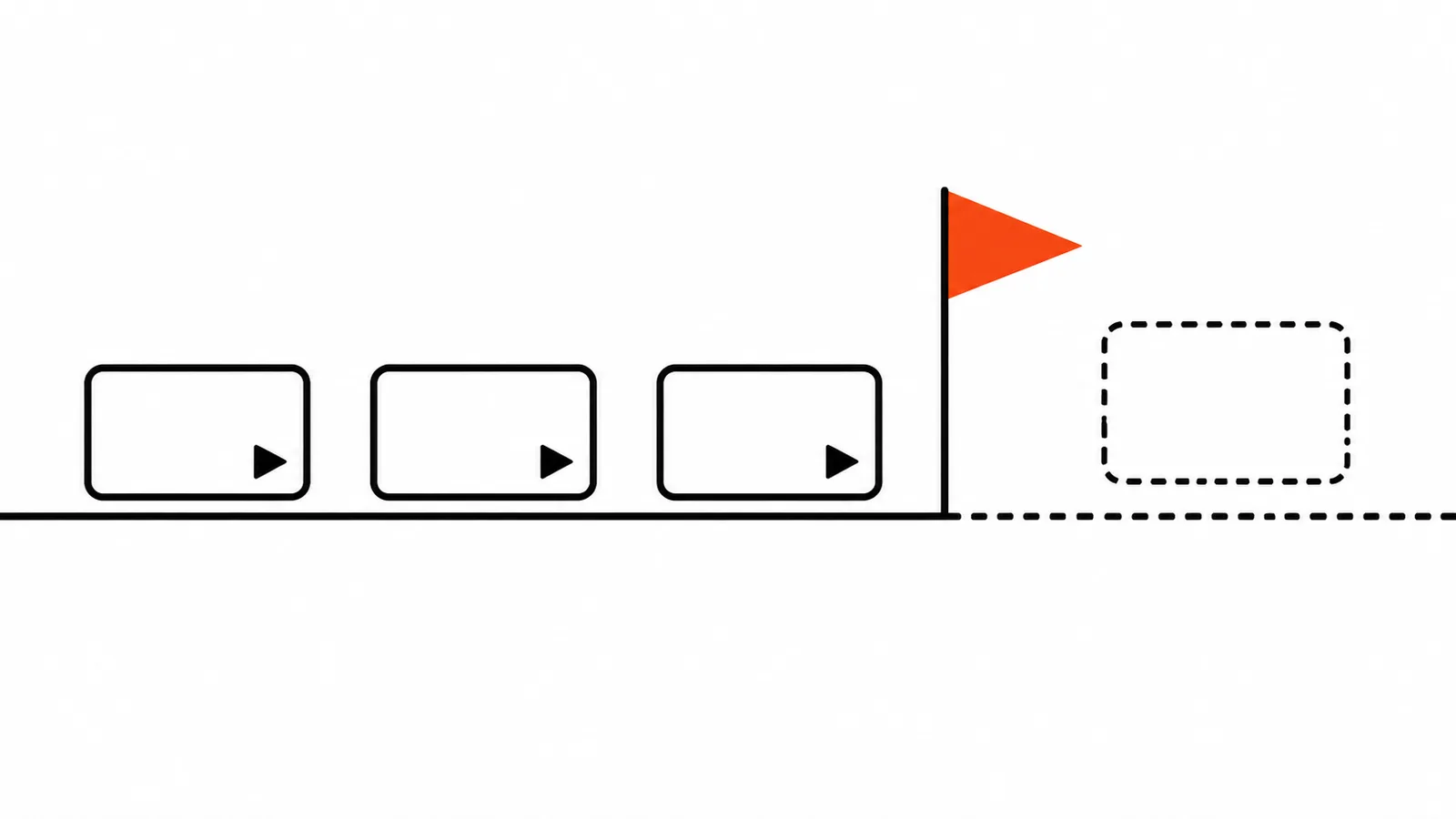
That leaves more than a month before the deadline, which happens to be the window in which a project can still be built from scratch. After January 7 nothing can be added: the call closes and the next chance arrives with the next season.
Why it matters: the calendar is public well ahead of time, so a production schedule can be planned around it instead of forcing an edit in the final week.
The $450,000 pool and the sponsor bonus
The Chroma Awards are described as ElevenLabs' flagship competition for AI creators, which sets the tone. This is a toolmaker running a contest, with a product company's priorities behind the categories.
The pool is listed as $450,000 and up. Part of it is cash, part is travel. There is no public breakdown by category: the site mentions an overall pool and category prizes, without numbers, so nobody can promise a specific figure for first place in a given award.
The second layer is partners. The sponsor list on the site includes CapCut, Cantina and Runware, among more than 100 companies and communities. The rule is stated plainly: work made with sponsor tools qualifies for additional prizes. The practical reading is that between two entries of similar quality, the one assembled in the partners' stack and able to show it in the submission wins the tie.
Why it matters: the pool reads as a single number, but it is really several streams where cash, travel and platform prizes sit apart. It makes sense to aim at one category where the prize type is at least clear.
Categories: platform awards, music videos, and the making-of track
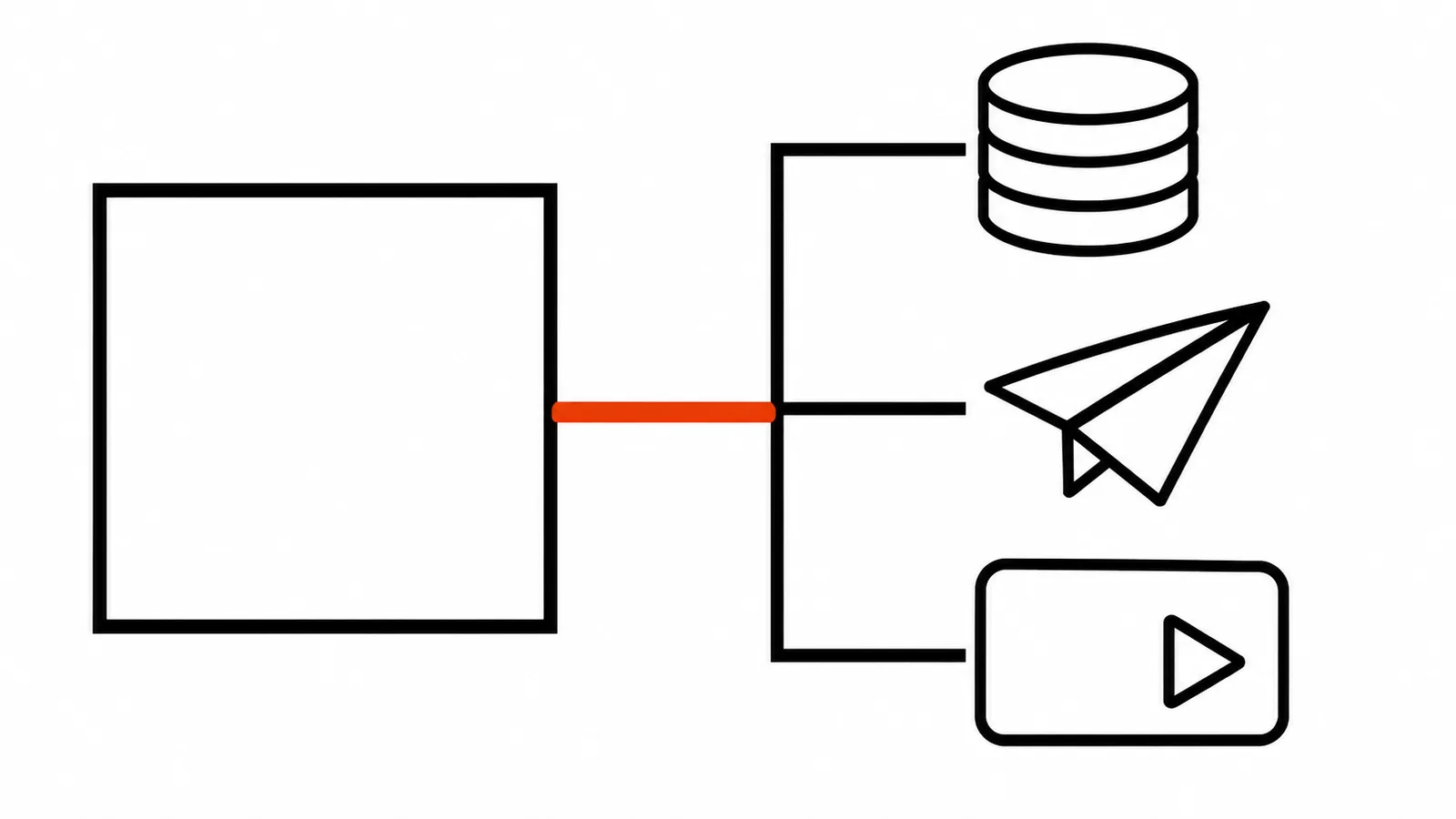
A No Film School piece from November 24, 2026 lists what gets rewarded: film, music videos, ads, games and behind-the-scenes material. The No Film School article is labelled sponsored content, so the category list is safer to check against the competition site, where it resolves into named awards.
Nine awards carry platform names: ElevenCreative Awards, CapCut Awards, Cantina Awards, Kling Awards, OpenArt Awards, Meshy Awards, Floyo Awards, Dreamina AI Awards and Alibaba Cloud Awards. Three more cover subject matter: Behind-The-Scenes for process, Music Video Division for clips and Student Awards for students and young professionals.
There is no separate advertising category in that list, so AI commercial work goes through the platform awards and the bet lands on the tool the piece was built in. The question shifts from whether the film is beautiful to whether it fits a named award.
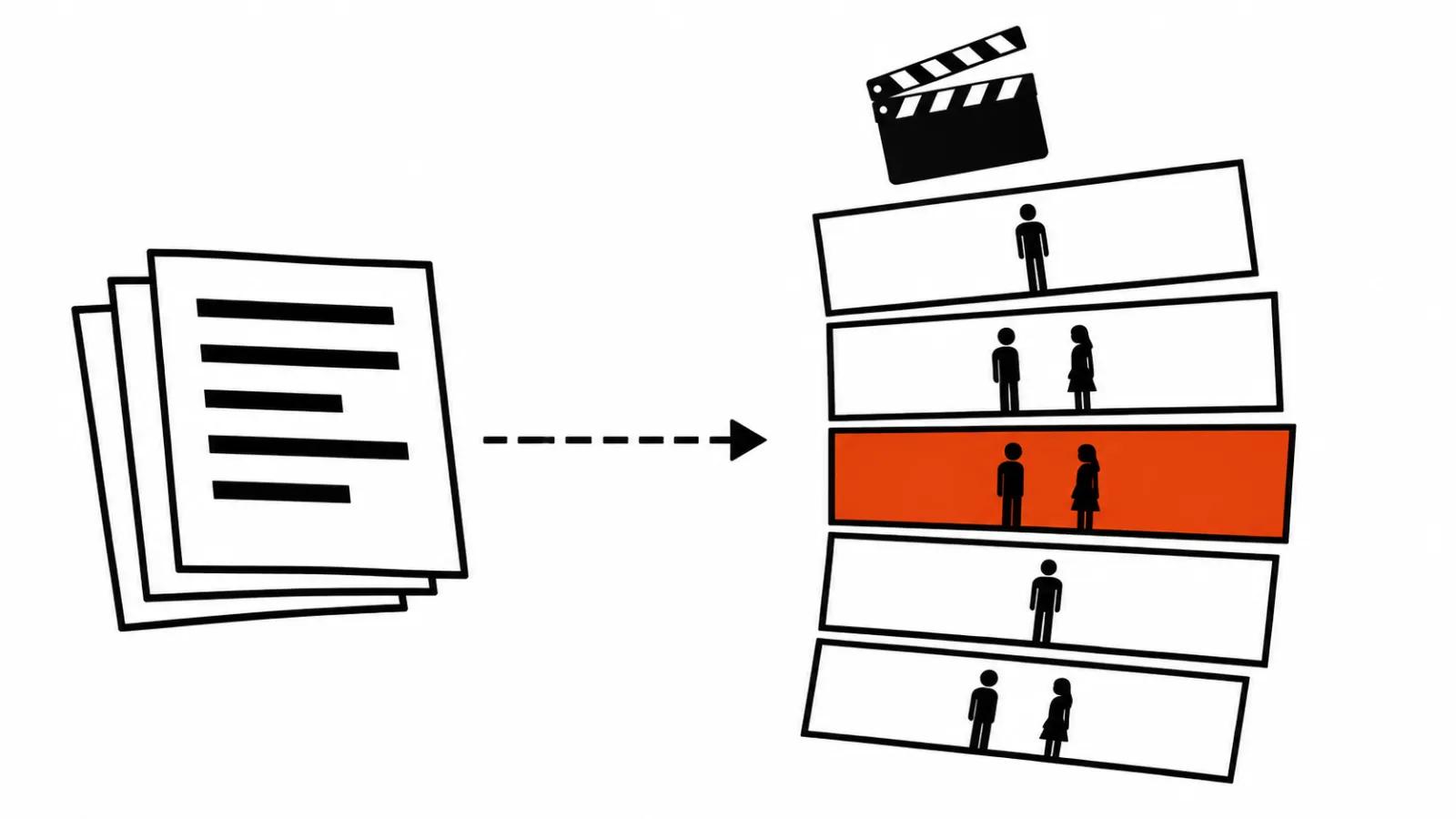
The second half of the list is the more interesting one for anyone producing client work. Behind-The-Scenes rewards the process, which means the competition looks at how a piece was assembled alongside the finished frame. Few contests give drafts and intermediate versions their own value.
The deadline math for AI video production
There are no published requirements for length, file formats, language or an entry fee. That makes the rules page the first thing to open, and a length limit found late can void a finished edit.
Second, the partner stack. Work made in sponsor tools qualifies for extra prizes, and the submission description should say so directly.
Third, the record. A behind-the-scenes entry needs footage from day one: screen recordings, drafts, intermediate versions, short notes on why a shot was redone. That record cannot be reconstructed afterwards.
Finally, the buffer. Sending a week before January 7 leaves room to fix a file the platform rejects. Sending on January 6 leaves none.
On cost, if the piece is being commissioned: custom AI video production starts at $190 for manual videos, and short-form volume runs up to $2.40 per 1000 views. Keeping a project inside one stack also helps at submission time, because one tool is easier to verify in a description than five.
The student track, and who is not confirmed as a judge
Students and young professionals aged 18 to 24 can enter any category and also compete for paid internships in summer 2027. The wording matters: the track is open to people still studying and to those already working who fall inside the age range.
The prize is not only money. An internship means access to the teams building generation tools, and for a portfolio that line weighs more than a place on a winners list.
Judging is a separate question. The site names judges from past seasons: Hiroaki Inoue (AiHUB), Charlie Fink (Sprocketdyne), Henry Daubrez, Eugene Chung (EYC) and Annie Hanlon (Playbook). The season two panel is not confirmed in public materials, so that list belongs to competition history and says nothing about the current jury.
What an entry is worth beyond the prize
Comparing contests helps scale the thing. Higgsfield's AI film contest is a different organiser with a different pool. The November 1 roundup on the AI film festival covers selection and screenings, and it works differently: festivals watch finished films, while this competition hands out awards by tool category.
The practical conclusion is short. If the work exists, submit it before January 7, because the window is narrow and the next season is a year out. If it does not exist, the published dates are enough to plan around, with the shortlist opening on January 8.
One more note on mechanics. A contest with $450,000 and a hundred partners runs on platform categories, which means it runs on tools. A creator who finishes inside one stack and can show the process ends up ahead of one with a single strong shot and no record behind it.