What the film is and how the argument started
The Further Mis-Adventures of Cliff Booth is written by Quentin Tarantino and continues Once Upon a Time in Hollywood. David Fincher directs, Brad Pitt leads. The story moves to 1977, eight years after the first film: the character works as a projectionist and picks up fixer jobs around Hollywood.
The release plan is unusual for Netflix. The film gets an exclusive two-week IMAX run starting November 25, then lands on the service on December 23. The Los Angeles Times notes that this is the streamer's first IMAX release.
The argument started with the frames themselves. On November 23, VP Land gathered coverage from Deadline, the Los Angeles Times, IndieWire, Entertainment Weekly and Collider: viewers are discussing shots that look generated, and the director has responded.
What the director says
Fincher does not deny using the tools and does not treat them as a reason for alarm. He told the Los Angeles Times: "I'm not a Luddite, so I don't fear the unknown." The second point from the same conversation comes down to this: the tool exists, so the only question is whether to use it.
The rest of the argument rests on how young cinema is as an art form. People have painted for tens of thousands of years, film has existed for about a hundred, and demanding that everyone stop experimenting at that age looks odd. In the same quote he sums up the objection: "Stop. Pencils down. No more iterating."
One caveat matters, and VP Land makes it directly: Fincher's statements defend generative tools in general. He has not confirmed or listed specific generated shots in this film.
What viewers and critics saw
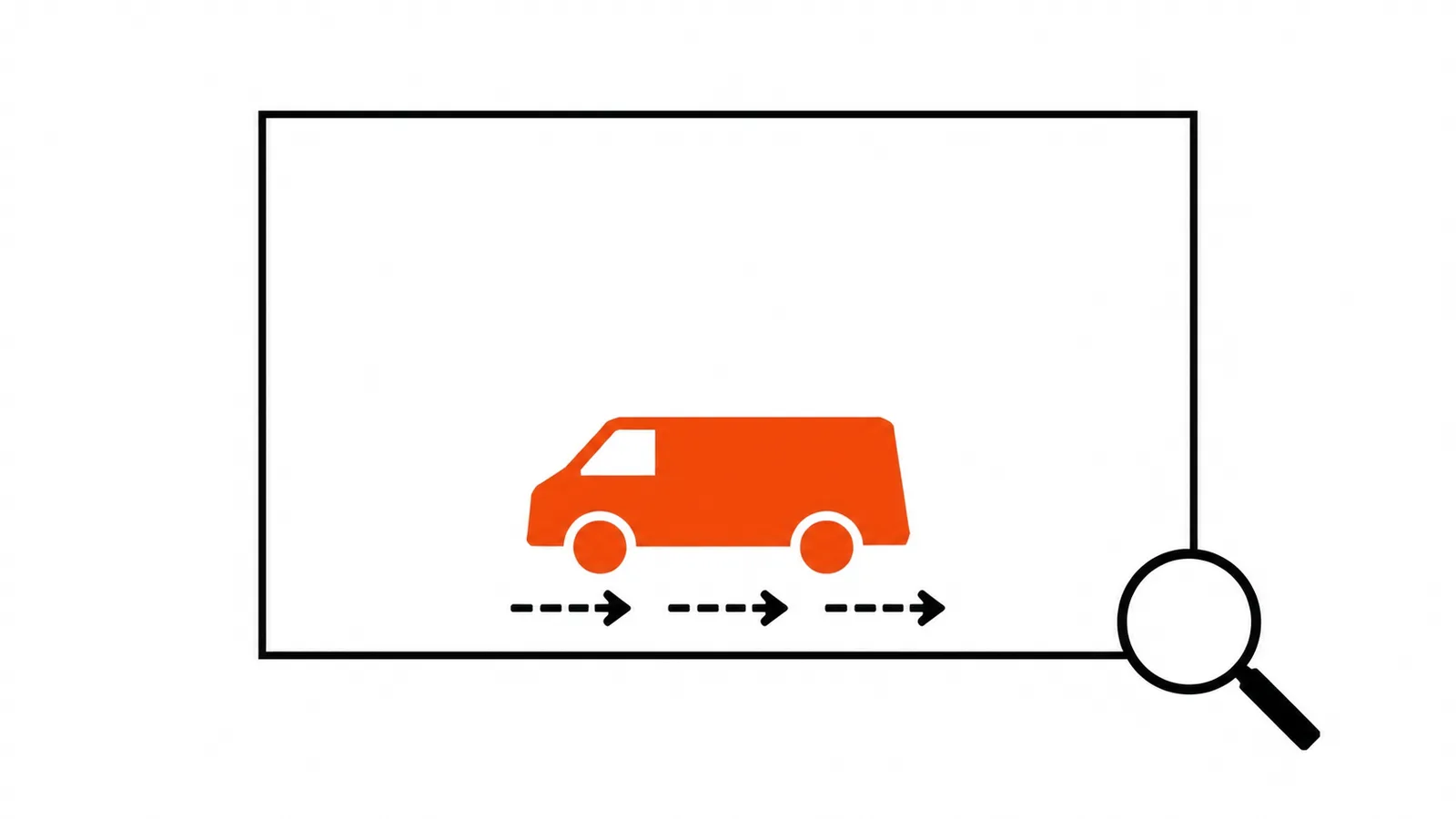
On social media the AI use is called obvious. Deadline quotes the phrase "astounding to an absurd degree". IndieWire reports that generation artifacts show up in the key flashbacks and points to a shot in the trailer where a van appears to be facing the wrong way. One viewer told Deadline they "walked out of Cliff Booth completely gutted".
The IndieWire reaction is harsher than usual, and the reason is easy to see: this is a director valued for attention to detail in every frame. The complaint is not about the right to pick up the tool. It is about what shows up on screen.
Why restoration and generation are different jobs
Fincher's earlier experience with generative tools came on the 4K remaster of Se7en. He never said which tools were involved. The reason was mundane: at 4K, thousands of tiny scratches become visible. "It was an enormous amount of fixing," he said, as quoted in the same coverage.
One episode shows the logic of that work. A camera pan drifted past its mark, but the performance in the take was good, so two takes were joined and the missing section was synthesised. Fincher's comment to Collider comes down to a simple idea: the patch was the most ridiculous fix in the world, and that is fine, because its whole job is to stay invisible. If the seam reads, the job was not done.
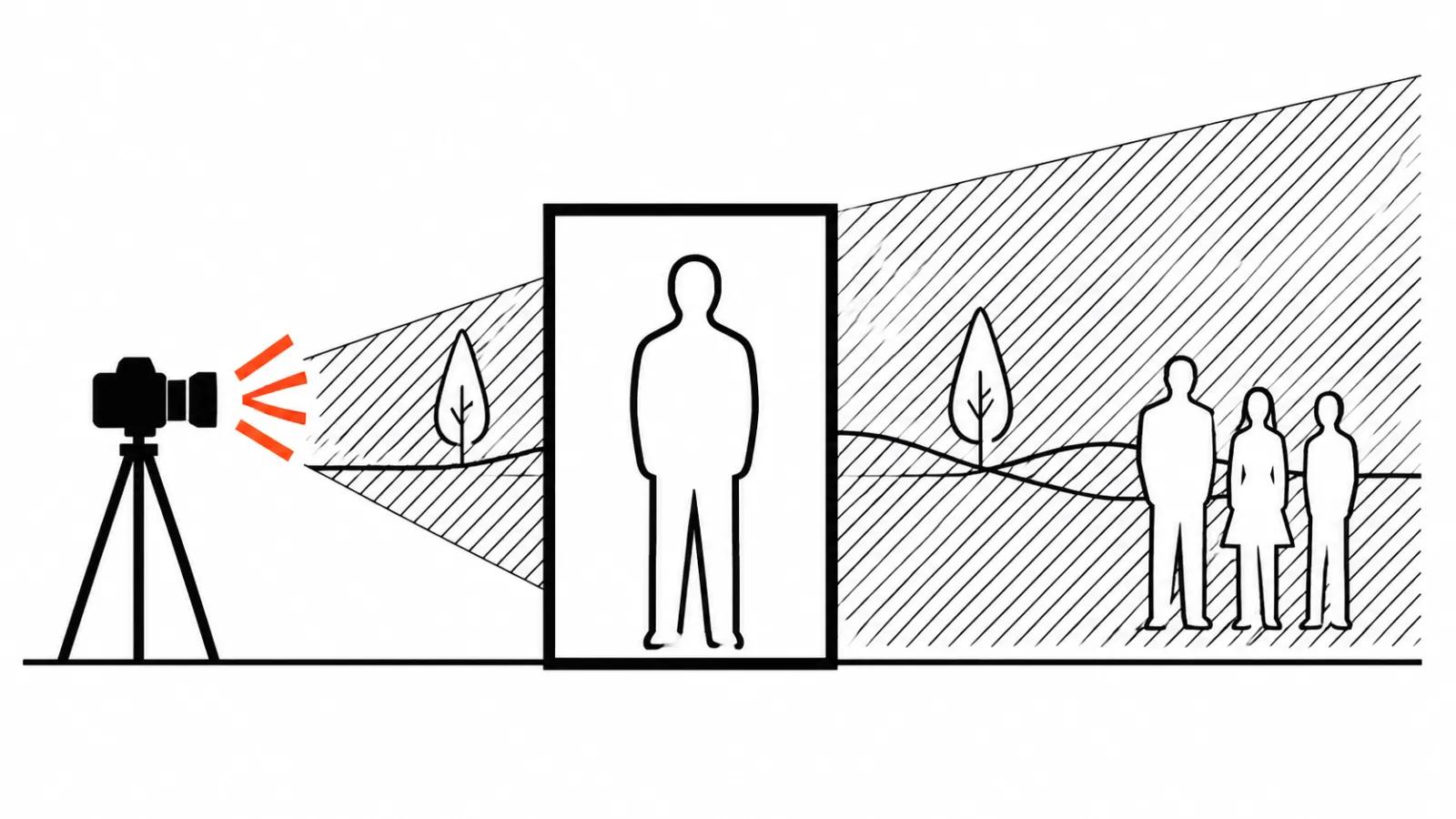
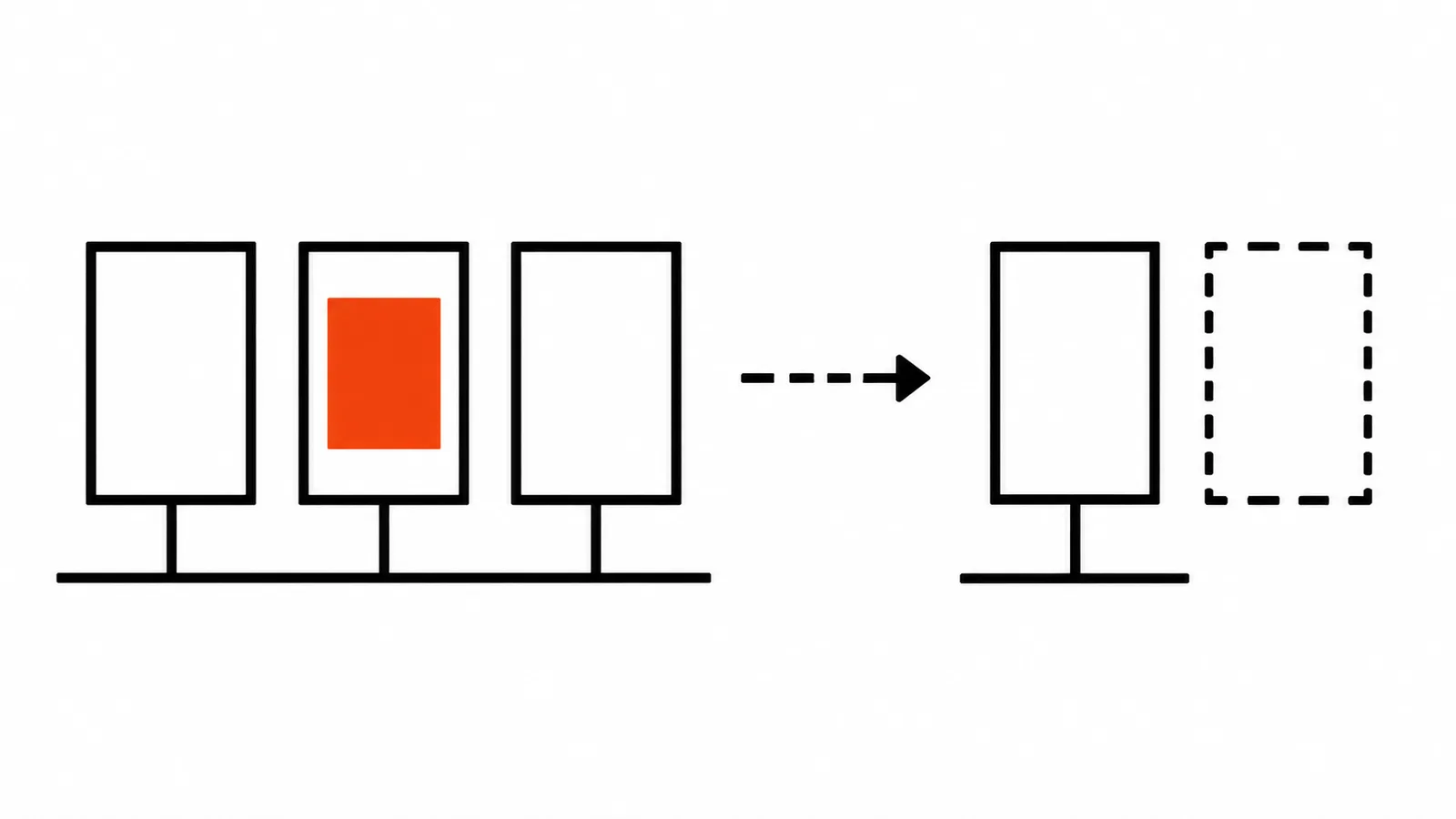
The difference between restoration and a new shot is fundamental, and it explains why this argument got loud. In restoration the defect has a reference: neighbouring frames of the same scene, the same light, the same geometry. The person checking knows where to look and compares the broken area against an intact one. A generated shot has no reference at all. There is nothing to compare it to, so a mistake can only be caught through the logic of the scene: if an object in frame behaves unlike the real thing, the viewer notices.
That changes the cost of being wrong. Restoration returns something that was already shot. Generation adds something that was never on set, and brings every possible inconsistency along with it. The shot has to be checked as fresh material, end to end.
What to take from this into a commissioned video
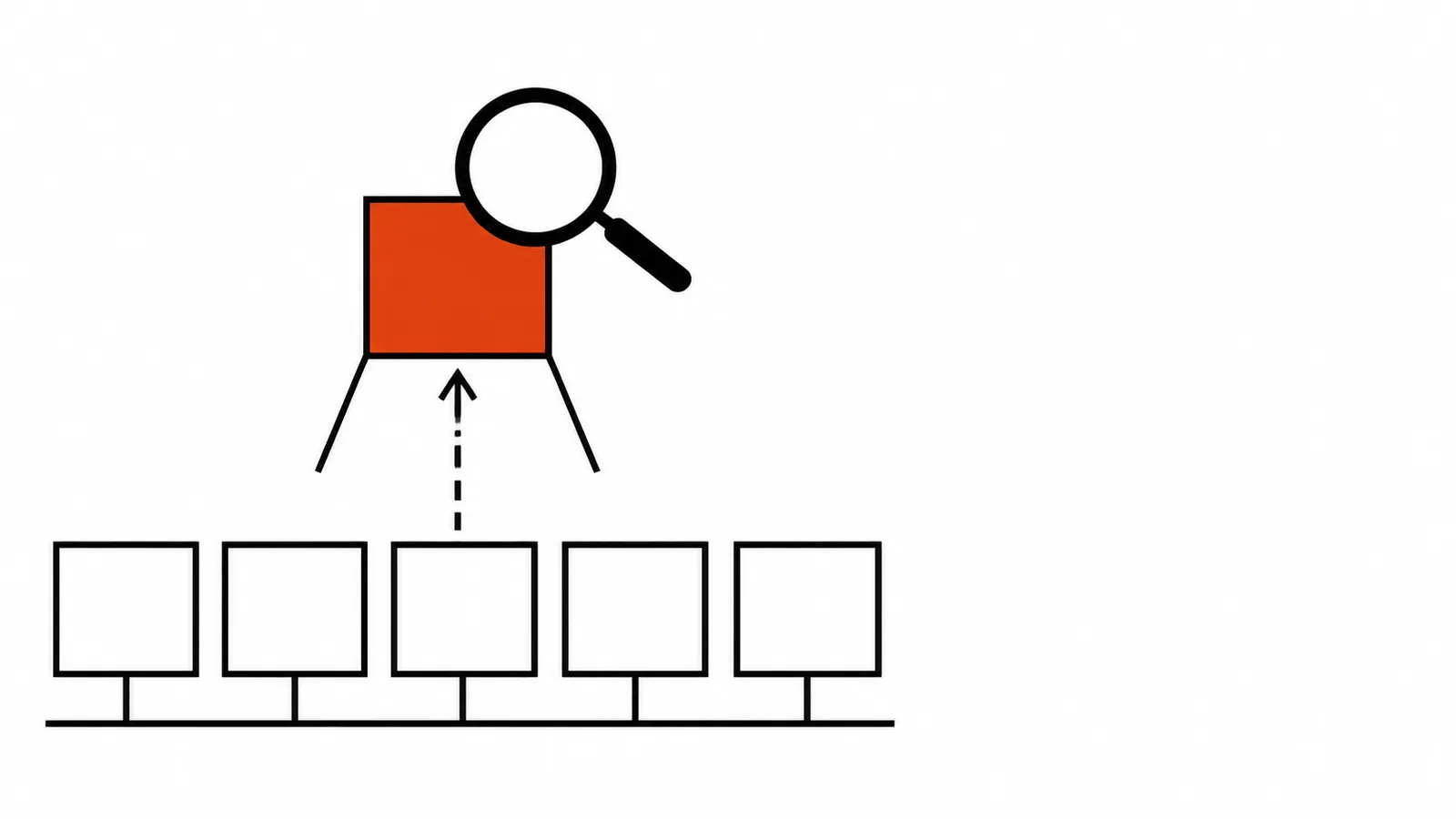
The van facing the wrong way is an inspection failure, and taste has nothing to do with it. A shot like that gets caught in a frame-by-frame review, and a normal viewing passes it: the eye follows the actor and the light while the direction of an object in the background slips by. In a commissioned commercial the cost of that mistake runs higher than in a studio feature. An ad lives on platforms where people rewatch it, pause it and take it apart in the comments.
The practical conclusion: generated inserts need their own review pass, however few shots a video has. Look at what models get wrong most often: the direction of vehicles and objects, reflections in glass and puddles, shadows, on-screen text and logos, and continuity with neighbouring shots in light and wardrobe. Keep that check as a fixed list and run it the same way on every project; a full delivery checklist covers the rest of the order.
The second conclusion is about budget. Money saved on set turns into rework when a generated shot is approved after a single viewing. Rework costs more because it arrives at the very end: the shot already sits in the edit, the music is chosen around it, and any replacement drags the shots on either side with it.
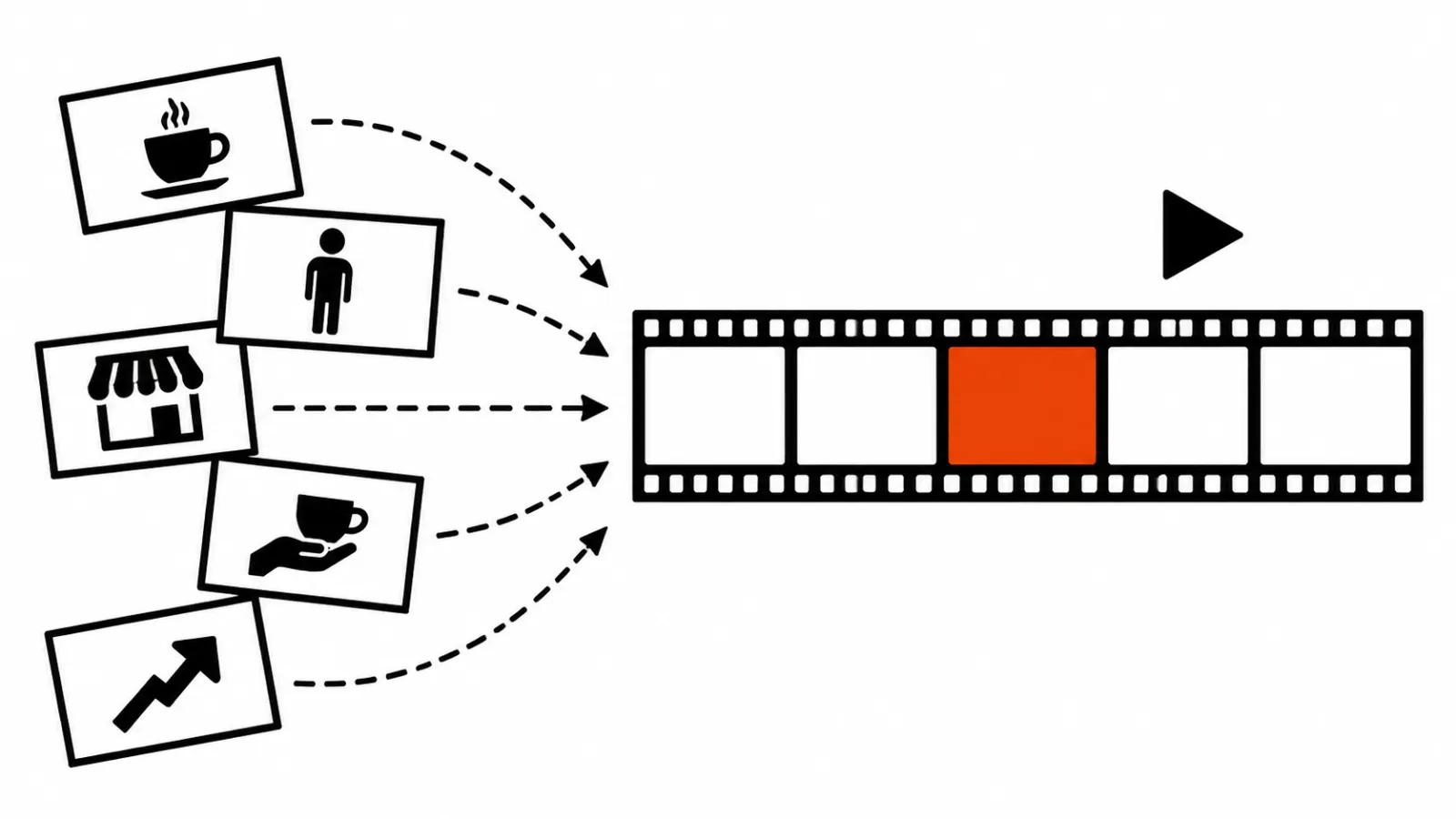
The third is about where the approach fits. Handcrafted AI videos are built around selection: every frame gets reviewed on its own, and only the version that passed goes into the edit. Big-budget film works the same way, with higher stakes and far more people watching for a mistake.
Two legal layers sit outside the Fincher argument and belong on every job. If a real person appears in frame, likeness protection and consent for the face on screen come first. If the frame is generated, AI content labelling rules apply, both platform policy and local law. Both get checked before publishing, alongside the technical specs.
The position on the story itself is short. The tool went to a director known for caring about detail, which is exactly why a bad frame became news. For commissioned video that is a useful test of process maturity: when generated shots go through the same review as filmed ones, the argument about whether AI belongs in cinema stays an argument among critics, and the client never has to hear about it.