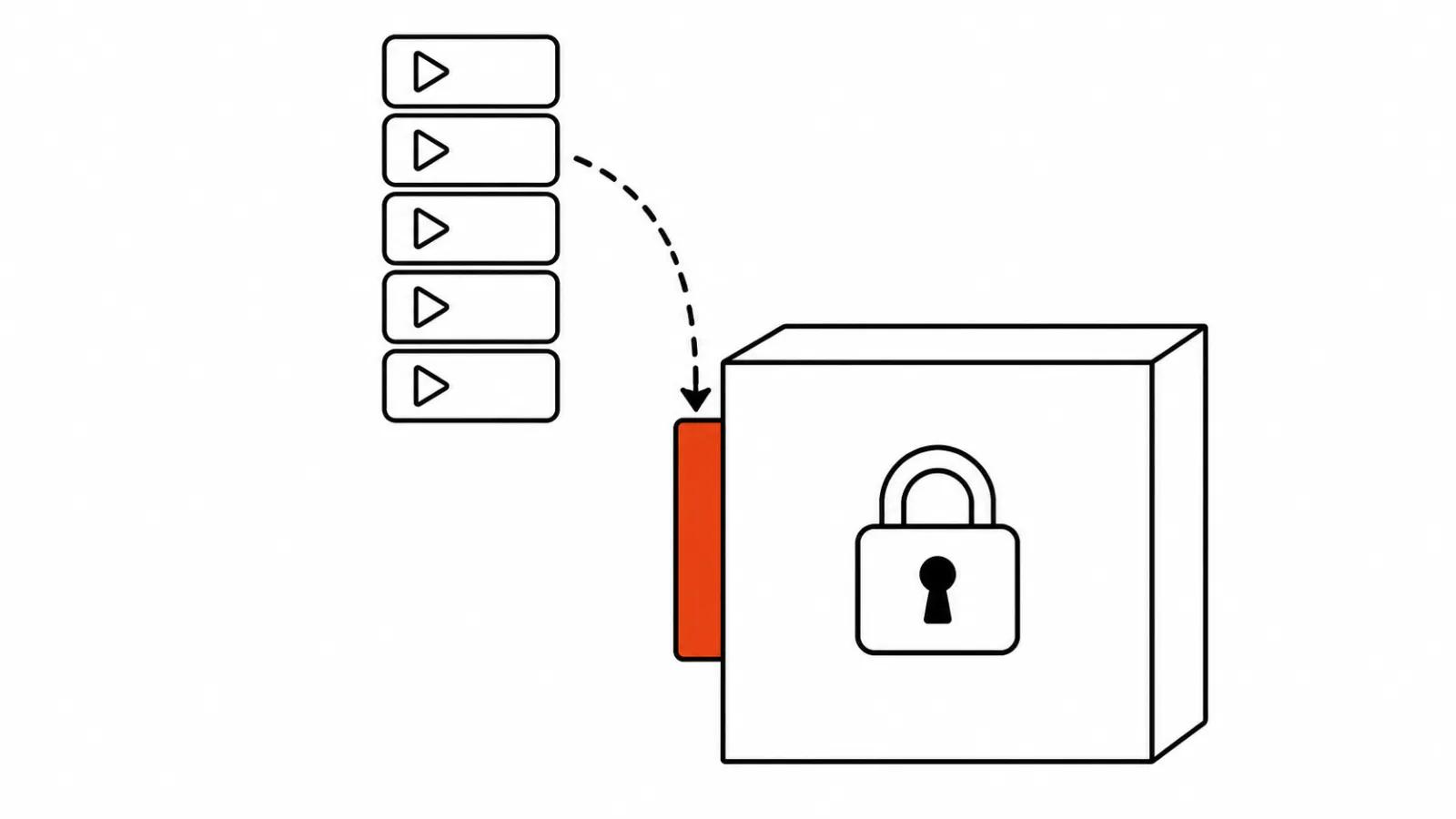
What the bot found in Vertex AI
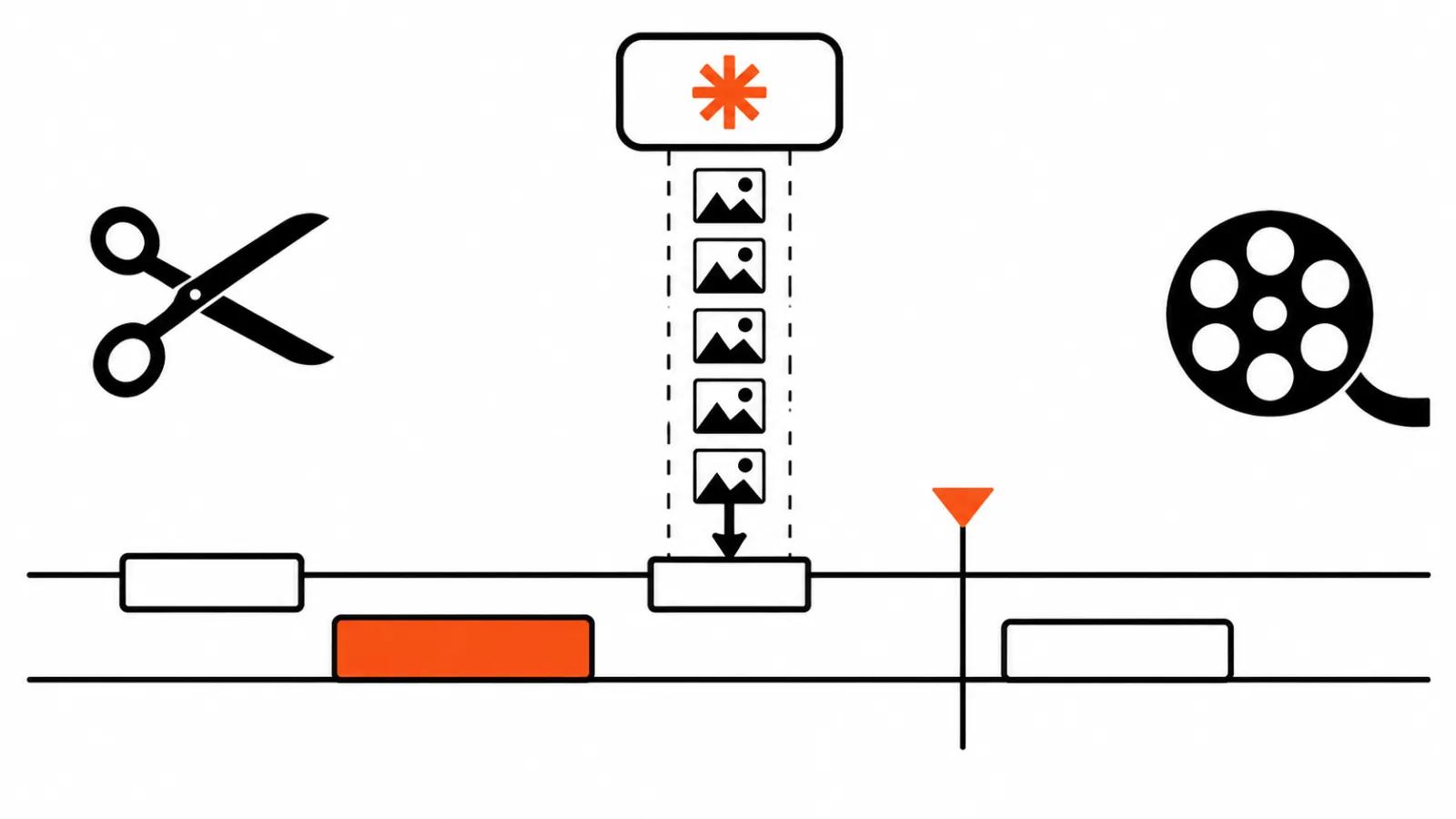
On November 13 US time, the night of November 14 in Moscow, the X account @aitrackerbot wrote that the Vertex AI API (v1beta1) now carries a spec called Omni LoRA tuning. The account is run by an operator going as @SSHCodes and tracks model releases automatically, and it has no connection to Google. The same post lists the useful part: training on your own dataset in JSONL format for text-to-video and image-to-video, with adapter sizes of 8, 16 or 32. The author adds his own caveat in the same breath: no documentation and no announcement yet.
So what we have is a line in an API spec, found by a third party bot. I treat it as a rumor from here on, and I keep one thing in mind: a field name in an API promises nothing about the shipped feature.
What Google's documentation says
As of November 14, the official Google Cloud section titled Introduction to tuning documents tuning for Gemini text models, and Gemini Omni is absent from the list of models you can tune, and the word LoRA does not appear near Omni anywhere. No price, no timeline, no requirement for the dataset.
That gap between the two sources is the whole story. The spec lives in the API and the documentation stays silent. Possibly the field is being prepared early while the product side is still being built. Sometimes the field gets renamed or dropped before release. The only proof either way is a section in the docs plus an announcement.
LoRA in plain terms
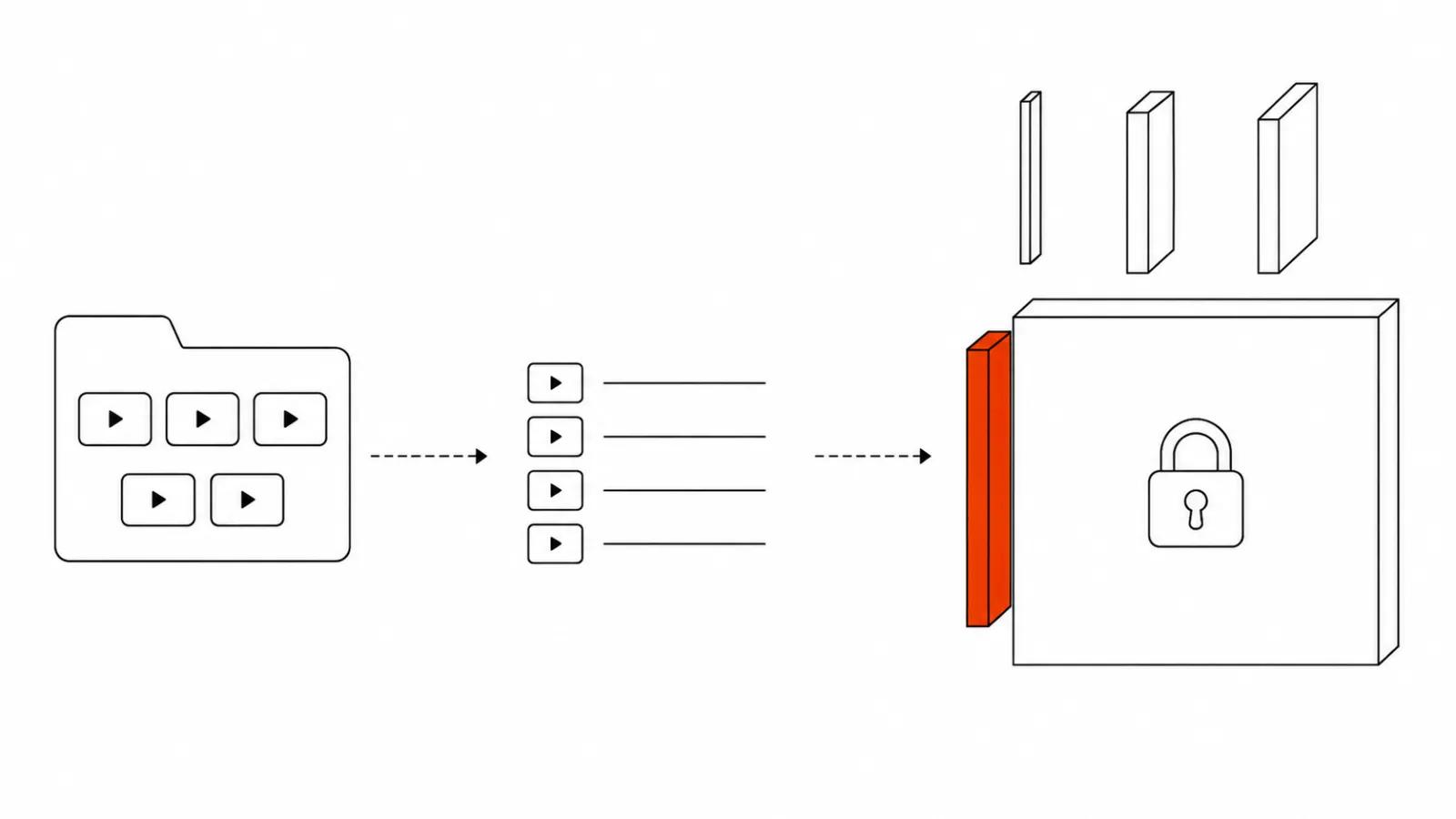
LoRA is a small add-on on top of a finished model, usually called an adapter. The base model stays as it is, and a separate layer trained on your examples sits next to it. At call time the model behaves normally and the adapter nudges that behaviour toward your material. Against full fine-tuning it is cheaper and lighter: the adapter takes little space and lives on its own.
The adapter size in the spec, 8, 16 or 32, is its capacity, the width of that layer. A bigger number means more detail it can hold and a higher chance of overfitting on a small dataset.
JSONL is a plain text file where every line is one record of the dataset. Google has not published the exact record format for Omni. For a client this means the data prep looks like a folder of clips with a table of captions, and everything rests on that folder.
What a model trained on your footage would give you
Three jobs clients pay for most often.
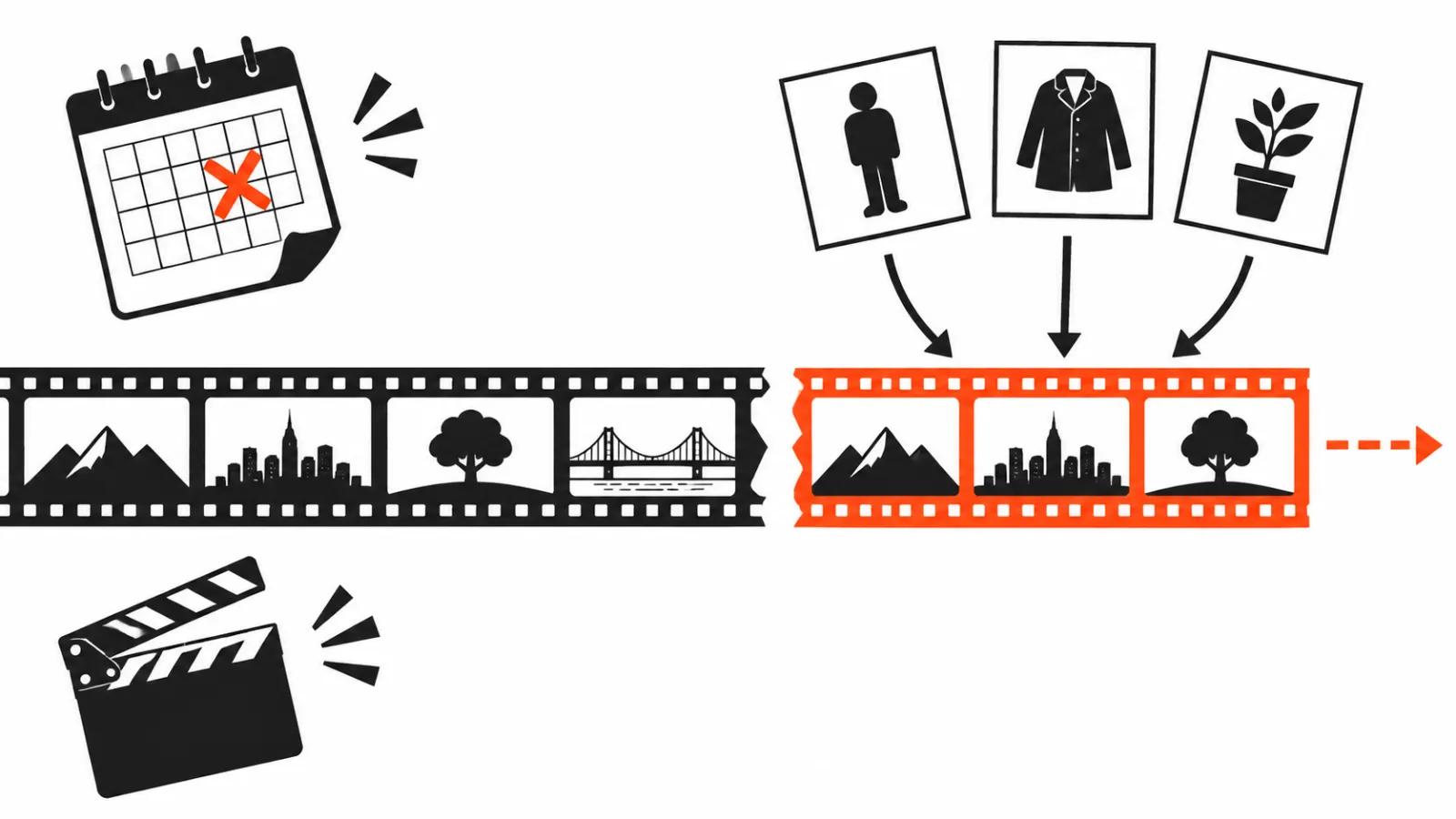
Style. A brand shoots its product in one manner: side light, cool background, tight close-ups, a particular cutting rhythm. Today every new clip needs that manner described in words, and words land differently each time. An adapter trained on ten good clips would hold the light, the palette and the framing without long prompts.
Character. One hero across a series: the same face, the same clothes, the same hair. References in Gemini Omni 1.2 Flash already help, yet they do not guarantee the same face across generations. Fine-tuning promises exactly the missing piece, which is a character that survives a long series.
Product. Packaging, a label, the logo on a bottle. This is the most expensive part for a client, because a flaw here shows instantly and returns as a batch of versions.
That is where the interest in the spec comes from: vertical video ads ship as series, and inside a series what matters is repeatability across the clips. One lucky frame does not hold a series together. Once a model trained on your brand's footage holds the light and the packaging, the series stops falling apart into ten unrelated clips. What works without fine-tuning is below.
Why a line in the API is not a product
The urge to call it a release on the day a spec appears is easy to understand: traffic, quotes, headlines about a quiet launch. Reality disagrees on four counts.
No documentation. Without a section on limits, nobody knows how many clips an adapter needs, what resolution training accepts, how long an adapter lives, or what counts as a failure.
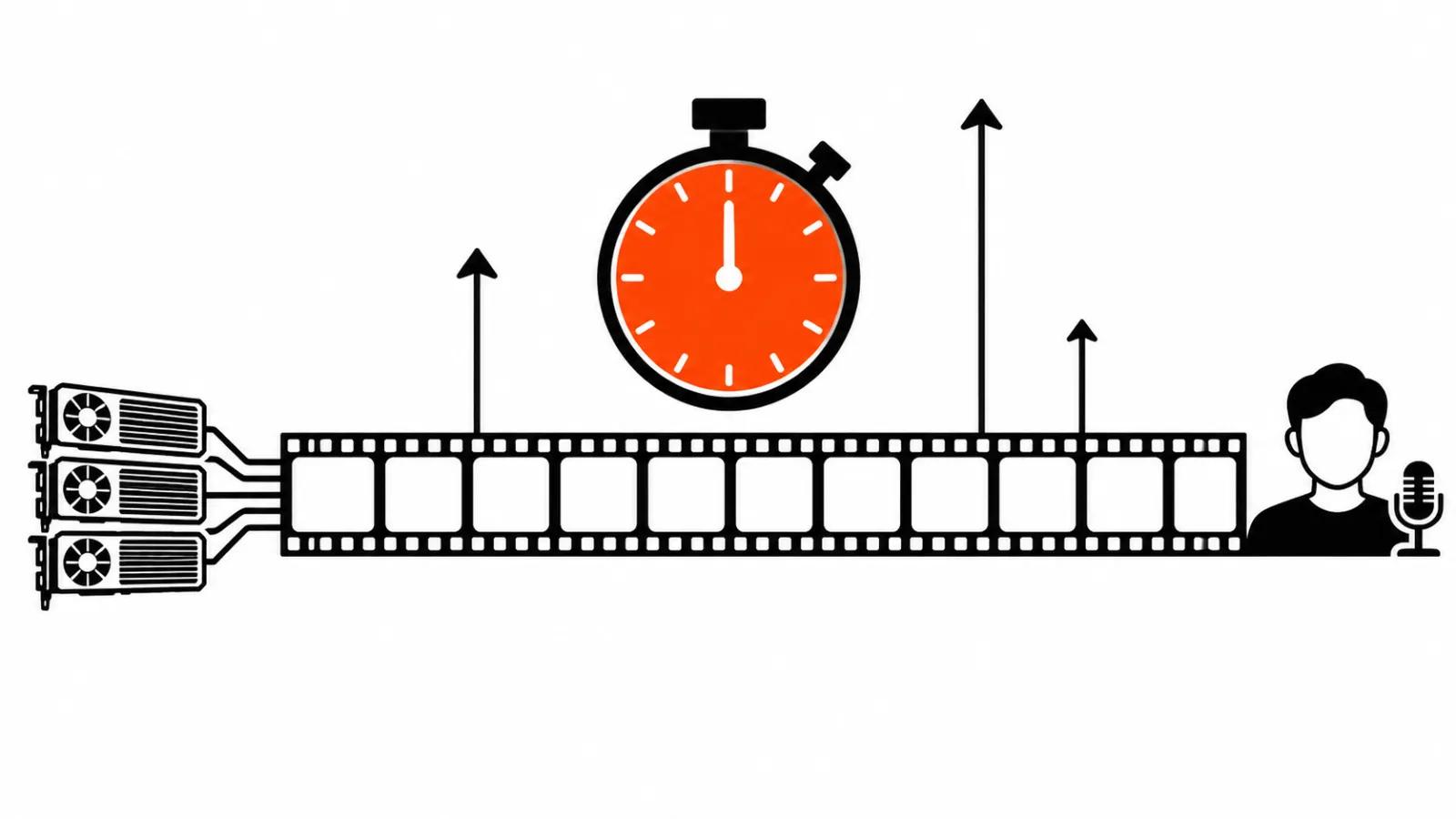
No price. A second of generation on Gemini Omni 1.2 Flash at 720p costs about seven cents, per Google at launch. Training an adapter is separate work on GPUs, and there is not a single number for it. A line like that cannot go into a quote.
No timeline. A missing launch date means you cannot plan a series around LoRA, and a series is exactly the case where repeatability pays for itself.
No access. A spec in v1beta1 is a sandbox for developers. Fields sometimes show up there long before a public launch, and sometimes never reach one.
What Gemini Omni 1.2 Flash already does
It helps to separate the promise from what works today. Per Google Cloud documentation, Gemini Omni 1.2 Flash shipped on November 5, 2026 with video and audio up to 15 seconds, at 360p, 720p, 1080p and 4K. Inputs: text to video, image to video, generation from references, a first and a last frame. Plus video editing, extension and upscaling, up to 10 images per request, and 16:9 or 9:16.
That set is enough to build a series with no fine-tuning at all, if the reference and the first frame are agreed before the shoot. Omni inside Flow and the Veo retirement have a separate breakdown of ours. The 4K rumor about Google's next model sits apart as well: that one is about another release, and this one is about tuning a model that already ships.
How to steer the style of a video today
Waiting for documentation is optional. The order that works on the current model looks like this.
Build a reference set first: three to five frames with the light and palette you want, plus one short fragment with the camera move you want. Those frames go in as references, and the first frame locks the composition.
Then test repeatability: the same prompt five times, watching the face and the packaging from run to run. If they drift, fine-tuning will not fix that instantly, and the test will honestly show where a person is needed.
After that the series ships as versions, each one holding the same visual code. The same order works when you order AI video production: a reference set, references in the prompt, a repeat check. Rework shows up at the test stage, well before the final cut.
My take
I would not plan a project on a line in an API. The rumor is useful for another reason: it shows where Google is looking, and that repeatability of style, character and product is the next problem the company wants its video model to solve.
The practical takeaway for this month is short. If you commission a series, ask for a reference set and a repeat check before the main work starts. If you build in house, keep your good clips in one folder with captions: if Omni LoRA arrives with that input format, the folder becomes a training set with no rework.