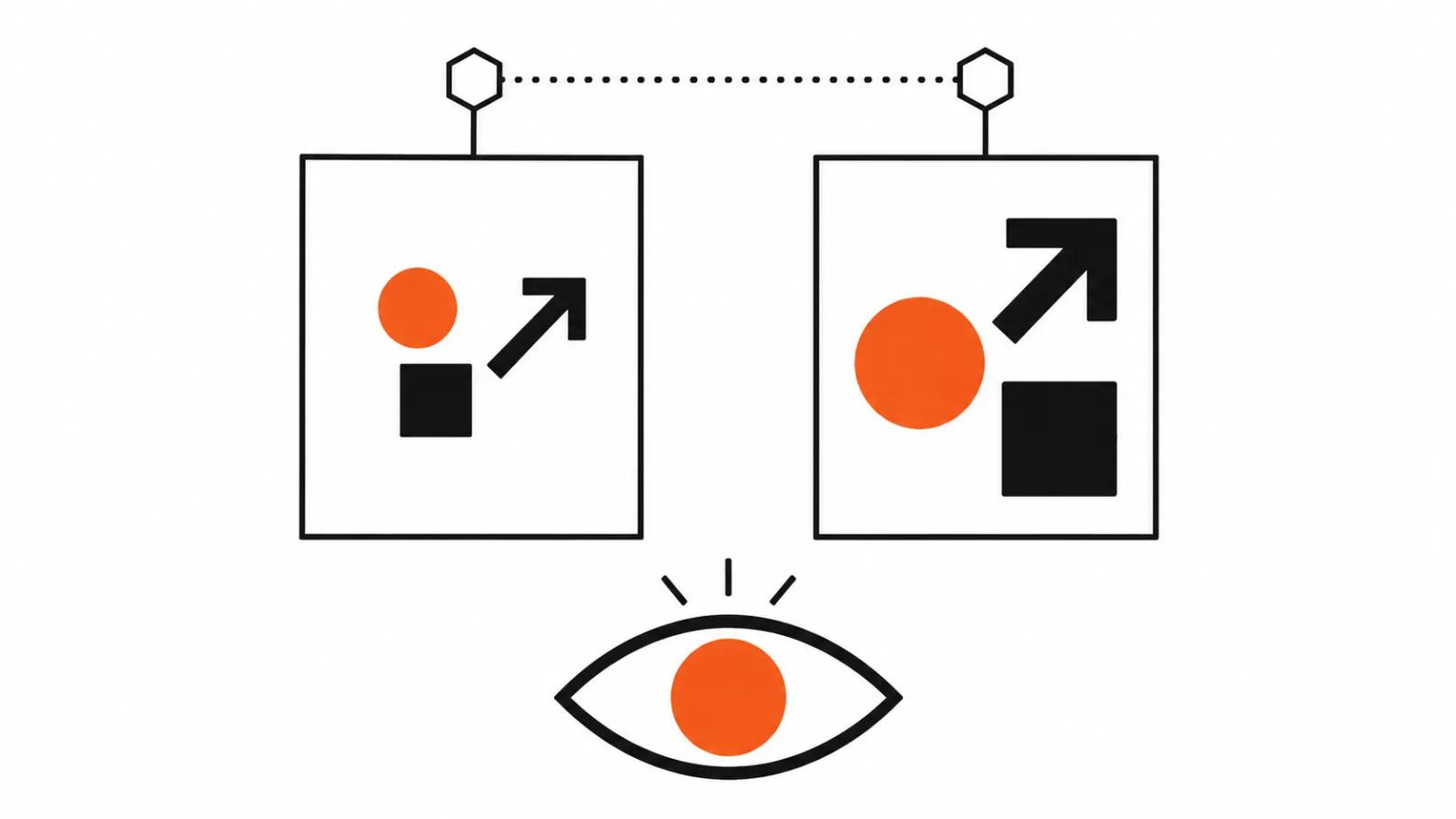
Kaggle opened an arena where models compete in code
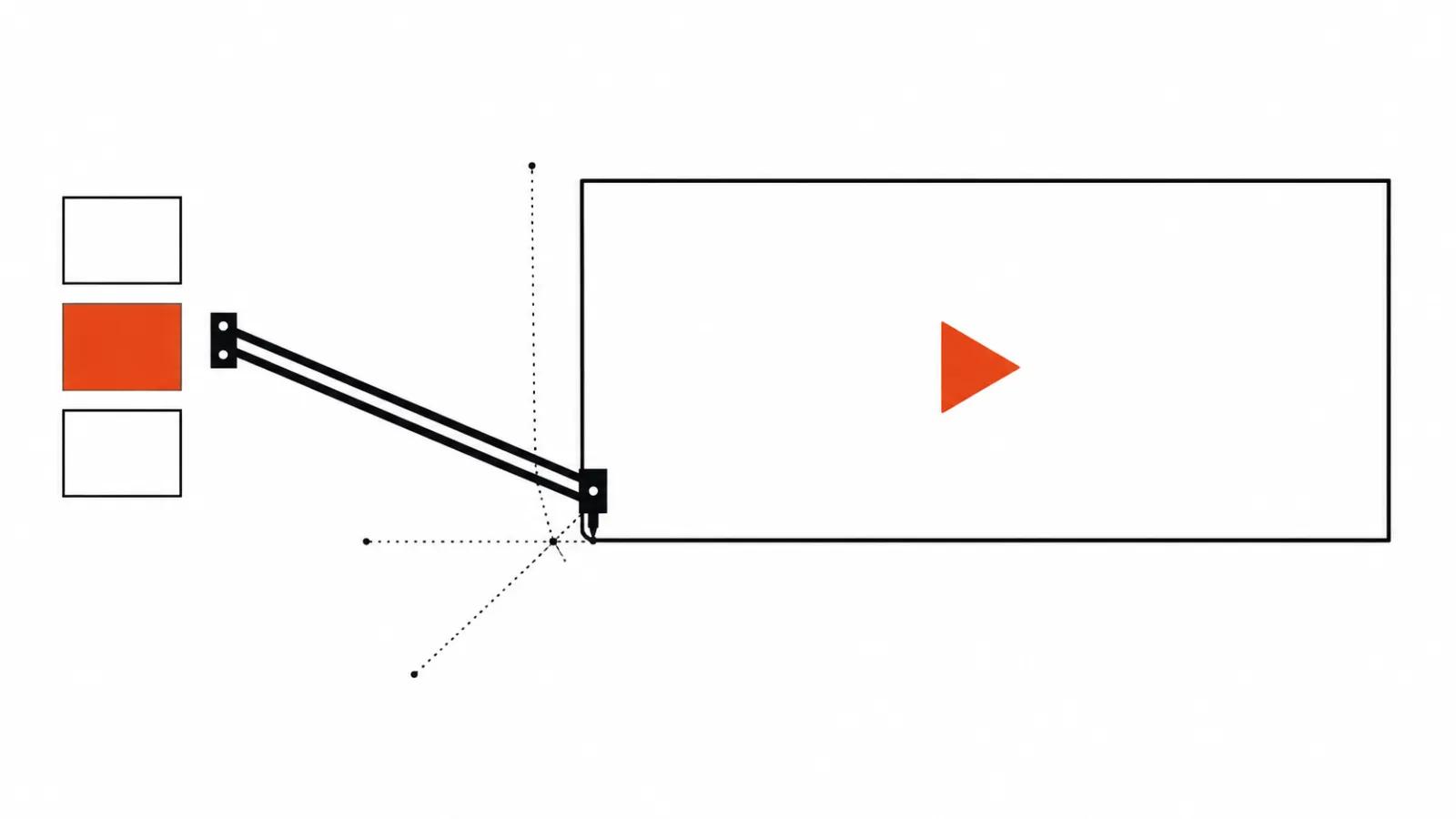
On 17 November Kaggle launched Code2Video Arena with HeyGen and HyperFrames. The mechanic is simple. Two models get the same brief and write motion graphics code, one renderer turns both into clips. A viewer then sees A and B blind and picks the better one. Model names appear after the vote. Votes update an Elo leaderboard built on preferences, so the table moves with every click.
I like the setup for a commercial reason. It measures exactly what a client already compares by hand: two clips on one brief, placed side by side on one screen. Everything else in this article follows from that mechanic.
A leaderboard for motion graphics: where Elo comes from
Elo is a score that rises with wins and falls with losses, and a win against a strong rival counts for more than a win against a weak one. Here those pairs pile into a live table, and every pair of clips sharpens the scale. One conclusion matters for a client. A position in that table means "people liked it more often on these briefs". It says nothing about range.
The second conclusion is harder. A preference ranking answers a question of taste. It does not answer whether the clip fits your product, your brand and your deadline.
What video written as code actually is
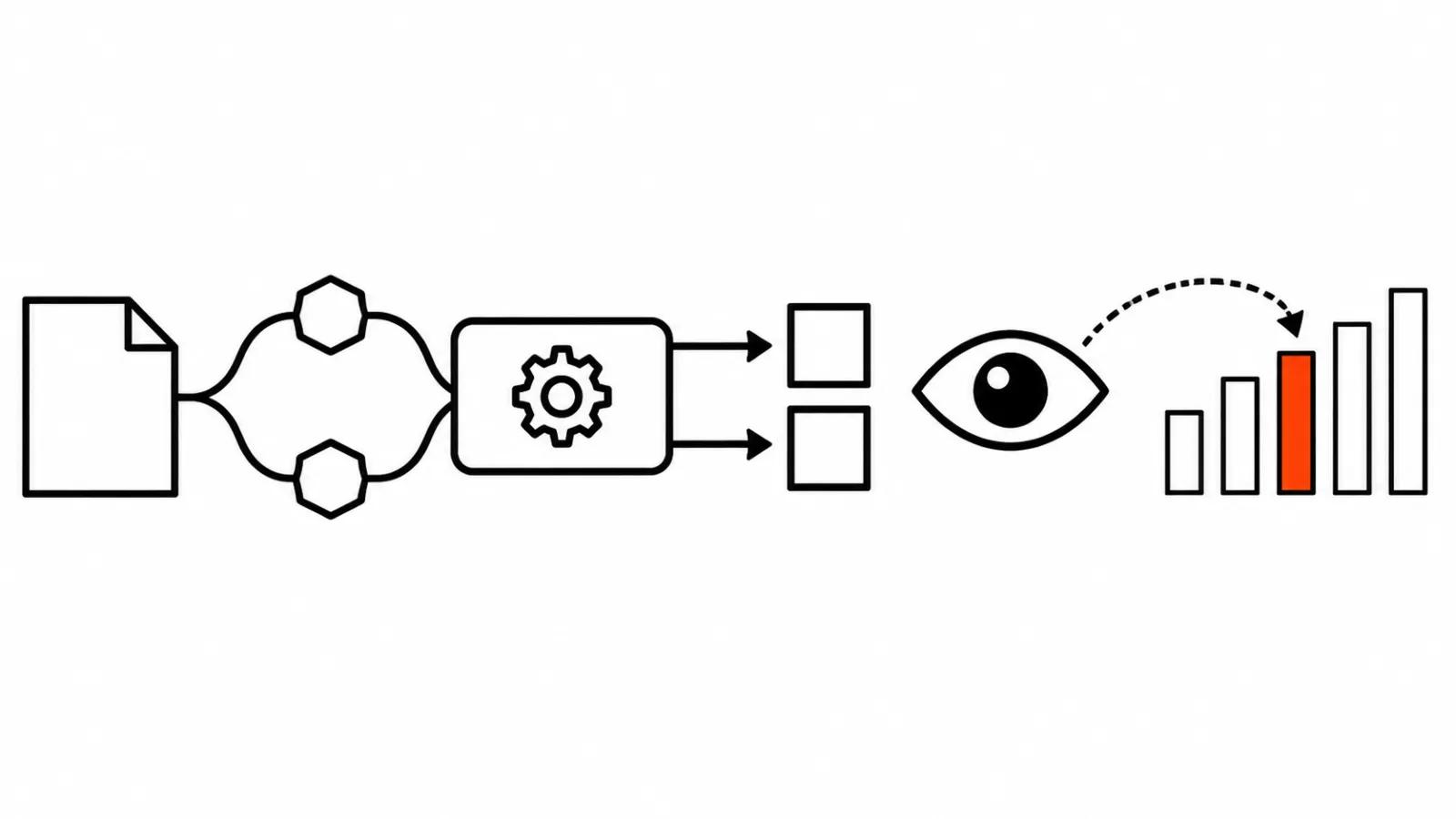
A model gets the brief and the HeyGen system prompt in one call, with no tools, and returns a single HyperFrames composition. Two parts sit inside: HTML for layout and GSAP for animation. HyperFrames, HeyGen's open framework, renders the video deterministically.
"Deterministically" is the load bearing word. Every frame is computed from formulas. No random variants drop out of noise. Text stays text, and the mangled letters of generation never appear. Colours come from the brand palette, and eyeballing is off the menu. Timing is set in milliseconds. Need one figure changed, you edit the number in the code and re-render, and every other frame stays exactly as it was.
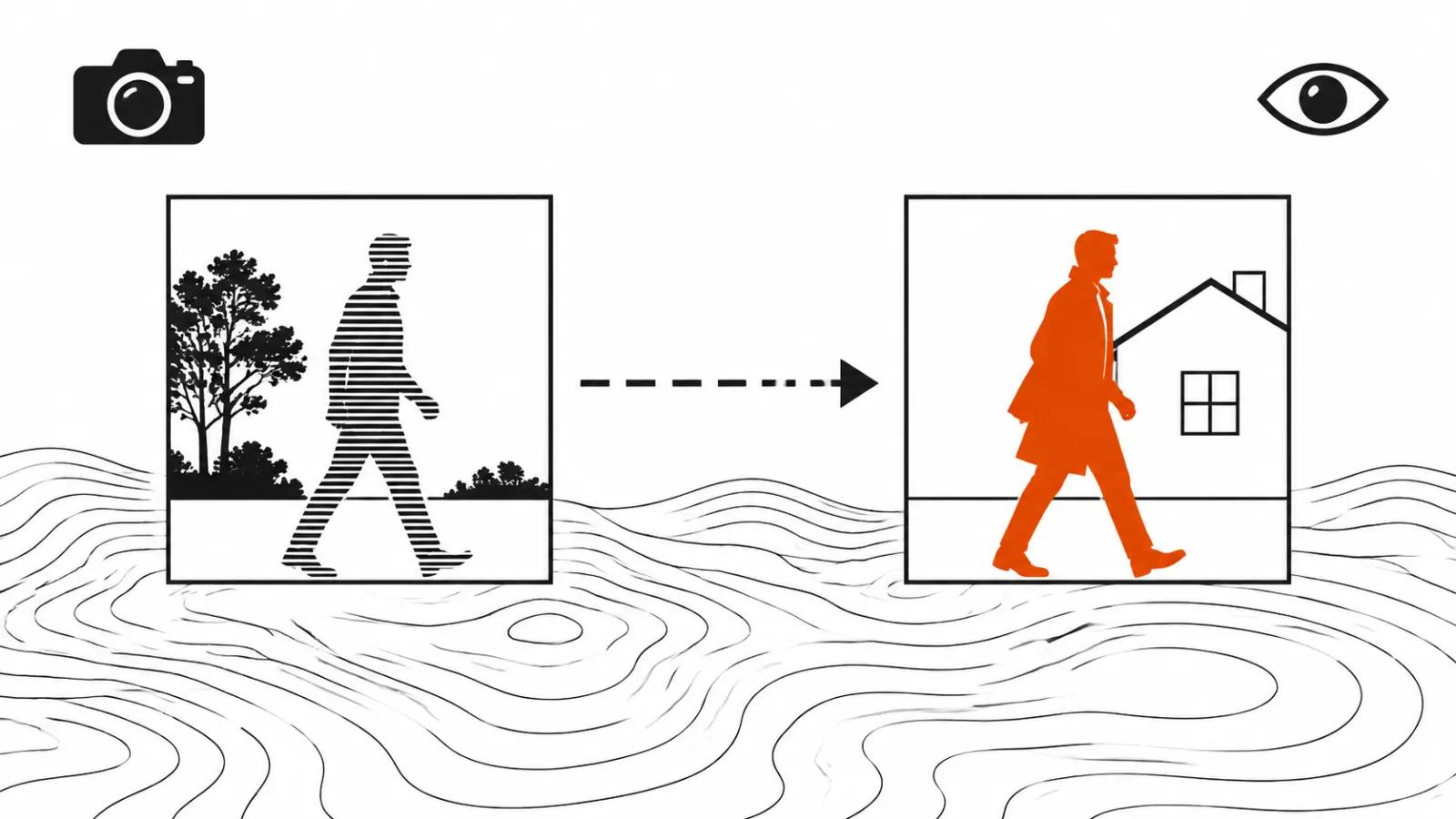
A diffusion model redraws each frame from scratch, and a second run gives you a different clip. Fixing one word of a caption there can mean regenerating the whole shot.
Comparing models for video: the table as of 18 November
The opening three:
Human votes changed the order against the earlier automatic ranking, where Claude Opus 5.5 held first place. That is the most interesting line in the release. An automatic score and a viewer's taste disagreed on the same works, and the arena made the disagreement public.
There is also an independent implementation. Artificial Analysis built Code2Video-AA, where Qwen 3.8 Max, DeepSeek V4.1 Flash, Kimi K3 and GLM 5.3 sit within 50 Elo points of the top spot. Fifty points on a scale like this means a narrow gap, and that is a separate argument for open models on routine graphics.
One caveat from AlphaSignal, and I agree with it: the test covers code motion graphics, and diffusion photoreal video sits outside it. Small Elo gaps can be noise, so look at the vote count. Twenty votes and two thousand votes carry different weight behind the same number.
- Gemini 4 Carbon (High)
- Claude Opus 5.5 (High)
- GPT-6 Astra (High)
Where the 168 briefs come from
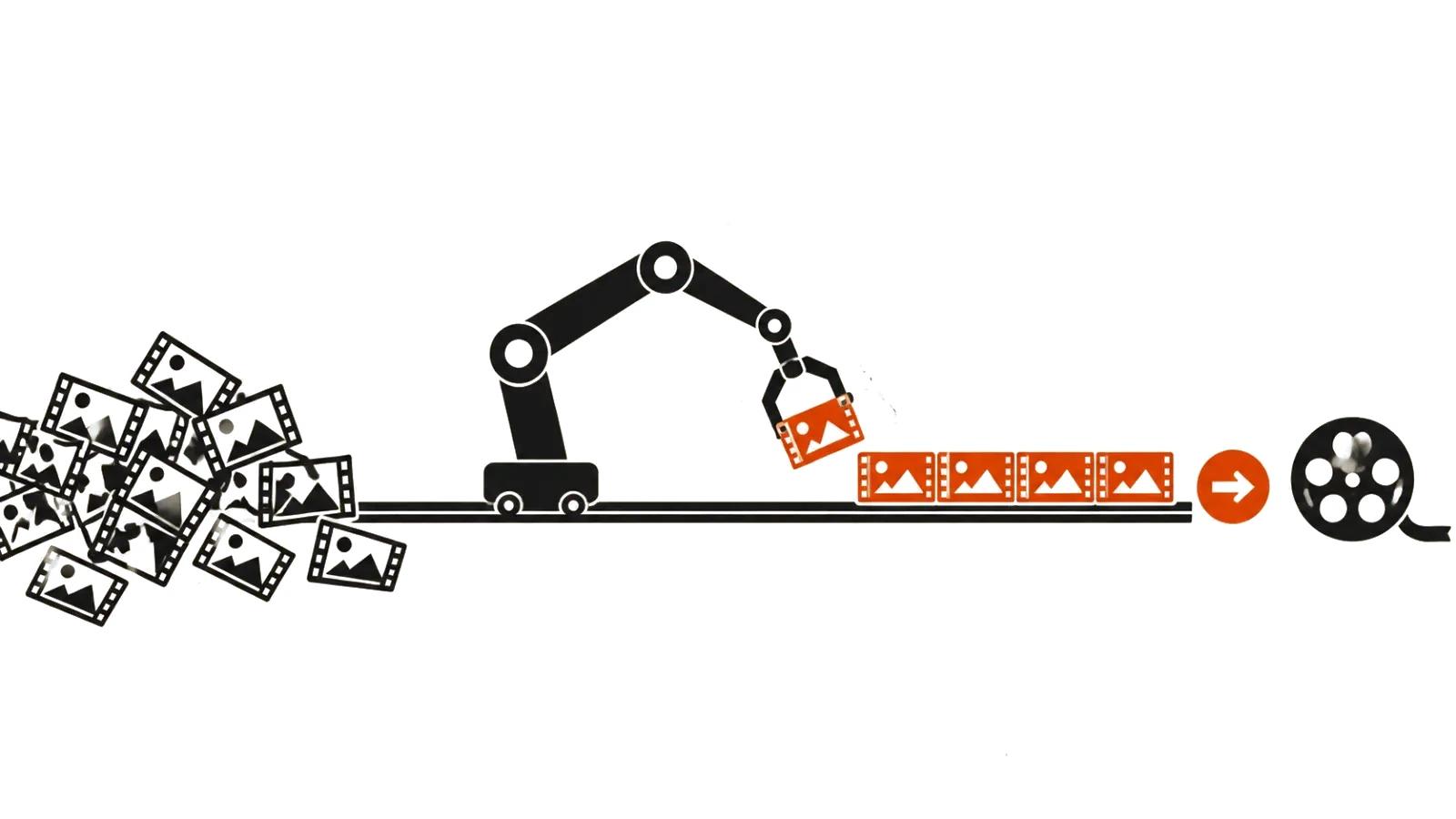
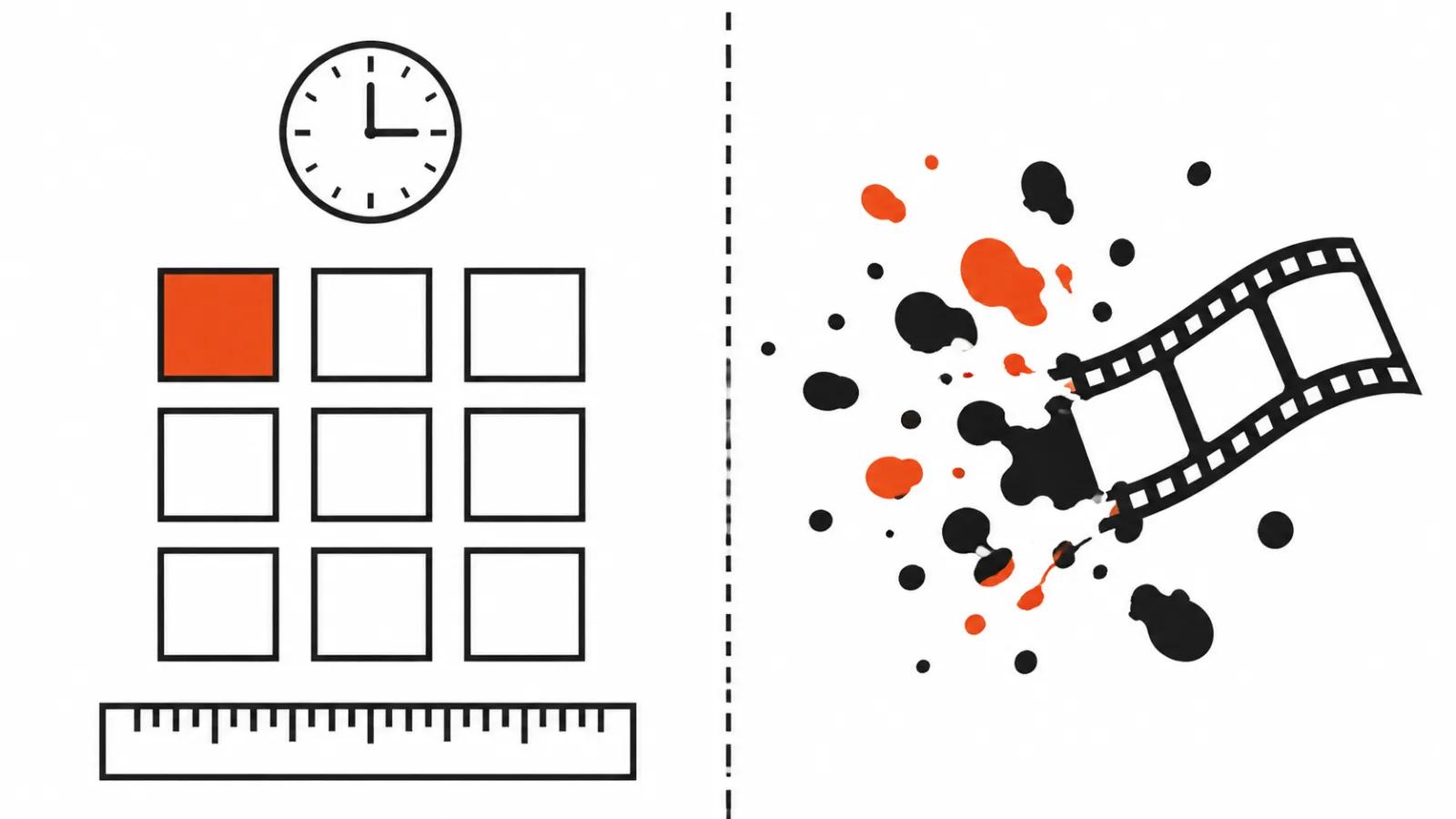
The foundation is the HeyGen Code2Video Benchmark, released by HeyGen with Kaggle and Google DeepMind. It holds 168 briefs modelled on product explainer videos. Each brief follows the familiar shape of a sales explainer: hook, problem, product, features, benefit, social proof, call to action, outro. Every brief also has a human-made clip for comparison.
Five scoring axes: engagement, adherence to intent, composition, rhythm in time, quality of execution. That split feels fairer than one overall score. A clip can look great and miss the point, or land the message and drag.
The eight blocks are worth stealing as a template. It is a ready frame for any client: pain first, then product, then proof, then the ask.
When code graphics beat generation
Cases where code wins without a fight: numbers, prices, tiers and charts. App interfaces and product screens. Logos and brand colours. Step by step explainers with arrows and labels. Series of twenty versions where only the offer or the language changes, since code makes that one edit. Twenty lottery-style generations become unnecessary.
The other side is just as clear. Real people, emotion, a product held in a hand, hard light and photoreal scenes stay with diffusion models. Code graphics lose there, and nobody should promise a client photorealism out of HTML.
In practice the choice looks like this. An ad with an offer and a price, an explainer for a website, vertical creative tests all go to code. Atmospheric scenes with a character go to generation. Our AI video production covers people and atmosphere, while AI video ads with motion graphics are built by hand from $190, and a stream of versions runs up to $2.40 per 1000 views. The rule is one: pick the tool that gives a predictable result for that shot.
How to read a model leaderboard without fooling yourself
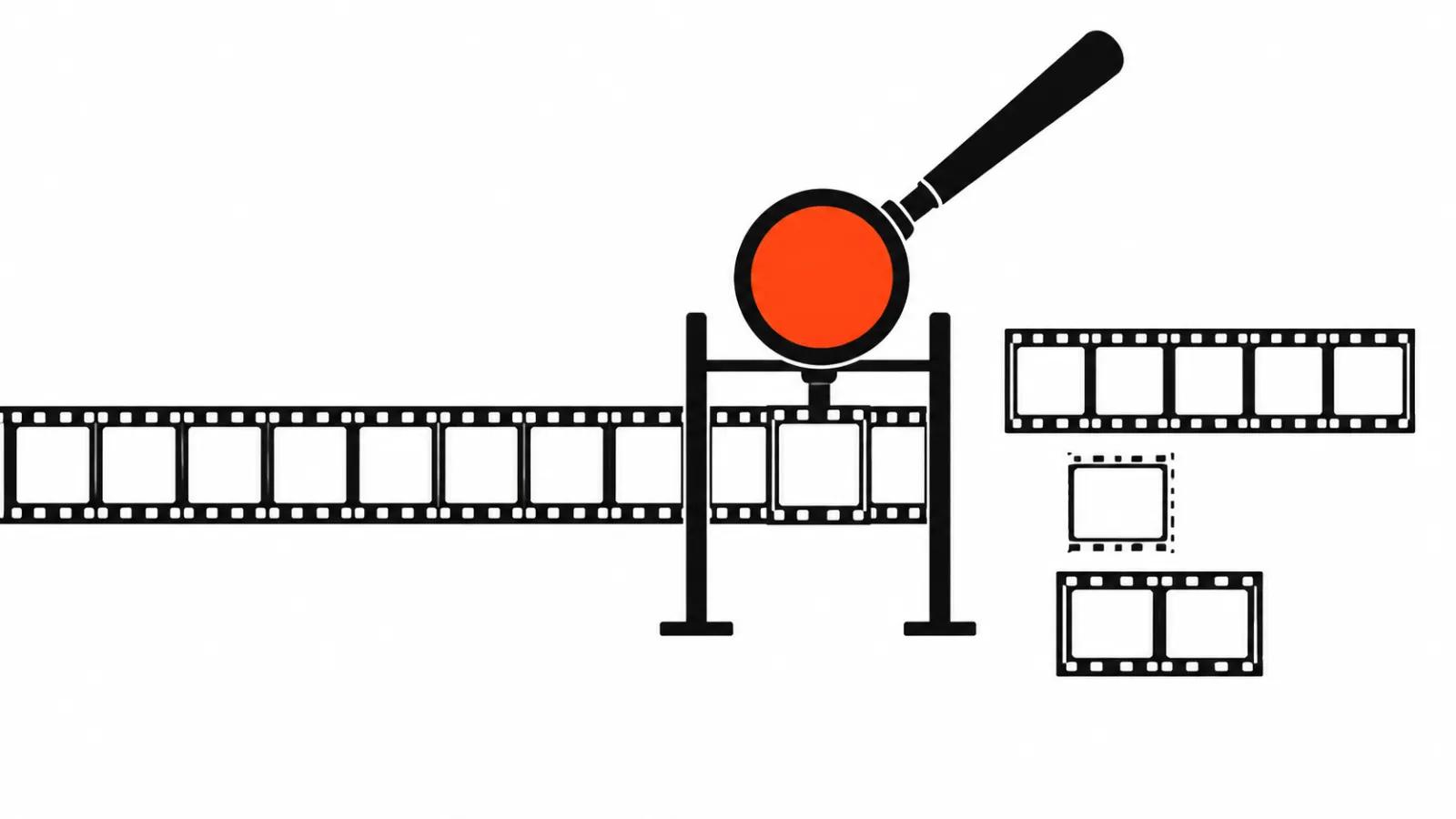
First, read the vote count next to the position. A small sample swings the scale by tens of points on a single viewer.
Second, read the axis breakdown. A model that wins on composition and loses on rhythm suits static cards and struggles with a clip that moves.
Third, test on your own brief. One brief from your niche, two models, a blind pick between two clips. That is half an hour of work and a precise answer for your case.
Fourth, check the second implementation. Agreement at the top of two independent tables says more than one first place. If one table puts a model first and another puts it fifth, the idea of a universal leader is gone.
A note for people who buy clips. Ask which briefs a model wins and how many votes back that up. The plain question about the best model means little on its own.
Bottom line
The arena is a useful first public measurement of code graphics, and I would keep it bookmarked. The reason to watch it is the format: one brief, two builds, a blind pick. You can rerun that procedure on your own product this week, with no arena involved.
The second conclusion is practical. For ads with numbers, interfaces and a pile of versions, code graphics are cheaper to revise than generation. For atmospheric scenes with people, generation stays stronger. Mixing both in one clip is normal: people from a model, captions, lower thirds and charts from code.
I read the first line for Gemini 4 Carbon as "people liked it more often on these 168 briefs" for now. A month of votes will change the numbers, and the order may move again. That is how a live leaderboard behaves. It is no reason to postpone a decision.
Related reading: AI video leaderboards; video coding.