What Lightricks claims for LTX-2.5
LTX-2.5 is an open-weights video model from Lightricks and the current release in the LTX family. The weights went up on November 10, and the model can be fine-tuned and run on your own hardware. On Hugging Face the card lists it as image-to-video and text-to-video with support for audio inputs.
The list of claimed abilities is long: native multi-shot scene generation in one pass with character and environment holding across cuts; native 4K HDR; a RAW workflow and EXR export; generative editing of real footage; automatic clip duration adjustment; better adherence to short prompts.
One item on that list gets lost in the noise. Closed services usually hand back a finished file with nothing underneath for grading, and EXR inside an open download is rare. The logic matches the earlier piece on Flux 3 open weights and what people expected from them: a vendor releasing what normally stays inside the product.
4K video from an AI model: HDR, RAW and EXR on output
Native 4K HDR is claimed as part of the model itself, with no separate upscale sitting on top of a base resolution. The second item is the RAW workflow and EXR export: a wide-range file that goes straight into a grade. An EXR frame survives colour work without rebuilding the scene, and for commercial footage that is a real difference.
There is no hands-on comparison to lean on yet, and the nearest reference point runs a different road. Kling treated its own 4K and HDR as a separate release, and that format breakdown went out on November 20. Nobody has described how the two outputs line up on file, so comparing an EXR out of an open model with what a closed service hands back is a job for your own machine.
Fine-tuning and the speed claim
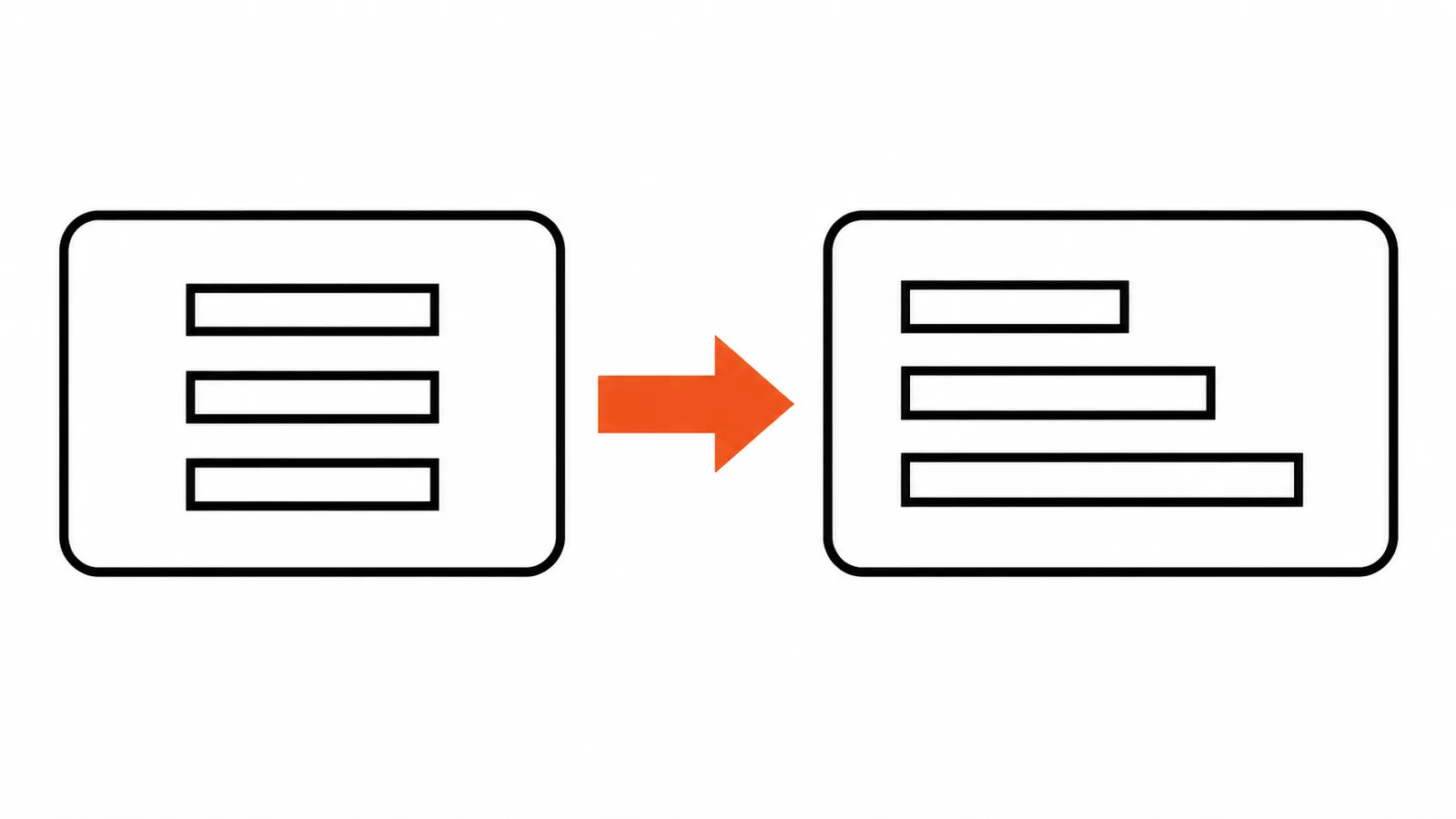
A pretrained checkpoint built specifically for fine-tuning comes as its own line in the release. The point is straightforward: the model can be adapted to a house look instead of bending every prompt around someone else's weights.
The speed figure from the vendor reads like this: self-hosted on 2× GB200 at 720p, a 10-second clip generates in 6.8 seconds, which is faster than real time. Two GB200 cards are a server node. Against that, the number says nothing about a single card under a desk, because faster than real time on datacentre silicon and faster than real time on consumer hardware are two different conversations.
Multi-shot generation in one pass overlaps with the walkthrough on shooting a scene in one pass, which covers how such a sequence gets written and how continuity gets checked at the cuts.
The $10M line inside the licence
The licence reads generously: free for commercial use under $10M annual revenue, with a commercial licence available on request for larger teams. The threshold hangs on company revenue, and it decides whether a given client falls inside the free tier.
Open weights are not the same thing as an Apache licence. Publishing weights gives you the files, while the terms for commercial use live in a separate document, and reading that document before a commercial project starts beats reading it afterwards. A plain-language explainer covers what open weights actually mean in AI video.
What this does to a budget
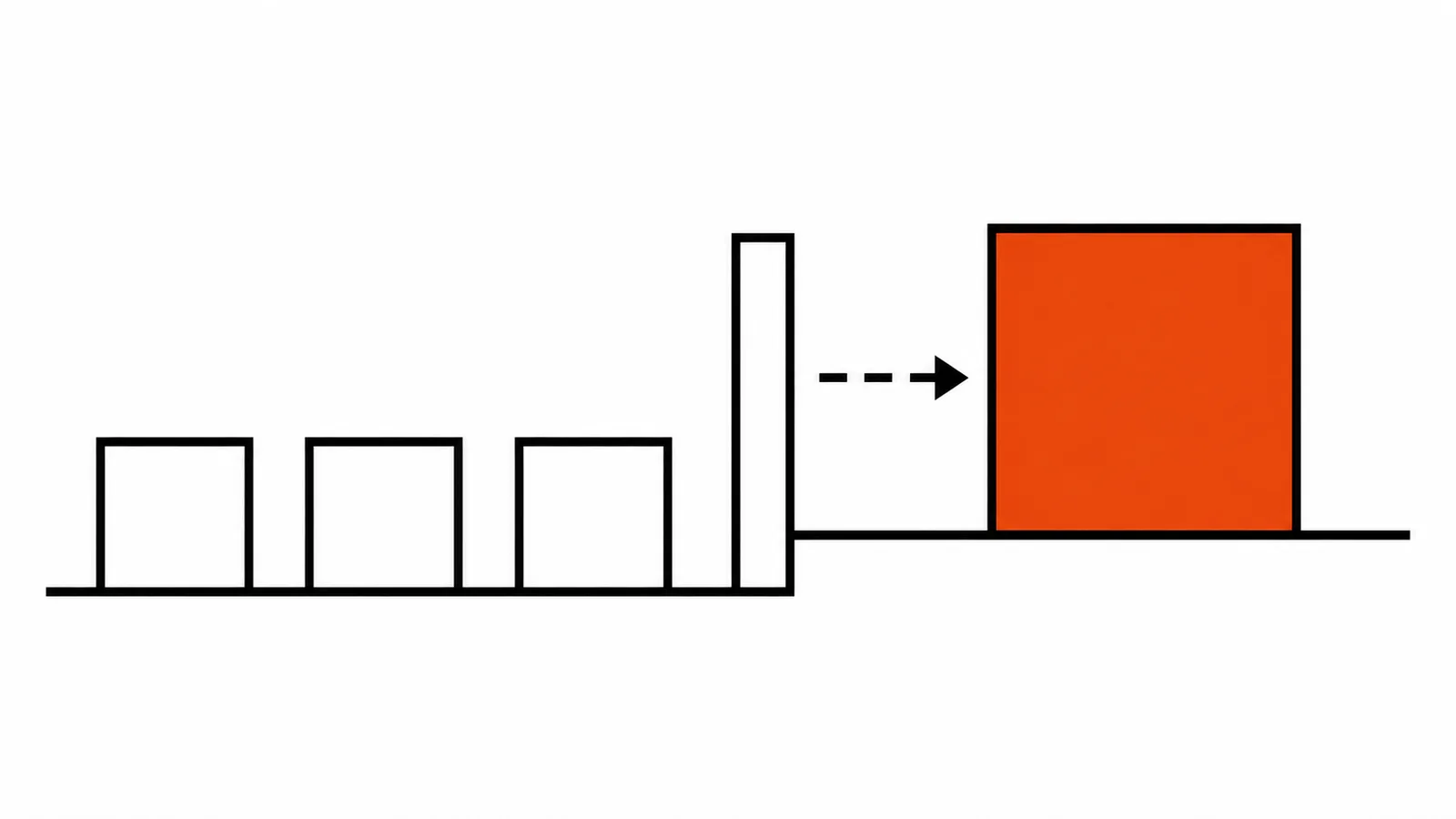
The practical side comes down to two questions: where the frame is rendered and what a second costs. A fine-tunable model that exports a grading file moves part of the work onto your own hardware, and for a team that runs many drafts and few finals, that reshapes the quote. A local render costs electricity and time. A cloud render costs money on a rate card.
The trade-off is honest. While a card is rendering, it is busy, and a queue of dozens of shots runs in single file. Where volume and a predictable schedule matter, buying the render as a service is simpler, with hardware and queue handled elsewhere: high-volume vertical output runs up to $2.40 per 1000 views.
Work that needs a precise frame and expression sits in a different bracket. Multi-shot generation saves drafts, and the final grade and packaging still land with a person, which is why handcrafted videos start from $190 for a finished piece. A scene with a camera travelling inside geometry gets priced closer to 3D animation, because the scene itself is part of the deliverable.