Where the $60 to $100 minute comes from
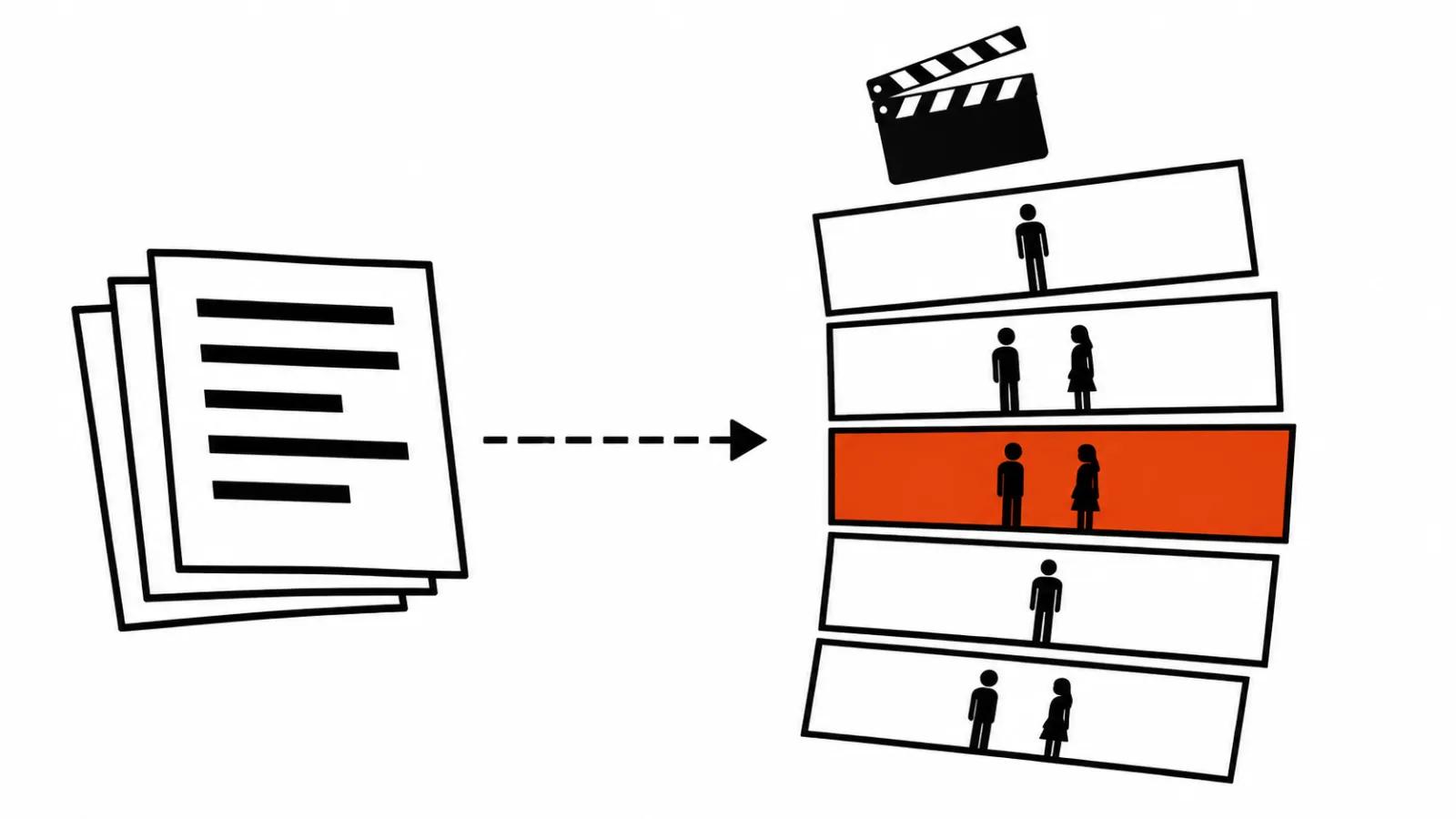
The Higgsfield post from 23 November 2026 announces Short Drama in beta. A formatted script goes in and a vertical microdrama series comes out. Every figure below belongs to Higgsfield, which is the first thing to keep in mind while reading them.
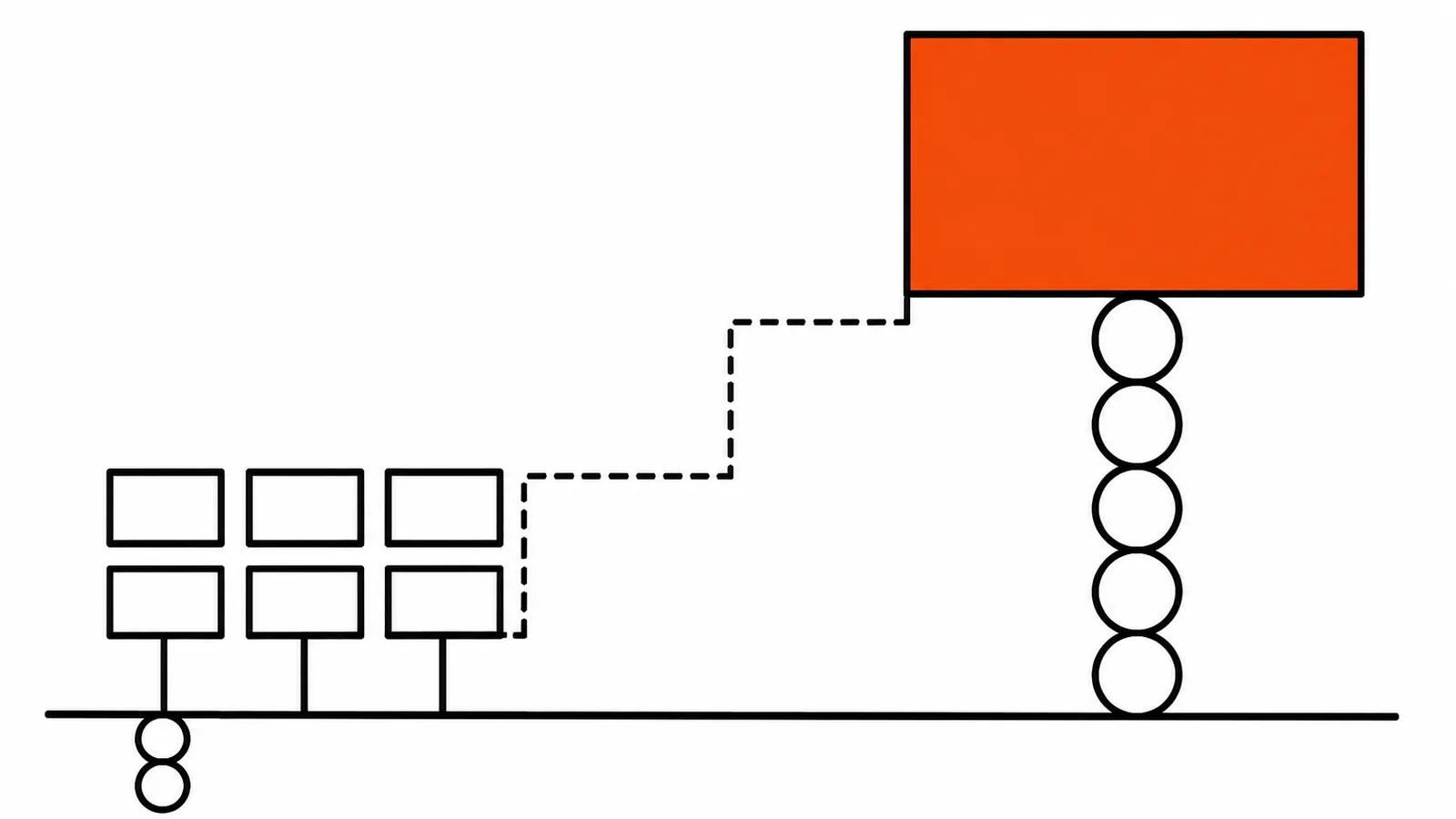
The post puts two numbers side by side. A premium live-action microdrama series for the US market costs up to $400,000. A 90-minute series built in Short Drama lands under $10,000 and generates in hours.
The third figure explains the economics better than either headline. Higgsfield quotes $60 to $100 per finished minute. A quick check holds up: ninety minutes at the low end lands well under ten thousand, so both figures fit inside the same promise. The unit being sold is a minute of finished cut, and the price follows the length of the final series.
What that minute actually contains is not visible in the post. There is no breakdown by stage, and no separate price for voice, edit or sound. That is the first gap for anyone budgeting a season: a per-minute rate without a list of included work does not answer who covers the remaining stages or what they cost.
The character bible and why a season falls apart without one
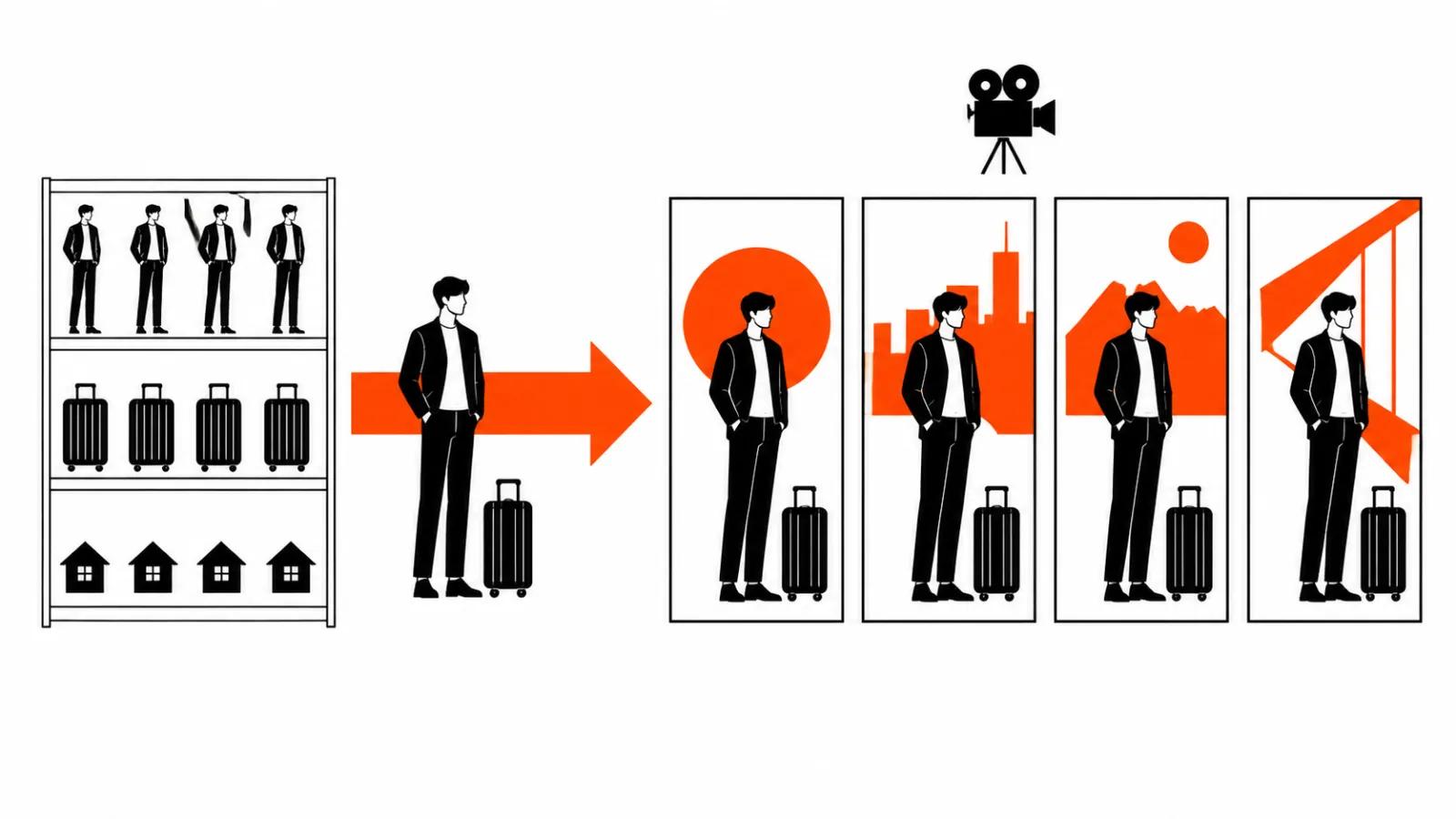
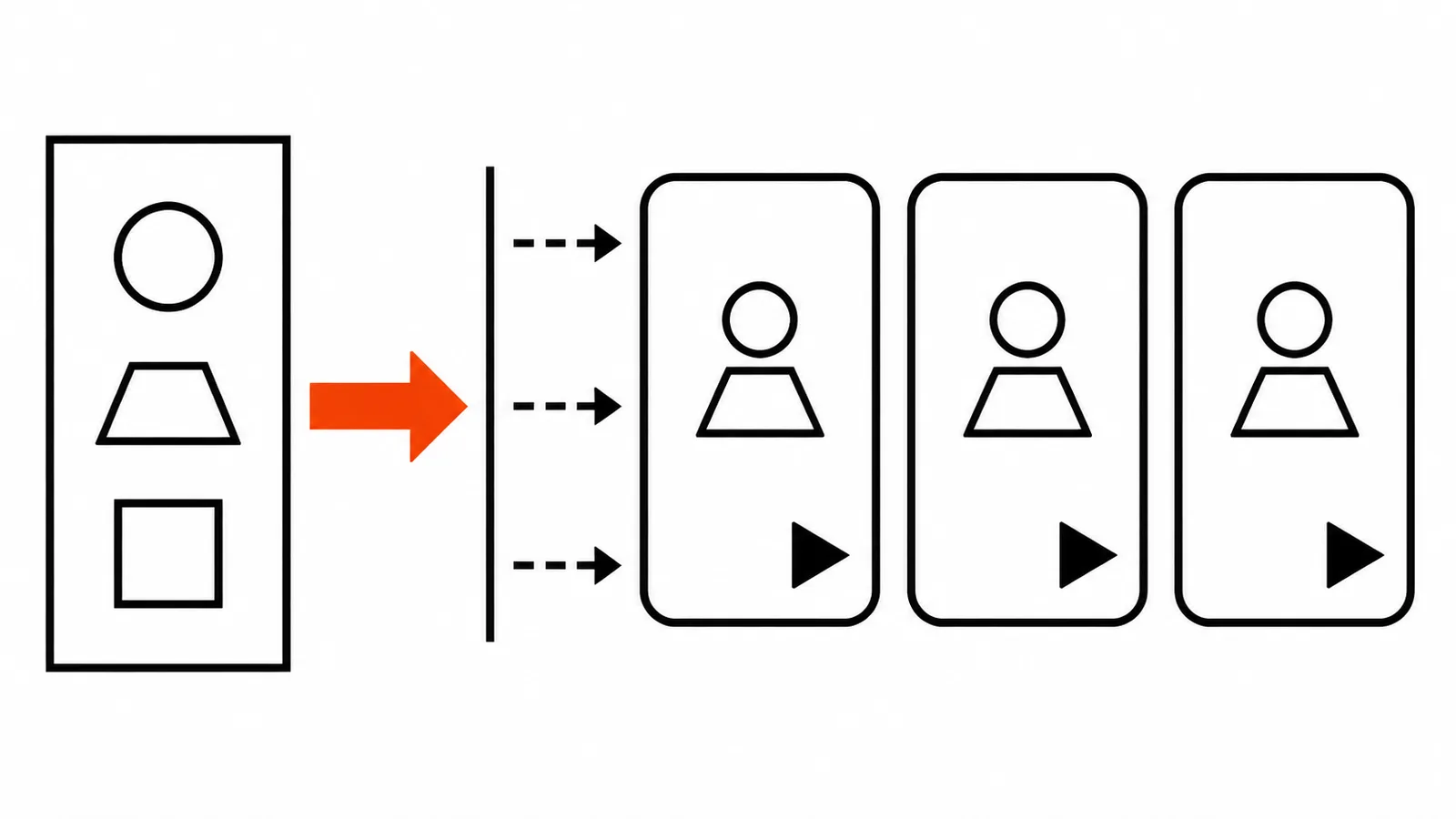
Once the script is in, the system builds a character bible, a document that fixes each character's appearance, wardrobe and locations. No prompting is needed, since that part is handled by the proprietary agentic system Higgsfield calls an automated showrunner.
The point of the bible is continuity. A 90-minute series holds a large number of scenes, and any drift in a face or a jacket reads on screen. The bible turns appearance into a fixed reference, and the model's job on any single scene narrows to camera, action and light. Without such a reference, appearance would be described again in every scene, and drift would accumulate from episode to episode.
The second effect matters just as much to a buyer. A script on the input side means the drama stays with the writer. The tool handles staging and shooting, while story, dialogue and episode structure arrive finished. A per-minute rate therefore does not replace a screenwriter, which the announcement never says out loud.
Overnight generation versus directing scene by scene
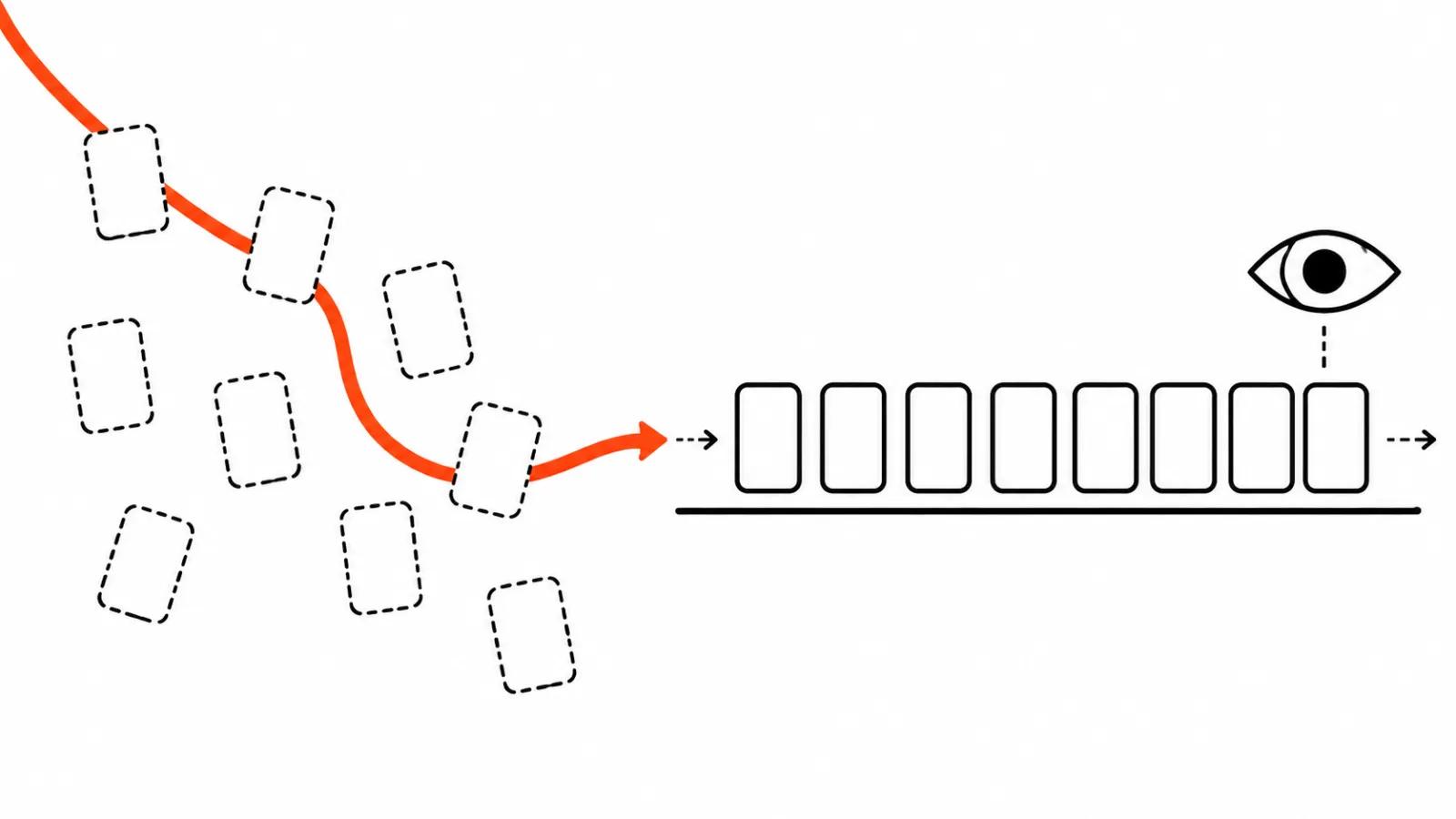
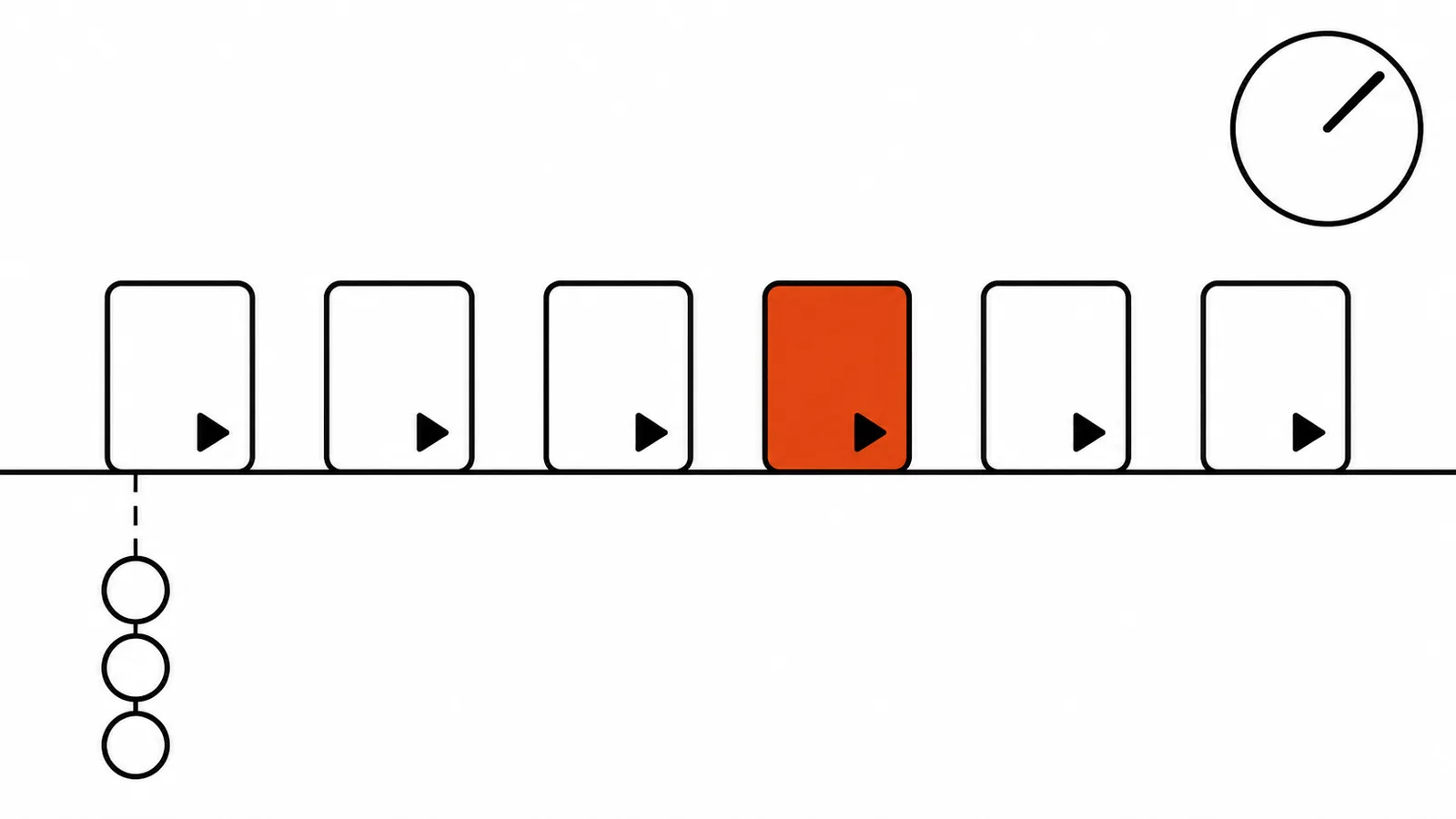
There are two modes. In the first, an episode builds automatically overnight and gets reviewed in the morning. In the second, scenes are directed manually, one at a time. The real difference is when the money for a mistake gets spent.
In the automatic mode a bad shot surfaces at review, and each correction means another pass. In manual mode scenes get approved individually, at the cost of watching and signing off on every one, and the hours grow with the episode count. A sensible order for a first season: build the pilot by hand to see where the system breaks, then run overnight generation against a character bible that has already settled.
That leads to the first budgeting conclusion. Two quotes for the same tool can differ by a wide margin, because the same headline rate can hide very different amounts of hand work. So the useful question for a vendor is how many scenes will go through manual direction, and how many passes those scenes will take.
Where vertical microdramas hit a ceiling
The first limit sits in the scenes with busy locations, crowds and stunts. That is where a per-minute rate stops being a forecast, and the post walks through none of those cases.
The second limit is financial. The post carries no credit price and no credit count per minute, so $60 to $100 stays a vendor estimate without a public price list. Rights are described only for enterprise clients: per the post they keep full IP ownership of their content, and Higgsfield does not train its models or systems on customer data. Terms for anyone else are absent.
The third limit is timing. Horizontal long-form exists only as a promise: the next iteration is meant to bring a 45-to-60-minute feature down to a starting price of $50,000. That is a plan, not a shipped feature, and it has no place in a budget for the season in front of you.
The fourth limit is market context. Higgsfield puts the microdrama market at $14 billion and names brands already experimenting with the format, among them L'Oréal on Taobao and a 50-episode series from P&G's Native. These are mentions inside a vendor post with no independent confirmation behind them. For a budget that means one thing: a buyer ends up comparing a cost per minute against the cost of a live-action series, since the post carries no public market statistics on price per minute.
Five questions before commissioning a season
A per-minute rate works as a benchmark, though nobody signs a contract on one. Here is what to settle before the first payment.
A series works as an ad format or as the backbone of a subscription season, and the logic stays the same either way: one episode first, budget for the rest after. Where the drama sells a product, treat it like any vertical ad run: one spot, one budget, one response reading. For work that has to be built without a camera and a set, custom AI video production covers it, with handcrafted videos from $190, short-form volume runs up to $2.40 per 1000 views, and a managed channel from $200 per month.
The tool itself, from script to finished season, is walked through in the piece on Higgsfield's Short Drama studio, and the wider vertical microdrama market has its own breakdown. How the format itself works and why it holds a viewer is covered in the microdrama format breakdown. Higgsfield's figures fit into that picture as a public vendor quote: $60 to $100 per minute against $400,000 for a live-action series.
- Who owns the output. The announcement covers enterprise clients. A smaller studio or a brand should get the terms in writing, including the sentence about training on customer data.
- What the minute includes. Script, voice, music, edit, subtitles and grade are separate jobs, and the post does not price them apart.
- How many scenes go manual. This line breaks budgets most often, since a hand-directed scene costs passes and hours.
- What sits outside generation. Busy locations and crowd scenes are cheaper to shoot with a camera or to build separately, and that call belongs in the brief.
- What a pilot looks like. One episode at a fixed price and a fixed deadline shows the real cost per minute on your script, and a demo does not.