Three products behind one word
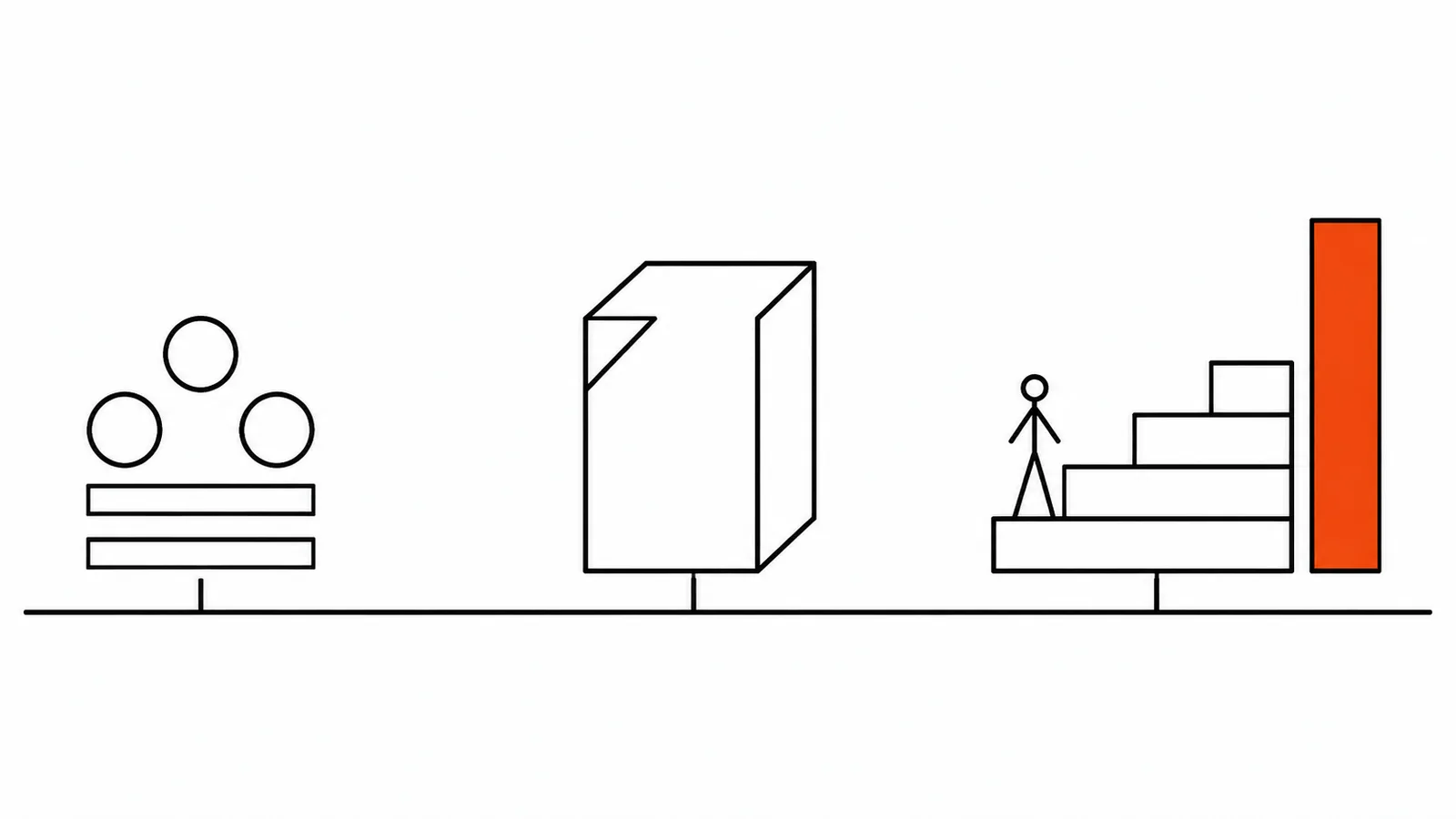
A search for video infographics lands in studios that use the term for different kinds of production. The first product is an animated explainer: a voice, icons, numbers, simple transitions. The second is technical 3D infographics, where the inside of a device or a cutaway of a mechanism gets shown. The third is a training video for staff: learning a software tool, safety rules, assembling equipment.
The price gap shows up on the studios' own pages. Infomult, on its Video Instruction service page (no publication date given, checked 29 November 2026), lists a video instruction from 80,000 roubles and technical 3D infographics from 180,000 roubles. Makarovfilms, in a 2026 price list (checked 29 November 2026), lists editing from 17,600 roubles, a training video from 63,360 roubles and an advertising film from 140,800 roubles. A buyer calls this whole range infographics while ordering three different productions.
It helps to separate the purpose. Infomult lists what a video instruction covers: safety and labour protection briefings, onboarding for IT products, instructions for assembling equipment. Part of that list serves an internal audience with no advertising role at all, and the requirements differ: an accurate step matters more than a spectacular frame.
How the job is built
The work follows one chain. Facts and numbers become a script written to a fixed runtime. The script is broken into scenes and laid out as a storyboard. Graphics get drawn from that storyboard, the voice is recorded separately, music is chosen separately, then everything is assembled and mixed.
A mistake in the first step multiplies across the whole quote. A number that entered the script without a source either gets cut in the edit or survives into a film carrying a wrong figure. A runtime that grows by ten seconds adds a scene, graphics for it, a slice of voiceover and a place in the storyboard.
The market counts those lines in different ways. Zvukograd, in its price list (checked 29 November 2026), separates sound design and voiceover for a video up to three minutes with a narrator, music and mixing (from 9,000 roubles per video), voice recording alone without editing (from 2,500 roubles per minute), script writing for a video (from 5,000 roubles) and licensed music for publishing on YouTube (3,000 roubles per track). The studio quotes timelines from two hours to one day. In a price list without that breakdown a buyer cannot tell whether the text and editing are included.
What a quote is built from
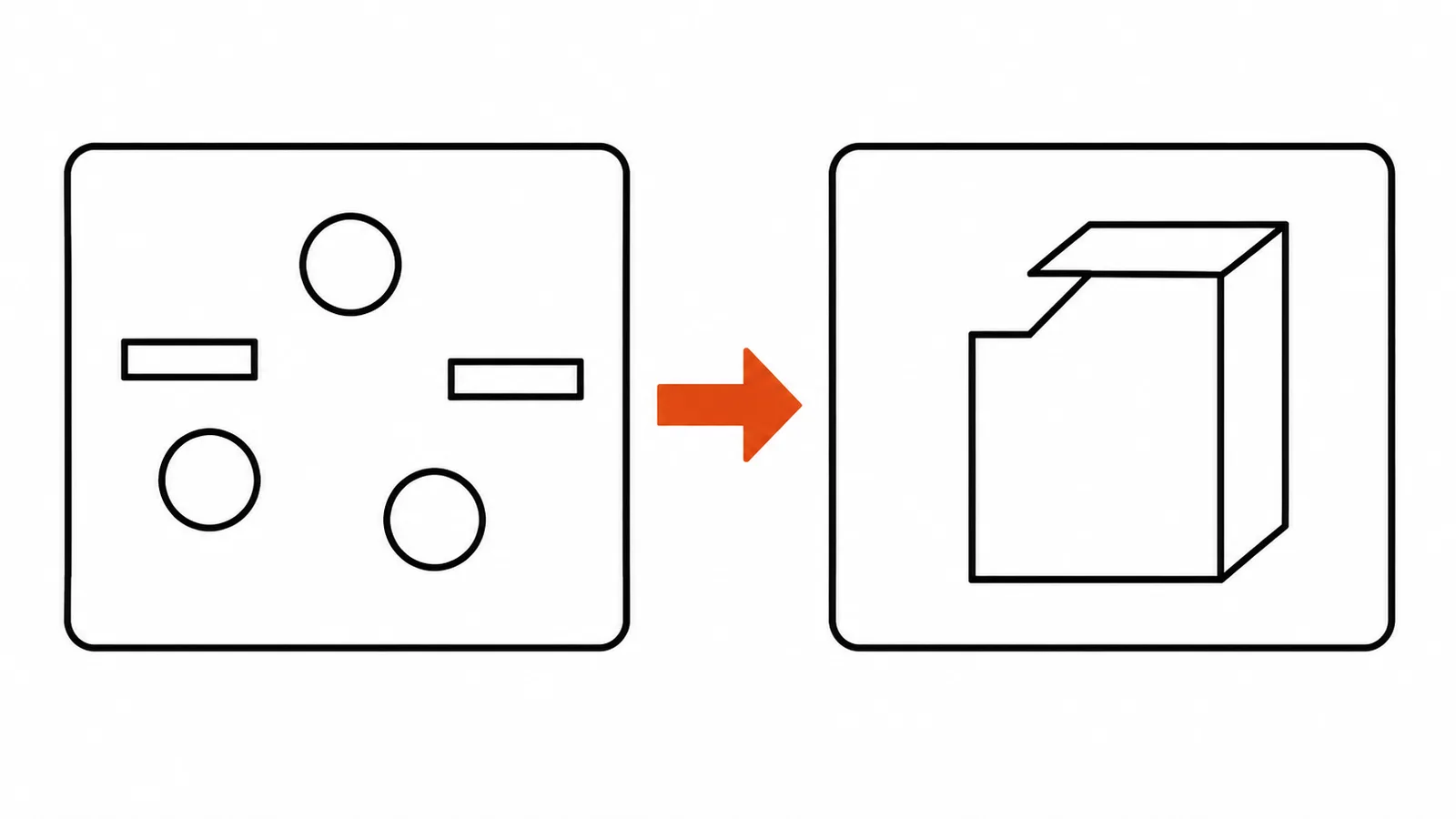
A quote assembles from several variables: runtime, scene count, complexity of the graphics, presence of 3D and character animation, script, voice, music, revisions. Each variable multiplies with the others, which is why films of the same runtime can land far apart in price and both be quoted honestly.
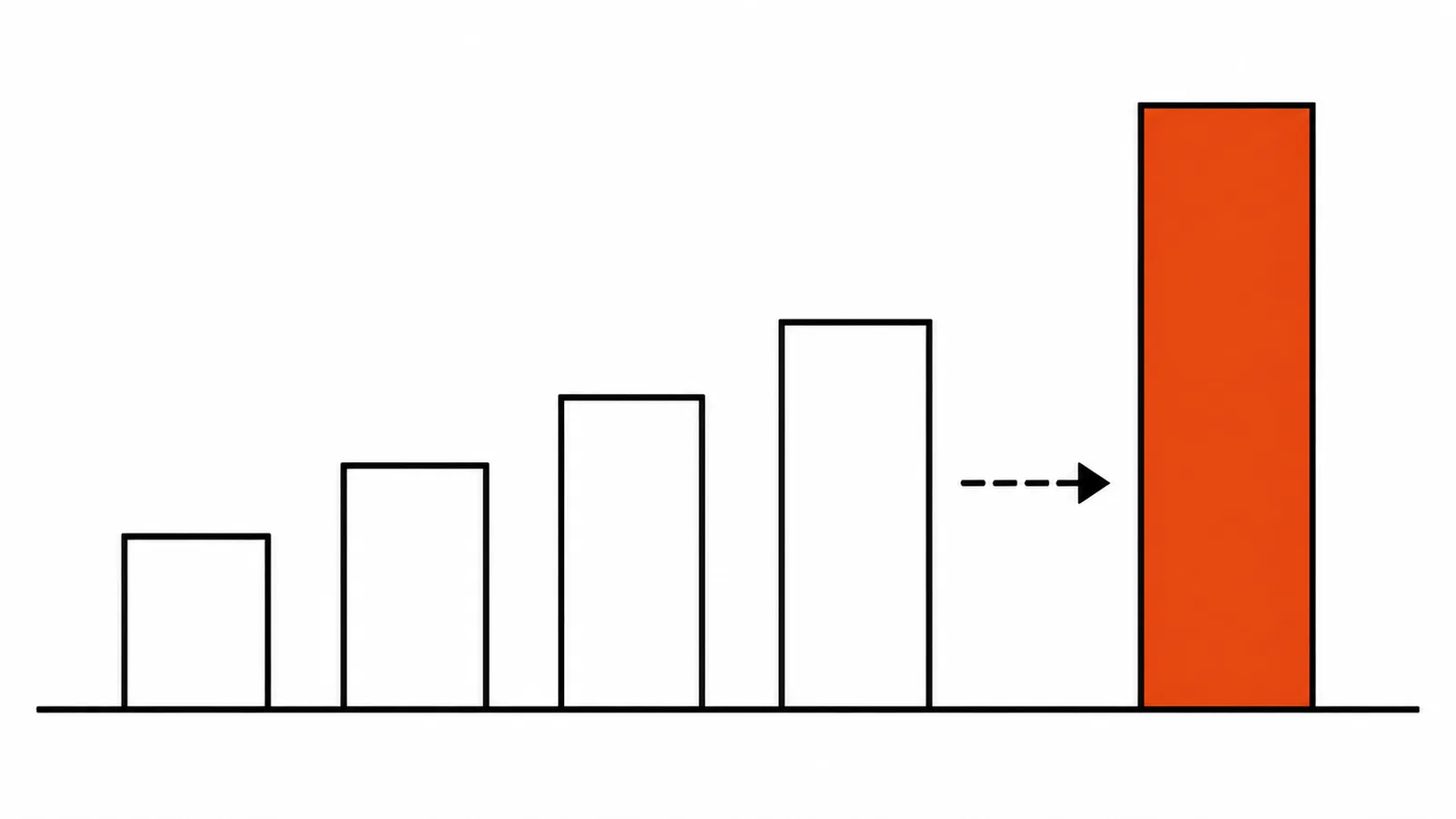
Runtime does not scale linearly. A minute of simple flat graphics and a minute of 3D visualisation of a mechanism are different productions: the second one needs a model, its materials, lighting and a camera plan.
Makarovfilms states directly that its list holds starting prices for a basic scope of work and that the estimate is fixed in the contract before work begins. The wording matters: the figure on the page shows the order of the budget, while the exact number appears after a technical brief.
The third line a buyer often misses is revisions. A round of changes after the storyboard costs less than a round after finished animation, and in a quote these are separate lines.
Why a per minute price and a project quote diverge
Champvideo, in an overview called How Much an Advertising Film Costs for a Business (2026), writes that the price of a film is a project estimate. The spread named there is wide: from 300,000 roubles for an animated explainer up to 30,000,000 roubles and above for a national television campaign with a celebrity. The upper end belongs to a separate market segment and cannot stand as an average price for infographics.
MustFilm, in an article dated 27 July 2026, explains the divergence through the scope of work. Films with a similar final frame differ in crew: the cheap option is one camera operator for half a day plus two evenings of editing, while the expensive one is a producer, a director, a camera operator with lighting, a sound engineer, an editor and a motion designer, plus approvals and several rounds of revisions. The studio quotes timelines of two to four weeks.
The practical conclusion follows. Comparing quotes per minute is meaningless until the scope matches. It pays to ask for a quote in three lines: graphics production, batch size and the date of first delivery. When a supplier names only the total, the breakdown arrives after the brief, and until then there is nothing to compare.
Where animation ends and generation starts
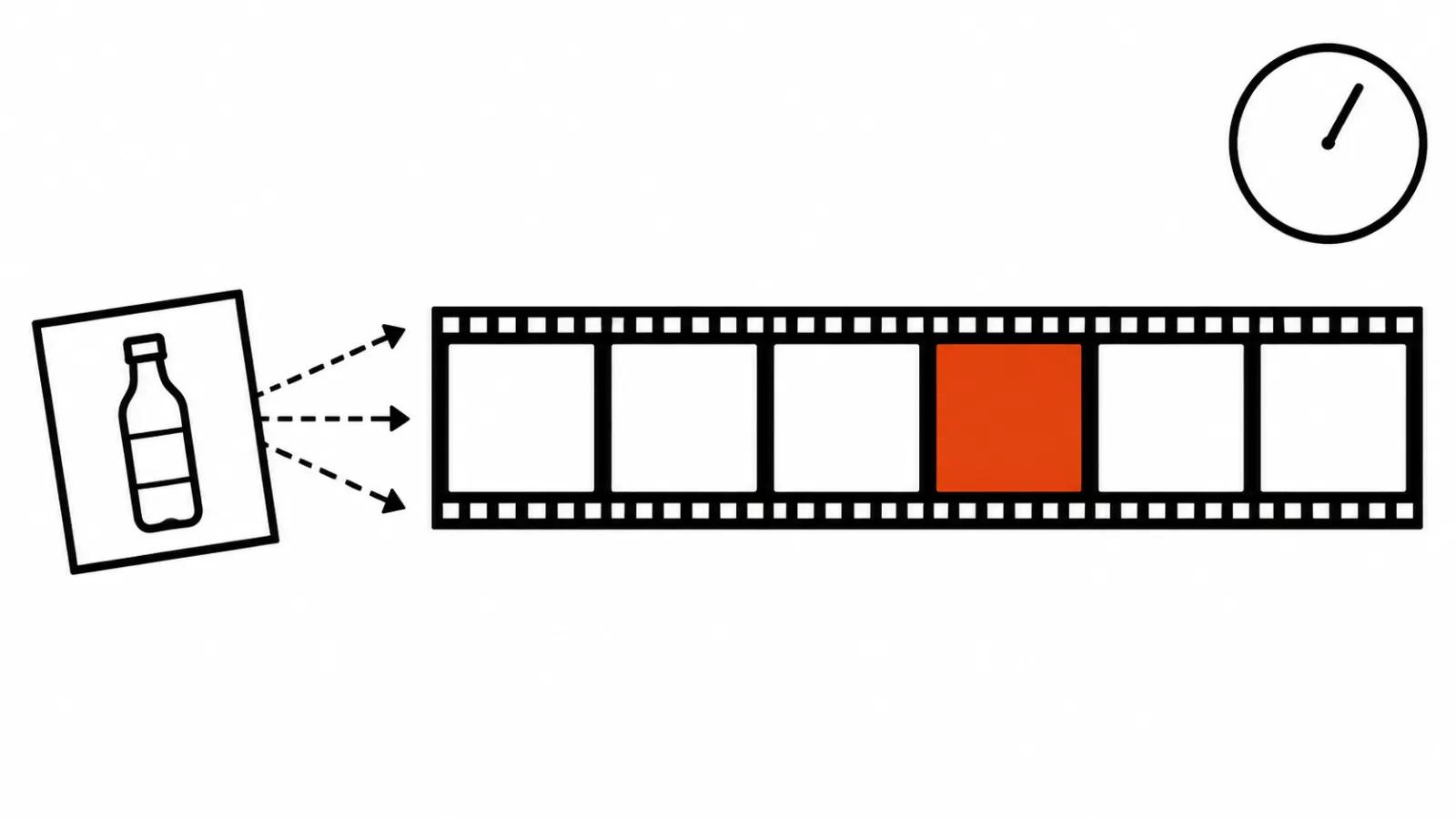
Part of an infographic is never shot at all: a diagram, a table, a cutaway gets drawn. Another part cannot be templated, because a specific product has to appear on screen. That is where generation from a photo or from a presentation slide enters, and it changes the shape of the quote: hours of a designer's work are replaced by the cost of generations and the time spent picking usable takes.
Speed rose everywhere. Wyzowl reports in its State of Video Marketing 2026 that 63 percent of marketers use AI tools to create or edit video, up from 51 percent a year earlier, while the share reporting good return on video fell from 93 to 82 percent. Drawing got faster, and persuasion did not follow: script and data still carry the result.
The workflow built on spreadsheets and slide decks is covered separately in a piece on making video infographics with AI. A related branch of the market builds those scenes without a shoot at all: AI video production from a product photo or a diagram in the brief. A regular animated commercial stays hand-drawn work by a designer, and the quote shows that in the scene count.
What the buyer should prepare
Five items shrink a quote before the first call:
The sixth item is a runtime accurate to the second and a clear idea of where the film will live: a product page, a trade show, an email. Aspect ratio and length follow from the placement, and length drives the scene count. When the facts already sit in a deck, the slides become a rough storyboard and save a round of approvals; the mechanics are covered in a piece on AI video from a presentation.
- exact figures with a source, the ones that will appear on screen;
- a finished script or a summary someone can build one from;
- three or four reference pieces the buyer likes, with links;
- a decision on voice: narrator, synthesis or no voice at all;
- a list of approvers and the order of approval.
Common buyer mistakes
The first mistake is ten numbers with no source. A designer puts them on screen, a lawyer asks for proof at sign-off, and the work returns to the script.
The second is ordering 3D where a diagram would do. A cutaway is needed when the working principle cannot be understood without it. To explain a benefit, flat graphics are enough, and they cost noticeably less.
The third is changing the script after the storyboard. Graphics get redrawn and voiceover rewritten at that point, and the timeline slips.
The fourth is leaving revisions out of the budget. A contract names a number of rounds, and each further one is billed separately.
The fifth is treating voiceover as a free part of editing. In the Zvukograd price list it is a separate line from 9,000 roubles per video with a narrator, music and mixing.
It helps to look at how a neighbouring task is budgeted: what an advertising video costs is broken down by line item.
Our offer
We produce video infographics and explainer films to the brief. Handcrafted videos run from $394 per video, up to 90 seconds, with editing and music included and the first batch in about a week. Vertical videos at scale and 9:16 vertical video ads are billed from $2.47 CPM, with orders from 100 clips per month and a first batch in 5-7 days. An exact infographics quote follows the brief: formats and timelines sit on our pricing page, and explainer work is described on our animated video service page.
Reach us on Telegram @neurocartel_sup, WhatsApp +7 993 909-98-29, or email info@neurocartel.com.