What came out on 18 November
VideoTech Wire covered a paper called Can a World Model Predict a Deepfake Video? A Consistency-Margin Prior for Deepfake Detection. The idea sits in the title. If a model can predict the next chunk of footage, a fake gives itself away where the prediction misses. There is nothing to spot inside the frame: the detector watches how the video behaves over time.
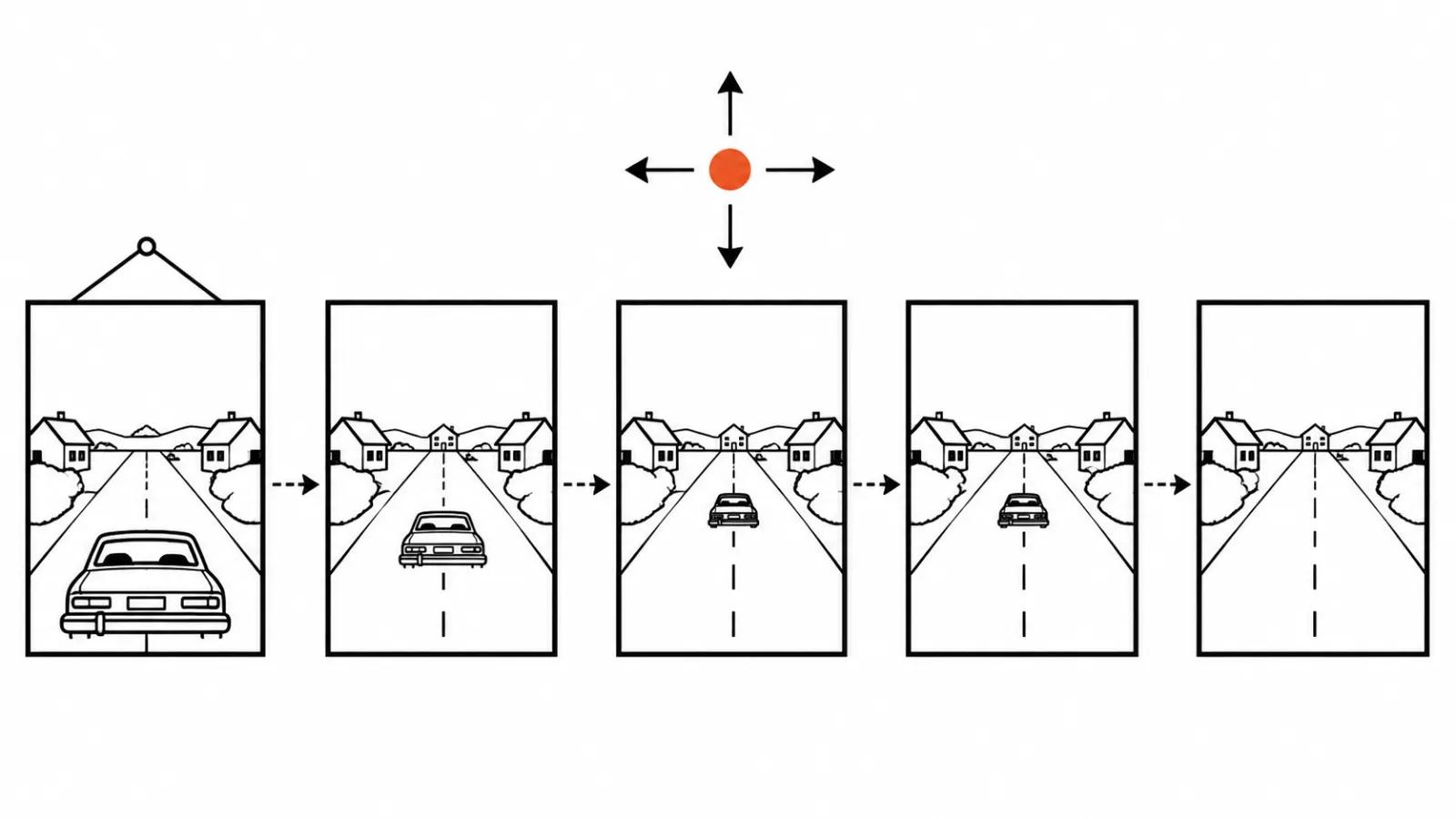
The machinery runs on comparison. A frozen V-JEPA 2.1 encoder turns frames into a hidden representation, a set of numbers that describes what is happening in the scene. A predictor fine tuned through LoRA with rank 16 takes the opening of the clip and proposes what the continuation should look like in that same hidden form. The two descriptions are then compared, and the gap is what the authors call the prediction residual.
Their hypothesis is plain. Fakes carry a bigger residual on average. Real footage continues itself, because light, shadow and object permanence hold together. A synthetic clip, by this logic, holds that coherence less well, and the world model sees more surprise in it.
How the residual gets calculated
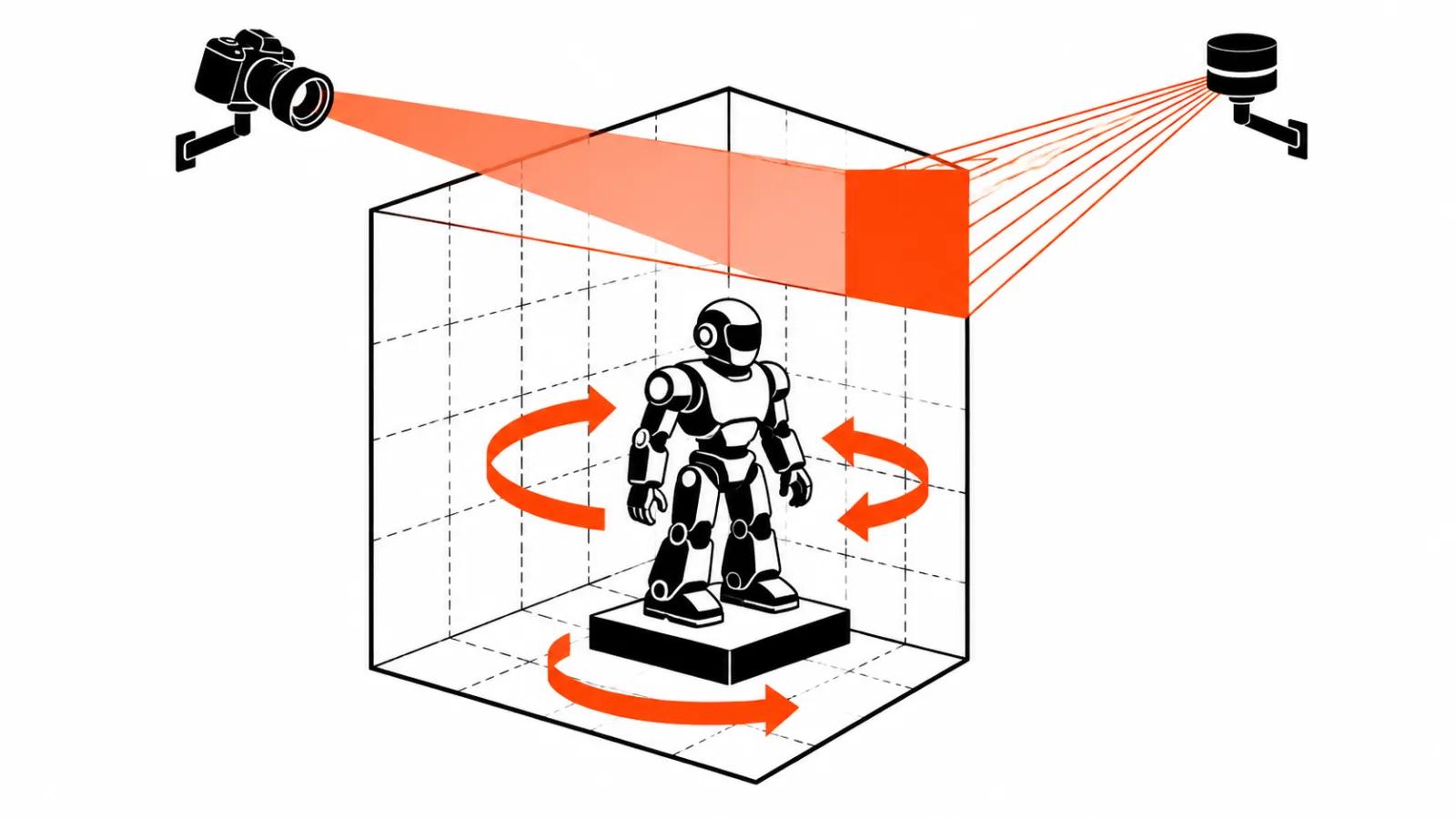
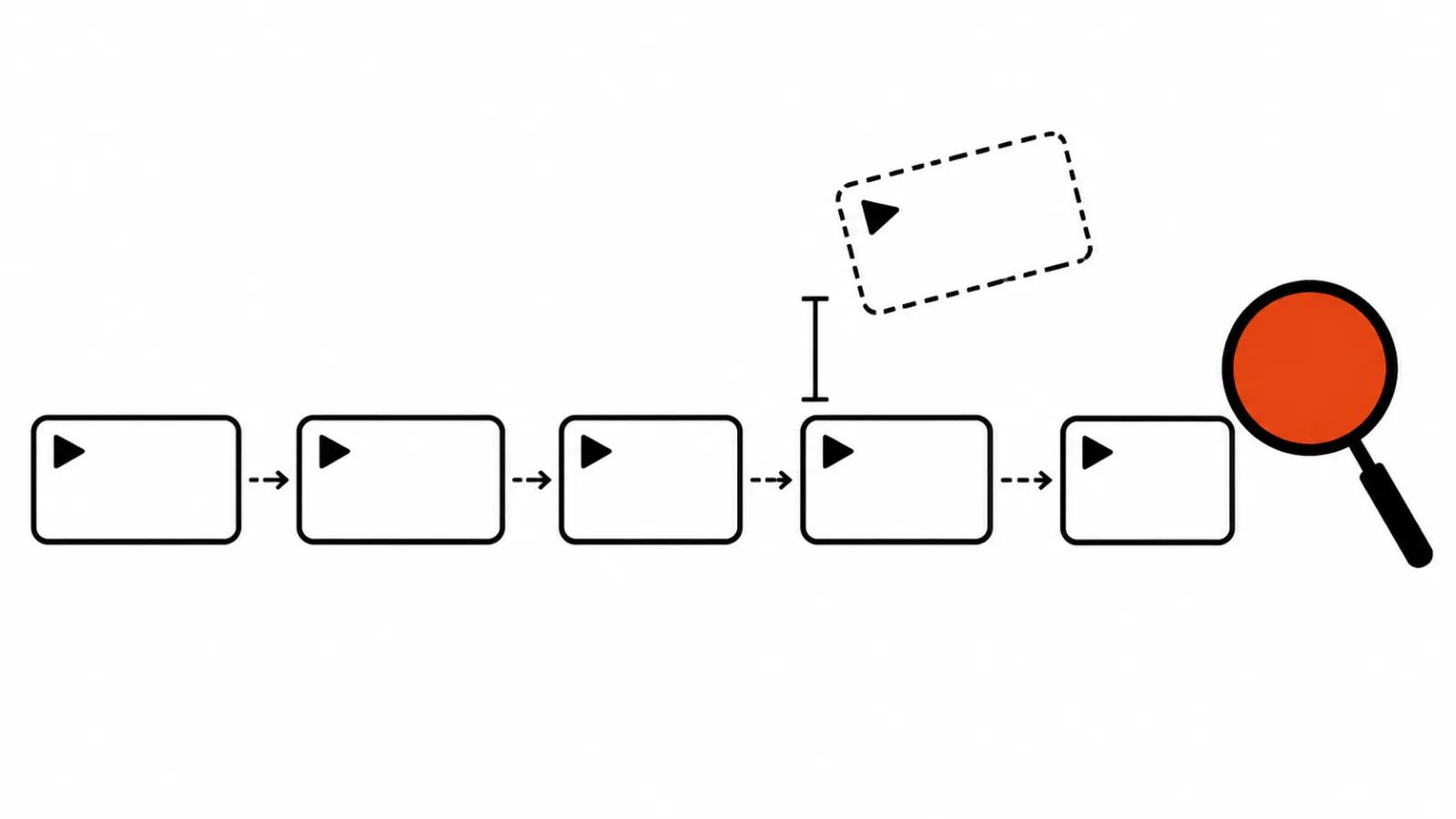
Three steps. The encoder reads real frames and writes its description of the scene. The predictor, given the first frames, guesses the next chunk. The guess is compared against what the encoder actually saw.
None of those numbers are about pixels. The model is not checking whether the fingers bend correctly or whether shop signage drifts. It checks whether the continuation fits what it expected from a scene with this light, this camera and these objects.
A plain way to picture it. Show the first two seconds of someone walking down a street to a person who knows that street and ask what happens next. He will call the step, the shadow, the car passing behind. If the footage instead produces something out of order, he is surprised. The detector gets surprised the same way, in numbers.
The consistency head and eight million weights
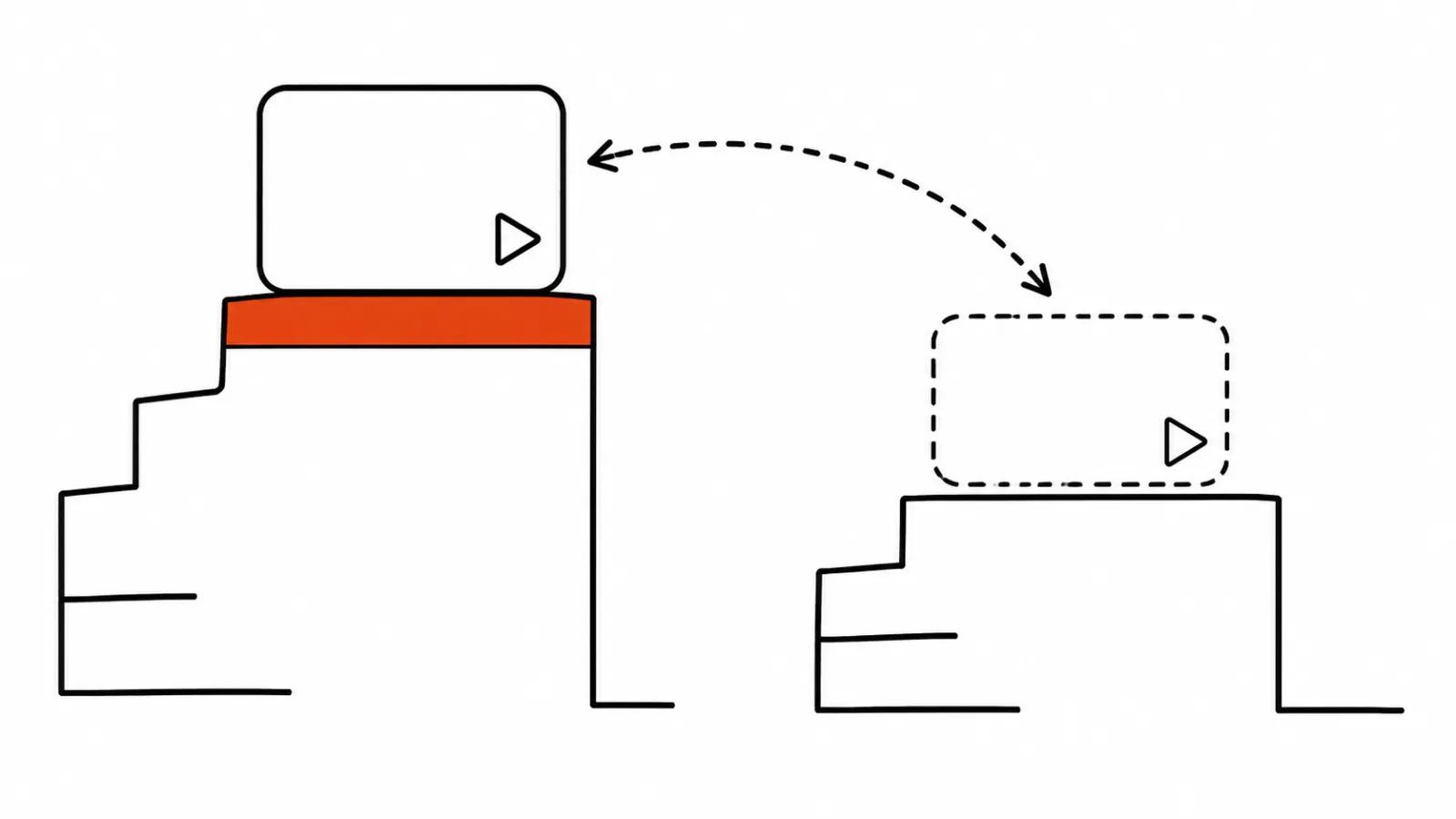
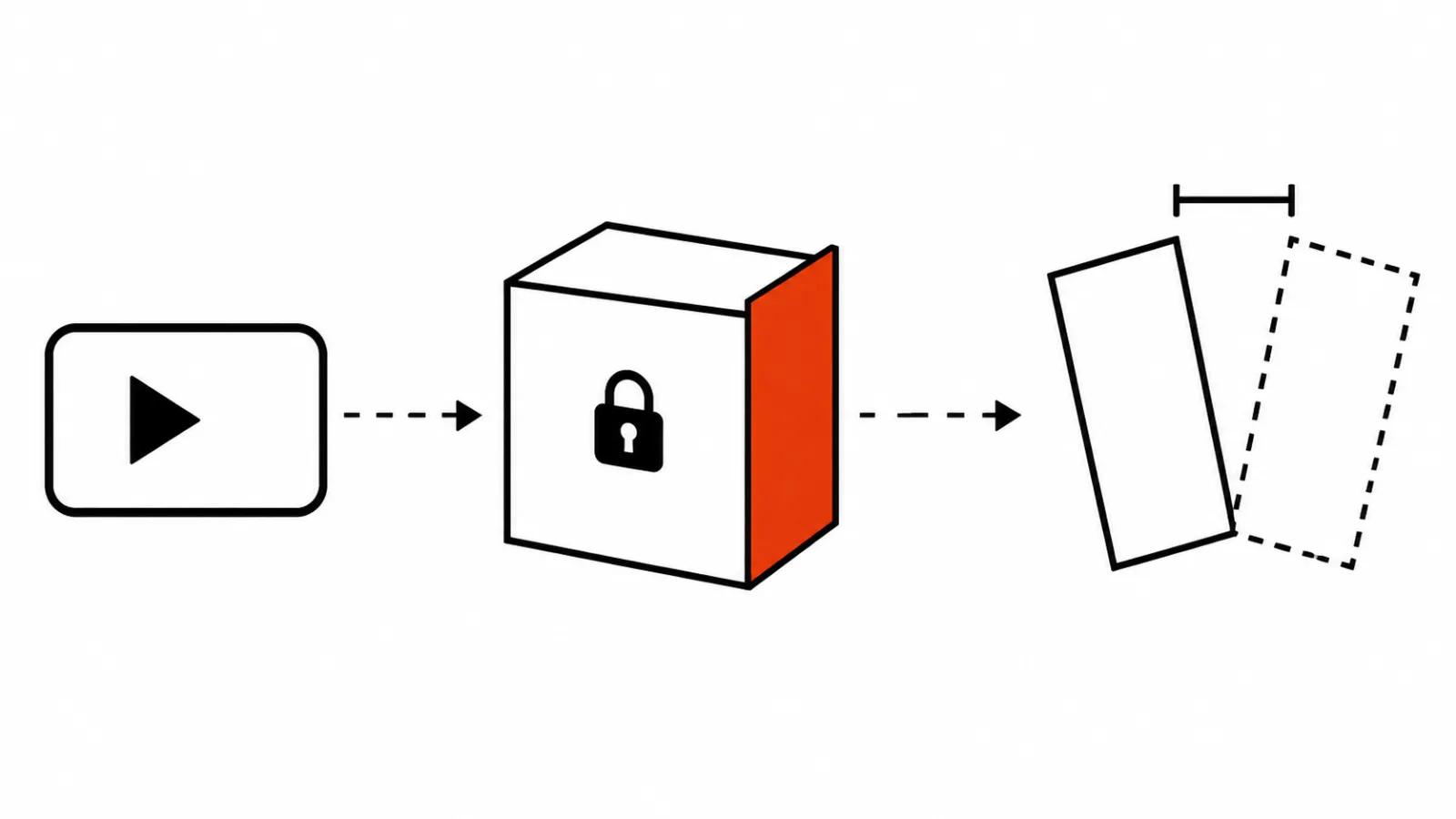
On top of the residual sits a light consistency head. It tracks two things separately: how large the residual is, and which way it points. The size answers how much the model was surprised. The direction answers where the mismatch went. The verdict is built from those two signals.
The training budget is modest. There are 8.25 million trainable parameters out of 334 million, which is 2.47% of the whole model. The encoder stays frozen and nobody retrains it, the addition sits on top. LoRA with rank 16 is a small patch on the weights that teaches one task without rewriting the model.
Two practical consequences follow from that size. The good one: this is cheap to train, so it can be retrained as generators change. The awkward one: there is little spare capacity, and behaviour on footage far from the training set is hard to predict.
Consistency checks versus artifact hunting
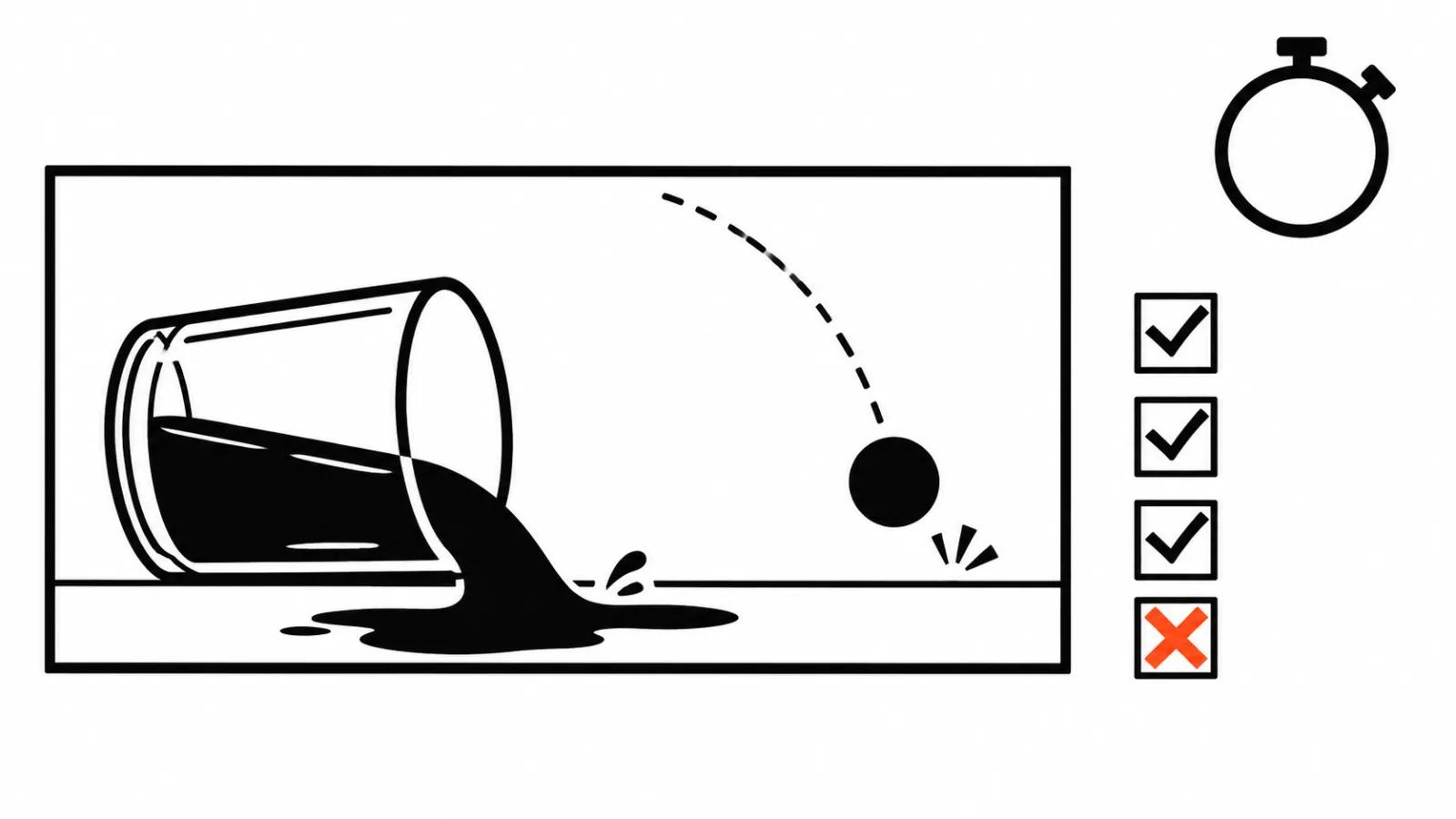
Artifacts are what the eye catches: six fingers on a hand, drifting captions on a shop sign, a torn edge along an ear, skin that looks too smooth. Detectors trained on artifacts look for known generation traces inside frames.
That worked while generators broke in obvious ways. Visible artifacts are getting rarer, since current models handle hands, faces and text much better. Consistency hangs on longer, because it is about the physics of a scene and about time. A world model holds exactly that sense of how one frame continues another.
So the two checks answer different questions. Artifact hunting asks whether the frame carries signs of a generator. A consistency check asks whether the clip behaves like real footage. The second question is broader, and far harder to answer by hand. If you want the manual version, there is a separate guide on how to spot AI video from the frame itself, and it needs no tools at all.
What 90.5 says and what it leaves out
The detector was trained on FF++ alone and tested on Celeb-DFv2, a set it had not seen. It scored AUC 90.5. What the metric means: AUC measures how well a model separates fakes from originals, where 100 is perfect separation and 50 is a coin flip. Ninety point five on unfamiliar material is a strong result for a research paper.
The caveats then matter more than the number. The authors say themselves that a larger residual does not guarantee catching every fake. Their text does not show how the detector behaves inside a real verification pipeline. The write-up mentions no code and no service, so nobody outside the team can run it on a clip today.
My own doubt is simple. A clip usually gets re-encoded, cut and compressed by the platform before anyone checks it, and the paper does not say what survives that trip. Until that is tested, the score is a reference point.
How to spot a deepfake today, while this stays research
My order of checks starts with labeling and watermarks wherever they exist: SynthID at Google, metadata inside the file for some generators. Then provenance: who published the clip, is there original footage, does the context hold up. Then eyes: pause on motion, blink rate, seams between scenes, the audio. And duplicate detection, if the same material travels across accounts in slightly different versions.
For a client that turns into two questions for whoever delivers the video. Which generator made this clip. Does the labeling and metadata survive the edit. Without answers, the check happens by hand, and that time has to sit in the schedule.
AI video production does not get simpler because of this paper. It gets more traceable, which is the part worth planning for.
My conclusion
A detector built on a world model moves in the right direction. It tests the part that is hardest to fake, which is how a scene behaves over time. A 90.5 AUC on an unfamiliar set while training 2.47% of the weights says the approach scales cheaply.
I would not put it into an acceptance process yet. No public code or service in sight, and no evidence from clips that have been through social platforms. The idea of a larger residual for fakes is elegant and plausible, and for now it lives inside a paper.
The practical line is short. Check clips by labeling, watermarks and provenance, and keep your eye trained. When a detector like this ships as a tool, it becomes a second filter. The human one stays where it is.