What the FT reported on October 30
The Financial Times published the story on October 30. According to sources familiar with the plans, Spotify wants to launch an AI remix service in the first quarter of 2027, possibly timed to the Grammys in February. Reuters picked the story up the same day and noted that Spotify did not respond to its request for comment.
That detail matters. There is no official announcement, only a newspaper and its sources. For Spotify, a service like this means fresh negotiations with rights holders, new demands on the catalogue and a new section in licensing contracts. While any of those is open, the date lives in the plan.
AI music with a $4 to $5 top-up
The add-on under discussion runs $4 to $5 a month on top of a subscription. The FT does not say what the money buys: how many remixes, how long a version stays online, the export quality, the right to download a file. Each of those will end up as its own line in a contract.
The mechanics the paper describes look like this. A subscriber takes a song from the catalogue and makes a version: turns a folk track into a dance cut, or has the song "sung" by another artist's voice. All of it stays inside the app.
The market has met a similar problem before. We looked at licensed AI music through Udio, where the service reached a licensing deal with a label, and that deal set the terms for everyone else. Spotify is walking the same road from the other end, from the player that already has an audience.
Where the money and the chart credit go
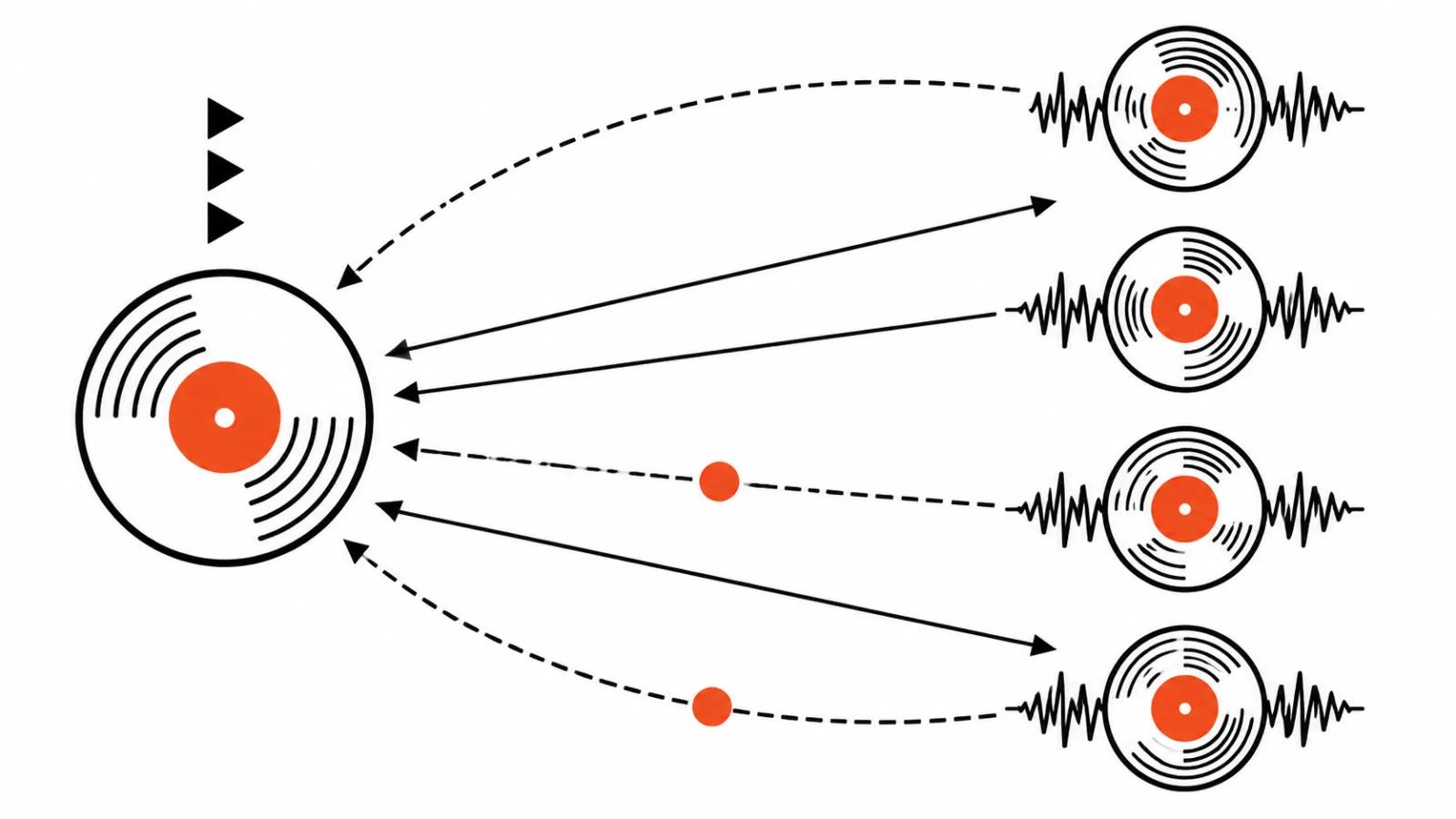
Per the FT, royalties from fan remixes will go to the original artists, and plays will count toward the original in Spotify's charts. That wording kills the main fear a musician has: somebody else's version does not steal the stats.
To my eye that is the strongest part of the plan. Labels sign off on services like this when money and attention flow back into the source catalogue. Percentages are not public yet, and that is the first thing to ask Spotify once the pricing page goes live.
AI music for video: where the risk lands
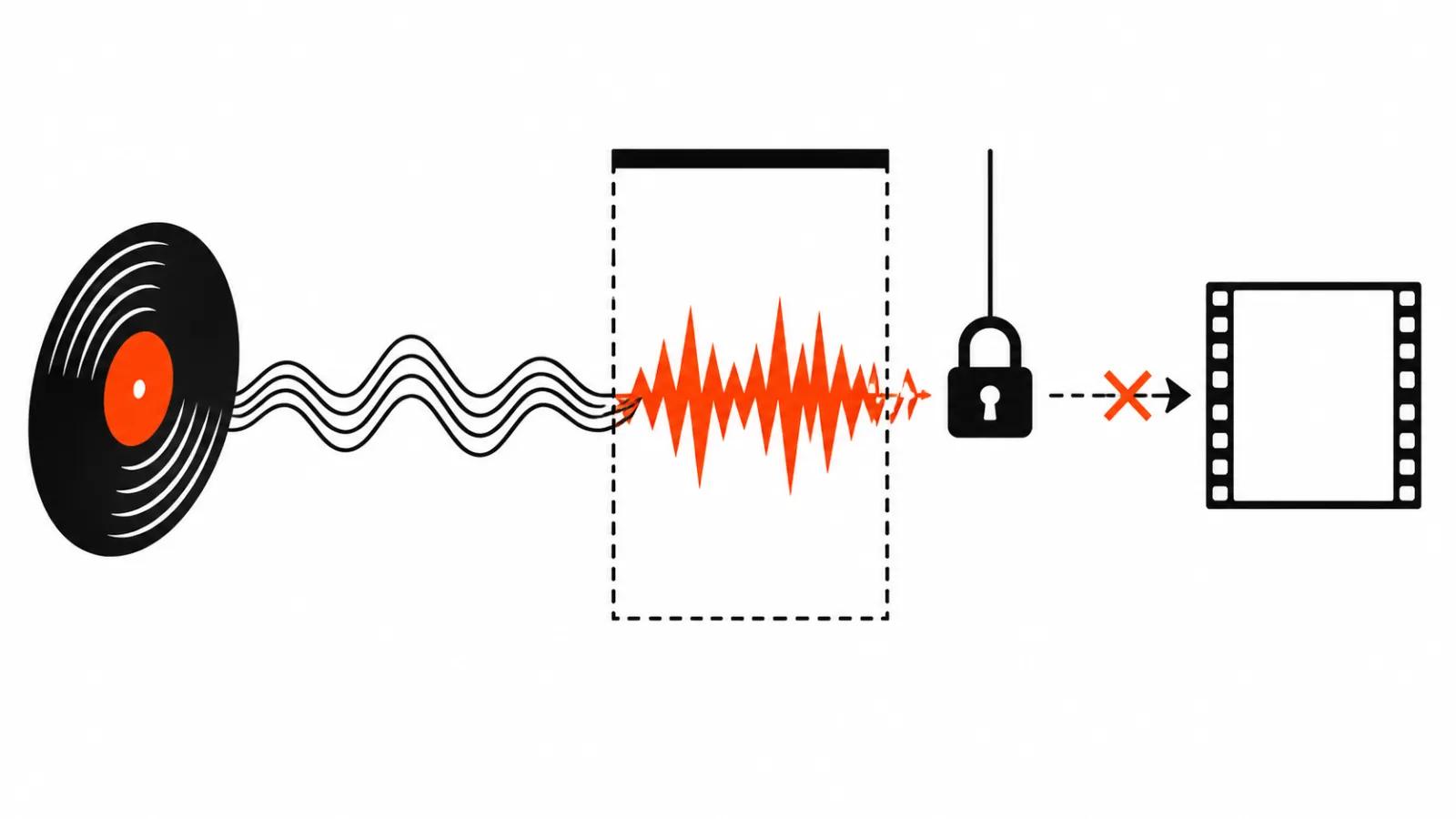
Now the part I actually care about. A remix made inside Spotify most likely stays inside Spotify: you will play it in the app. Pulling the file out and dropping that track under your own video is a different job, and the rights around it are not described yet.
For a video producer the conclusion is plain. The service solves "make my own version of a song". It may not solve "put music into my video". If an export arrives in 2027, a licence will arrive with it, and that text will matter more than any on-stage demo.
Until then, music with clear terms is the safer base: a library track, or a generation service that spells out rights in its terms. Our breakdown of AI music for video collects the options and the licensing traps.
Licences: Universal, Merlin, Believe, and two holdouts
Spotify already has deals with Universal Music Group, the independent alliance Merlin and France's Believe. Talks with Sony Music and Warner Music are still going.
Universal plus two large independent players is a solid start. A catalogue without Sony and Warner still has holes, though: a large share of global hits sits there. While those talks are open, a launch "for everyone" looks optimistic. Hence my caution about the date.
My take: what to do before 2027
First, do not build videos on music whose rights are not written down. Spotify remixes are unavailable in 2026, and when they show up they will come with their own licence that has to be read line by line.
Second, keep a catalogue with clean paperwork within reach. A playlist for editing gets put together once and lives for years, while digging through a new tariff on delivery day is too late.
Third, watch the price. A $4 to $5 top-up sits low next to a library subscription, yet if remixes cannot be exported there is nothing for a video maker to pay for.
Volume decides the rest. With many videos a month you need a predictable cost per unit and a licence you can point to for every track: that is where an AI YouTube channel from $200 per month pays off, since music, voice and edit get priced together. Batches go through AI video production at up to $2.40 per 1000 views, and a complex one-off scene goes to handcrafted videos from $190.